The Meeting (Bonjour Monsieur Courbet)
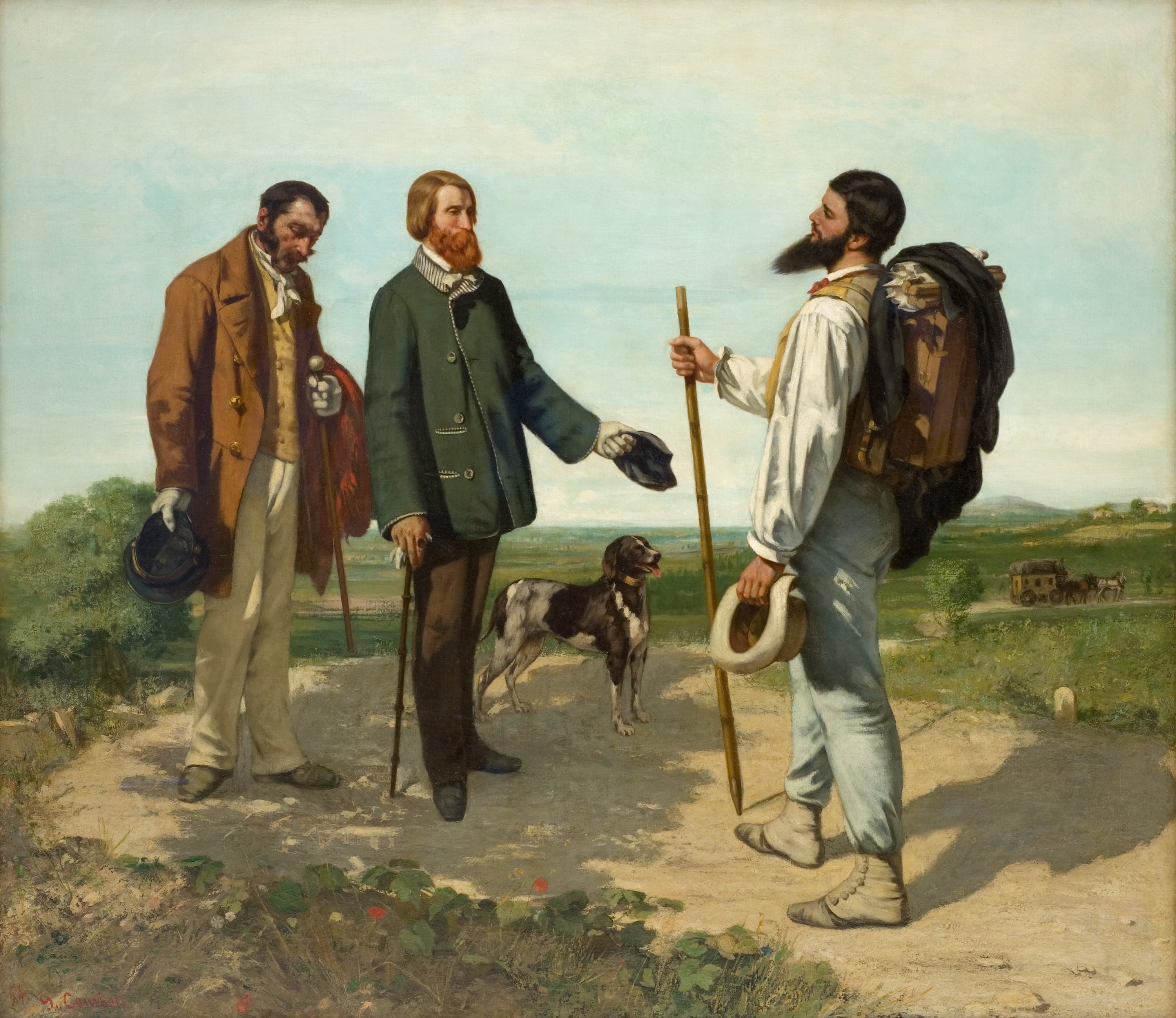
Three men meet on a dusty road outside Montpellier. Gustave Courbet is on the right with a pack on his back and his beard up; his patron Alfred Bruyas and a servant have stopped and taken off their hats. Every hat in the picture is off, Courbet's included, but his hangs at his side while Bruyas holds his out and the servant bows his head. The arrangement caused trouble immediately, because the painter is the one being received.
- 1854
- Oil on canvas
About Gustave Courbet
What the painting shows
Courbet stands at the right of the road, a long staff in his raised hand and a canvas and painting kit strapped to his back. His head is bare and tipped back, his beard jutting forward, and his wide-brimmed hat hangs from his lowered hand. He is dressed for walking, in shirtsleeves, with a dark cloak folded over the pack.
Facing him are two men. Alfred Bruyas, the collector from Montpellier who bought Courbet's work and supported him, stands in a green coat with his cap held out in one gloved hand. His servant is a step behind and to the left, head bowed, a black cap hanging from his own gloved hand. A dog stands on the road between them, and a coach waits in the fields away to the right.
The road is pale and dusty, the sky is pale blue with white cloud across it, and the country on either side is green field and hedge with low hills behind. Nothing else is happening.
Who is greeting whom
The composition puts the patron in the position of the person paying respect. All three men are bare-headed, but the gesture differs. Alfred Bruyas holds his cap out towards Courbet; the servant lets his hang and drops his head; Courbet keeps his own low at his side with his chin up. The painter arrives on foot, carrying his own equipment, and is received rather than receiving.
Contemporaries noticed and mocked it. The nickname Bonjour Monsieur Courbet, which is now the title everyone uses, started as a joke at the painter's expense about a man who had painted himself being welcomed like a visiting dignitary. The title stuck, and so did the joke.
Alfred Bruyas and Montpellier
Alfred Bruyas was a collector from a Montpellier banking family who bought work from Courbet, Eugène Delacroix and others, and who supported Courbet at a point when the Paris establishment was hostile to him. Courbet stayed with him in the south in 1854, which is when the meeting the painting shows took place.
Bruyas gave his collection to the city, which is why the painting is at the Musée Fabre in Montpellier rather than in Paris.
Close reading
Reading the work, detail by detail
Three men have stopped on a road outside Montpellier and every hat in the picture is off. Gustave Courbet painted himself arriving on foot with his equipment on his back, and gave the greeting to his patron Alfred Bruyas and to Bruyas's servant. Close view shows the same courtesy performed three times over, with only one of the three keeping his head up.
1.The head that stays up
Courbet's head is bare and tipped back, his black beard thrust forward past his chest. A red neckerchief sits at his open shirt collar and an ochre strap crosses his shoulder. Of the three figures he is the only one whose face is turned upward.
2.His hat hangs from his lowered hand
The hat is off, held brim-up in his lowered left hand so the brown lining shows. It is not raised towards the two men facing him. Behind it his blue-grey trousers carry a patch at the thigh, and his feet are in pale buttoned gaiters.
3.A paintbox, a canvas and a cloak on his back
The pack is a brown wooden paintbox held on by leather straps. Stretcher bars and pale paper are wedged in behind it, and a black cloak is folded over the top. He has walked to the meeting carrying everything he would need to work outdoors.
4.Alfred Bruyas holds his cap out to the painter
Alfred Bruyas stands in a dark green coat, with a red beard and a striped shirt collar. His gloved right hand is extended to the right, holding a dark blue cap well away from his body. A walking stick is in his other hand, with a ring on that finger.
5.The servant's head is down and his cap is off
The servant wears a rust-brown coat with large buttons over a mustard waistcoat and cream trousers. His head is bowed far enough to put his face in shadow, and a black peaked cap hangs from his white-gloved hand. A red-fringed cloak and a silver-knobbed cane are carried over his other arm.
6.The dog stands on the road between them
The dog is standing rather than sitting, all four feet on the pale road surface. It wears a studded yellow collar, its tongue is out, and its head is turned to the right towards Courbet. Alfred Bruyas's dark trousers are directly behind it.
7.A coach waits in the fields at the right
A yellow-bodied coach with a grey canvas roof stands on a road in the middle distance, a pale horse in its team. It sits at the right of the canvas, beyond Courbet, rather than behind the two men who face him. The country around it is green field, hedge and scattered tree, with low hills above.
Timeline
1854
Courbet travels south to stay with Alfred Bruyas near Montpellier and paints the meeting.
1855
Shown in Paris, where the composition draws mockery and the nickname Bonjour Monsieur Courbet.
Where to see it
Musée Fabre, Montpellier
A public viewing address has not yet been confirmed for this holding.
Frequently asked questions
Where is Bonjour Monsieur Courbet?
The Musée Fabre in Montpellier, in the south of France. It came to the museum with the collection of Alfred Bruyas, the patron shown in the painting, who gave his collection to the city.
Who are the men in The Meeting?
Gustave Courbet himself on the right, bare-headed, with a pack and painting kit on his back. His patron Alfred Bruyas stands in the centre in a green coat with his cap held out, and Bruyas's servant is a step behind with his head bowed. A dog stands on the road between them and a coach waits in the fields to the right.
Why is The Meeting called Bonjour Monsieur Courbet?
It was a nickname, and originally a jibe. Critics noticed that the painter had shown his wealthy patron and the patron's servant uncovering to him, and mocked the picture as a self-important greeting scene. The name replaced the original title, The Meeting.
Who was Alfred Bruyas?
A collector from a banking family in Montpellier who bought work by Courbet, Delacroix and others and backed Courbet when the Paris art establishment would not. Courbet stayed with him in the south in 1854. Bruyas later gave his collection to the city of Montpellier.
What is Courbet carrying in The Meeting?
A long staff, his own wide-brimmed hat in his lowered hand, and a pack on his back holding a canvas and his painting equipment. He is dressed for walking in shirtsleeves, with a dark cloak folded over the pack — a painter arriving on foot to work outdoors.
More by Gustave Courbet
If you like Gustave Courbet
Explore painters from the same movements and circles.
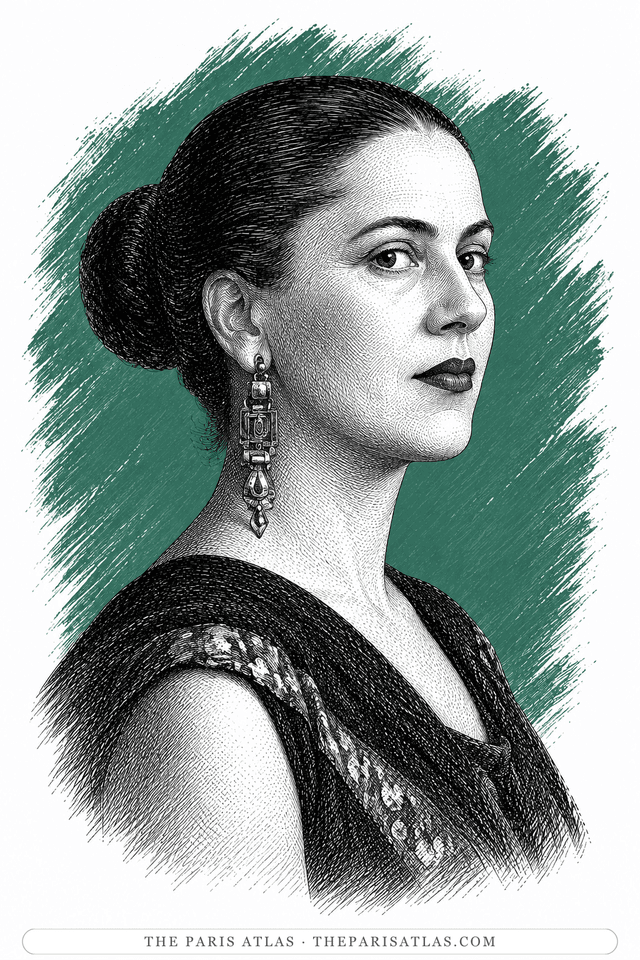
Tarsila do Amaral
Brazilian painter who spent the 1920s moving between São Paulo and Paris, studied Cubism under André Lhote, Albert Gleizes and Fernand Léger, and used what she learned to paint Brazilian towns, railways, plants and bodies. Her 1928 painting Abaporu prompted the manifesto that gave the Anthropophagic movement its name.
View artist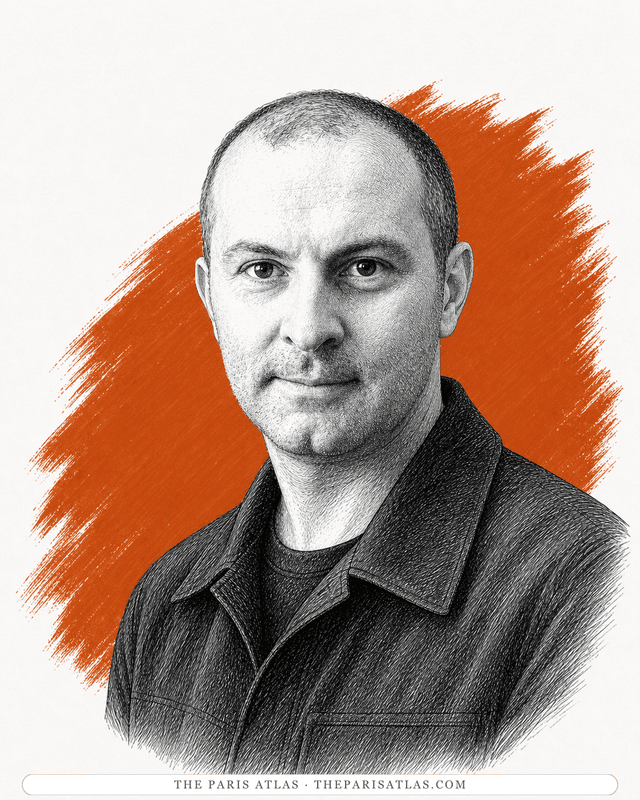
Arman
French-American artist, lifelong friend of Yves Klein, and a founder of New Realism.
View artist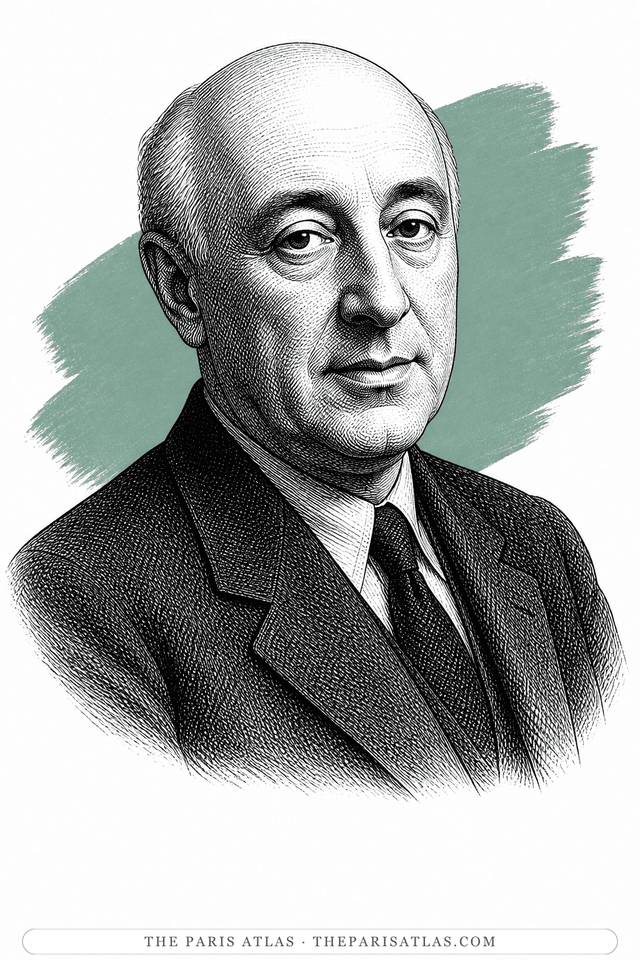
Jean Arp
Strasbourg-born sculptor and poet — Hans in German, Jean in French, both all his life — who co-founded Dada at the Cabaret Voltaire in 1916, composed collages by dropping torn paper 'according to the laws of chance', and settled at Meudon outside Paris in a house his wife Sophie Taeuber-Arp designed.
View artist
References
The sources below include collection records, catalogues, scholarly research, and primary materials that informed this page. They document The Meeting (Bonjour Monsieur Courbet), its making, and its place in cultural history.

1Collections — musée Fabre, Montpellier
Official recordMusée Fabre, Montpellier Méditerranée MétropoleUsed forOfficial record used to verify names, dates, institutional details, or other factual information on this page.

2Biographie de Gustave Courbet — Institut Gustave Courbet
WebsiteInstitut Gustave Courbet, OrnansUsed forWeb source consulted for documented facts and historical context presented on the The Meeting (Bonjour Monsieur Courbet) page.
3Gustave Courbet
WebsiteEncyclopaedia BritannicaUsed forWeb source consulted for documented facts and historical context presented on the The Meeting (Bonjour Monsieur Courbet) page.
4Gustave Courbet, Un enterrement à Ornans — collection record
WebsiteMusée d'OrsayUsed forWeb source consulted for documented facts and historical context presented on the The Meeting (Bonjour Monsieur Courbet) page.
These references provide the documented foundation for this work's history and interpretation. Claim-level citations remain attached to the specific claims they support.
 Explore more resources