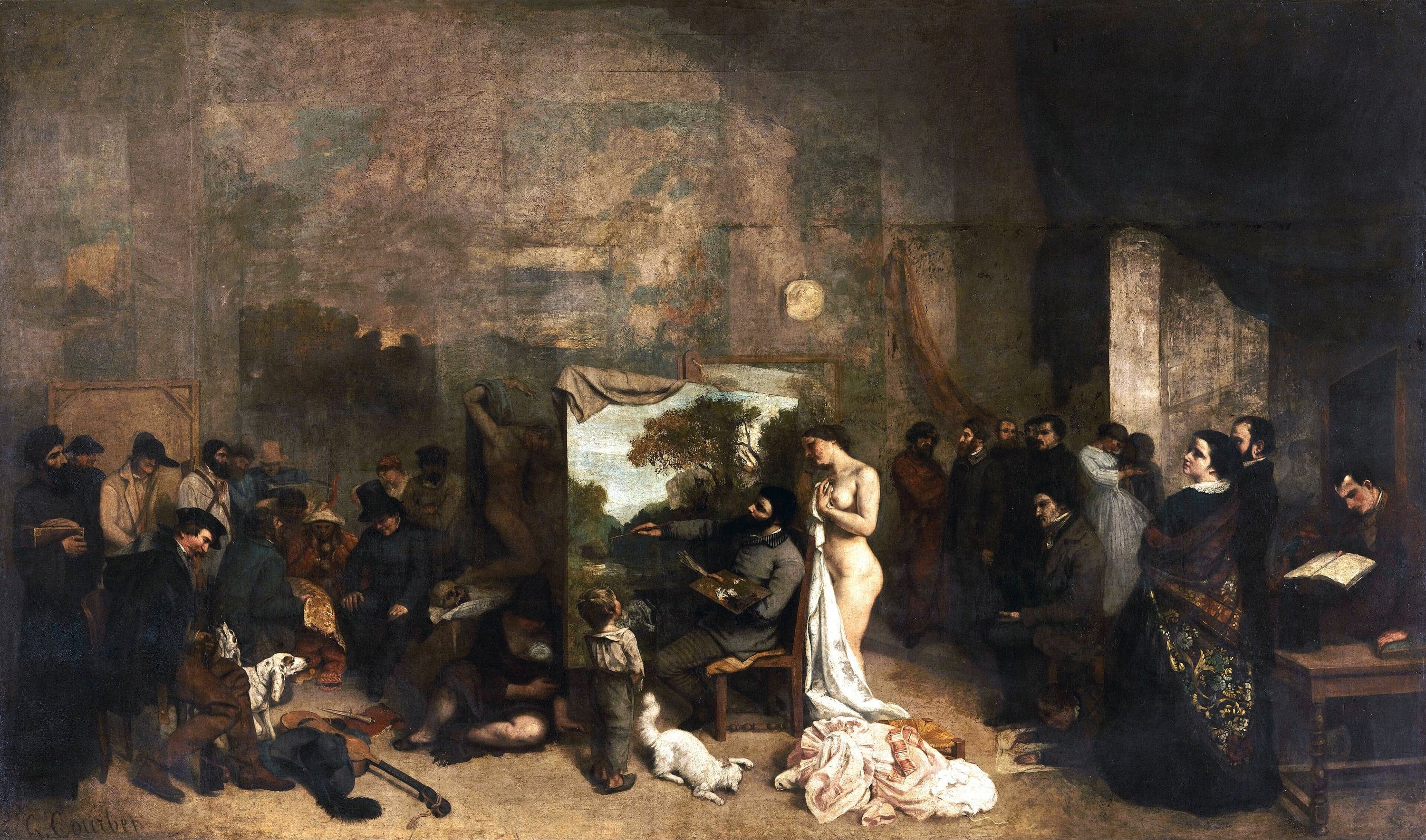
The Painter's Studio
Courbet sits at his easel in the middle of a crowded studio, painting a landscape, with a naked woman standing behind him and a small boy watching. The jury of the 1855 Universal Exhibition refused it, so he built a shed nearby at his own expense, called it the Pavilion of Realism, and showed it himself. He gave the picture a subtitle: a real allegory summing up seven years of his artistic life.
- 1854–1855
- Oil on canvas
About Gustave Courbet
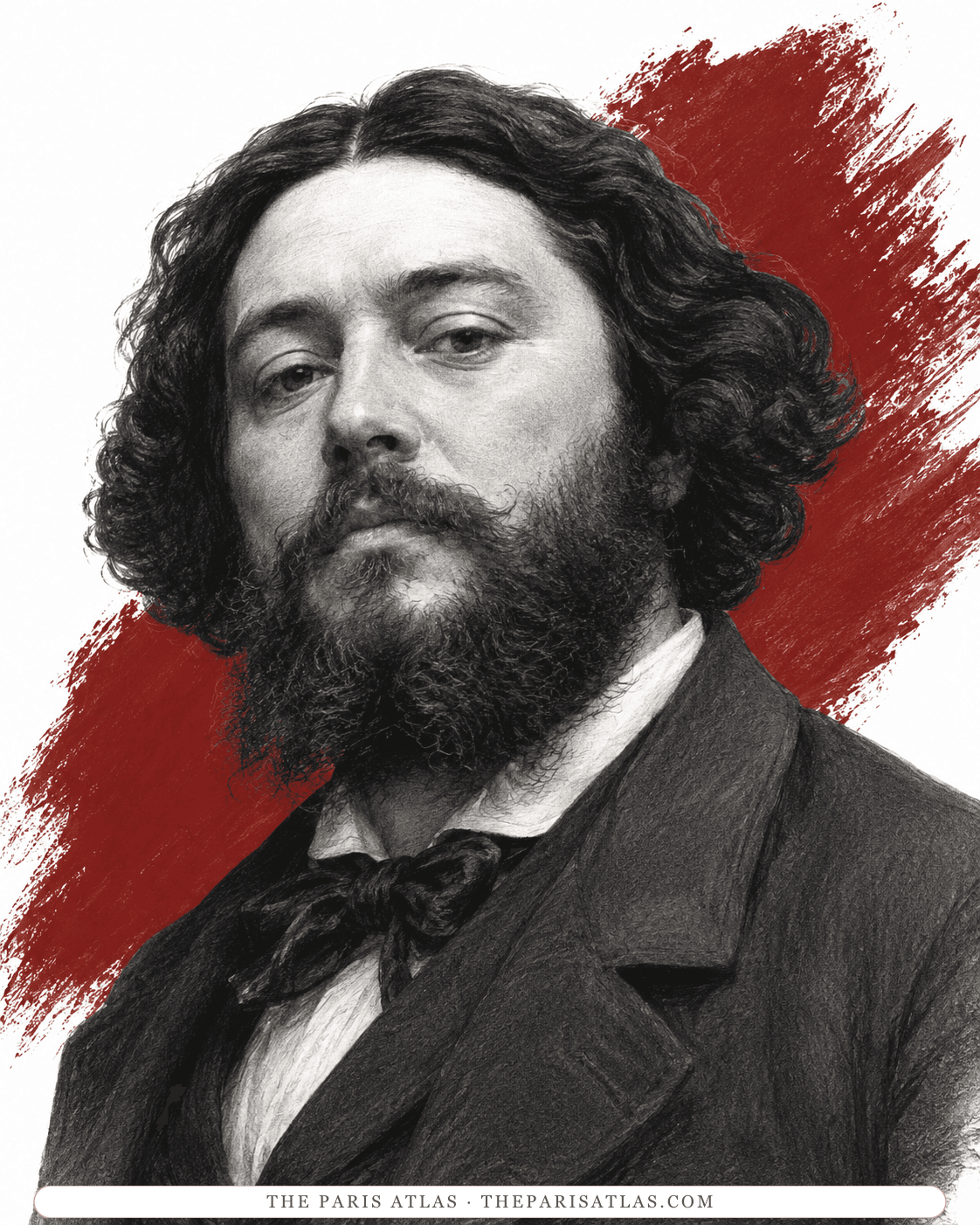
What the painting shows
The canvas divides into three. Courbet is in the centre, seated at his easel with a long brush in his hand, working on a landscape of his home country rather than on anything in the room. A naked woman stands just behind his shoulder, a white sheet gathered over her arm and falling to the floor. A small boy stands upright at the foot of the easel with his head tipped back, looking at the landscape rather than at the painter. A white cat is stretched out on the boards near the chair.
To the right is a group of people Courbet knew and approved of: friends, supporters, collectors, writers, a pair of lovers. To the left is a different crowd — figures representing the kinds of people and interests he saw as belonging to the other side, including a huntsman, a labourer, a priest and a merchant.
The room is dim at the edges and the walls are bare. The canvas is 361 by 598 centimetres, nearly twelve feet by twenty.
A real allegory
Courbet's full title was The Painter's Studio, a real allegory summing up seven years of my artistic life. The phrase real allegory is a deliberate contradiction — allegory deals in personifications, realism was supposed to refuse them — and he did not explain it.
The Musée d'Orsay reads the central group as Courbet presenting himself as a mediator, flanked by a female muse who is naked like Truth, along with the child and the cat. He is at work on a landscape while the world stands around him watching.
The Pavilion of Realism
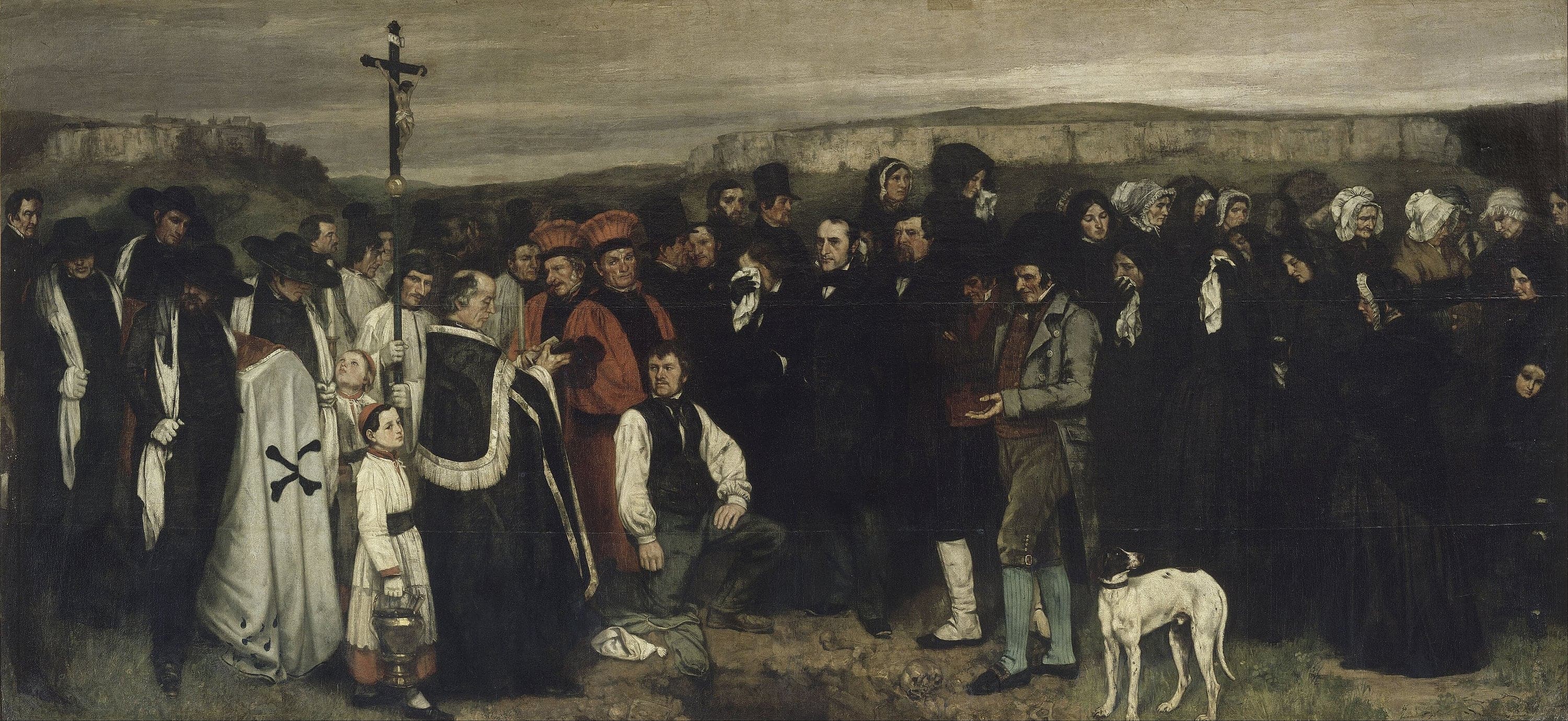
The jury of the Universal Exhibition of 1855 in Paris turned the painting down. Courbet's answer was to put up a building of his own near the official site, pay for it himself, call it the Pavilion of Realism, and hang his work inside. A Burial at Ornans went in with it.
Charging admission to see your own rejected painting beside the world's fair was not a normal career move in 1855. It is one of the earliest cases of an artist going around the official system rather than petitioning it.
Where it is now
The painting is at the Musée d'Orsay as RF 2257, hanging in the same room as A Burial at Ornans. The two are the largest canvases Courbet made and the museum shows them together.
Close reading
Reading the work, detail by detail
Gustave Courbet subtitled the picture a real allegory summing up seven years of his artistic life, then left the figures unexplained. What close view does supply is the mechanics: a painter working on a landscape in a room where almost nobody looks at the same thing, with the props of another kind of painting lying on the floor.
1.A loaded palette and a long brush
Courbet sits in a grey smock and striped trousers with his back to most of the room. His left hand holds a palette with a fan of spare brushes above it; his right reaches out with a long brush. His eyes are on the canvas rather than on anyone in the studio.
2.The canvas on the easel holds a river and rock
The work in progress is a landscape: water, a bank of trees and pale rock under an open sky. It is the brightest passage anywhere on the canvas. A white cloth is thrown over the top bar of the stretcher and hangs down its left side.
3.The model holds the sheet rather than wearing it
She stands behind the painter's shoulder with one hand raised to her breast. The white sheet is gathered over her arm and falls in heavy folds to the boards, rather than lying discarded at her feet. Her head is tipped down towards the landscape on the easel.
4.A boy looks up at the painting, not the painter
The boy stands upright at the foot of the easel in a loose white shirt, grey trousers and flat sandals, his head tipped right back. What he watches is the landscape on the canvas, not the man making it. The white cat below him is stretched flat on the boards with its tail curled up.
5.A guitar, a dagger and a plumed hat on the floor
A guitar lies face up on the boards with a dagger across its upper body. A black hat trailing a long feather is draped over the strings, and tan leather boots stand beside them. These are the standard properties of Romantic costume painting, put on the floor and left there.
6.The huntsman bends over his dogs
He wears a black beret and tan leather leggings, and bends forward with his hands down among the animals. A white hound with a brown-marked head pushes up under his arm; a russet-brown dog crowds in behind. The rest of the left-hand crowd stands or sits still.
7.A man reads at the table on the far right
At the far right a man bends over a large book lying open on a wooden table, one hand resting on the page. The white pages are the brightest thing on that side of the room. He does not look up at the painter or at the model.
Timeline
1854–55
Painted, with the subtitle a real allegory summing up seven years of my artistic life.
1855
Rejected by the jury of the Universal Exhibition. Courbet builds the Pavilion of Realism at his own expense and shows it there with A Burial at Ornans.
Where to see it
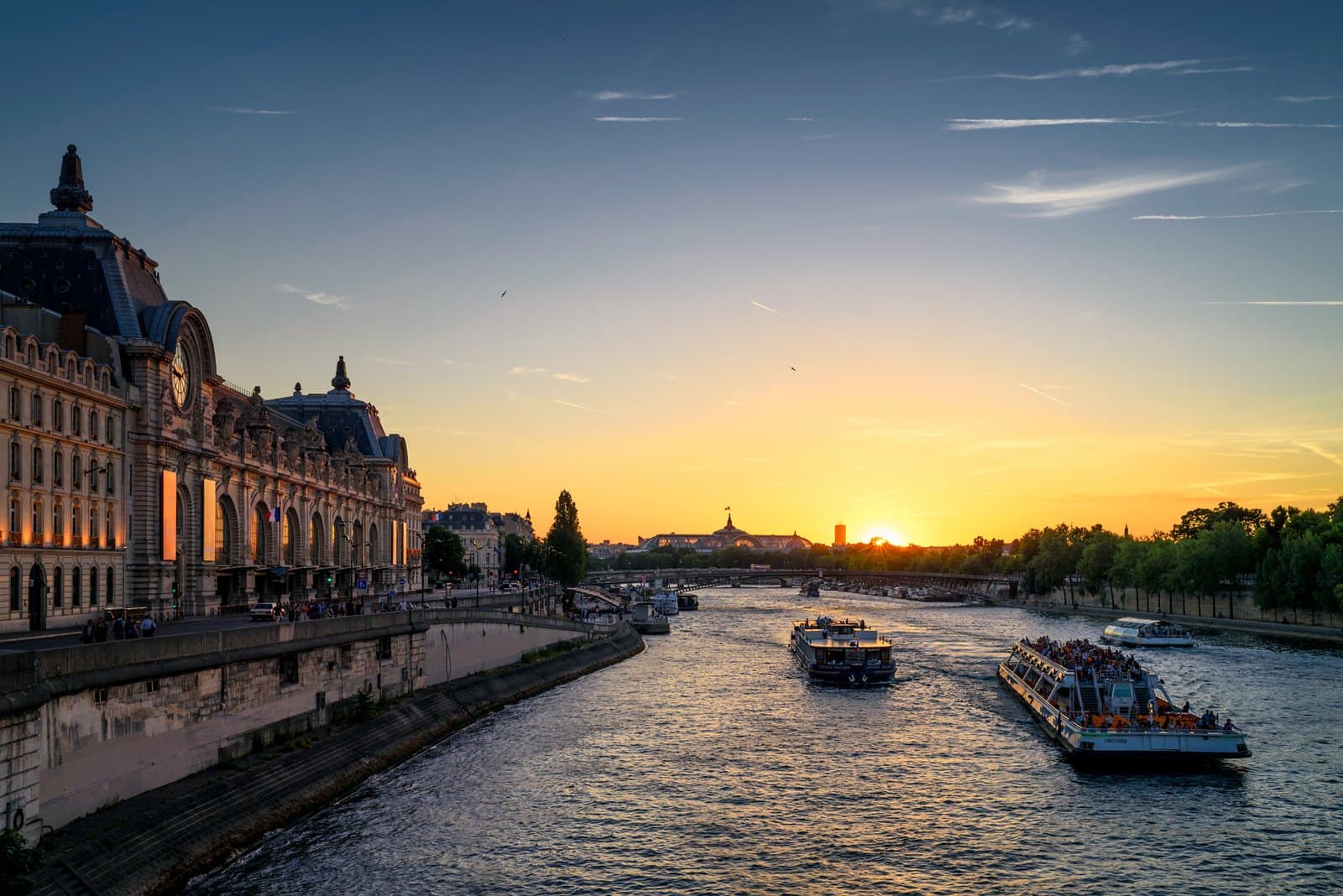
Musée d'Orsay
Esplanade Valéry Giscard d’Estaing, 75007 Paris, France
Displays and loans can change. Check whether this work is on view before making a special trip.
Plan your visitFrequently asked questions
Where is The Painter's Studio?
The Musée d'Orsay in Paris, accession number RF 2257. It hangs in the Courbet room facing A Burial at Ornans.
What is the full title of The Painter's Studio?
The Painter's Studio, a real allegory summing up seven years of my artistic life. The phrase real allegory is a contradiction on purpose, and Courbet never explained it.
Who are the people in The Painter's Studio?
Gustave Courbet is at the easel in the centre with a naked woman behind him, a boy looking up at the canvas and a cat on the boards nearby. On the right are his friends, supporters, collectors and writers. On the left is a crowd standing for the other side of his world, including a huntsman with his dogs, a labourer, a priest and a merchant.
Why did Courbet build the Pavilion of Realism?
Because the jury of the 1855 Universal Exhibition rejected this painting. Rather than accept it, he put up a building near the official exhibition at his own expense, called it the Pavilion of Realism, and showed his work there, including A Burial at Ornans.
How big is The Painter's Studio?
361 by 598 centimetres, close to twelve feet high by twenty wide — his second-largest canvas after A Burial at Ornans.
More by Gustave Courbet
If you like Gustave Courbet
Explore painters from the same movements and circles.
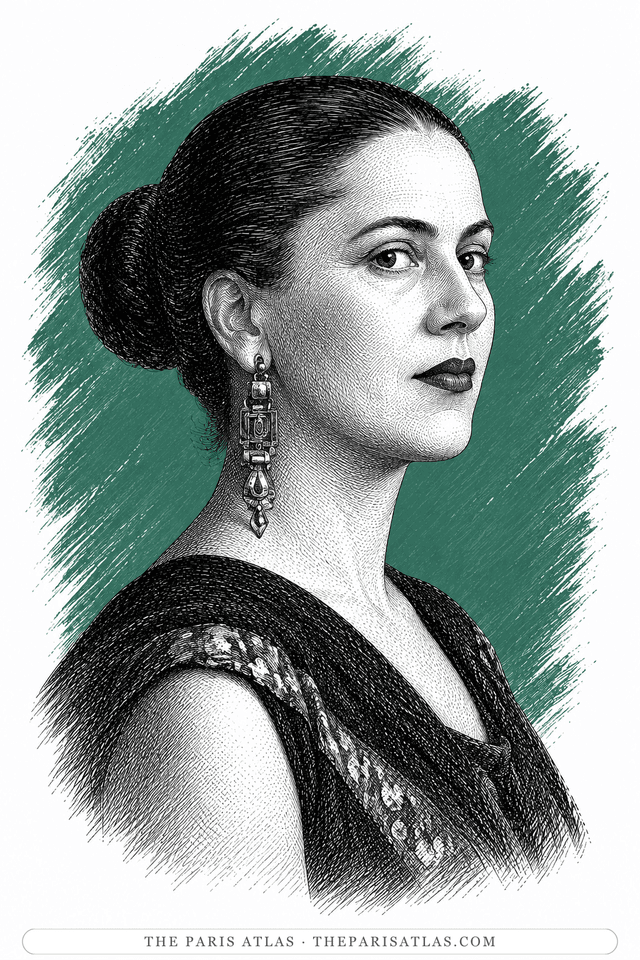
Tarsila do Amaral
Brazilian painter who spent the 1920s moving between São Paulo and Paris, studied Cubism under André Lhote, Albert Gleizes and Fernand Léger, and used what she learned to paint Brazilian towns, railways, plants and bodies. Her 1928 painting Abaporu prompted the manifesto that gave the Anthropophagic movement its name.
View artist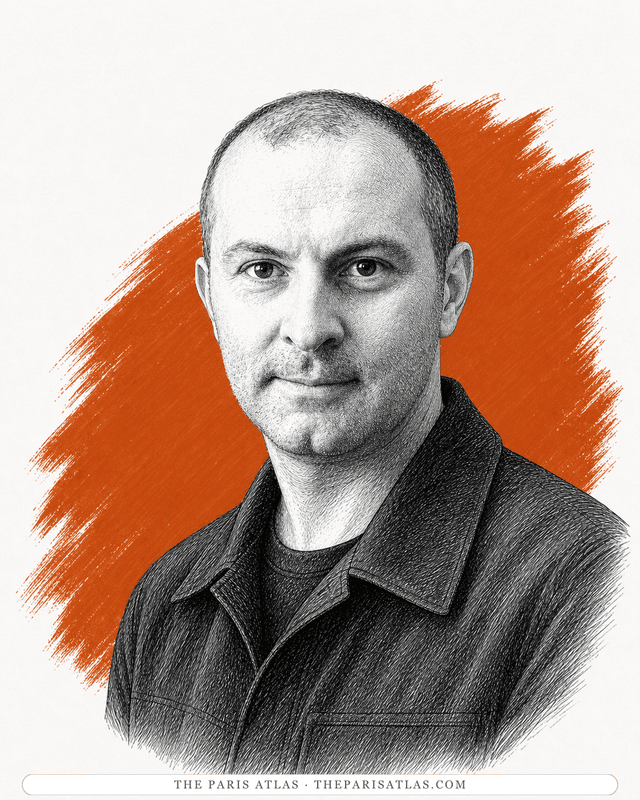
Arman
French-American artist, lifelong friend of Yves Klein, and a founder of New Realism.
View artist
Jean Arp
Strasbourg-born sculptor and poet — Hans in German, Jean in French, both all his life — who co-founded Dada at the Cabaret Voltaire in 1916, composed collages by dropping torn paper 'according to the laws of chance', and settled at Meudon outside Paris in a house his wife Sophie Taeuber-Arp designed.
View artist
References
The sources below include collection records, catalogues, scholarly research, and primary materials that informed this page. They document The Painter's Studio, its making, and its place in cultural history.


1L'Atelier du peintre, Gustave Courbet (RF 2257)
Official recordMusée d'OrsayUsed forOfficial record used to verify names, dates, institutional details, or other factual information on this page.

2Gustave Courbet, Un enterrement à Ornans — collection record
WebsiteMusée d'OrsayUsed forWeb source consulted for documented facts and historical context presented on the The Painter's Studio page.
3Biographie de Gustave Courbet — Institut Gustave Courbet
WebsiteInstitut Gustave Courbet, OrnansUsed forWeb source consulted for documented facts and historical context presented on the The Painter's Studio page.
4Gustave Courbet
WebsiteEncyclopaedia BritannicaUsed forWeb source consulted for documented facts and historical context presented on the The Painter's Studio page.
These references provide the documented foundation for this work's history and interpretation. Claim-level citations remain attached to the specific claims they support.
 Explore more resources