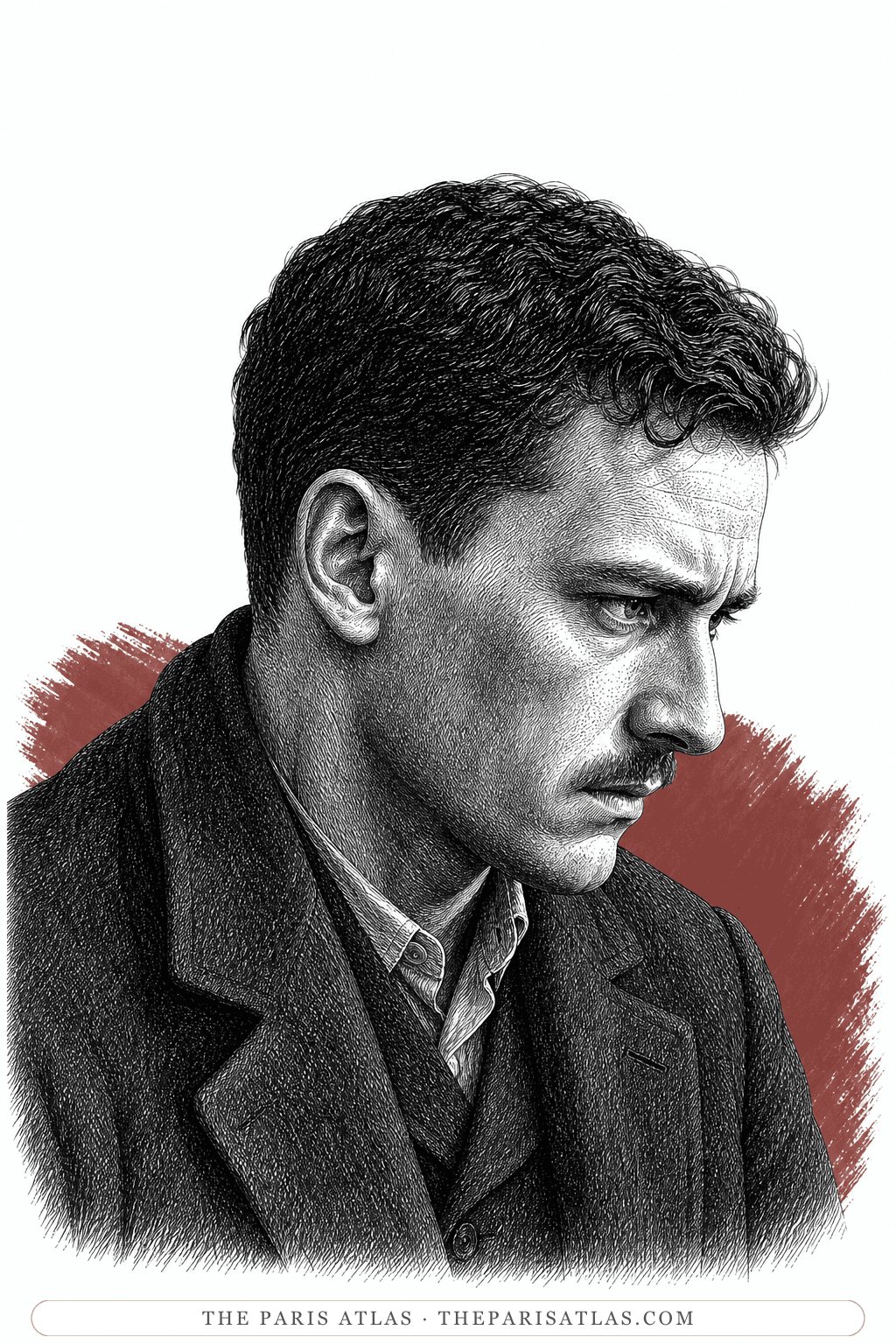
Albert Trosske
A veteran whose jealous shooting becomes a test of how civilian justice understands war-trained violence.
To recover love, dignity, and a place in civilian life.
The book

At a glance
- Veteran and teacher trainee
- Shoots Bartscher
- Three years
Who they are in the book
Spoiler-freeAlbert returns to a world of intimate choices without recovering civilian habits of restraint.
His crime is real, while his trial exposes how poorly legal categories can contain the history that preceded it.
How Albert Trosske Is Portrayed
- VolatileEmotion can turn rapidly into action.
- Attached to the groupFriends try to make the court see his history.
- Responsible enough to surrenderHe does not flee after the shooting.
- Civilian defendantThe uniform has been replaced by legal classification.
- War-trained reflexLethal action remains available to him.
- No simple excuseThe novel seeks context without erasing the victim.
Albert shoots Bartscher after finding him with his girlfriend, turns himself in, and is sentenced to three years in prison.
If you like The Road Back


If you like Erich Maria Remarque
Explore authors with a similar voice, perspective, and influence.
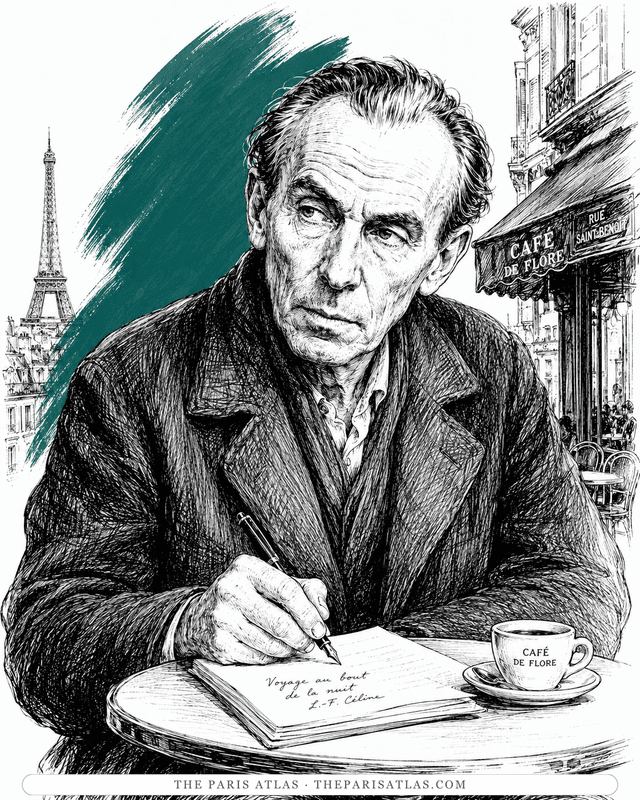
Louis-Ferdinand Céline
The doctor of the Paris slums who wrote the century's blackest, funniest novel — and changed the sound of French prose.
View author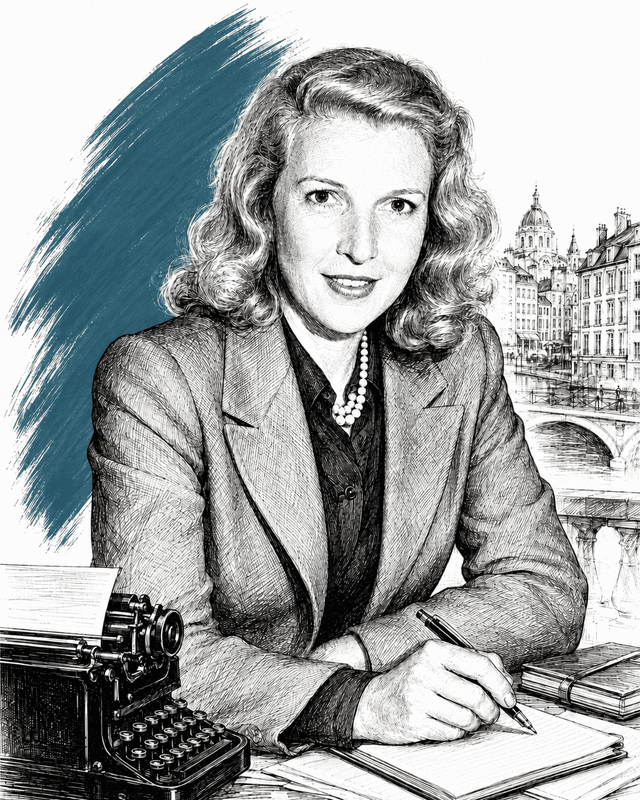
Martha Gellhorn
War correspondent who covered the Spanish Civil War, D-Day, and conflicts across five more decades; Hemingway's third wife, 1940–1945.
View author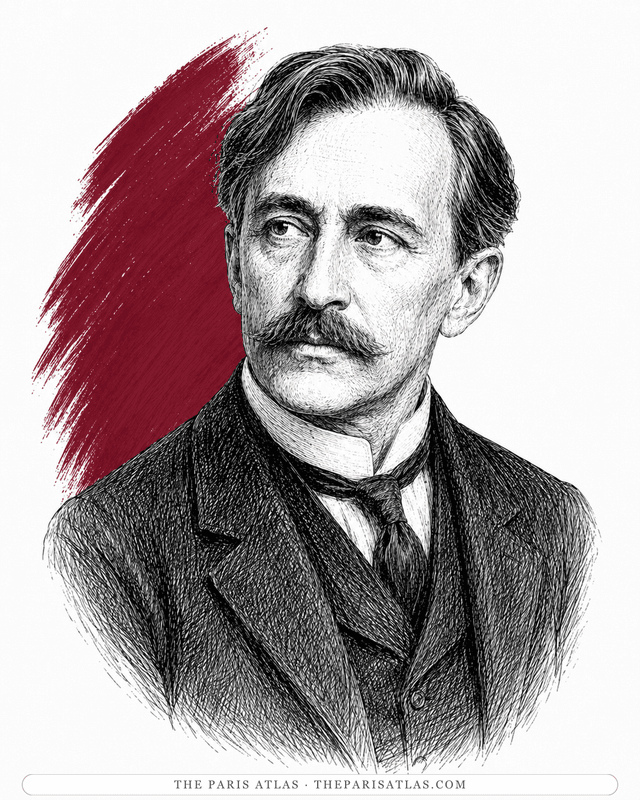
Henri Barbusse
The novelist of Le Feu — the Great War's first great trench book, written from the ranks at forty-one — and the standard both Céline and Hemingway measured war writing against.
View author