
Ernst Birkholz
The young veteran narrator who cannot simply resume school, family, or ordinary feeling after the Armistice.
To find an honest way to live that does not betray the dead or require him to become his prewar self.
The book

At a glance
- Narrator and veteran
- Village teacher
- Ludwig, Willy, Albert, and the company
Who they are in the book
Spoiler-freeErnst is observant, loyal, and deeply estranged from the civilian world he longed to see again.
Teaching eventually offers a way to act without pretending the past has disappeared.
How Ernst Birkholz Is Portrayed
- Reflective narratorHe tests civilian explanations against remembered experience.
- HauntedBattlefield memory enters sleep and waking life.
- Loyal friendHe keeps returning to the problems of the surviving group.
- Failed returnFamiliar places no longer provide familiar identity.
- Young teacherWork with children creates a practical responsibility.
- Modest resolveHe ends by choosing repair rather than declaring recovery.
After Ludwig and Georg die and Albert is imprisoned, Ernst rejects easy happiness but decides to continue working and building. The choice forms the book's limited hope.
If you like The Road Back


If you like Erich Maria Remarque
Explore authors with a similar voice, perspective, and influence.
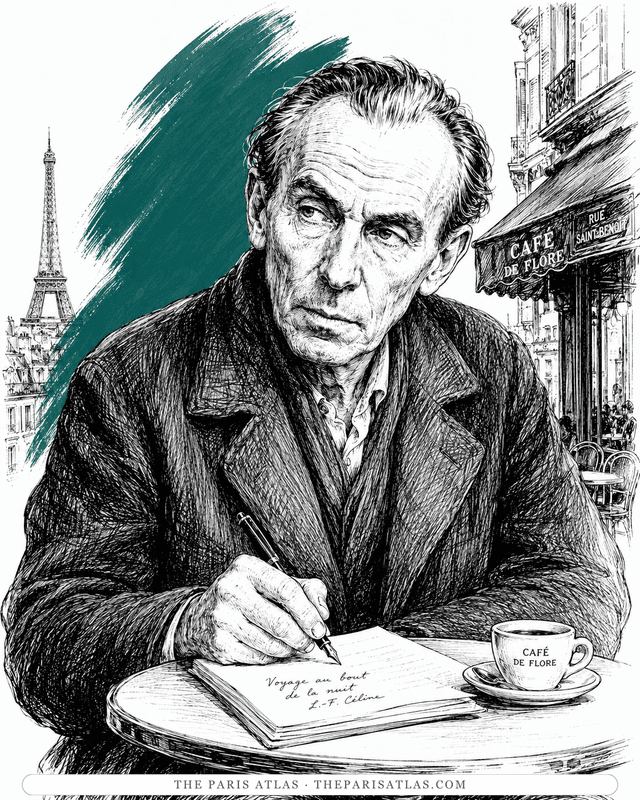
Louis-Ferdinand Céline
The doctor of the Paris slums who wrote the century's blackest, funniest novel — and changed the sound of French prose.
View author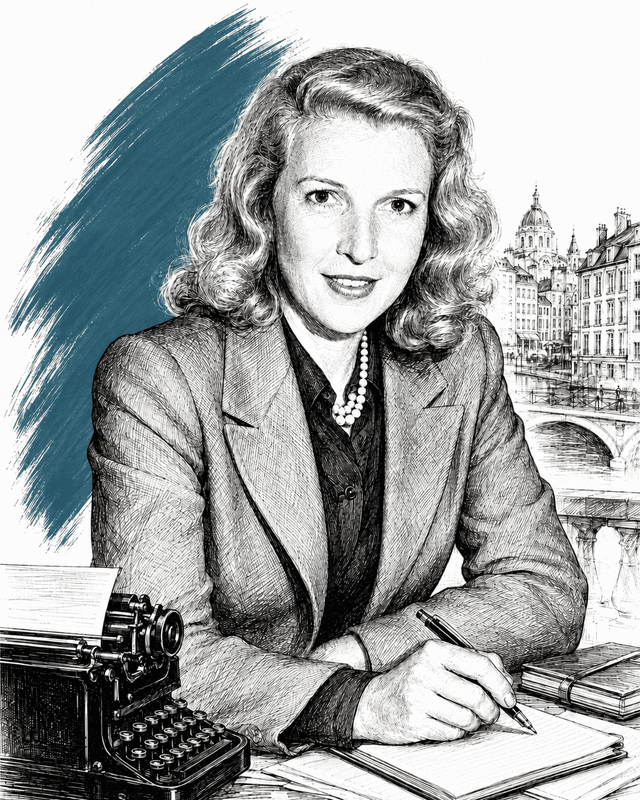
Martha Gellhorn
War correspondent who covered the Spanish Civil War, D-Day, and conflicts across five more decades; Hemingway's third wife, 1940–1945.
View author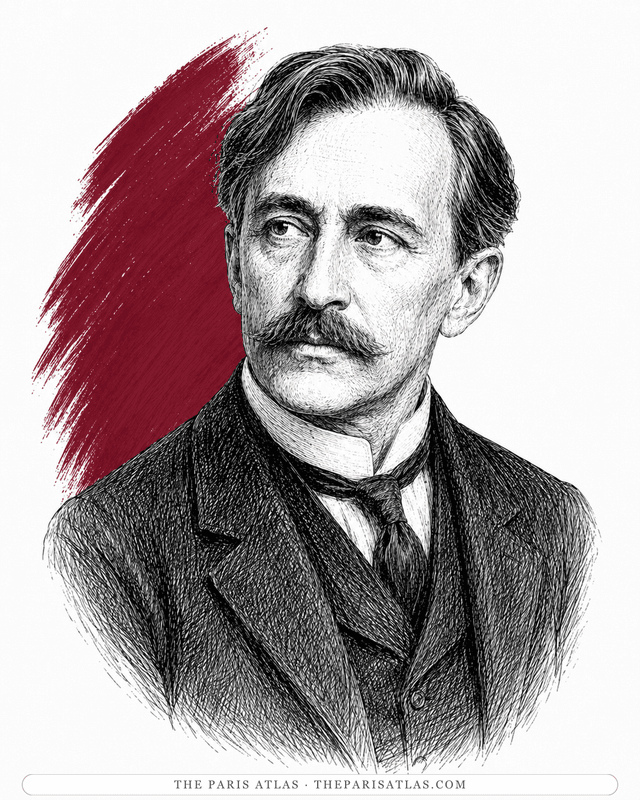
Henri Barbusse
The novelist of Le Feu — the Great War's first great trench book, written from the ranks at forty-one — and the standard both Céline and Hemingway measured war writing against.
View author