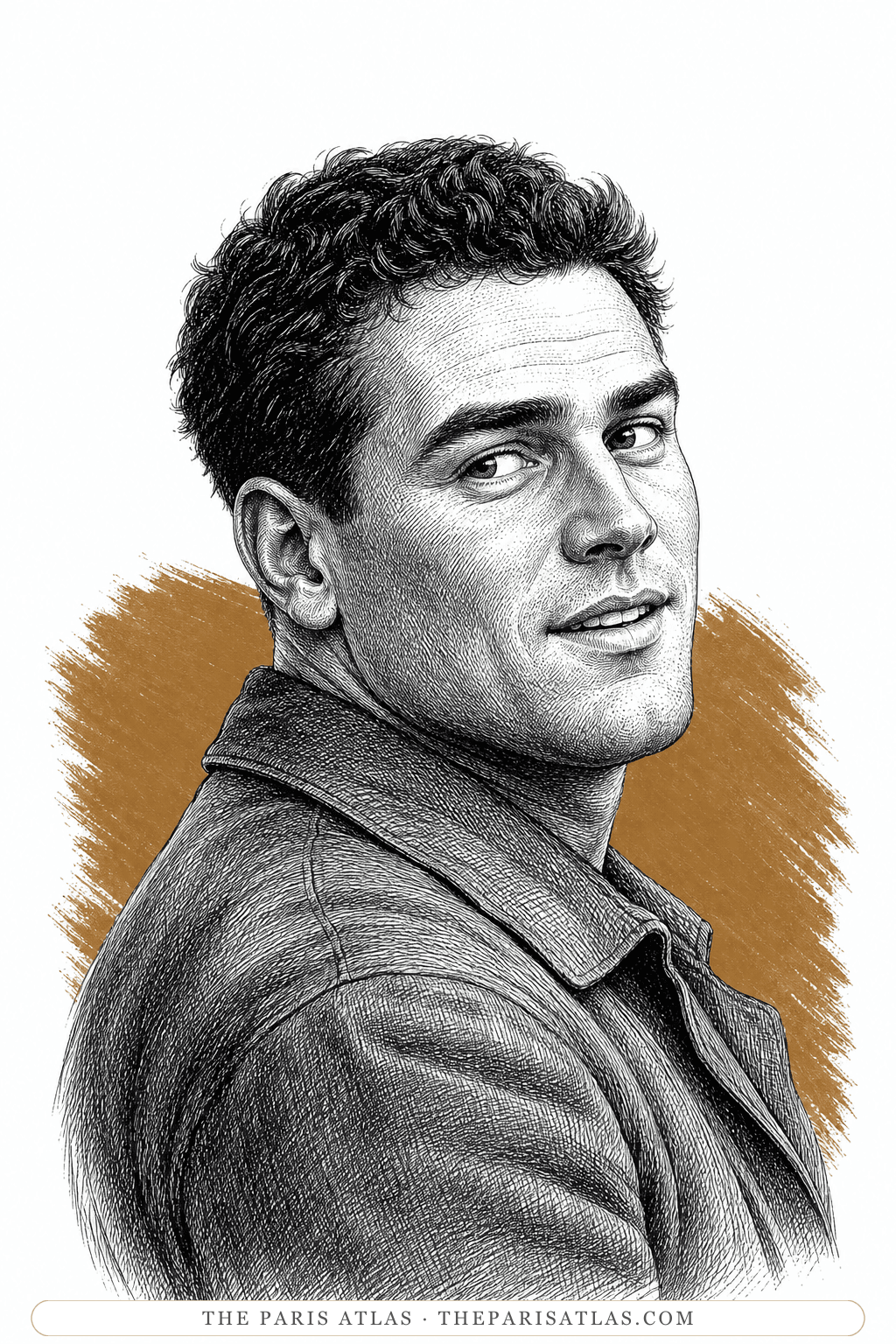
Willy Homeyer
An imposing, outspoken veteran who protects his friends and turns teaching into resistance to militarism.
To protect his comrades and give children a less dishonest education than his generation received.
The book

At a glance
- Veteran
- Teacher
- Ernst's company
Who they are in the book
Spoiler-freeWilly is physically strong, direct, and often quicker to act than Ernst.
His final educational commitment distinguishes love of home from slogans that prepare children for another war.
How Willy Homeyer Is Portrayed
- Powerful buildPhysical presence makes his interventions decisive.
- Direct speechHe has little patience for ceremony or euphemism.
- ProtectiveHe defends Ludwig during the revolutionary train encounter.
- Comic energyBlunt humor keeps the group connected.
- TeacherHe redirects authority toward children rather than soldiers.
- Anti-slogan patriotismHe defines homeland through lived places and people.
Willy survives. In the final woods scene, he resolves to teach children love of actual home rather than militarized political language.
If you like The Road Back


If you like Erich Maria Remarque
Explore authors with a similar voice, perspective, and influence.
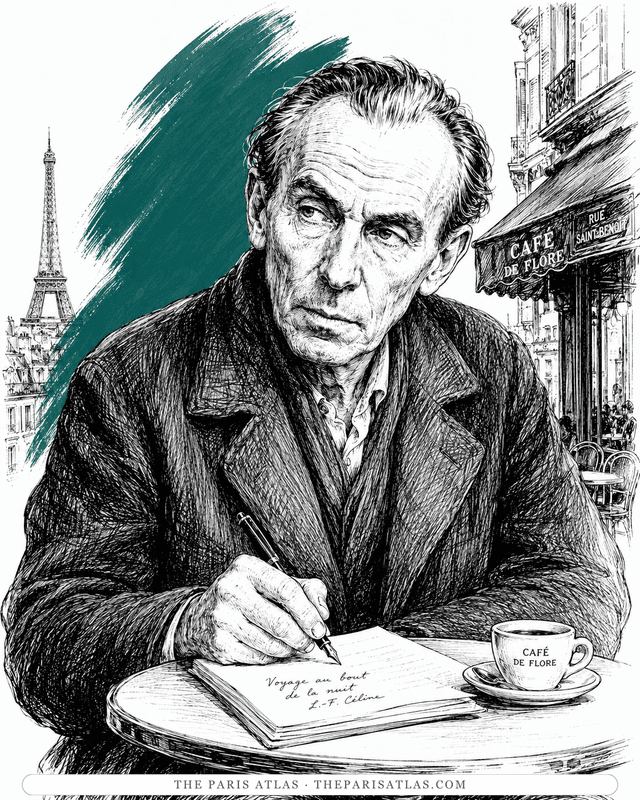
Louis-Ferdinand Céline
The doctor of the Paris slums who wrote the century's blackest, funniest novel — and changed the sound of French prose.
View author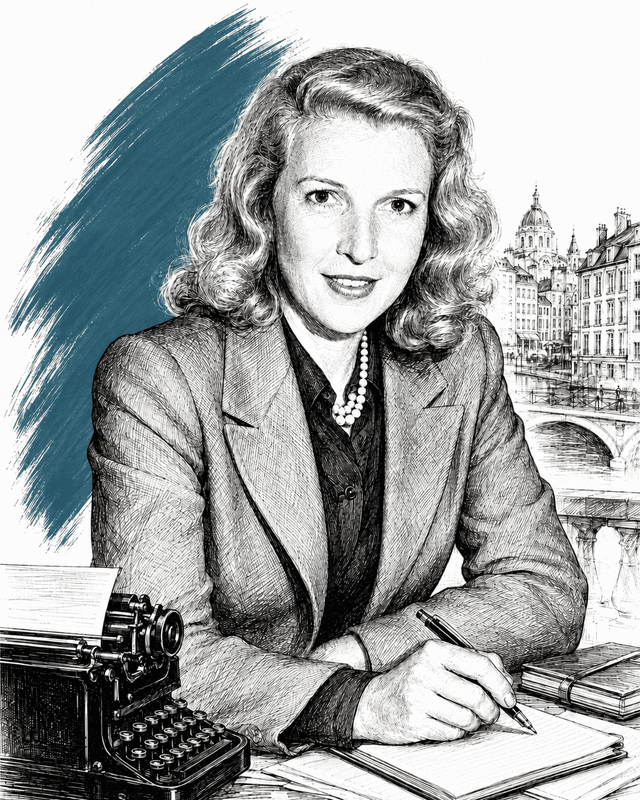
Martha Gellhorn
War correspondent who covered the Spanish Civil War, D-Day, and conflicts across five more decades; Hemingway's third wife, 1940–1945.
View author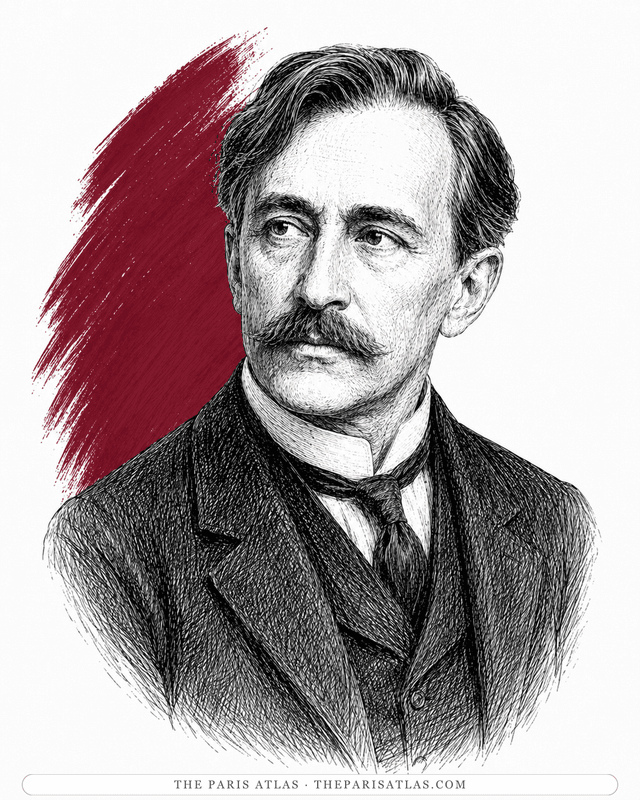
Henri Barbusse
The novelist of Le Feu — the Great War's first great trench book, written from the ranks at forty-one — and the standard both Céline and Hemingway measured war writing against.
View author