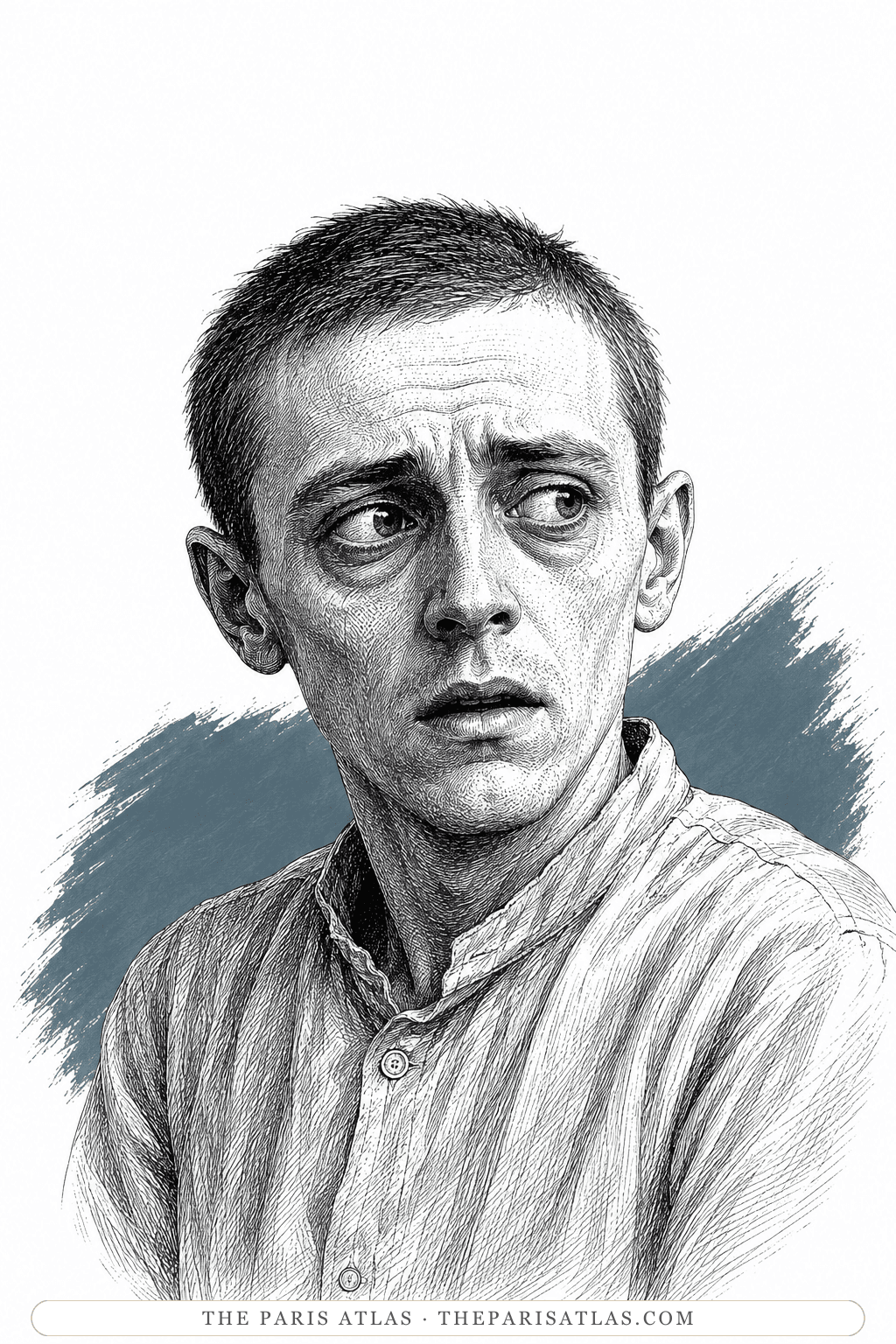
Gerhard Giesecke
A veteran confined because he repeatedly relives Fleury and cannot remain safely in the present.
To reach the battlefield again and make the memory stop governing the present.
The book

At a glance
- Veteran
- Psychiatric hospital
- Fleury
Who they are in the book
Spoiler-freeGiesecke's memory is not a story he tells voluntarily; the battlefield takes over his perception.
His desire to revisit Fleury shows his hope that an actual place might settle what recurrence has not.
How Gerhard Giesecke Is Portrayed
- Recurring terrorFleury returns as immediate experience.
- InstitutionalizedThe hospital manages danger more than meaning.
- Still a comradeFriends recognize the soldier inside the patient.
- Place-bound memoryA named battlefield organizes his distress.
Giesecke remains confined; the novel offers no simple visit or cure that resolves his recurring terror.
If you like The Road Back


If you like Erich Maria Remarque
Explore authors with a similar voice, perspective, and influence.
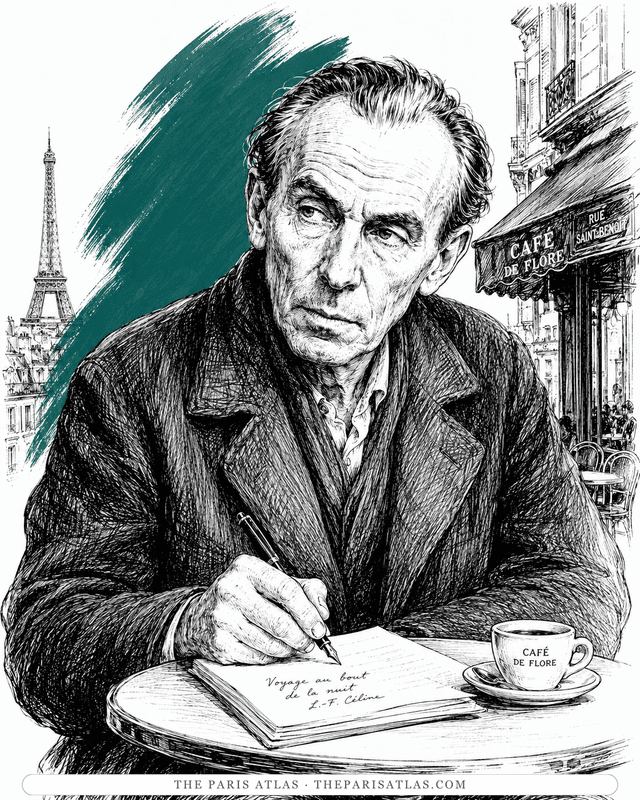
Louis-Ferdinand Céline
The doctor of the Paris slums who wrote the century's blackest, funniest novel — and changed the sound of French prose.
View author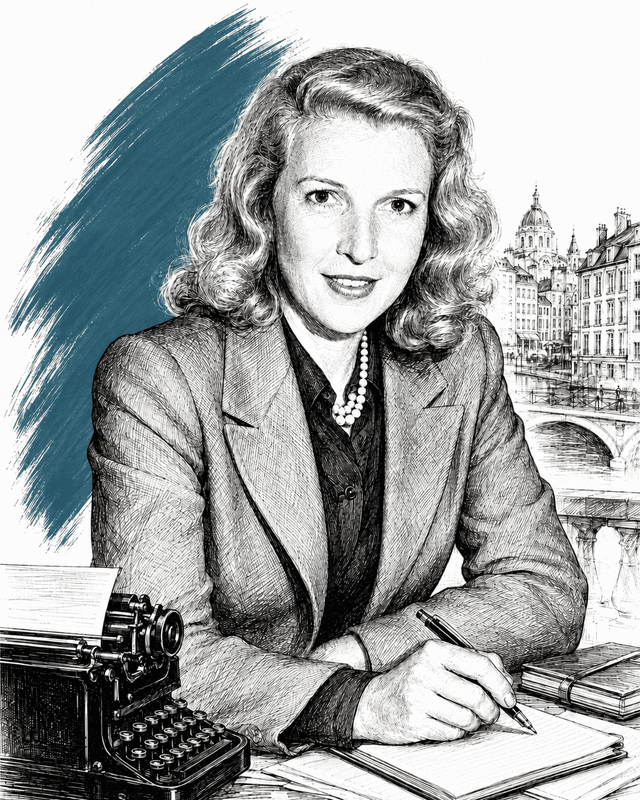
Martha Gellhorn
War correspondent who covered the Spanish Civil War, D-Day, and conflicts across five more decades; Hemingway's third wife, 1940–1945.
View author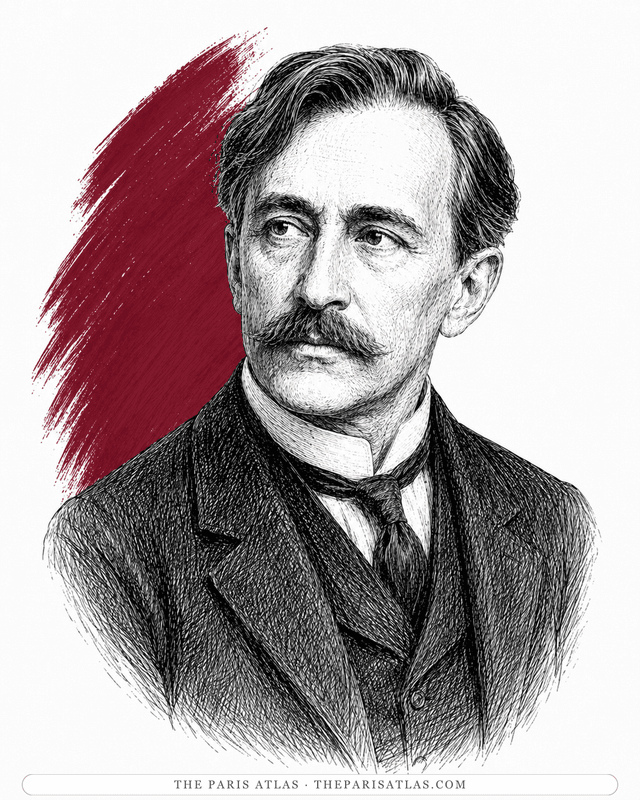
Henri Barbusse
The novelist of Le Feu — the Great War's first great trench book, written from the ranks at forty-one — and the standard both Céline and Hemingway measured war writing against.
View author