
Camille Gabrielle Genet
Genet’s absent biological mother, included only through the limited facts the narrator and historical record can support.
The book

At a glance
- Jean Genet’s biological mother
- Placed him in Assistance publique care as an infant
- Camille Gabrielle Genet · 1888–1919 · Paris, France
Who they are in the book
Spoiler-freeCamille Gabrielle Genet is the narrator’s absent biological mother. Historical records identify her as a young Parisian domestic worker or governess who placed her infant son in public care, but the book cannot supply her inner life.
Her absence belongs to Genet’s autobiographical origin story, yet the narrative does not reduce his adult identity to maternal abandonment. This profile keeps the distinction between what is documented and what the narrator later makes that absence mean.
How Camille Gabrielle Genet Is Portrayed
- Absent from the adult storyShe appears through records and remembered origins rather than through direct scenes with the narrator.
- A working Parisian womanThe verified occupational descriptions are domestic worker or governess; no detailed likeness is claimed.
- Limited by the evidenceThe book gives readers no reliable access to her motives or emotional experience.
- Part of a chosen mythologyGenet later makes abandonment central to the story of becoming an outsider, while the page preserves the limits of that interpretation.
She remains an absent biographical figure rather than an active participant in the adult narrative. The page does not invent motives or a precise visual likeness for her.
If you like The Thief’s Journal


If you like Jean Genet
Explore authors with a similar voice, perspective, and influence.
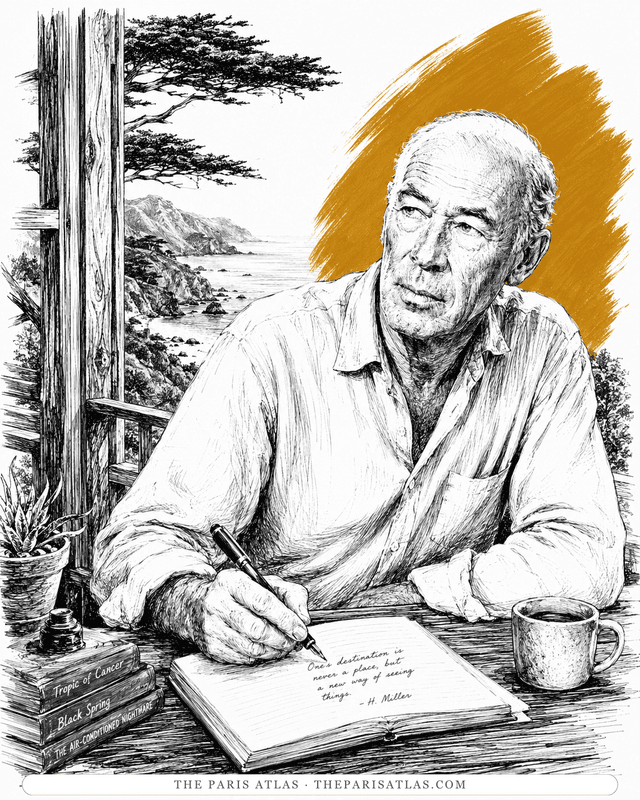
Henry Miller
The Brooklyn dropout who arrived in Paris broke at thirty-eight and wrote the exuberant, banned books that ended American censorship.
View author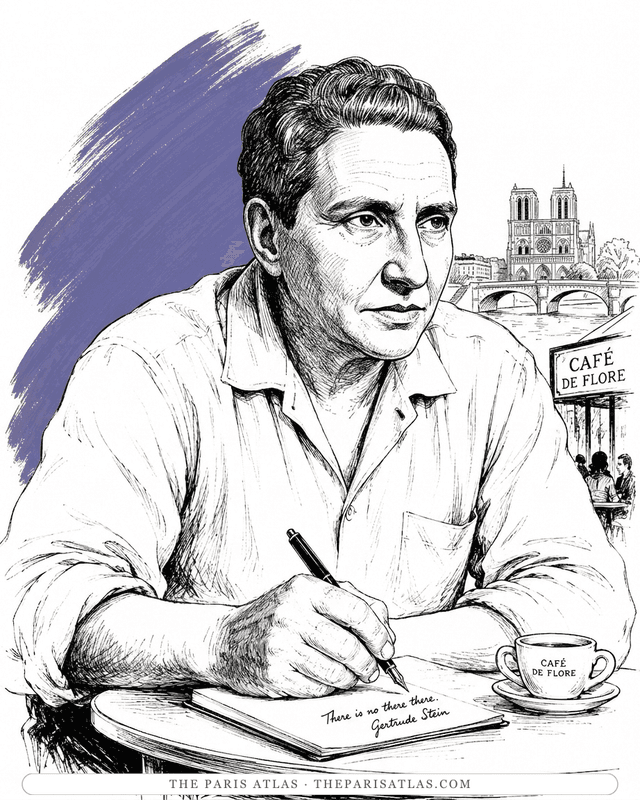
Gertrude Stein
Writer, collector, and host of the rue de Fleurus salon where modern art and the Lost Generation were curated in the same room.
View author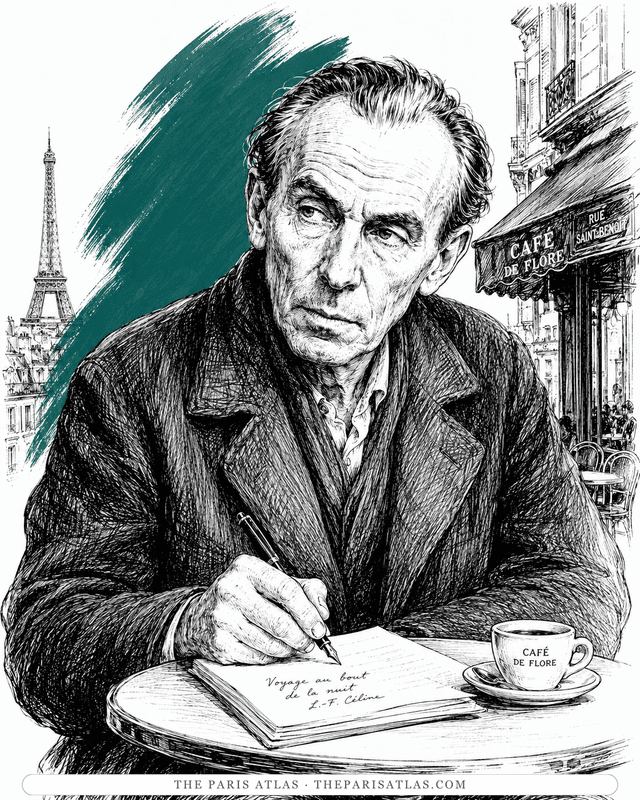
Louis-Ferdinand Céline
The doctor of the Paris slums who wrote the century's blackest, funniest novel — and changed the sound of French prose.
View author