Susan
A clergyman's daughter who loves and hates fiercely, hates school and cities, and wants the land and children of her own.
She wants one thing at a time, and above all a life on the land with a lover and children of her own.
The book
The Waves
Virginia Woolf
Who they are in the book
Spoiler-freeSusan is fierce, practical and tied to the countryside. She has green eyes that Bernard says poets will love. She gets the life she wants on a farm, and then finds it heavy. Herbert Marder links her to Woolf's sister, the painter Vanessa Bell.
How Susan Is Portrayed
- I love and I hateOn pages 12 to 14 she sees Jinny kiss Louis through the hedge. She screws her handkerchief into a ball and runs to the beech wood. She tells Bernard that she loves and she hates, and wants one thing only.
- Tearing off the daysOn pages 42 to 43 and 56 to 57, at school, she tears each day off the calendar and screws it up. She counts what is left until she can get off the train at home.
- Burying what she hatesOn pages 46 to 47, waiting her turn at tennis, she makes pebbles stand for people she hates and buries them. The first is Madame Carlo, for her fawning ways.
- The field at dawnOn pages 104 to 105, back at home, she gets up early and walks into the fields. She feels she is the field, the barn and the trees. She was sent to Switzerland to finish her education, and hated it.
- Waiting for the loverOn pages 105 to 106, not yet twenty, she expects a lover to come and stand under the cedar tree. She pictures children, a kitchen with hams and onions, and herself locking up the cupboards like her mother.
- At the farewell dinnerOn pages 142 to 143 she says the smell of carpets and scent disgusts her. She would rather walk through wet fields alone and watch her setter dog nose in a circle.
Percival loved Susan. She marries a farmer, has children, and sings them to sleep by the fire, glutted with what she calls natural happiness. In middle age she has everything she wanted and is sometimes sick of it. At Hampton Court she holds out her work-roughened hand as proof of her life.
If you like The Waves


If you like Virginia Woolf
Explore authors with a similar voice, perspective, and influence.
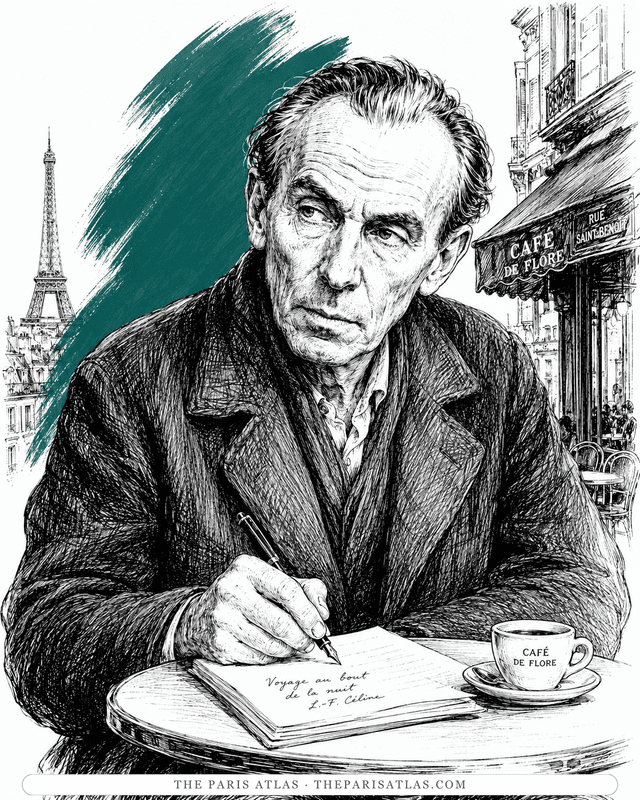
Louis-Ferdinand Céline
The doctor of the Paris slums who wrote the century's blackest, funniest novel — and changed the sound of French prose.
View author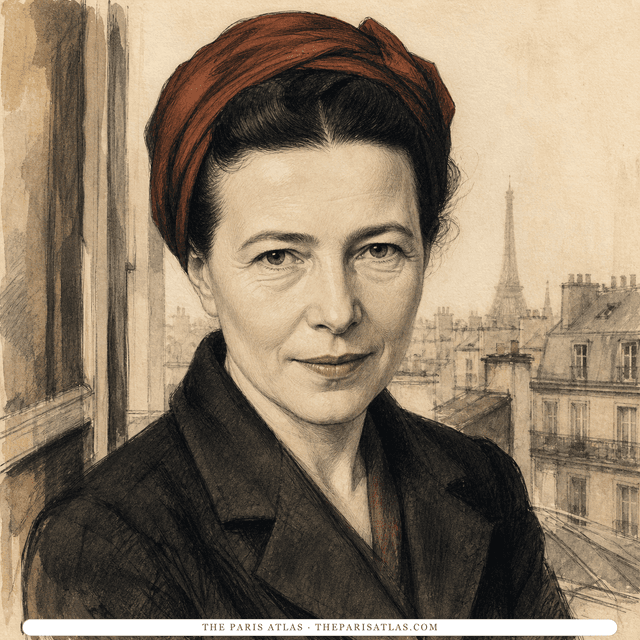
Simone de Beauvoir
French writer and philosopher whose novels, memoirs, and social analysis examined freedom, gender, responsibility, aging, and the material conditions that shape a life.
View author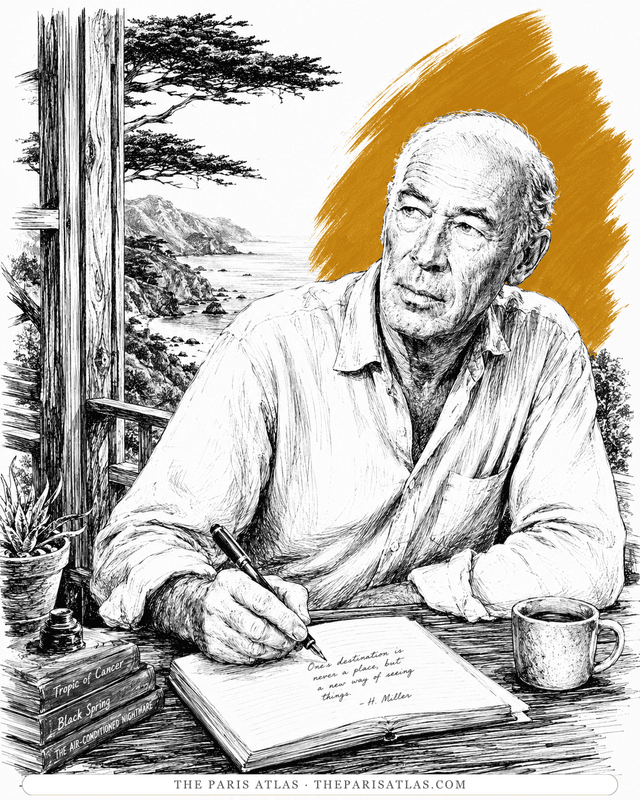
Henry Miller
The Brooklyn dropout who arrived in Paris broke at thirty-eight and wrote the exuberant, banned books that ended American censorship.
View author