Tuttomondo
by Keith Haring
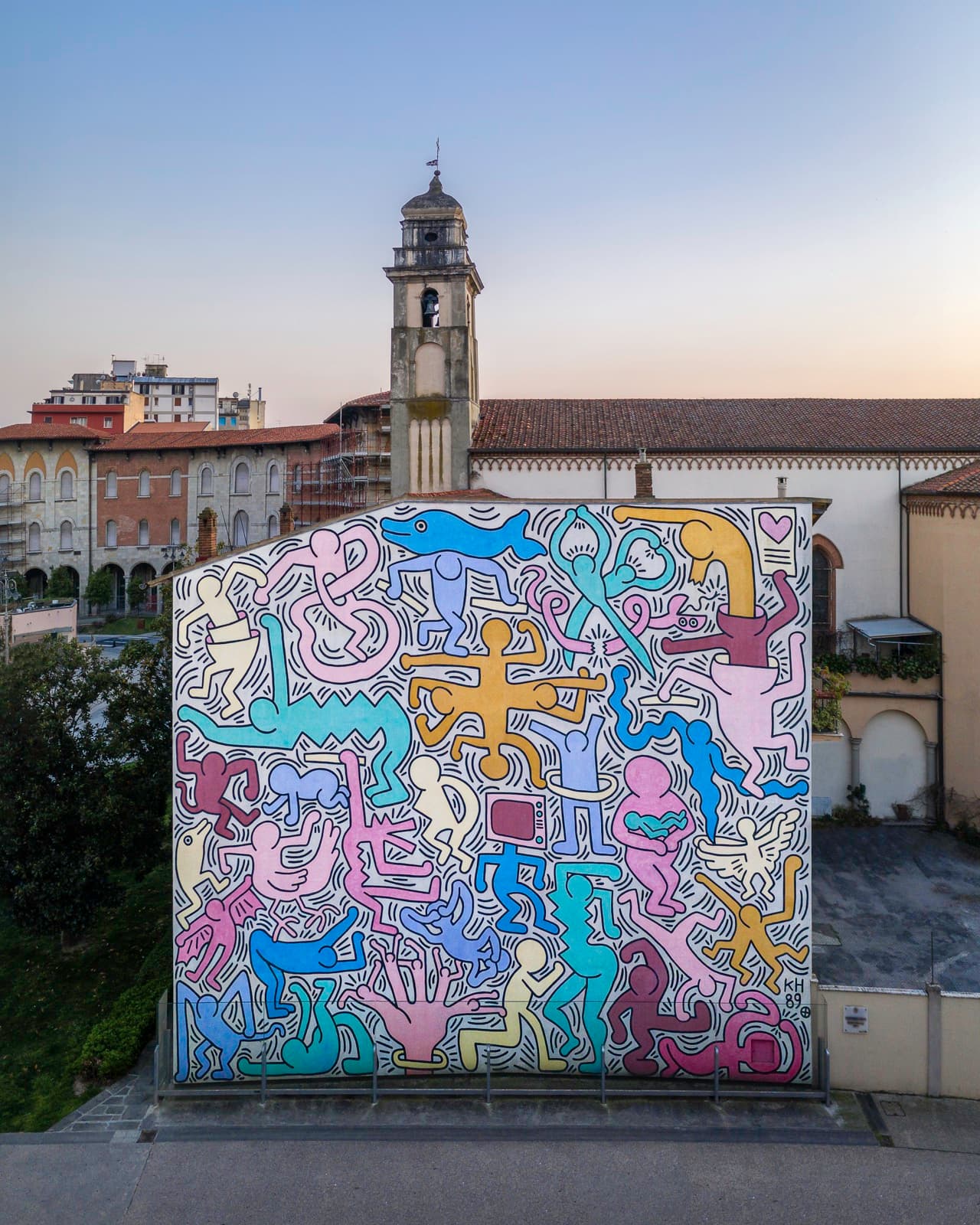
Thirty figures locked together like a puzzle across about 180 square metres of a church wall in Pisa, drawn in heavy black outline and filled with pink, lilac, ochre, blue, cream and dark red. Keith Haring painted it in 1989 on the south wall of the church of Sant'Antonio Abate and signed it KH 89 at the lower right. The Comune di Pisa records it as one of the very few outdoor public works he created for permanent display rather than as a temporary piece.
- 1989
- Acrylic tempera on the exterior south wall of the church of Sant'Antonio Abate
- Church of Sant'Antonio AbatePisa, Italy
About Keith Haring
What the mural shows
The wall is filled corner to corner. Thirty figures interlock with no gaps and no ground, each one outlined in black and coloured in a single flat tone. Short parallel strokes fill the spaces between the bodies, so the whole surface vibrates rather than resting.
The Comune di Pisa reads the subject as peace and harmony in the world, and says it can be followed through the links and divisions between the figures. The city names three of them. A pair of human scissors stands for solidarity in defeating the serpent, which is evil, and the serpent is already eating the head of the figure beside it. A woman with a baby in her arms stands for maternity. Two men supporting a dolphin refer to the relationship between people and nature.
All three are visible. A blue dolphin runs across the top of the wall with a lilac figure standing under it, arms up, carrying it on its back. Below and right of centre a large pink figure holds a small turquoise baby lying across both forearms. At the upper right an aqua figure is drawn as a pair of open scissors, two round finger loops above two long crossed blades, cutting into a coiling pink snake whose head has two round eyes.
Other figures are not part of the city's reading. A television set with a dark red screen, a pink casing and three round dials stands where one figure's head should be, on a blue body with its arms out. A cream figure at the right has two large wings. A framed panel at the top right carries a pink heart above four ruled lines, like a letter.
He toned the colour down for the town
Keith Haring's public walls are usually loud. The Comune di Pisa records that he did the opposite here, choosing subtle colours and toning down the violent colours that had always been characteristic of his work.
The city states where the palette came from: the colours of the buildings in Pisa and of the town generally, so that the mural would sit in harmony with its social and environmental setting. The pale pinks, lilacs, ochres and creams on the wall are close to the render and stone of the buildings standing beside it.
The paint is an acrylic tempera supplied by the Caparol Center, chosen because it keeps its colour for a long time.
It took a week, and most of his murals took a day
The Comune di Pisa is precise about the making. He spent a full week on it, against the one or two days he took over most other murals, because this one was meant to stay.
On the first day he worked alone and without any preparatory sketches, and drew the black outline. For the rest of the week students and craftsmen from the Caparol Center helped him fill the outlines in.
The idea came about by chance. The city records that a young student from Pisa met Keith Haring in the street in New York, and that the mural followed from that meeting.
Karen Chernick names the student in Art & Object: Piergiorgio Castellani, then nineteen, who stopped Keith Haring on a sidewalk in the East Village during the winter break of 1988. He told him he admired the work and asked him to make something in Pisa. That account dates the finished mural to June 1989.
The scissors were a motif he used elsewhere
The pair of human scissors on the Pisa wall is not unique to it. Keith Haring drew the same device — scissors with figures for handles, closing on a serpent — in two other works of 1989.
One is the mural he painted in the Raval quarter of Barcelona in the same year, where the blades cut the snake whose coils spell SIDA. The other is a poster held by the Wellcome Collection in London, made for an AIDS-benefit gala at the Raimund Theatre in Vienna on 27 June 1989, which carries the scissors, the serpent and the words Stop AIDS.
The Comune di Pisa reads the Pisan scissors as solidarity defeating evil, and does not connect them to AIDS. The two other uses of the same device are AIDS campaigning and are dated to the same year.
Made to stay
Almost everything Keith Haring drew in public was temporary by design. The subway drawings of 1980 to 1985 lasted until the advertising space sold again. Most of the murals were painted for an occasion and expected to go.
The Comune di Pisa sets Tuttomondo against that. It calls the mural one of the very few outdoor public works he created for permanent display, not ephemeral and not destined to serve as one in a series of temporary mass communications.
He had been diagnosed with AIDS the year before he painted it. He died of AIDS-related illness on 16 February 1990, at thirty-one.
Close reading
Reading the work, detail by detail
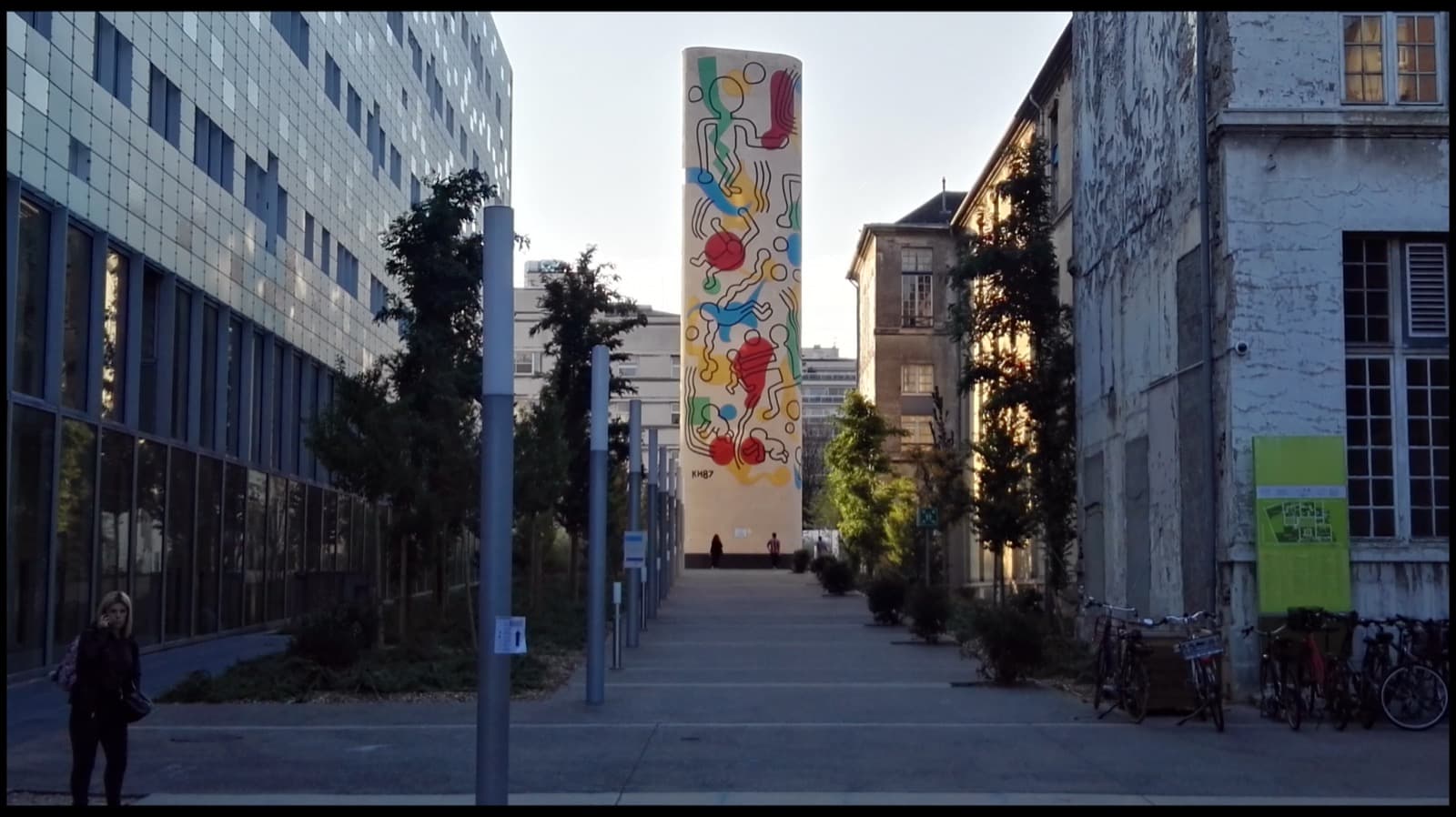
The reproduction is taken from above and slightly to the side, so the whole south wall is in frame together with the church's bell tower and the buildings around it. That is the right distance for seeing how the thirty figures interlock, and it means the close views have to work hard to reach any single one.
1.A blue dolphin is carried across the top
A blue dolphin runs across the top of the wall, snout to the left, with one round eye drawn in. A pale lilac figure stands beneath it with both arms up, carrying it across its shoulders. The Comune di Pisa reads the group as the relationship between people and nature.
2.One figure is a pair of scissors
An aqua figure is drawn as an open pair of scissors, two round finger loops above two long crossed blades. The blades close on a coiling pink form below. The Comune di Pisa calls the figure the human scissors and reads it as solidarity defeating the serpent.
3.The serpent has already got a head
The pink form the scissors are cutting has a head of its own, with two round eyes. The Comune di Pisa states that the serpent is already eating the head of the figure next to it. Both bodies are drawn in the same weight of line.
4.A framed panel carries a heart
A rectangular panel is drawn in outline near the top right corner. A pink heart sits inside it above four ruled horizontal lines, like a letter with a heart at the head. An ochre figure bends beside it.
5.One figure has a television for a head
A television stands where one figure's head should be. The screen is dark red, the casing pink, and three round dials sit at the right with a column of small buttons beside them. The blue body below has its arms out and its legs apart.
6.A figure holds a baby across both arms
A large pink figure stands holding a small turquoise infant across both forearms. The infant is drawn on its side with its legs bent. The Comune di Pisa identifies the pair as the woman with a baby in her arms, standing for maternity.
7.One figure has wings
A cream figure at the right carries two large wings spread wide on either side of its body. The head and limbs are drawn exactly as every other figure's are. It is the only winged body on the wall.
8.He signed it KH 89
The characters KH sit above 89 at the lower right, painted small in black in a gap between an ochre figure and the edge of the wall. They are the only lettering on the mural.
9.The wall belongs to a church
The stone bell tower of the church rises directly behind the painted wall, with an open belfry and a weathervane on top. A tiled roof and an arcaded cornice run between them. The mural is on the side of a working church.
10.The palette is the palette of the street
The left edge of the mural meets the rendered fronts of the buildings beside it. The pale pinks, ochres and creams of the figures sit in the same range as the walls around them. The Comune di Pisa records that Keith Haring took the palette from the colours of the town.
Timeline
1980
Begins the subway drawings in New York, which the Comune di Pisa takes as the start of his public work.
1988
Diagnosed with AIDS.
1989
Paints Tuttomondo on the south wall of the church of Sant'Antonio Abate in Pisa over a week, and signs it KH 89.
1989
Establishes the Keith Haring Foundation to fund AIDS organizations and children's charities.
1990
Dies of AIDS-related illness on 16 February, aged 31.
Where to see it
Church of Sant'Antonio Abate
Pisa, Italy
A public viewing address has not yet been confirmed for this holding.
A mural on the exterior wall of a working church, not a museum object. The Comune di Pisa's own page on it now returns an error and survives through the Internet Archive.
Frequently asked questions
Where is Tuttomondo?
On the exterior south wall of the church of Sant'Antonio Abate in Pisa, Italy, facing an open space beside the building. It is outdoors on a church wall rather than in a museum, and can be seen from the street at any time.
How big is Tuttomondo and how many figures does it have?
The Comune di Pisa gives about 180 square metres and thirty figures, fitted together like a puzzle across the wall.
What does Tuttomondo mean?
All-world, or whole-world, in Italian. The Comune di Pisa reads the subject as peace and harmony in the world, followed through the links and divisions between the thirty figures.
How long did Keith Haring take to paint Tuttomondo?
A week, where most of his murals took one or two days. He drew the black outline alone on the first day, without preparatory sketches, and students and craftsmen from the Caparol Center helped him fill the outlines in over the rest of the week.
What paint is Tuttomondo made with?
An acrylic tempera supplied by the Caparol Center, which the Comune di Pisa records was chosen because it keeps its colour for a long time. The mural was made for permanent display, so durability was part of the brief.
Why are the colours of Tuttomondo so pale?
Because Keith Haring matched them to Pisa. The Comune di Pisa records that he chose subtle colours and toned down the violent colours characteristic of his earlier work. The city says he took the palette from the colours of the town's buildings, so that the mural would sit in harmony with its setting.
More by Keith Haring

If you like Keith Haring
Explore painters from the same movements and circles.
Tarsila do Amaral
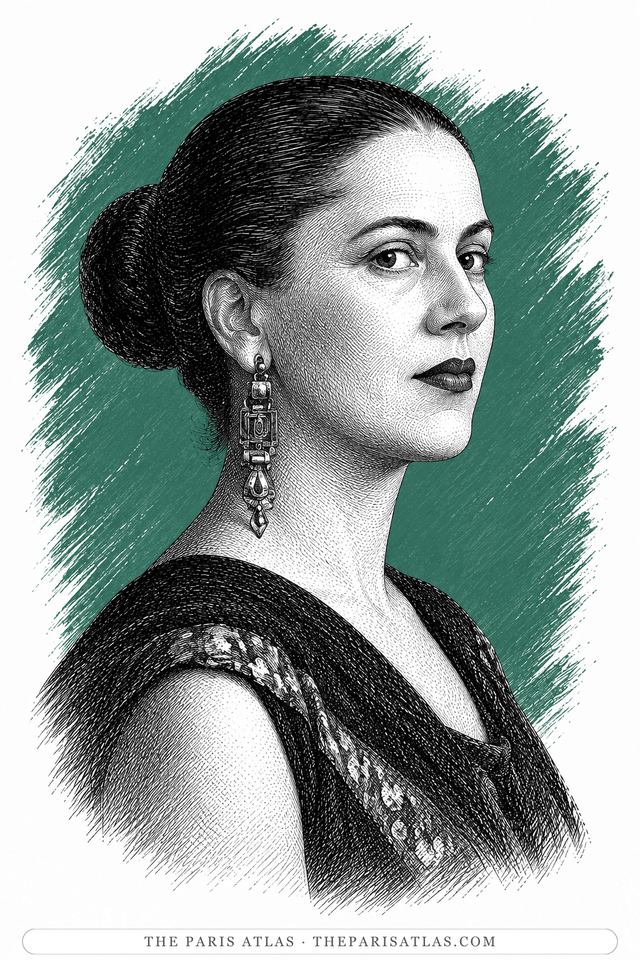
Brazilian painter who spent the 1920s moving between São Paulo and Paris, studied Cubism under André Lhote, Albert Gleizes and Fernand Léger, and used what she learned to paint Brazilian towns, railways, plants and bodies. Her 1928 painting Abaporu prompted the manifesto that gave the Anthropophagic movement its name.
View artist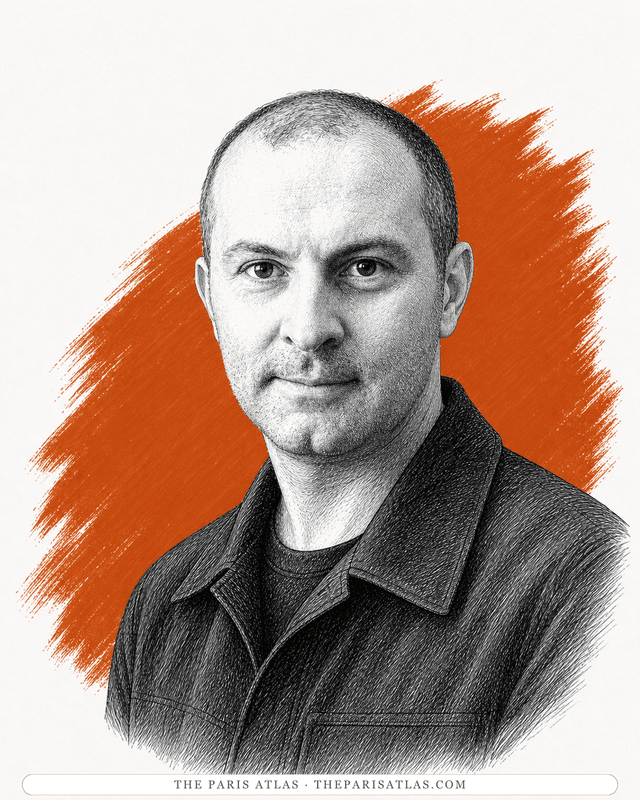
Arman
French-American artist, lifelong friend of Yves Klein, and a founder of New Realism.
View artist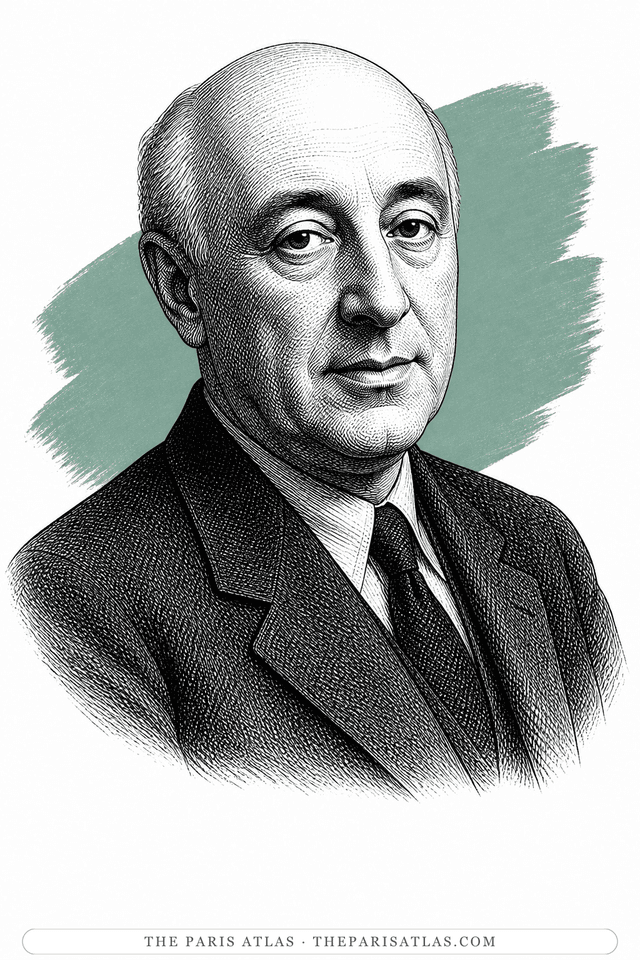
Jean Arp
Strasbourg-born sculptor and poet — Hans in German, Jean in French, both all his life — who co-founded Dada at the Cabaret Voltaire in 1916, composed collages by dropping torn paper 'according to the laws of chance', and settled at Meudon outside Paris in a house his wife Sophie Taeuber-Arp designed.
View artist
References
The sources below include collection records, catalogues, scholarly research, and primary materials that informed this page. They document Tuttomondo, its making, and its place in cultural history.


1The Mural of Keith Haring: Tuttomondo, archived 18 October 2018
Official recordComune di Pisa, via the Internet ArchiveUsed forThe city's own account: thirty figures, 180 square metres, the south wall, the scissors, the mother and child, the dolphin, the acrylic tempera, the week of work and the permanent intent.

2Keith Haring — official biography
WebsiteThe Keith Haring FoundationUsed forThe subway drawings, the AIDS diagnosis, the foundation and his death.
3Tuscan Winery Toasts 30th Anniversary of Keith Haring's Last Mural
PeriodicalArt & Object, 2019Used forNames Piergiorgio Castellani, then nineteen, and the East Village meeting of winter 1988; dates the finished mural to June 1989. Its '180-meter' is a slip for the 180 square metres the Comune di Pisa gives.
4Scissors with figures as handles cutting through a serpent, 'Stop AIDS', poster for the It's Time To Say We Care gala, Vienna, reference 675151i
Official recordWellcome Collection, London, 1989Used forThe same scissors-and-serpent device on a Keith Haring poster of 1989, for an AIDS-benefit gala in Vienna.
These references provide the documented foundation for this work's history and interpretation. Claim-level citations remain attached to the specific claims they support.
 Explore more resources