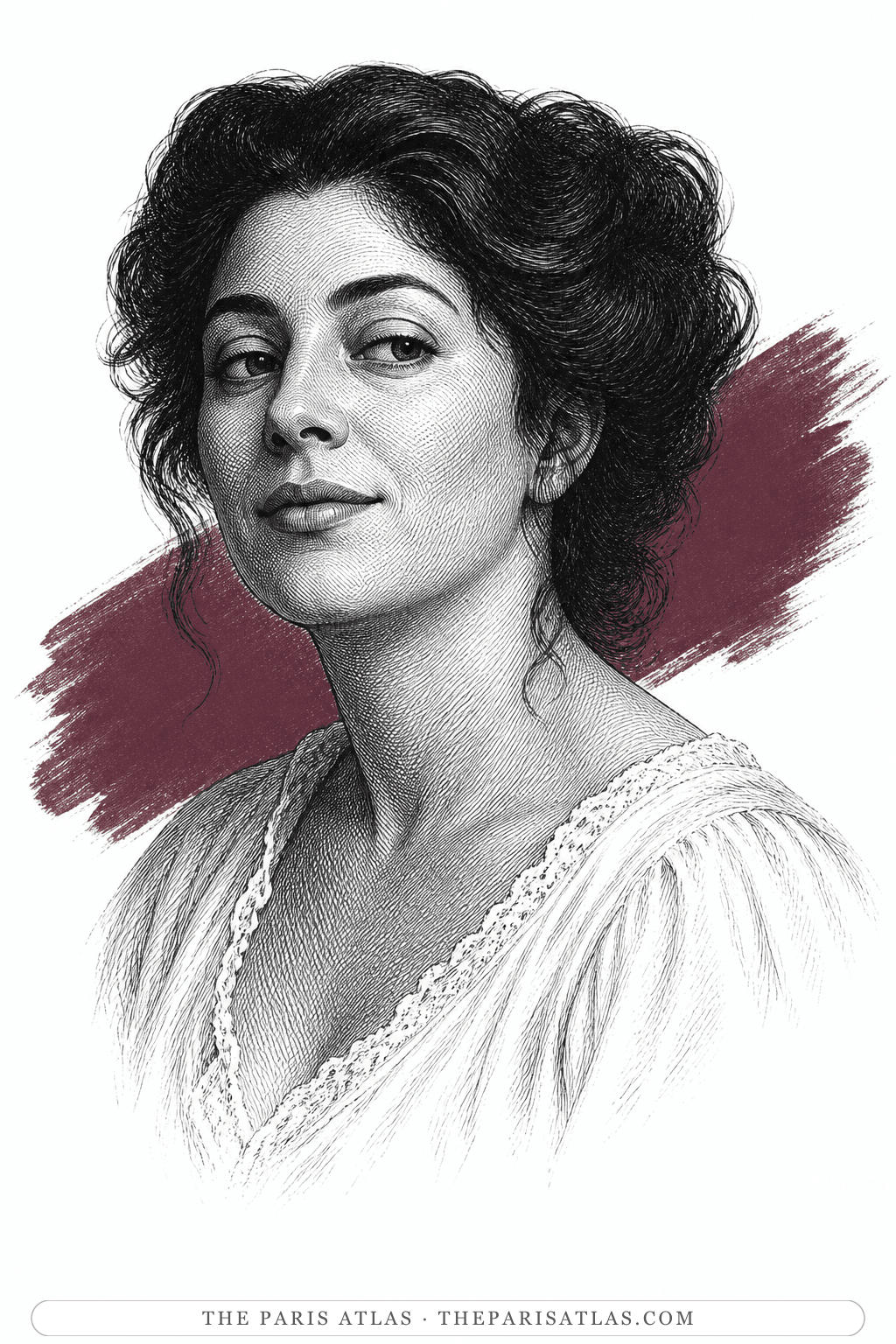
Molly Bloom
Leopold Bloom's wife, a professional singer born in Gibraltar. She is in bed for almost the whole book and speaks last: the closing forty pages are her thoughts, printed with almost no punctuation.
To be understood by somebody and told so. Remembering the afternoon her husband Leopold Bloom proposed to her on the cliffs at Howth, she gives her reason for saying yes: "that was why I liked him because I saw he understood or felt what a woman is". Her section of the book is printed without punctuation, so there is no sentence end to quote to.
The book

At a glance
- Concert soprano; performs under her maiden name as Madam Marion Tweedy
- Gibraltar, daughter of Major Brian Cooper Tweedy, who rose from the ranks
- Thirty-two; she notes that she will be thirty-three in September
- Leopold Bloom, in 1888 — sixteen years, as she counts it that night
- Milly, 15, working for a photographer in Mullingar; Rudy, who died at eleven days old
- Singing at the Ulster Hall, Belfast, on the twenty-fifth
- One morning scene, one afternoon appointment, and the last forty pages, which are entirely hers
Who they are in the book
Spoiler-freeMarion Bloom, called Molly, is a concert soprano who sings under her maiden name, Madam Marion Tweedy. She was born and raised in Gibraltar, the daughter of an army officer, Major Brian Tweedy, and came to Ireland as a young woman; she married Leopold Bloom in 1888 and has lived in Dublin ever since. She will be 33 in September. She has an engagement to sing at the Ulster Hall in Belfast on the twenty-fifth, and a tour is being got up for her by a Dublin concert promoter, Blazes Boylan.
For most of Ulysses she is upstairs. Her husband brings her tea and bread and butter on a tray in the morning, and she sends him back down to scald the pot; she asks him what the word metempsychosis means and is not satisfied with the answer; she wants another novel by Paul de Kock. At four o'clock Boylan calls at the house with the concert programme, and the affair between them, which her husband has been aware of all day, becomes a fact rather than a fear.
Then Joyce hands her the last forty pages. Lying awake beside her husband after he has come home and gone to sleep, she thinks — about Boylan, about Bloom, about money, dresses, her daughter, the baby who died, the men she knew in Gibraltar, and one young man she saw years ago and might see again. Joyce prints it with almost no punctuation and no paragraph breaks, so it arrives as one continuous run without stops, and the effect is less difficult than it looks: read at speed it sounds like somebody talking.
How Molly Bloom Is Portrayed
- Where she is for almost the whole bookIn bed at 7 Eccles Street, on a brass bedstead brought over from Gibraltar whose loose fittings jingle whenever she moves. Her first words in the novel are a grunt through a closed door. Her second are an order: "—Hurry up with that tea, she said. I'm parched."
- The word she asks aboutShe has found the word metempsychosis in a novel and marked the place with a hairpin for her husband to explain. He starts on the transmigration of souls and the ancient Greeks. She cuts him off: "—O, rocks! she said. Tell us in plain words." It arrives in the fourth chapter of a very difficult book, and reads like an instruction Joyce is giving himself.
- What she singsHer programme for the Belfast concert is the duet "Là ci darem la mano" from Mozart's Don Giovanni, with a tenor named J. C. Doyle, and a Victorian parlour ballad, "Love's Old Sweet Song". Her husband, who is not sentimental about her voice, files her as a good enough soprano for a small ballad.
- How the last section is printedRoughly forty pages containing two full stops, one apostrophe and no commas at all. Words like dont and wouldnt and Ill run together unpunctuated; names keep their capitals and nothing else does. It is set as eight blocks of text with no dialogue and no scene breaks. Readers who try to parse it sentence by sentence struggle, because there are no sentences; readers who go at it fast generally do not.
- GibraltarHer childhood on the Rock is the fullest account of anywhere outside Dublin in the whole novel: the levanter wind, the fowl market, the auctions in the morning, the sentry outside the governor's house half roasted in his helmet, the figtrees in the Alameda gardens, and a young lieutenant called Mulvey, the first man she was with.
- What she makes of her husbandMixed, and specific. She is exasperated by his schemes, his lost jobs and his mooching about for advertisements, and suspects he has been writing to some woman. She also notes, twice, that he is polite to old women and to waiters and beggars, and says she likes that in him.
- Part of why no British or American publisher would touch the bookHer period starts while she is lying there thinking, and she gets up in the middle of a thought to use the chamber pot, still thinking. That a novel would put this on the page at all was one of the specific reasons Ulysses could not be published in Britain or America in 1922.
- The young man she has heard aboutHer husband has come home talking about a young poet he met. She works out that she saw him years ago as a small boy in a Lord Fauntleroy suit, and that she used to sing with his father. By the end of the night she has decided to buy flowers, clean the piano keys with milk, and take Italian lessons from him.
Joyce wrote to his friend Frank Budgen that the final episode has no beginning, middle or end, and that it begins and ends with the word yes. The voice owes a great deal to his wife, Nora Barnacle, whose letters run on without punctuation and decline to be impressed by him. Gibraltar he had never seen, and built out of books. Molly has been argued over ever since: an insult to women, a rebuke to the two men who spend the novel thinking instead of living, or simply the only person in the book who sleeps well.
If you like Ulysses


If you like James Joyce
Explore authors with a similar voice, perspective, and influence.
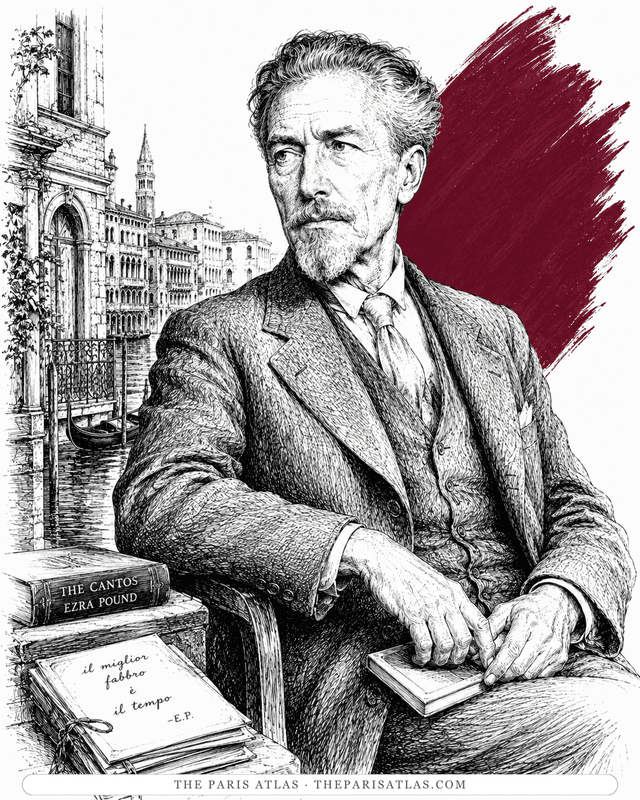
Ezra Pound
The impresario who dragged Joyce's early books into print, brought him to Paris, and championed Ulysses until the world caught up.
View author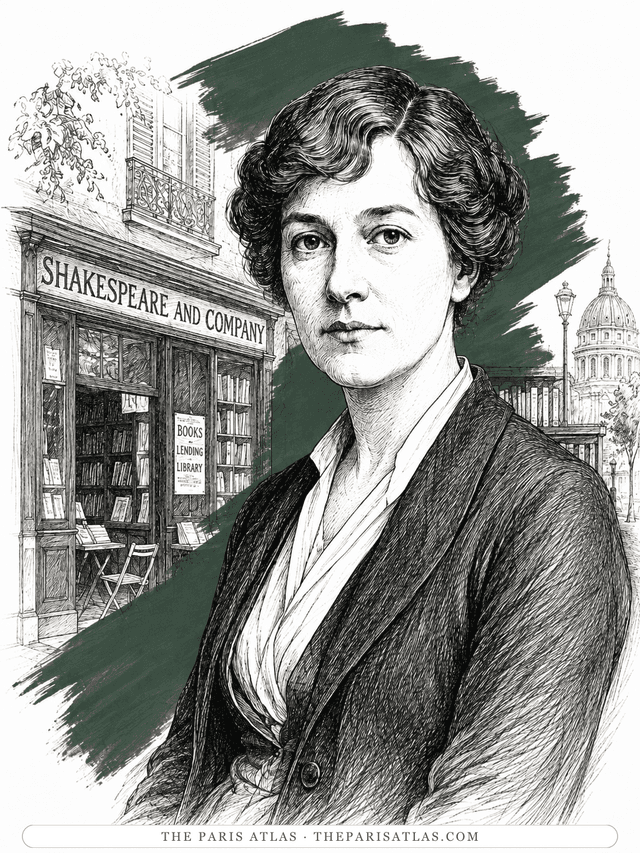
Sylvia Beach
His publisher of last resort and first devotion — the bookseller who printed Ulysses when no one else would.
View author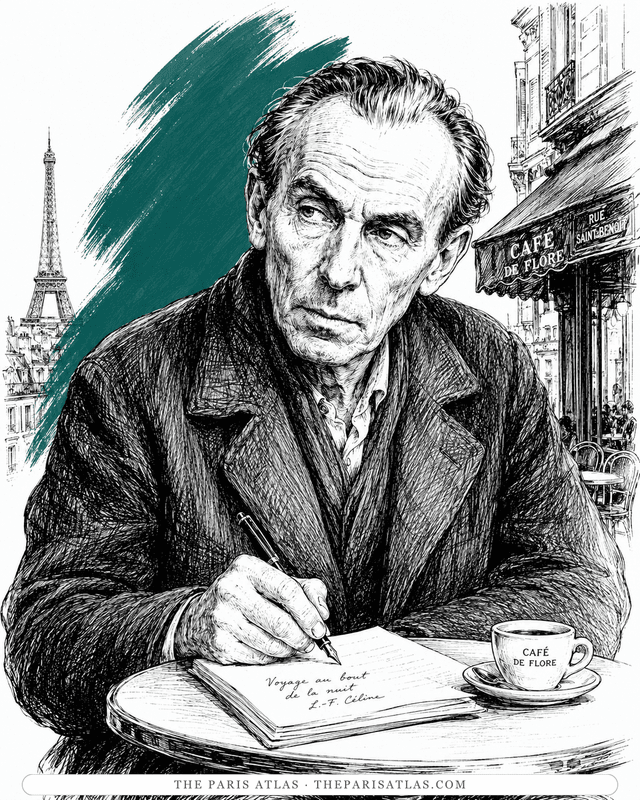
Louis-Ferdinand Céline
The doctor of the Paris slums who wrote the century's blackest, funniest novel — and changed the sound of French prose.
View author