Colonel Arbuthnot
The British officer back from India, the only pipe smoker on the train, who sat up late with the secretary and would rather not discuss Mary Debenham.
To see the thing done, and to keep Mary Debenham out of it if he can.
The book
Murder on the Orient Express
Agatha Christie
At a glance
- British Army officer, compartment No. 15
- Part One from the first chapter; Part Two, chapter 8; Part Three
Who they are in the book
Spoiler-freeColonel Arbuthnot is the plain-spoken Englishman of the coach, home from India by way of Iraq, and he does not like foreigners asking questions. He is Hector MacQueen's alibi for most of the night, having sat with him talking politics until well past one. A pipe cleaner found in the dead man's compartment is his brand, and he says so at once.
He is at his best when he loses his temper. When Poirot presses Mary Debenham he interrupts, and the interruption is the most revealing thing he says. Christie writes him as a type and then lets the type crack.
How Colonel Arbuthnot Is Portrayed
- The pipeThe only one on the train, and the pipe cleaner in Ratchett's compartment is the clue meant for him.
- The alibiTalked with MacQueen until a quarter to two, the pair of them seen by the conductor when they parted.
- The bearingTall, spare, sunburned, and impatient with a Belgian's interest in his private life.
- The trial by juryAsked what he thinks of private vengeance, he says he believes in trial by jury. Poirot remembers the phrase.
- The interruptionHe breaks into Mary Debenham's questioning to defend her, and the defence gives away how well he knows her.
- The friendHe admits to having known Colonel Armstrong in the war, and then admits nothing else.
Arbuthnot had been Colonel Armstrong's friend and fellow officer. His remark about trial by jury was literal: twelve people stabbed Ratchett, one each, as a jury of twelve. He was one of them.
If you like Murder on the Orient Express


If you like Agatha Christie
Explore authors with a similar voice, perspective, and influence.
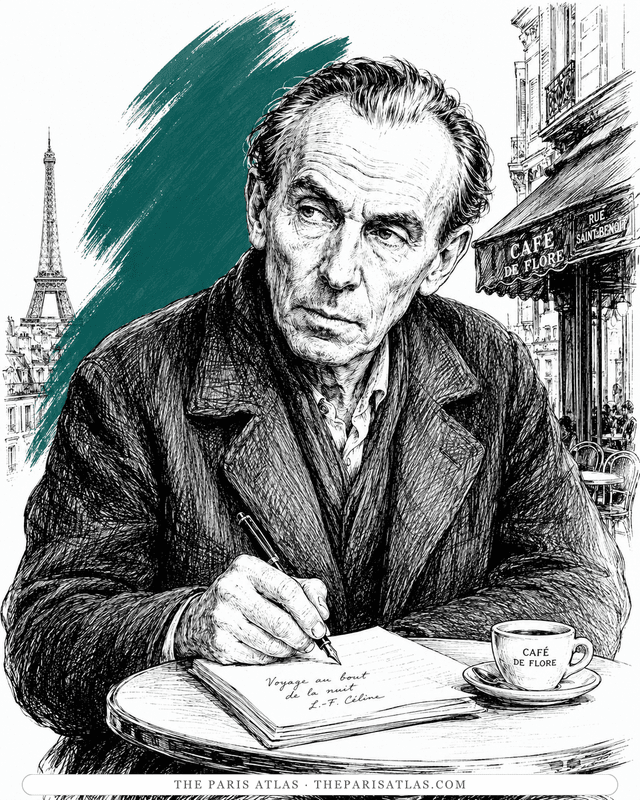
Louis-Ferdinand Céline
The doctor of the Paris slums who wrote the century's blackest, funniest novel — and changed the sound of French prose.
View author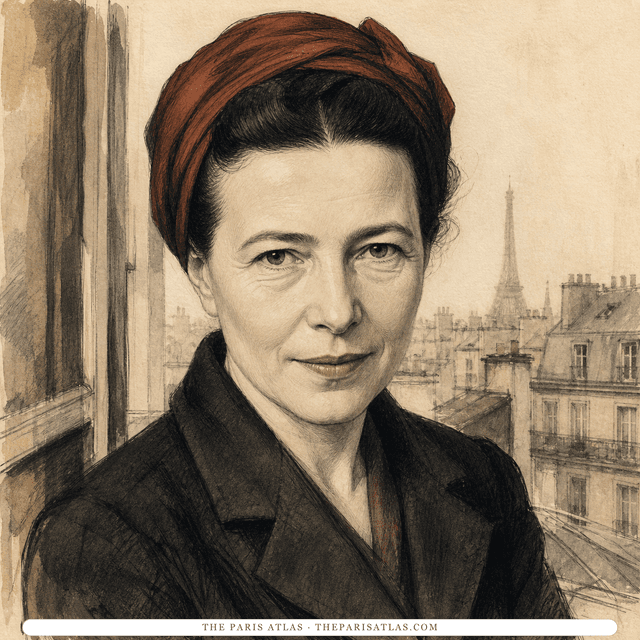
Simone de Beauvoir
French writer and philosopher whose novels, memoirs, and social analysis examined freedom, gender, responsibility, aging, and the material conditions that shape a life.
View author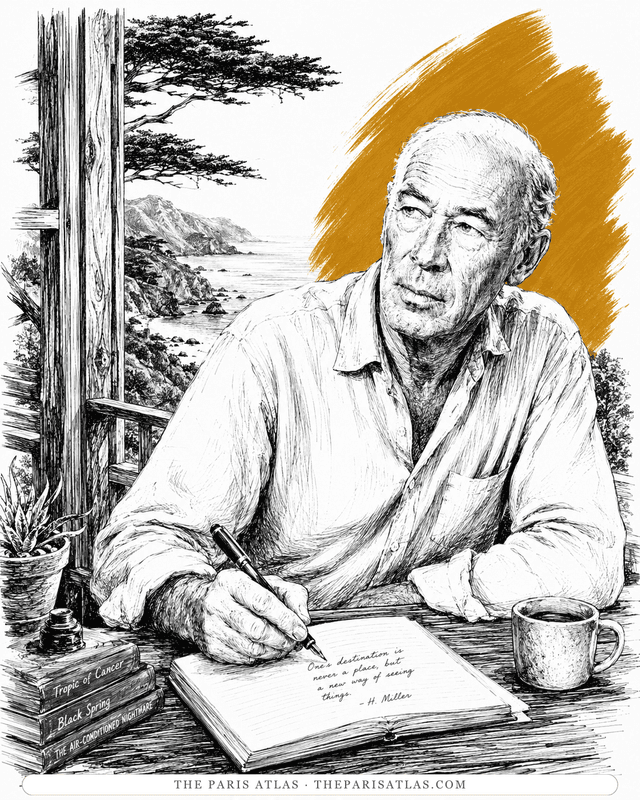
Henry Miller
The Brooklyn dropout who arrived in Paris broke at thirty-eight and wrote the exuberant, banned books that ended American censorship.
View author