Hercule Poirot
The retired Belgian police officer with the egg-shaped head and the enormous moustache, going home to London and finding a corpse in the next coach.
To know exactly what happened in that compartment, and then to decide what the truth is worth.
The book
Murder on the Orient Express
Agatha Christie
At a glance
- The detective, a passenger in the Calais coach
- London, by way of Brussels
- Every chapter
Who they are in the book
Spoiler-freeHercule Poirot is Belgian, not French, and the book has him say so more than once. He is a retired officer of the Brussels police, small, neat and vain about his moustache, and he has just finished a case for the French army in Syria. He wants a quiet journey home. Instead Monsieur Bouc puts him in a full coach and, the morning after the snow, in charge of a murder.
He works by talking. Each passenger gets a chapter of questions, and he listens for the sentence that does not fit the person saying it. He calls the process using the little grey cells, and he is not modest about it. What he wants is the truth, and the ending tests whether that is the same as wanting justice.
How Hercule Poirot Is Portrayed
- The moustacheEnormous, waxed and tended; the first thing anyone notices and the thing he is proudest of.
- The headEgg-shaped, and tilted a little to one side when he is thinking, which the passengers find comic until it stops being.
- The refusalRatchett offers him money for protection and he declines in one line: he does not like Ratchett's face.
- The methodOne passenger at a time, in the dining car, with Bouc and the doctor listening. He asks about small things and keeps the big ones for later.
- The nationalityBelgian, and corrects anyone who calls him French. The distinction matters to him and the book keeps it straight.
- The chairIn Part Three he sits back, closes his eyes and thinks. Bouc and the doctor try to do the same and get nowhere.
Hercule Poirot quotes
The impossible could not have happened, therefore the impossible must be possible in spite of appearances.
Poirot solves it completely and then declines to act on it. He gives two solutions and hands the choice to Bouc and Dr Constantine, who pick the stranger in the conductor's uniform. Readers have argued since 1934 about whether the man who elsewhere insists that murder is murder has betrayed his own rule here, or applied it to the right person.
If you like Murder on the Orient Express


If you like Agatha Christie
Explore authors with a similar voice, perspective, and influence.
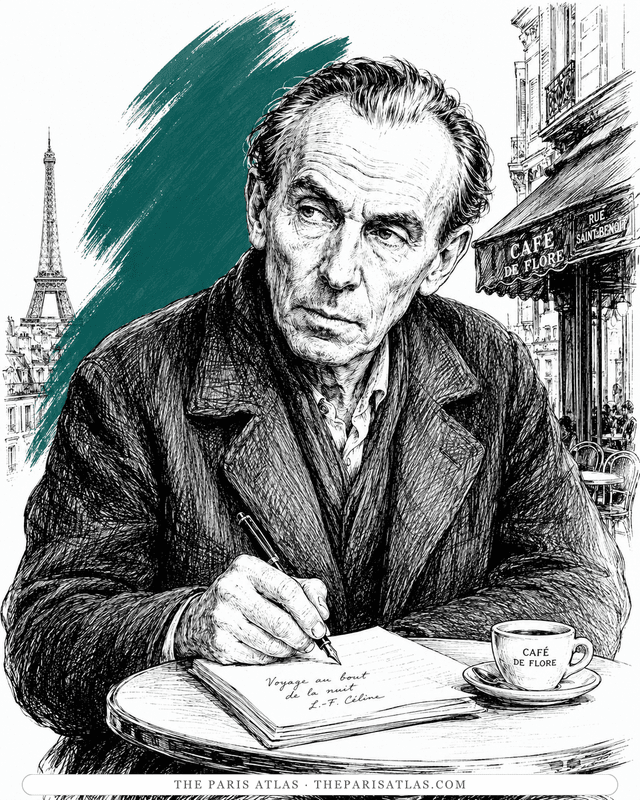
Louis-Ferdinand Céline
The doctor of the Paris slums who wrote the century's blackest, funniest novel — and changed the sound of French prose.
View author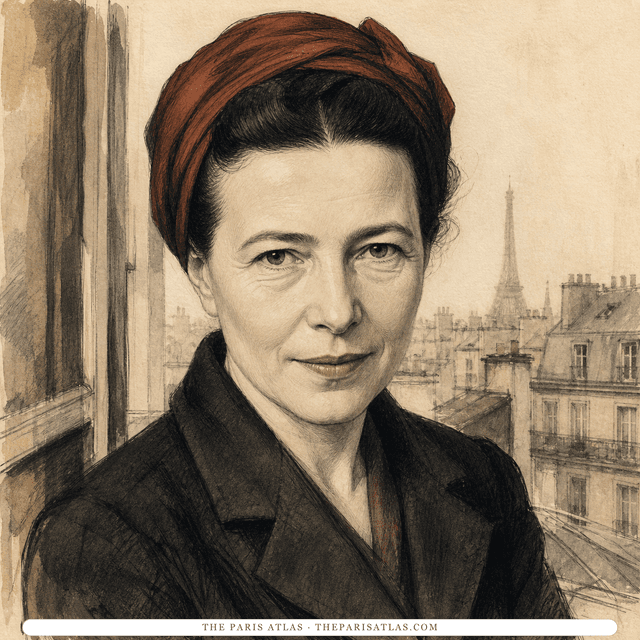
Simone de Beauvoir
French writer and philosopher whose novels, memoirs, and social analysis examined freedom, gender, responsibility, aging, and the material conditions that shape a life.
View author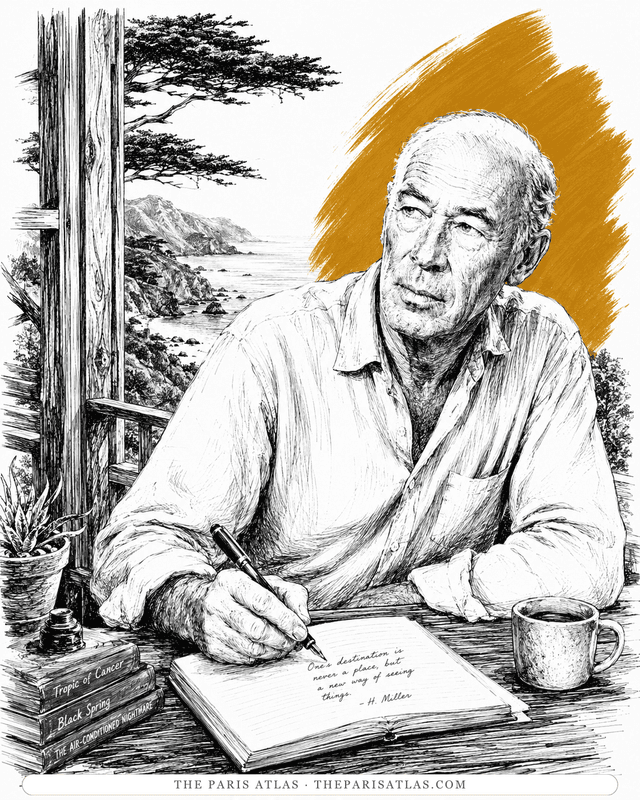
Henry Miller
The Brooklyn dropout who arrived in Paris broke at thirty-eight and wrote the exuberant, banned books that ended American censorship.
View author