Monsieur Bouc
Poirot's old friend, a director of the sleeping-car company, who finds him a berth and then hands him the case.
To have the affair settled quietly, and to be the one who understands it first.
The book
Murder on the Orient Express
Agatha Christie
At a glance
- Railway director, Poirot's friend, travelling in the coach
- Throughout
Who they are in the book
Spoiler-freeBouc is Belgian too, a former member of the Belgian police turned railway director. He is the person who puts Poirot on the train and the person who asks him to solve the murder before the Yugoslav police can make a scandal of it. He sits beside Poirot through every interview, guesses wrong at every stage, and is cheerfully certain each time.
How Monsieur Bouc Is Portrayed
- The officeA director of the Compagnie Internationale des Wagons-Lits, with the power to find a berth in a full coach.
- The guessesHe suspects the Italian for being Italian, and says so; Poirot lets him.
- The full coachHis remark that the coach is oddly full for December is the book's first real clue, made before the murder.
- The verdictIn the last chapter he is given the choice between two solutions and takes the one the police will believe.
Bouc chooses the false solution, the stranger who boarded at Vinkovci, and the law never hears the true one.
If you like Murder on the Orient Express


If you like Agatha Christie
Explore authors with a similar voice, perspective, and influence.
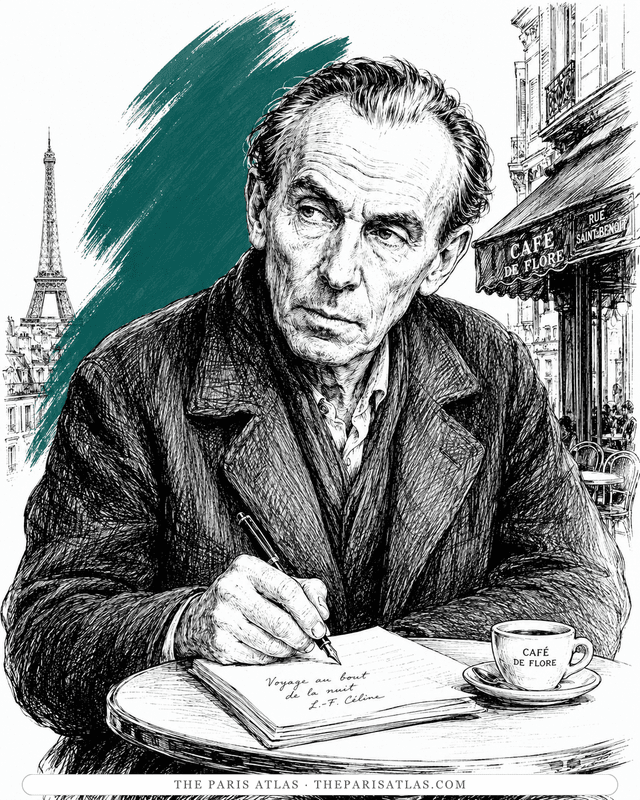
Louis-Ferdinand Céline
The doctor of the Paris slums who wrote the century's blackest, funniest novel — and changed the sound of French prose.
View author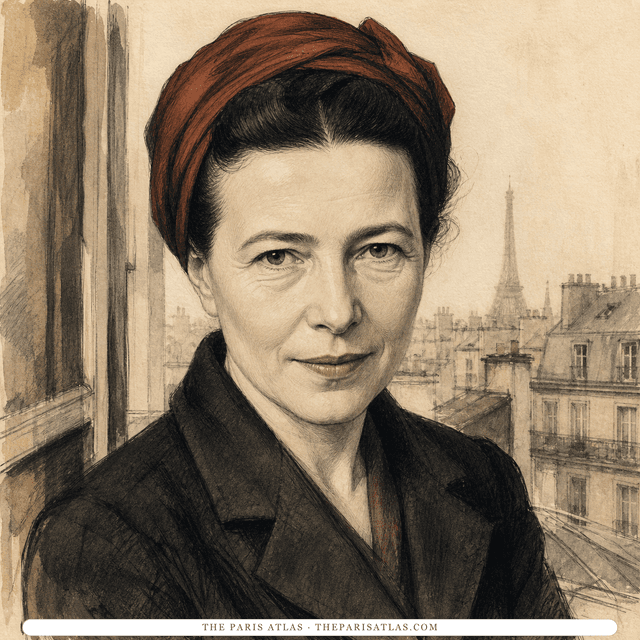
Simone de Beauvoir
French writer and philosopher whose novels, memoirs, and social analysis examined freedom, gender, responsibility, aging, and the material conditions that shape a life.
View author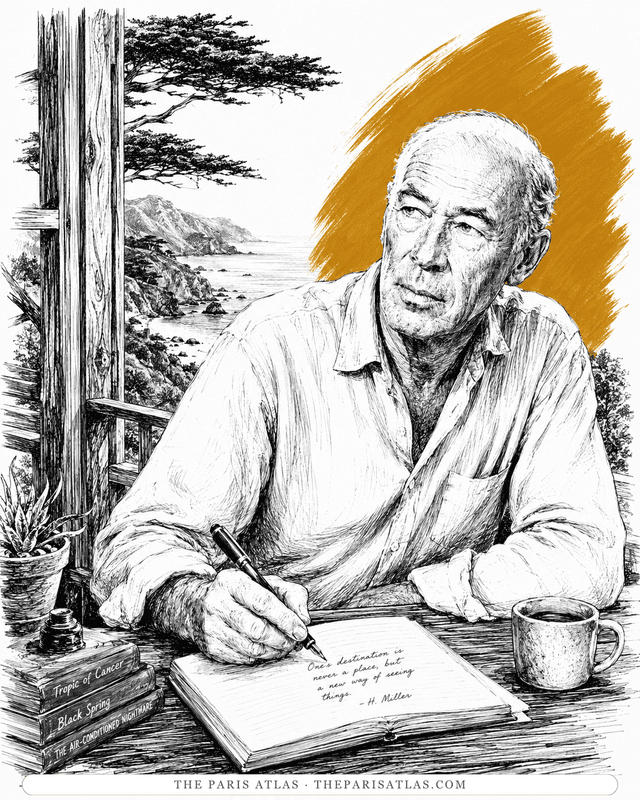
Henry Miller
The Brooklyn dropout who arrived in Paris broke at thirty-eight and wrote the exuberant, banned books that ended American censorship.
View author