Hector MacQueen
Ratchett's young American secretary, who translated for a man who spoke no French and read the threatening letters before his employer did.
To seem helpful and ordinary, which for a secretary is the same as staying invisible.
The book
Murder on the Orient Express
Agatha Christie
At a glance
- Ratchett's secretary, compartment No. 6
- Part One, chapters 3 to 6; Part Two, chapter 2; Part Three
Who they are in the book
Spoiler-freeHector MacQueen is the first person Poirot questions and the one who gives him the most, freely and at length. He explains Ratchett's business, the letters, the route and his own dislike of the man he worked for. He is tall, pleasant, a little nervous, and thirty. He says his employer spoke no French, and the remark sits there for two hundred pages before it matters.
He is the witness who supplies the timetable for the night. Poirot uses him and does not entirely trust him, and the reader is meant to feel the same.
How Hector MacQueen Is Portrayed
- The languagesHe translated for Ratchett, who spoke none, which makes the French voice heard through the door in the night a problem.
- The lettersHe kept them and hands them over; he had read them and Ratchett had laughed at them.
- The nightSat up with Arbuthnot talking politics, saw a conductor pass, went to bed late.
- The fatherA district attorney in New York, a detail Poirot hears and files.
- The mannerEager, articulate, and quick to say that he did not like his employer, which is either honesty or cover.
- The ageAbout thirty, clean-shaven, and, the narration says, the pleasant American type.
MacQueen's father prosecuted Cassetti and watched him buy his acquittal. The son took his place in the coach, sedated Ratchett's drink, and helped write the letters. The French voice in the night was his, put there to fix a false time of death.
If you like Murder on the Orient Express


If you like Agatha Christie
Explore authors with a similar voice, perspective, and influence.
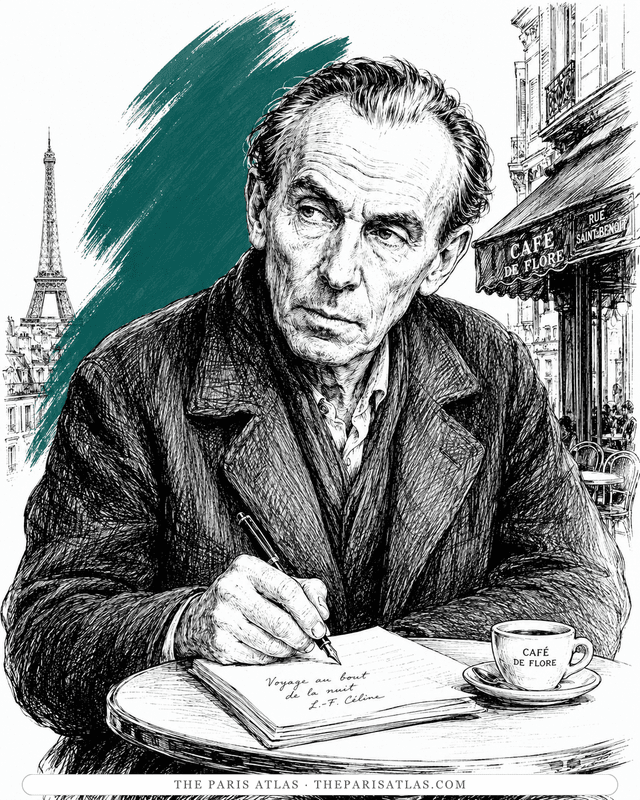
Louis-Ferdinand Céline
The doctor of the Paris slums who wrote the century's blackest, funniest novel — and changed the sound of French prose.
View author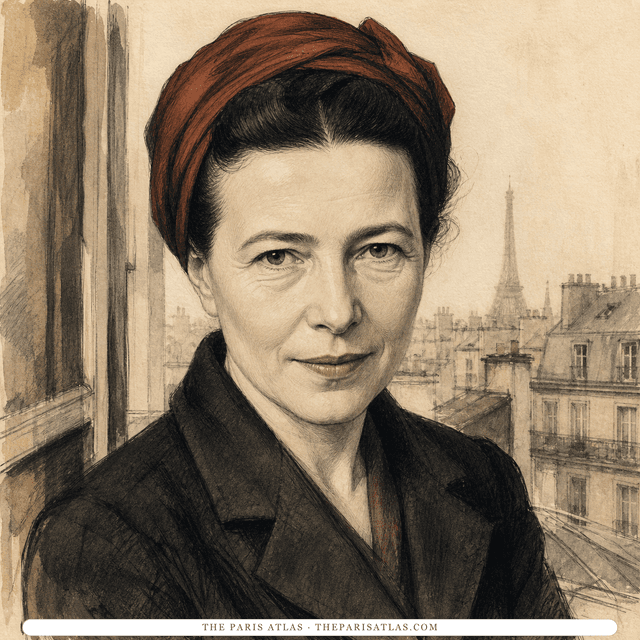
Simone de Beauvoir
French writer and philosopher whose novels, memoirs, and social analysis examined freedom, gender, responsibility, aging, and the material conditions that shape a life.
View author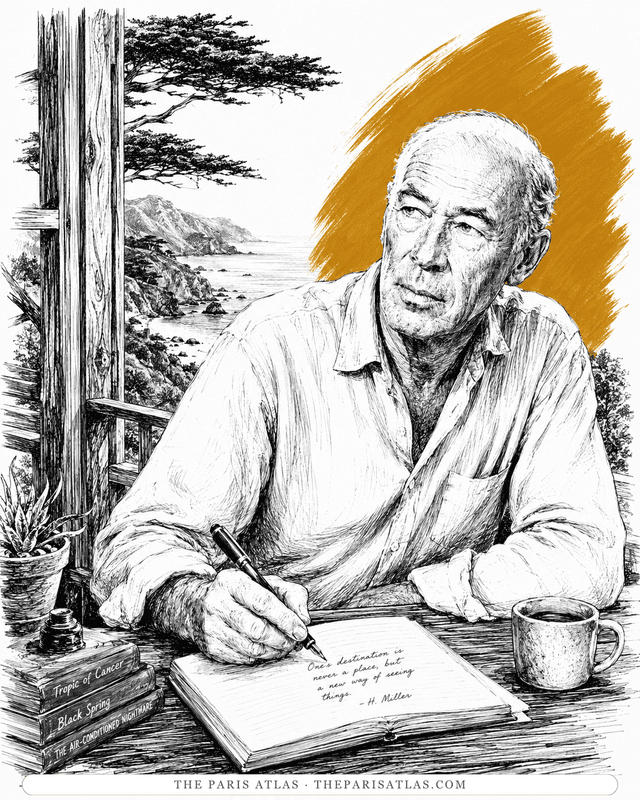
Henry Miller
The Brooklyn dropout who arrived in Paris broke at thirty-eight and wrote the exuberant, banned books that ended American censorship.
View author