Dr Constantine
The Greek doctor from the Athens coach who examines the body and cannot make the wounds agree.
To find the explanation that fits the wounds, and to be there when Poirot does.
The book
Murder on the Orient Express
Agatha Christie
At a glance
- Doctor, travelling in the Athens coach
- Part One, chapter 7 onward
Who they are in the book
Spoiler-freeDr Constantine is the book's expert witness and its second listener. He gives Poirot the medical facts, the twelve wounds and their contradictions, and then sits with Bouc through the interviews, trying and failing to reason like the detective. His honest confusion is what makes the clue of the wounds fair: he sees what the reader sees and cannot explain it either.
How Dr Constantine Is Portrayed
- The reportTwelve wounds, some deep, some shallow, two after death, some left-handed; he offers two murderers and admits it does not work.
- The timeHe puts death between midnight and two, and the watch says a quarter past one.
- The listeningHe and Bouc try Poirot's method of sitting back and thinking, and produce nothing.
- The voteIn the last chapter he agrees with Bouc that the first solution is the one to give the police.
The wounds did not agree because twelve different people made them. Constantine's second-murderer theory was closer than anybody's, short by ten.
If you like Murder on the Orient Express


If you like Agatha Christie
Explore authors with a similar voice, perspective, and influence.
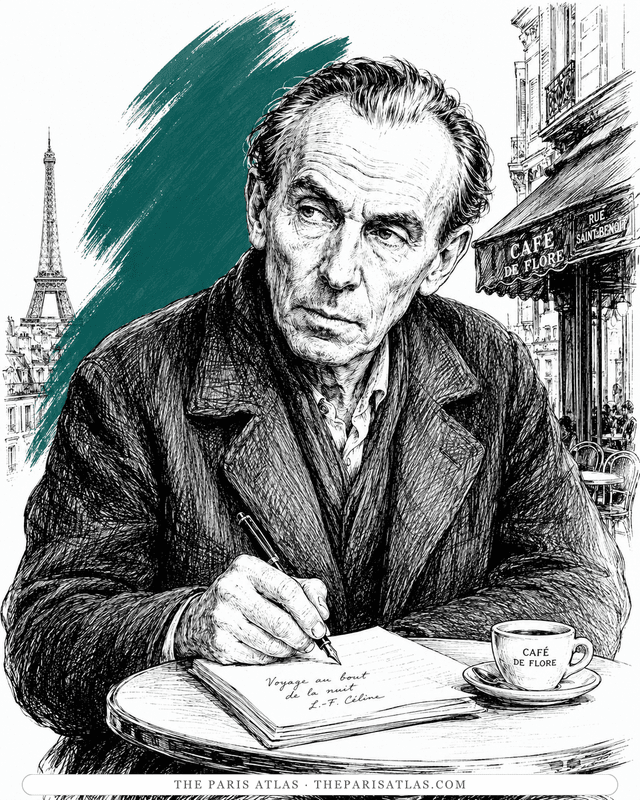
Louis-Ferdinand Céline
The doctor of the Paris slums who wrote the century's blackest, funniest novel — and changed the sound of French prose.
View author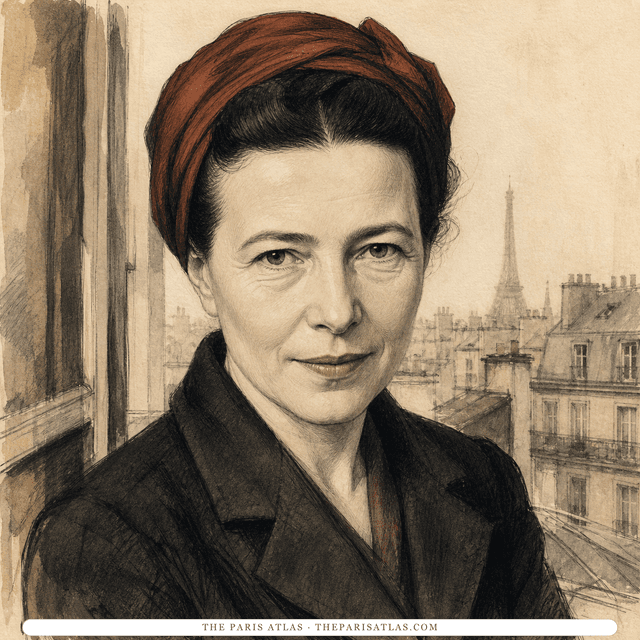
Simone de Beauvoir
French writer and philosopher whose novels, memoirs, and social analysis examined freedom, gender, responsibility, aging, and the material conditions that shape a life.
View author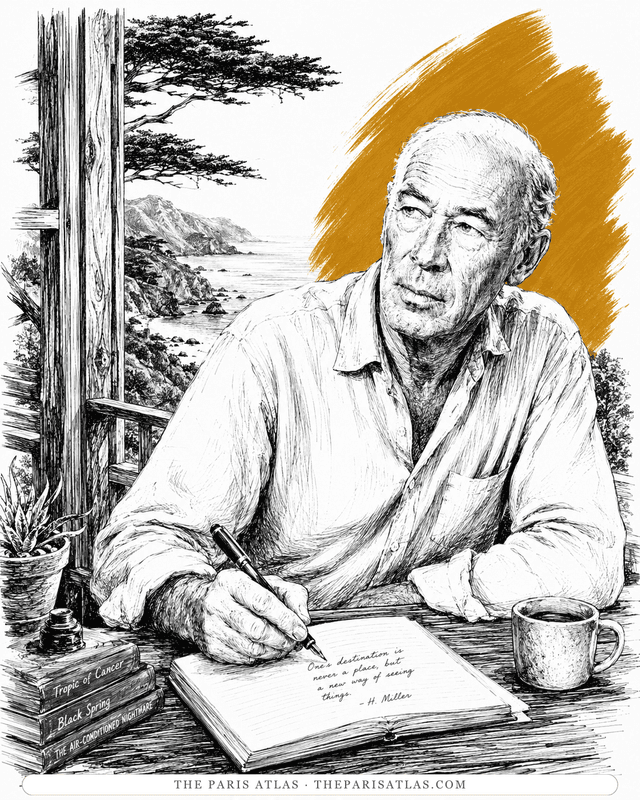
Henry Miller
The Brooklyn dropout who arrived in Paris broke at thirty-eight and wrote the exuberant, banned books that ended American censorship.
View author