Princess Natalia Dragomiroff
The ugly, ancient Russian aristocrat with the German maid and the will to match her name.
To say what she thinks and be believed, which at her age and rank she usually is.
The book
Murder on the Orient Express
Agatha Christie
At a glance
- Russian passenger, compartment No. 14, with her maid
- Part Two, chapter 6; Part Three
Who they are in the book
Spoiler-freeThe Princess is the coach's grandest passenger and its most direct witness. She admits at once that she knew the Armstrong family, that she was godmother to Daisy's mother, and that she would have liked to see the kidnapper dead. Poirot finds her the most formidable person on the train and says so to her face.
How Princess Natalia Dragomiroff Is Portrayed
- The faceSmall, yellow and toad-like, the narration says, with eyes that give her a strength the body has lost.
- The maidHildegarde Schmidt, who reads to her and, on the night of the murder, was called to her compartment.
- The admissionShe knew the Armstrongs and says so first, before Poirot can ask.
- The handkerchiefFine cambric, embroidered with an H, found in the dead man's compartment and not explained until Part Three.
The handkerchief was hers. Her first name is Natalia, and in Russian the initial is written like a Latin H. She claims it when Poirot names her, and she was one of the twelve.
If you like Murder on the Orient Express


If you like Agatha Christie
Explore authors with a similar voice, perspective, and influence.
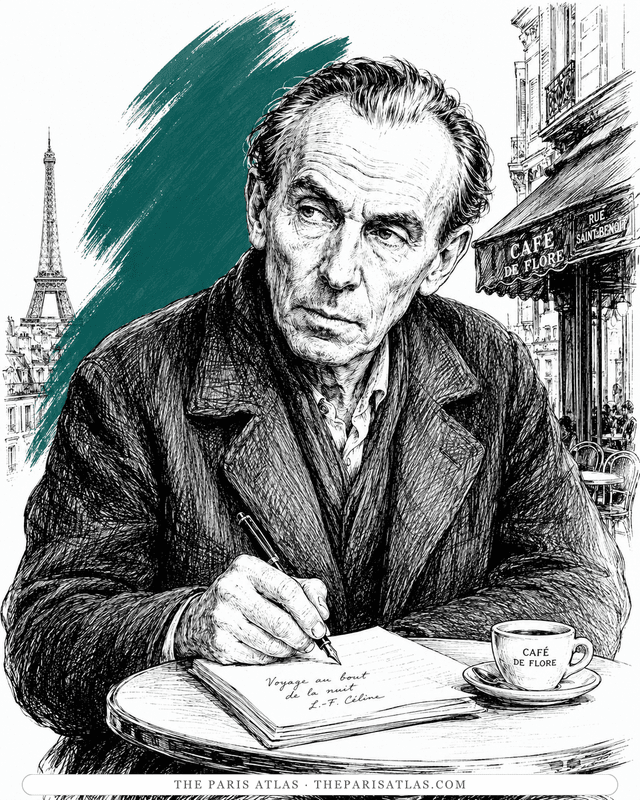
Louis-Ferdinand Céline
The doctor of the Paris slums who wrote the century's blackest, funniest novel — and changed the sound of French prose.
View author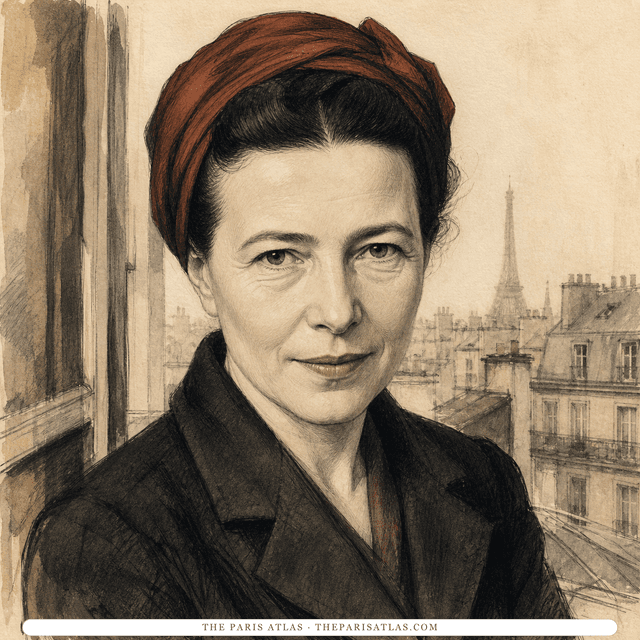
Simone de Beauvoir
French writer and philosopher whose novels, memoirs, and social analysis examined freedom, gender, responsibility, aging, and the material conditions that shape a life.
View author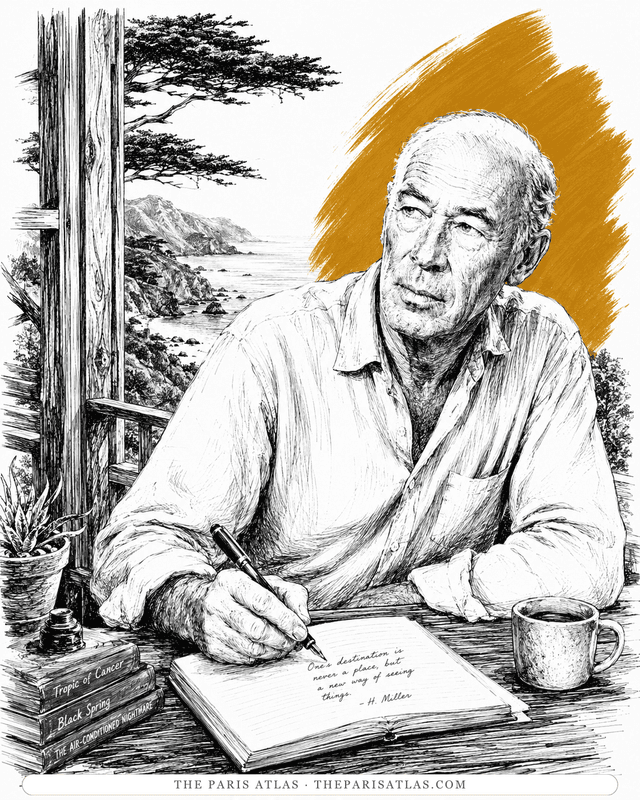
Henry Miller
The Brooklyn dropout who arrived in Paris broke at thirty-eight and wrote the exuberant, banned books that ended American censorship.
View author