Anny
Roquentin’s former lover, who once tried to create perfect moments and later rejects that romantic project.
To live after abandoning the exhausting belief that experience can be arranged into perfect, self-justifying moments.
The book

At a glance
- Roquentin’s former lover
- Perfect moments
- Closes the fantasy of romantic return
Who they are in the book
Spoiler-freeAnny used to arrange people, places, and gestures in the hope that certain situations could become complete and meaningful. Roquentin remembers that project as part of the special world they shared.
When they reunite, she refuses his wish to restore the past. Her changed body and ideas make clear that memory cannot hold a relationship still or provide a permanent answer to his isolation.
How Anny Is Portrayed
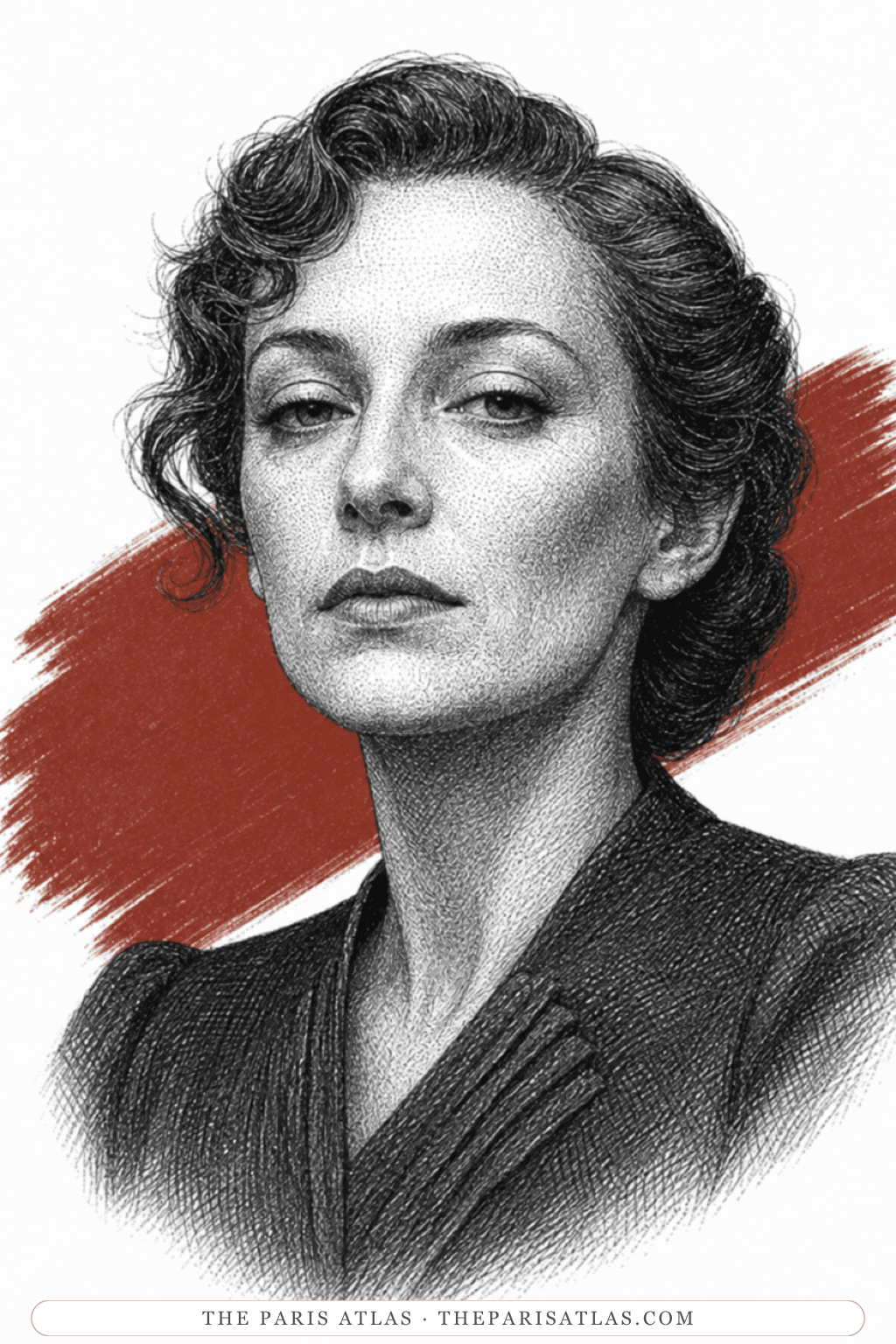
- Adult womanShe appears mature rather than preserved in memory.
- Elegant 1930s clothingTheatrical self-possession remains in her bearing.
- Controlled direct gazeShe can reject Roquentin’s fantasy.
- No romantic hazeThe reunion is not a sentimental rescue.
- Close engraved bustNo hotel, stage, or luggage appears.
- Muted russet accentThe warm tone contrasts Roquentin’s cool distance.
Anny meets Roquentin once more but does not resume their relationship. She leaves him, and their old project no longer offers either of them a future.
If you like Nausea


If you like Jean-Paul Sartre
Explore authors with a similar voice, perspective, and influence.
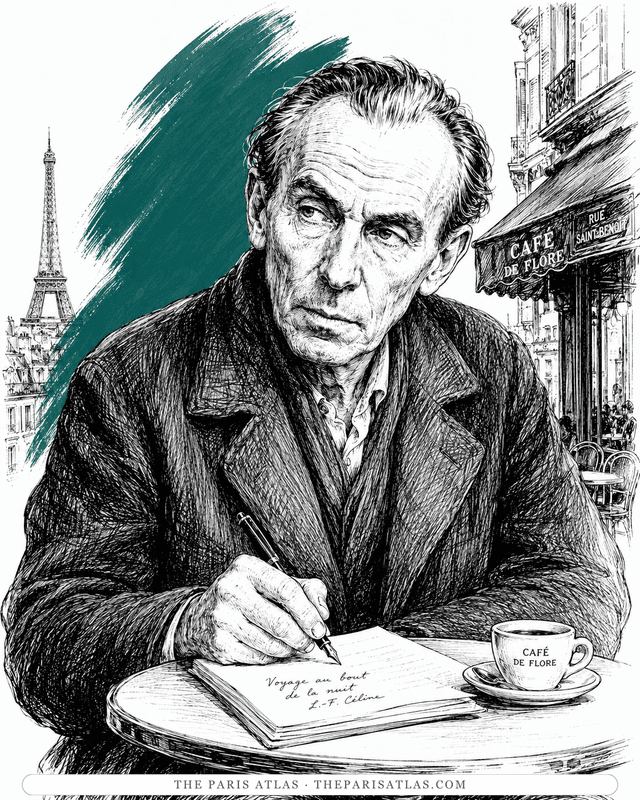
Louis-Ferdinand Céline
The doctor of the Paris slums who wrote the century's blackest, funniest novel — and changed the sound of French prose.
View author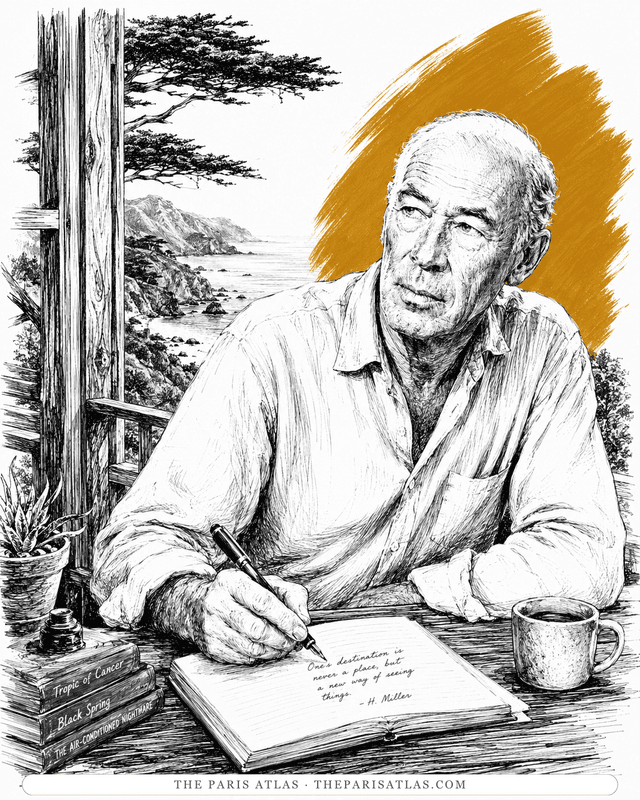
Henry Miller
The Brooklyn dropout who arrived in Paris broke at thirty-eight and wrote the exuberant, banned books that ended American censorship.
View author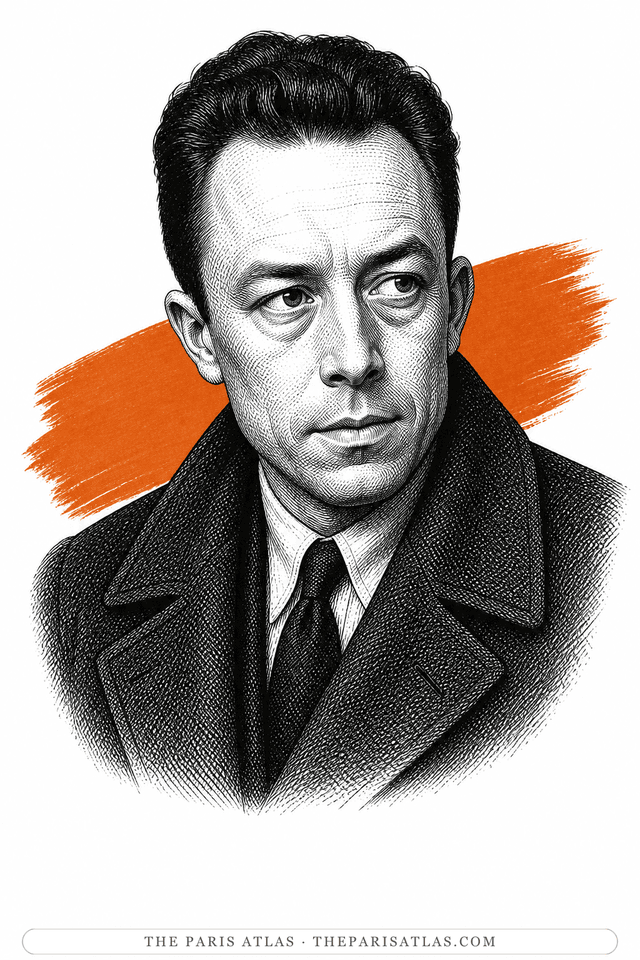
Albert Camus
French Algerian novelist, essayist, journalist and playwright who used the absurd and revolt to ask how people should live without false consolation.
View author