The Circus
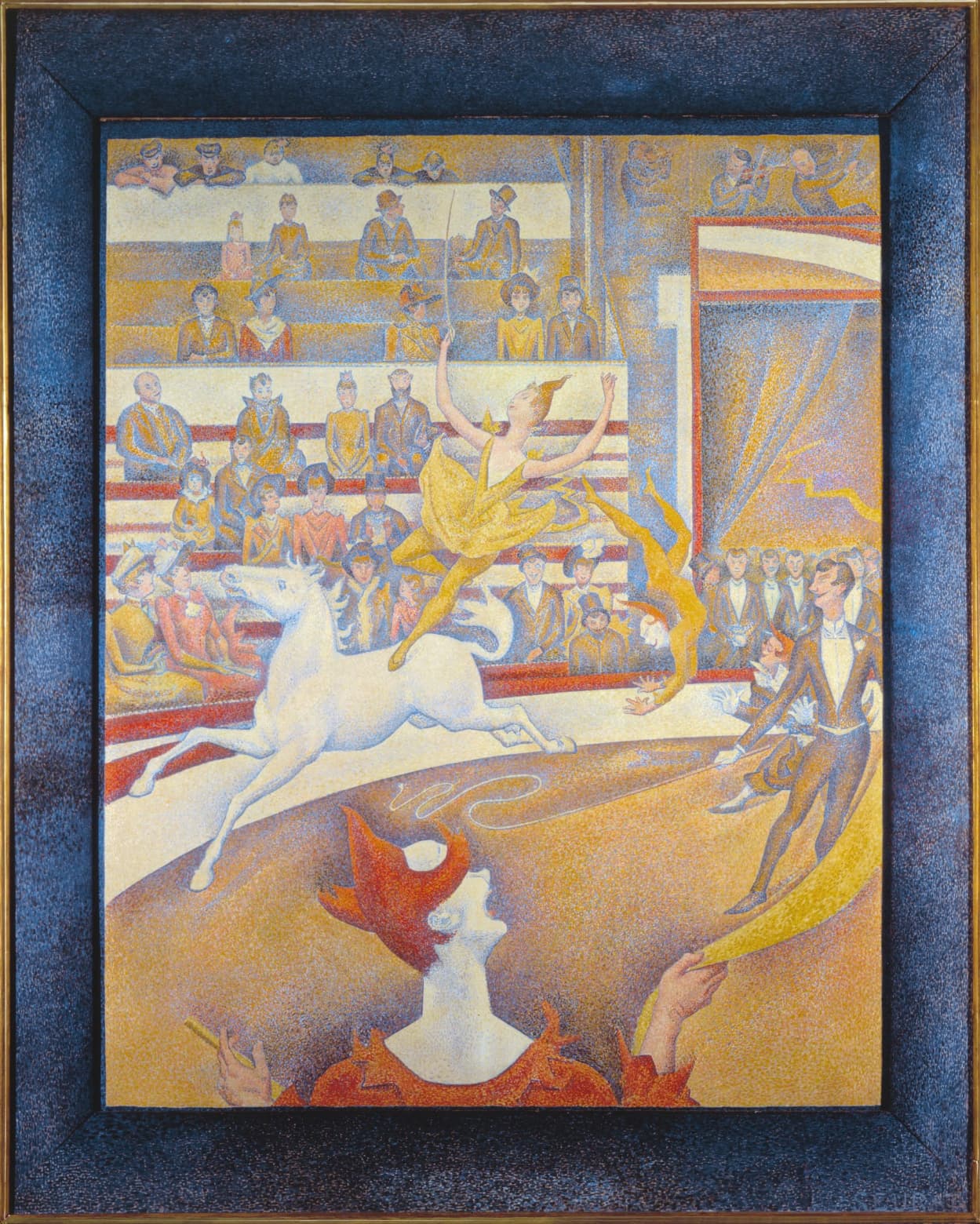
Georges Seurat turns a circus act into a tightly controlled experiment in motion, line, and color. A horsewoman races around the ring while acrobats spring through the air and spectators sit in rigid rows—the final, unfinished large painting of an artist who died only days after exhibiting it in 1891.
- 1891
- Oil on canvas
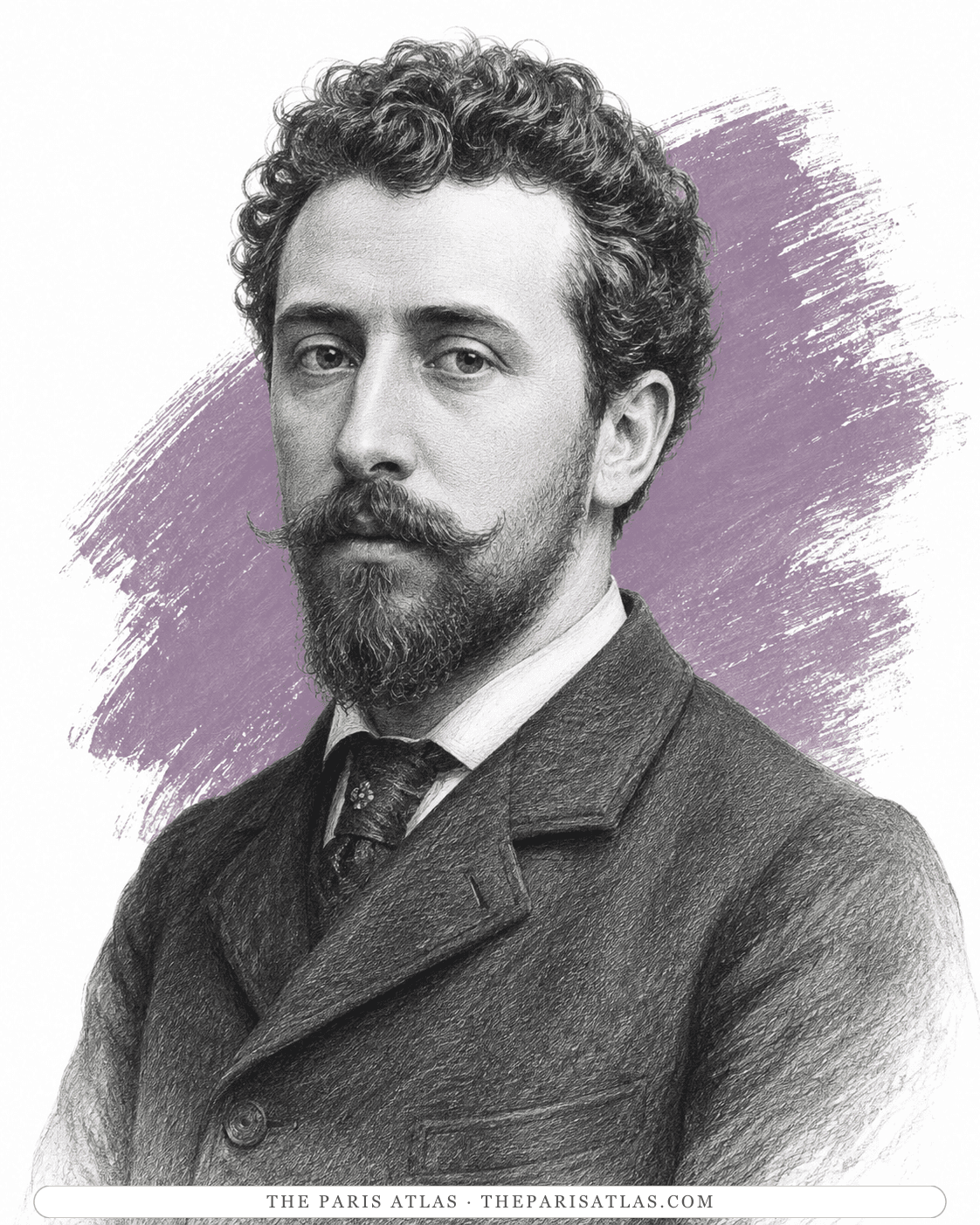
About Georges Seurat
What the painting shows
A white horse gallops around a circus ring while a standing rider balances on its back. An acrobat leaps above them, another figure tumbles at the right, and a ringmaster controls the performance from the middle distance. The cropped back and raised arm of a clown fill the immediate foreground, placing the viewer close to the action.
Behind the ring, spectators rise in stacked rows. Their repeated heads and hats form a firm grid while the performers follow curves, diagonals, and spirals. Seurat did not simply illustrate a trick on horseback: he divided the picture into the moving space of the act and the orderly space of the audience watching it.
Motion built through opposing lines
The Musée d'Orsay describes the performance zone as a network of curves and stylized arabesques, set against the rigid geometry of the seating. The horse bends around the ring, bodies rise and fall, and the whip extends the circular motion. The audience, by contrast, is held in horizontal tiers and upright divisions.
That contrast creates speed without loose brushwork. Every figure is frozen, yet the repeated upward diagonals and arcs tell the eye how to travel. The picture's excitement comes from designed relationships between fixed forms, not from a spontaneous record of movement.
Color was treated as a system
White dominates the canvas, then red, yellow, and blue are distributed in small, methodical touches. Warm orange and yellow give the ring a bright, public energy, while blue accents and the darker edge control that brightness. The marks echo the rhythm established by the figures and the architecture of the seating.
Seurat was engaging with nineteenth-century theories about optical contrast and the emotional effects of line and color. Those theories informed decisions; they did not paint the canvas for him. The work remains an individual composition in which observation, drawing, revision, and theory meet.
The last of Seurat's modern entertainments
The Circus followed Circus Sideshow and The Can-can in Seurat's series of large pictures about popular urban entertainment and nighttime spectacle. The subject also connected him with artists including Edgar Degas and Henri de Toulouse-Lautrec, who were examining circuses, performers, and audiences in the same period.
Seurat's treatment is distinctive because the event is both lively and impersonal. The riders and acrobats perform for a crowd whose faces repeat almost like notation. The foreground clown belongs to the show but also acts as a barrier, reminding us that the dazzling ring is a constructed view presented to paying spectators.
An unfinished final painting
Seurat exhibited The Circus at the Salon des Indépendants in March 1891 while the painting was still unfinished. He died only days after the exhibition opened, at the age of thirty-one. Its status as his final work can make every open passage seem like a deliberate last statement, but the simpler explanation is that he had not completed the canvas.
Preparatory drawings of the clown and horsewoman survive at the Musée d'Orsay. They show that drawing remained central to his method even in a picture celebrated for divided color. The studies help separate the work Seurat planned carefully from the parts he never had time to finish.
How The Circus entered France's national collection
Paul Signac, Seurat's friend and fellow Neo-Impressionist, owned The Circus by 1900. In 1923 he sold it to the American collector John Quinn on the condition, recorded by the Musée d'Orsay, that Quinn would eventually leave it to the Louvre. Quinn's bequest was accepted by the French state in 1927.
After periods at the Musée du Luxembourg, the Musée National d'Art Moderne, and the Jeu de Paume, the painting was assigned to the Musée d'Orsay in 1977. It is accession number RF 2511. The museum calls it the only major Seurat painting held in France and provides current location information on its object page.
Close reading
Reading the work, detail by detail
The Circus sets the rapid curves of performance against the strict tiers of spectators. These six close views show how Seurat created movement from fixed figures—and where the unfinished canvas still exposes the gap between his system and its execution.
1.The spectators are held in a rigid grid
Horizontal benches and upright divisions organize rows of repeated heads and hats. The audience watches a performance built from curves, but its own space remains orthogonal, still, and tightly controlled.
2.The horsewoman turns balance into an arabesque
One foot meets the saddle while her arms rise in opposing curves and the skirt opens around her. The pose looks effortless, but its clean diagonals reveal how carefully Seurat converted a difficult act into a designed sign of motion.
3.The white horse drives the ring forward
Extended legs, lifted tail, and arched neck stretch the animal across the lower ring. Its pale body carries the strongest horizontal surge in the picture while the curved track redirects that speed into a circuit.
4.The acrobat converts a fall into a spiral
The inverted body bends around its own downward motion, with hands almost meeting the ring. Seurat turns imbalance into a controlled curve that answers the horse, whip, skirt, and circular barrier.
5.The ringmaster stands where motion meets order
His dark coat, straight posture, and pale gloves form a firm vertical beside the racing act. He belongs to the performance but also regulates it, visually joining the moving ring to the orderly spectators behind him.
6.The cropped clown puts the viewer inside the show
Only the clown's back, head, raised hands, and yellow prop enter the frame. This enormous cropped body blocks part of the ring, making the image feel observed from the performers' side rather than presented as an unobstructed auditorium view.
Timeline
1890–1891
Seurat develops The Circus through drawings and painted studies while continuing his series on modern popular entertainment.
March 1891
The unfinished painting appears as number 1102 at the seventh Salon des Artistes Indépendants in Paris. Seurat dies only days after the exhibition opens.
By 1900
Paul Signac owns The Circus and preserves it as part of his substantial collection of works by Seurat.
1923
Signac sells the painting to John Quinn after securing Quinn's agreement that it will enter the French national collection.
1927
The French state accepts The Circus through John Quinn's bequest for the Louvre; it is catalogued as RF 2511.
1977
The painting is assigned to the Musée d'Orsay, where it remains in the national collection.
Where to see it
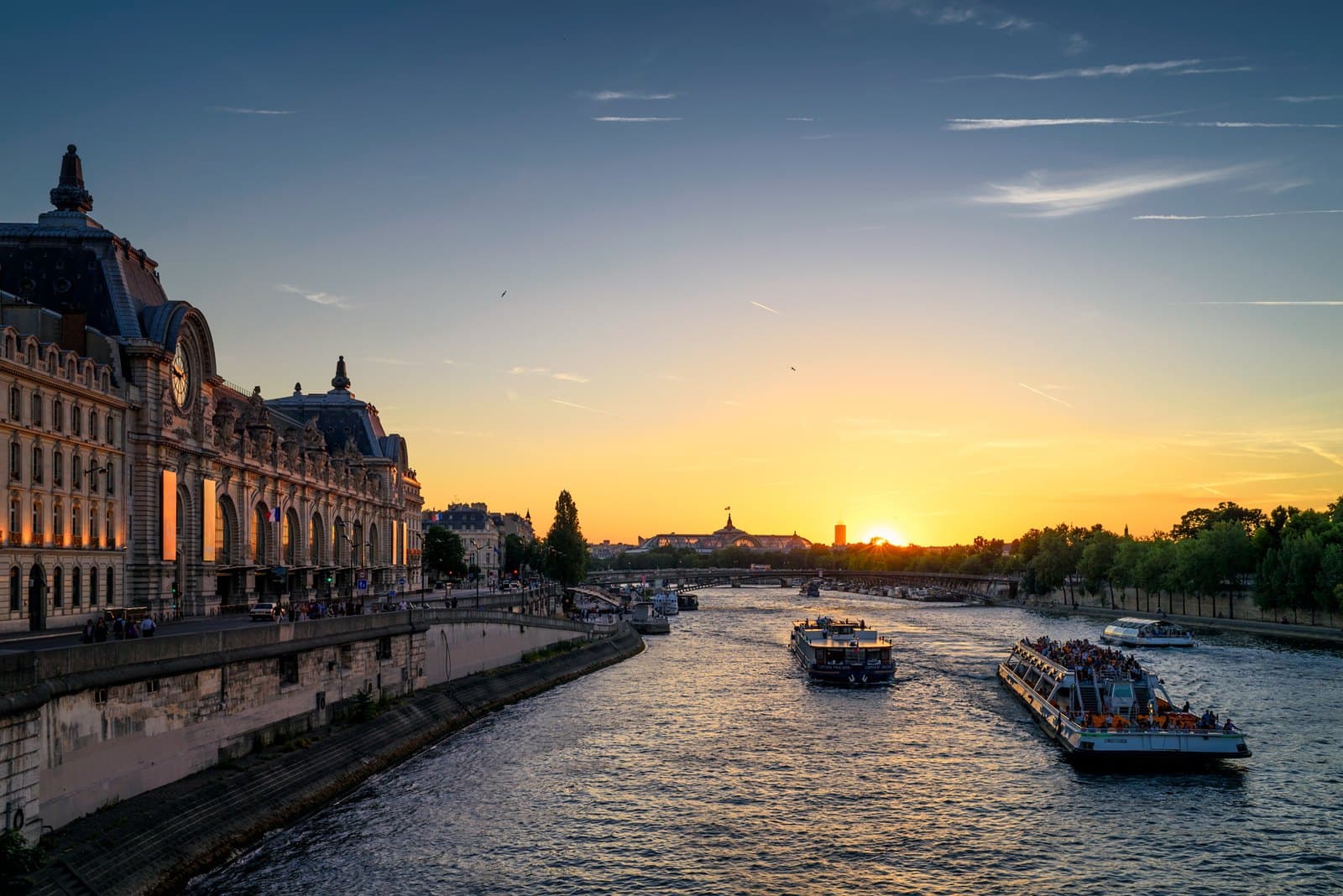
Musée d'Orsay
Esplanade Valéry Giscard d’Estaing, 75007 Paris, France
Collection locations and gallery displays can change. Check the official object record before making a special visit.
Plan your visitFrequently asked questions
Where is The Circus by Seurat?
The Circus is in the Musée d'Orsay in Paris, accession number RF 2511. The museum's live object page gives current display information and should be checked before a visit.
Is The Circus by Seurat unfinished?
Yes. The Musée d'Orsay identifies the painting as unfinished because Seurat died only days after the 1891 Salon des Indépendants opened with the work on display.
What is happening in The Circus?
A rider balances on a galloping white horse while acrobats leap and tumble around the ring. A clown fills the foreground, a ringmaster stands behind the horse, and spectators watch from tiered seats.
How does The Circus create a sense of movement?
Seurat uses rising diagonals, arcs, spirals, and repeated warm colors in the ring, then contrasts them with the horizontal and vertical grid of the seated audience. The figures are fixed, but the arrangement directs the viewer's eye in a rapid circuit.
Why is The Circus important in Pointillism?
It applies divided color to a large, fast-moving indoor spectacle rather than a quiet outdoor landscape. The painting shows how Seurat combined small marks with a highly organized theory of lines, color contrasts, and emotional effect.
How did The Circus reach the Musée d'Orsay?
Paul Signac sold it to John Quinn in 1923 after obtaining Quinn's promise to leave it to the Louvre. The French state accepted Quinn's bequest in 1927, and the painting was assigned to the Musée d'Orsay in 1977.
Was The Circus Seurat's last painting?
It was his final large painting and was still unfinished when he died in March 1891 at age thirty-one. That makes it a powerful endpoint to his career, though it should not be mistaken for a deliberately completed farewell.
More by Georges Seurat
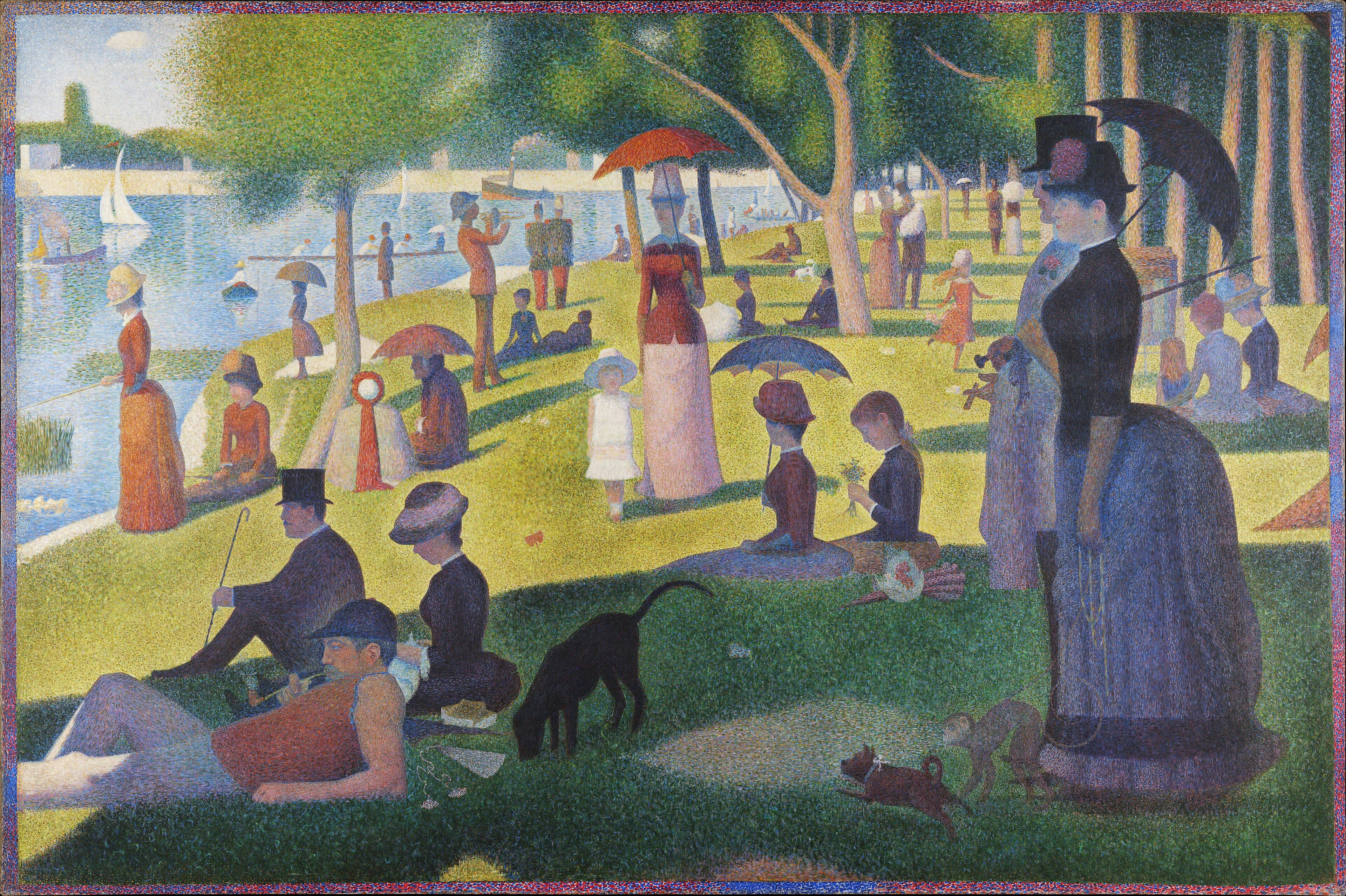
If you like Georges Seurat
Explore painters from the same movements and circles.
Paul Cézanne
Painter between Impressionism and everything after — shown in the independents' exhibitions, emulated by the Cubists, and present at the Orangerie through 15 works in the Walter-Guillaume collection.
View artist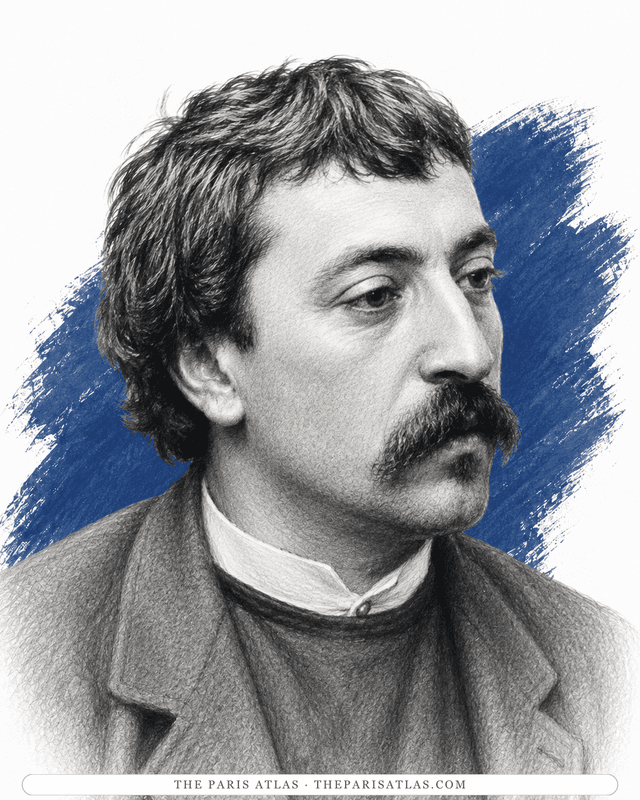
Paul Gauguin
Stockbroker turned painter who came into art through Camille Pissarro, showed with the Impressionists, and left Europe for Polynesia.
View artist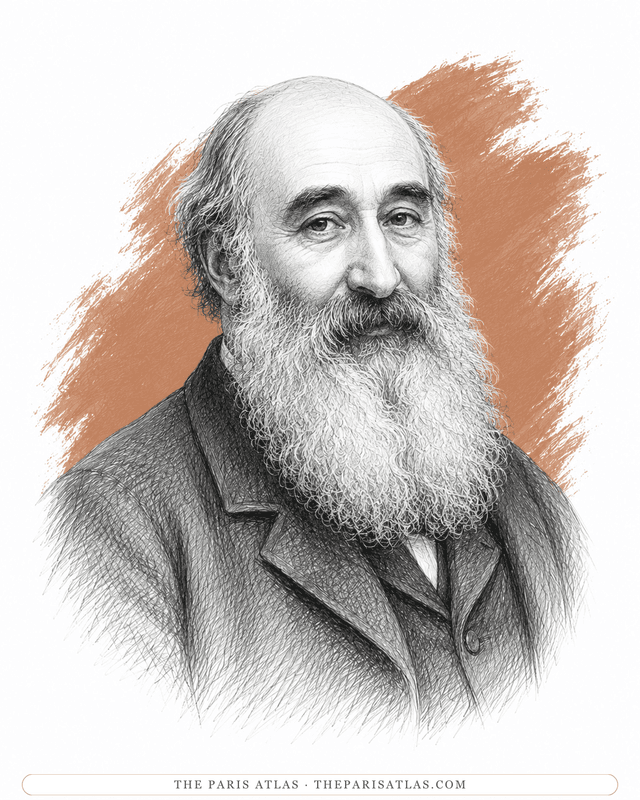
Camille Pissarro
The eldest of the Impressionists and the only painter to show in all eight of the group's exhibitions, 1874 to 1886.
View artist
References
The sources below include collection records, catalogues, scholarly research, and primary materials that informed this page. They document The Circus, its making, and its place in cultural history.


1Le Cirque — Georges Seurat
WebsiteMusée d'OrsayUsed forWeb source consulted for documented facts and historical context presented on the The Circus page.
2The Clown and The Horsewoman: Two Studies for The Circus by Georges Seurat
WebsiteMusée d'OrsayUsed forWeb source consulted for documented facts and historical context presented on the The Circus page.
3Georges Seurat (1859–1891) and Neo-Impressionism
WebsiteThe Metropolitan Museum of ArtUsed forWeb source consulted for documented facts and historical context presented on the The Circus page.

4Seurat: Paintings and Drawings — exhibition catalogue
Exhibition catalogueThe Art Institute of Chicago / The Museum of Modern Art, 1958Used forCatalogue scholarship used to verify attribution, provenance, chronology, and interpretive context for The Circus.
5Seurat: A Biography
BiographyHarry N. Abrams, 1990Used forBiographical evidence used to verify chronology, relationships, and historical context connected to The Circus.
These references provide the documented foundation for this work's history and interpretation. Claim-level citations remain attached to the specific claims they support.
 Explore more resources