Bachir
A boy who visits Michel during his illness in Biskra; his health and easy movement help Michel rediscover physical life.
The book

At a glance
- Biskra
- Son of a washerwoman; brother of Rhadra
- Michel’s sickroom
- Scullion in a café
Who they are in the book
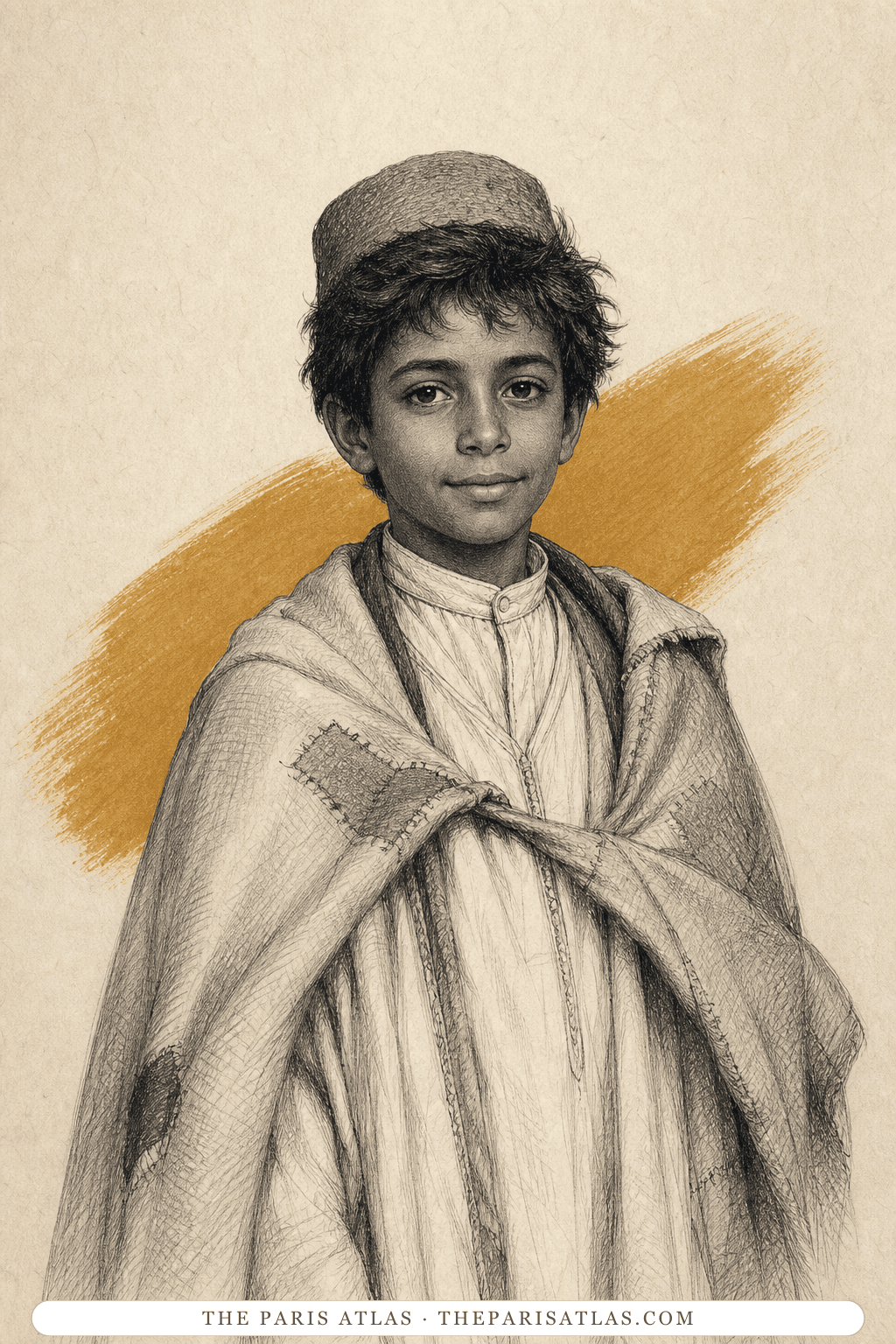
Spoiler-freeBachir is the first child Marceline brings into Michel’s sickroom in Biskra. Michel is embarrassed and irritated at first, but he soon becomes fascinated by how easily the boy moves. Bachir carves wood, plays marbles, laughs after cutting his thumb, and speaks to the recovering Michel with a mix of kindness and confidence.
Michel says he falls in love with Bachir’s health. Every detail—the blood running from his thumb, his desire to play, his bare limbs, his white teeth, and his effortless movement—reminds Michel of the strength he has lost. Before Michel turns him into a symbol, Bachir is simply a lively child who helps draw Michel’s attention back toward life.
The book gives a few details about Bachir’s life beyond Michel’s sickroom: he has a sister named Rhadra, a mother who works as a washerwoman, school, and morning errands. These details remind readers that Bachir has a life of his own, even though Michel often treats him as an image of perfect health.
How Bachir Is Portrayed
- Large, quiet eyesThe dark-complexioned boy first looks at Michel without speaking, a steady attention that makes the ill man feel awkward.
- Lightly dressedHe wears a thin white gandourah, or robe, a patched burnous, or cloak, and a worn chechia cap with its tassel missing. His feet are bare beneath the loose clothing.
- Quick with his handsBachir slices palm wood with a poor knife, trying to make a whistle. Michel notices the quick, skillful movement of his hands.
- Laughs at bloodWhen the knife cuts his thumb, he studies the running blood with amusement, licks the wound, and shows very white teeth instead of fear.
- A beautiful voiceHis voice is clear, childlike, and unusually sweet. When Michel becomes breathless over marbles, Bachir’s brief question carries real concern.
- Helpful, then independentHe carries Michel’s shawl and follows him through the garden, chatting attentively. When his mother calls roughly, he answers angrily but loses the family argument and has to leave Michel.
Bachir’s visit helps awaken Michel’s appetite for health and physical life, but Michel soon seeks novelty among other boys. When he returns to Biskra about two years later, he barely recognizes the children he had idealized.
Michel later learns that Bachir works washing dishes in a café. He is disappointed because this ordinary life does not match the perfect image he remembers. His reaction shows that he never thought seriously about Bachir’s future; he wanted the boy to remain exactly as he appeared during Michel’s recovery.
If you like The Immoralist


If you like André Gide
Explore authors with a similar voice, perspective, and influence.
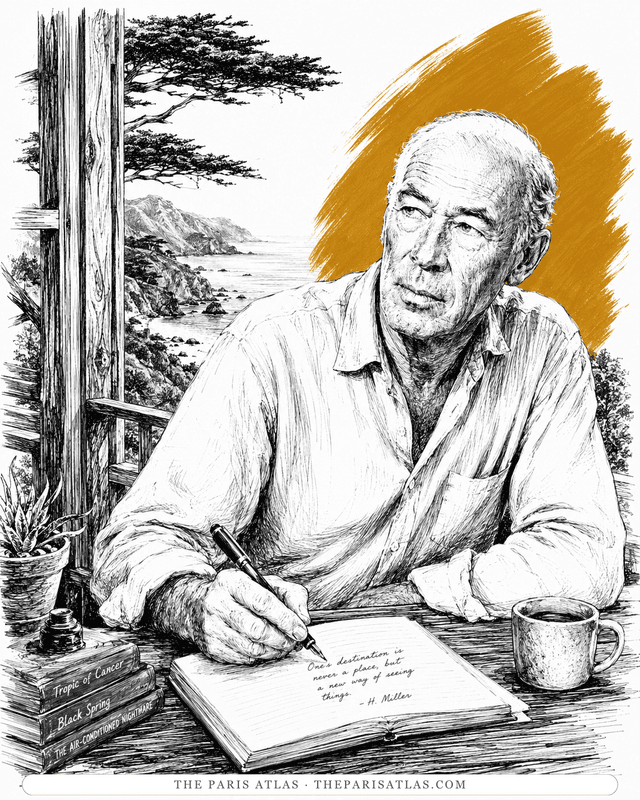
Henry Miller
The Brooklyn dropout who arrived in Paris broke at thirty-eight and wrote the exuberant, banned books that ended American censorship.
View author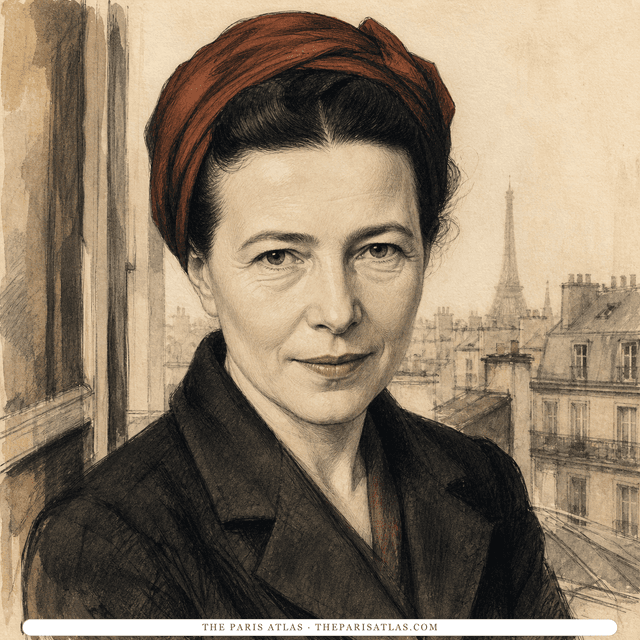
Simone de Beauvoir
French writer and philosopher whose novels, memoirs, and social analysis examined freedom, gender, responsibility, aging, and the material conditions that shape a life.
View author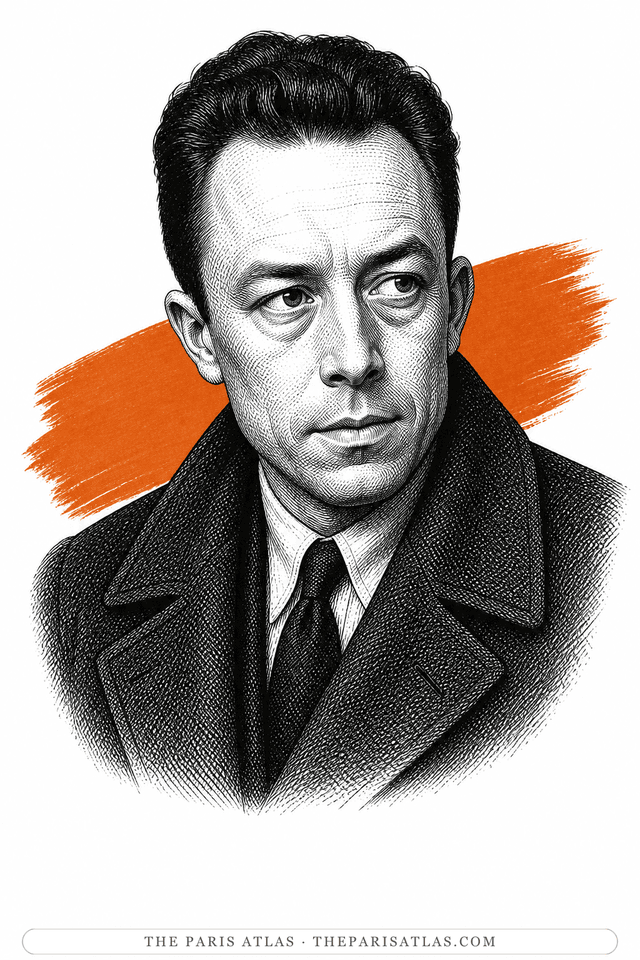
Albert Camus
French Algerian novelist, essayist, journalist and playwright who used the absurd and revolt to ask how people should live without false consolation.
View author