Marceline
Michel’s devoted wife, who nurses him back to health and later grows weaker as his pursuit of freedom intensifies.
To make a shared life with Michel in which love, home, faith, and mutual care can hold together.
The book

At a glance
- Barely twenty at marriage
- An orphan with two brothers
- Catholic
- Michel’s wife
- France to Tunisia and Algeria
Who they are in the book
Spoiler-freeMarceline is barely twenty when she marries Michel. An orphan living with her two brothers, she brings little money to the marriage and enters it knowing her husband respects her more than he desires her. Michel first truly notices her beauty only after they have left Marseille on their honeymoon.
When Michel becomes seriously ill, Marceline takes charge of keeping him alive. She finds doctors and rooms, manages food and travel, writes letters, and stays beside his bed. Michel survives because she moves him from Sousse to Biskra and nurses him throughout his recovery.
Marceline never gets to tell her own side of the story because Michel is the narrator. Readers learn what she thinks from her prayers, tears, silences, brief objections, and growing exhaustion. She sees the danger in Michel’s new belief that strength and personal freedom matter most: it gives him an excuse to abandon anyone who is weak.
How Marceline Is Portrayed
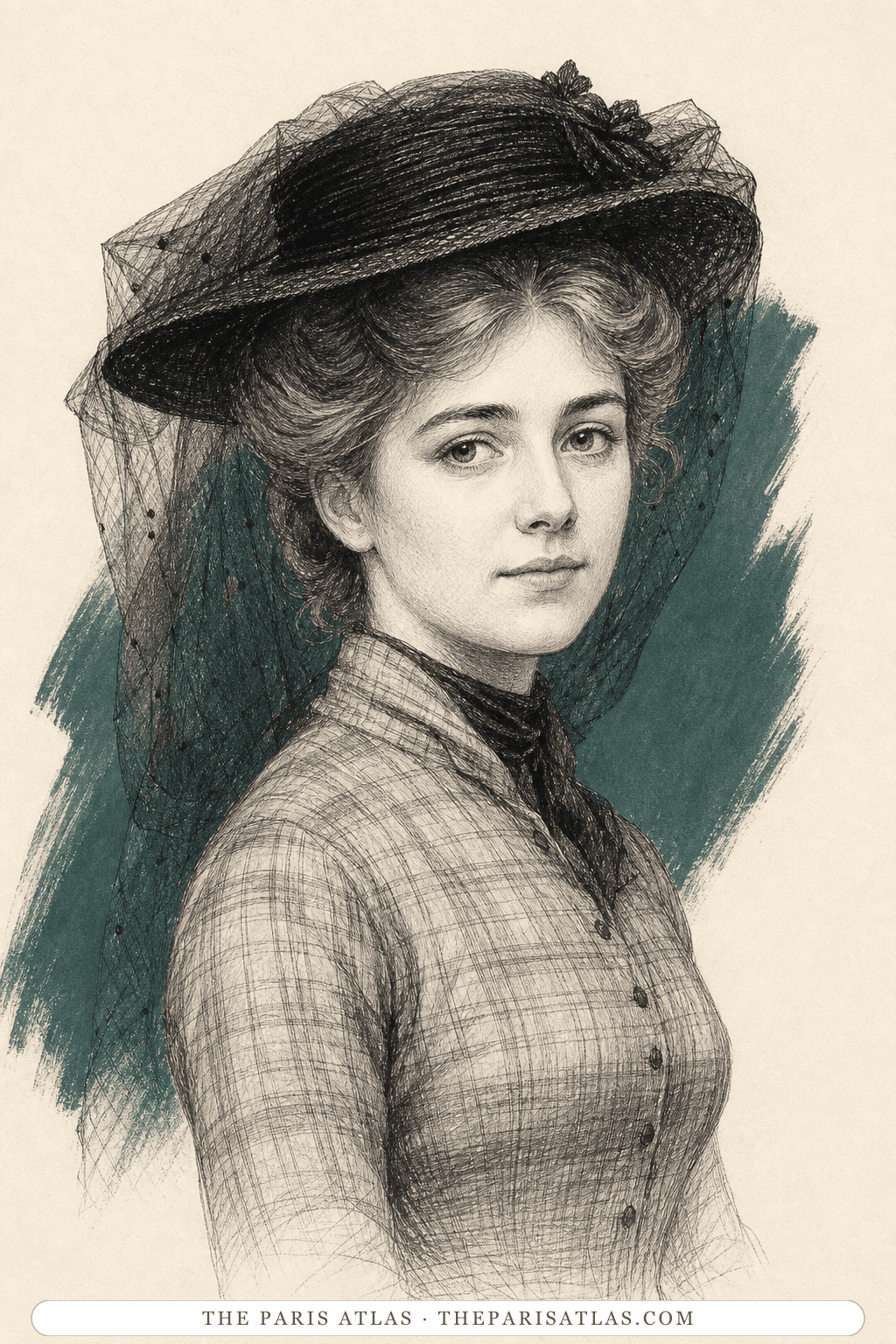
- Fair and strikingOn the honeymoon ship Michel describes her as very pretty, fair without looking delicate, in a black straw hat with a large veil and a Scotch-plaid bodice and skirt.
- Tender without displayHer affection often appears in a fixed look, a quiet smile, a hand on Michel’s forehead, or the way she leans against him rather than in long speeches.
- Capable in crisisOnce Michel is ill, she settles routes and lodgings, manages his meals, writes on his behalf, and nurses him without showing him how frightened she is.
- Catholic and prayerfulShe goes to Mass and prays for Michel. His rejection of prayer troubles her because he treats accepting help—even from God—as a form of dependence.
- Emotion shows quicklyMichel notices that even a small feeling changes her expression. She tries to smile through fear, but her shock, grief, and hope are easy to see.
- Changed by illnessAs tuberculosis advances, Marceline becomes pale, thin, tired, and quiet. Michel describes her features as increasingly delicate while continuing to insist that he loves her deeply.
Marceline becomes pregnant at La Morinière. In Paris she suffers sickness and pain during a night Michel spends with Ménalque; by the time he returns, she has lost the child. Phlebitis and a blood clot follow and leave her badly weakened. Michel privately connects her later tuberculosis to the period when she nursed him, though her doctor says the trouble began earlier and the clot was only a contributing cause.
Michel moves her through Switzerland, Italy, and North Africa while her strength fades. At Touggourt she suffers a catastrophic hemorrhage during his absence and dies by morning. He removes her body from the sand-threatened French cemetery and buries her at El Kantara in the shade of a garden she had liked. Marceline’s story reveals the cost of Michel’s freedom: she saved his life, but when she becomes ill, his choices make her final months even harder.
If you like The Immoralist


If you like André Gide
Explore authors with a similar voice, perspective, and influence.
Henry Miller
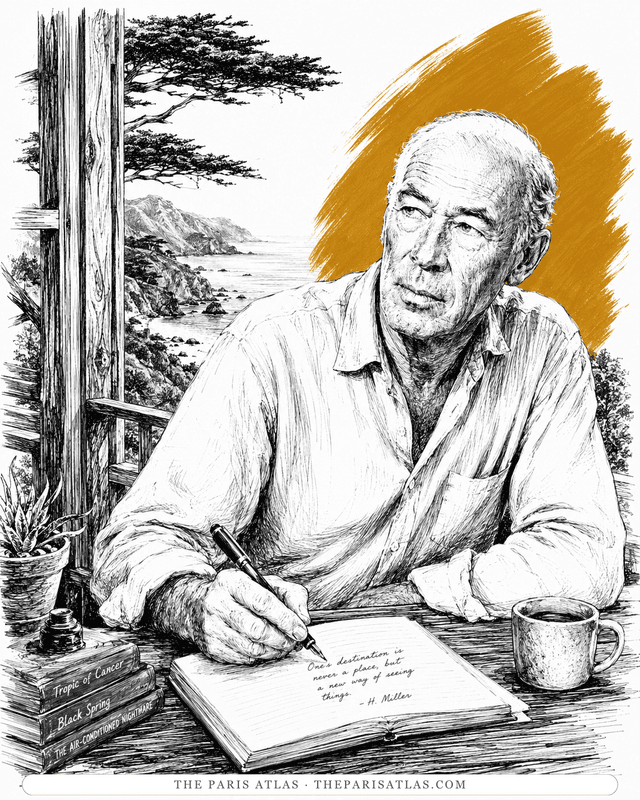
The Brooklyn dropout who arrived in Paris broke at thirty-eight and wrote the exuberant, banned books that ended American censorship.
View author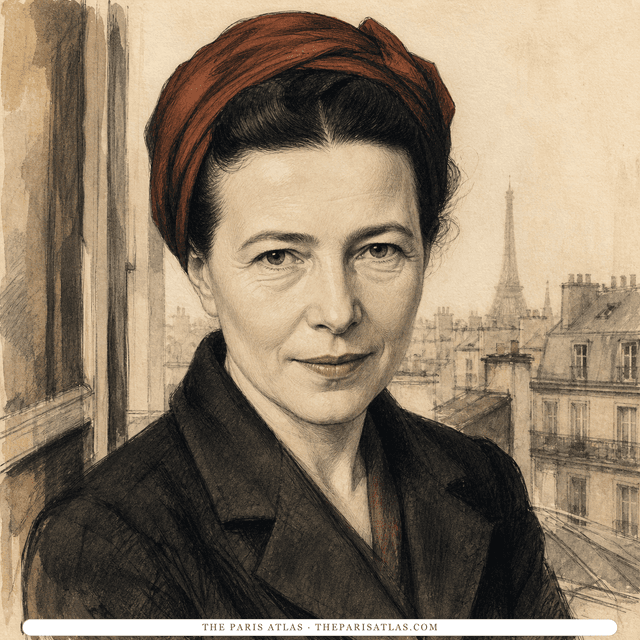
Simone de Beauvoir
French writer and philosopher whose novels, memoirs, and social analysis examined freedom, gender, responsibility, aging, and the material conditions that shape a life.
View author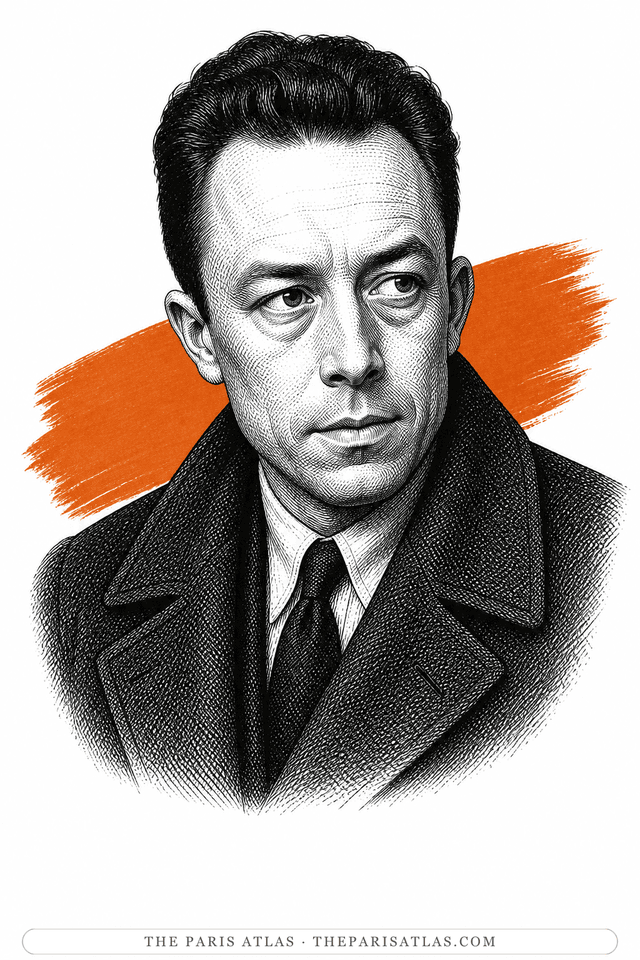
Albert Camus
French Algerian novelist, essayist, journalist and playwright who used the absurd and revolt to ask how people should live without false consolation.
View author