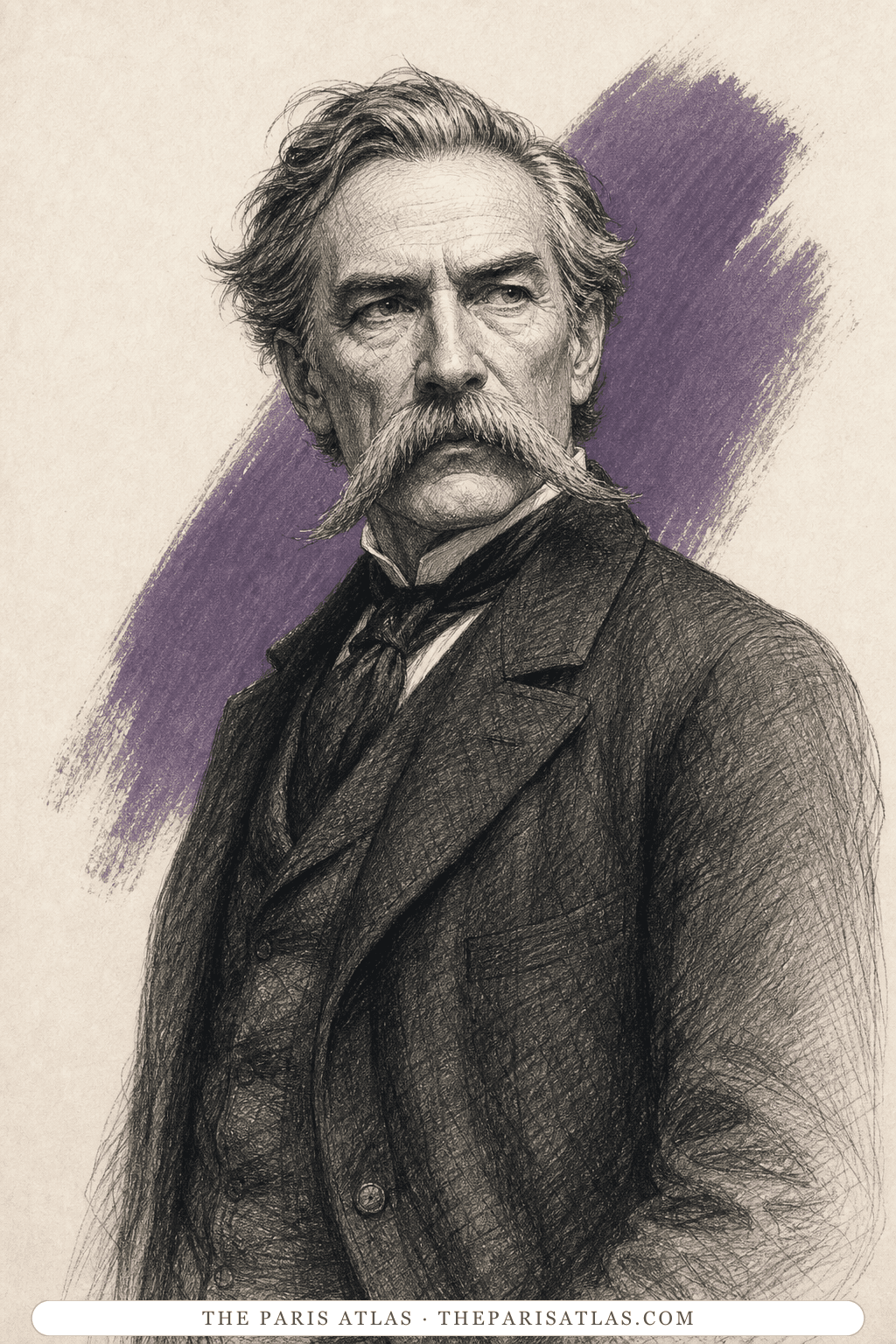
Ménalque
A worldly acquaintance who distrusts possessions, habit, and moral rules and gives Michel’s restlessness a philosophy.
To stay alert and ready for whatever comes next, without letting possessions, routines, or memories control him.
The book

At a glance
- Explorer and government emissary
- Hotels between extended voyages
- A possible model for the life Michel wants
- Marceline’s stolen scissors
Who they are in the book
Spoiler-freeMénalque is a traveler and public figure who passes through Paris between long expeditions. A recent lawsuit has made him socially notorious, but public disapproval only sharpens Michel’s interest: Ménalque seems independent of the approval, possessions, and routine that still bind him.
Ménalque lives in hotel rooms decorated with valuable textiles that he plans to give to a museum once they are worn. He avoids getting drunk or drugged because he wants to remain fully alert, and he believes comfort makes people stop paying attention to life. Because he actually lives by these beliefs, his example influences Michel more strongly than any argument could.
Ménalque does more than tempt Michel to abandon convention. He reminds Michel that he already has a wife, an expected child, a home, a career, and an estate. No one can live every possible life, he says; a person has to choose. Michel eagerly adopts his contempt for habit but pays less attention to that warning.
How Ménalque Is Portrayed
- Distinguished, almost handsomeMichel gives him the face of a pirate, crossed by an enormous drooping grey moustache, with eyes that burn coldly.
- Courage before kindnessHis gaze communicates decision and nerve more than warmth. Marceline takes an immediate dislike to him even while he observes social courtesies.
- Rarely smilesBecause his smile is uncommon, Michel reads receiving one as a mark of special recognition and is quickly flattered by his attention.
- Restless indoorsDuring serious conversation he paces like a caged animal, bends toward the fire, falls into long silences, and then breaks abruptly into speech.
- Luxurious but unattachedHe travels with fine objects and servants yet insists the hotel, furniture, and even the bed are not his. Richness interests him; ownership does not.
- Pale and overwrought before departureOn his last night with Michel, excitement and strain show physically. His philosophy is not presented as effortless calm but as an intensely maintained way of living.
Ménalque tells Michel that Moktir claimed to have seen Michel watching him steal Marceline’s scissors. Ménalque warns that Moktir may be lying. Michel had imagined that the theft created a private bond between him and the boy, but this new version suggests that Moktir may have understood him first. The damaged scissors remind Michel of the desires and dishonesty he has been hiding.
Before leaving on another journey, Ménalque warns Michel that no one can pursue every possible life: happiness requires a choice. Michel copies Ménalque’s rejection of routine and possessions, but not his independence or sense of purpose. Ménalque shows Michel how to leave his old life, not what to do afterward.
If you like The Immoralist


If you like André Gide
Explore authors with a similar voice, perspective, and influence.

Henry Miller
The Brooklyn dropout who arrived in Paris broke at thirty-eight and wrote the exuberant, banned books that ended American censorship.
View author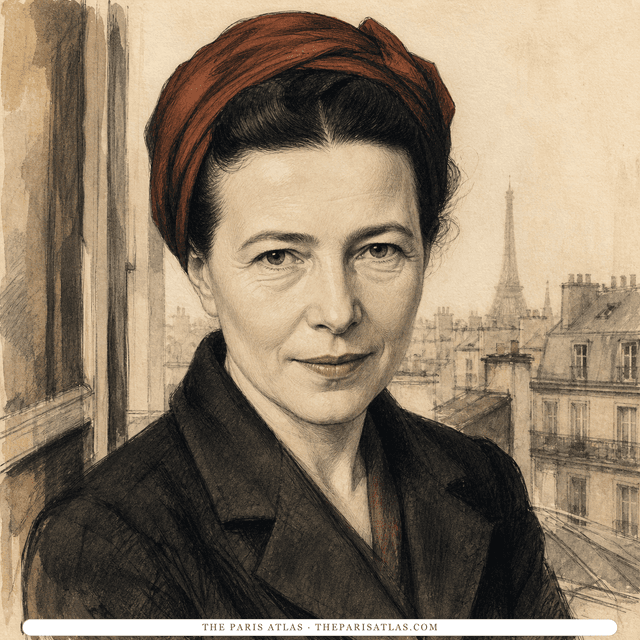
Simone de Beauvoir
French writer and philosopher whose novels, memoirs, and social analysis examined freedom, gender, responsibility, aging, and the material conditions that shape a life.
View author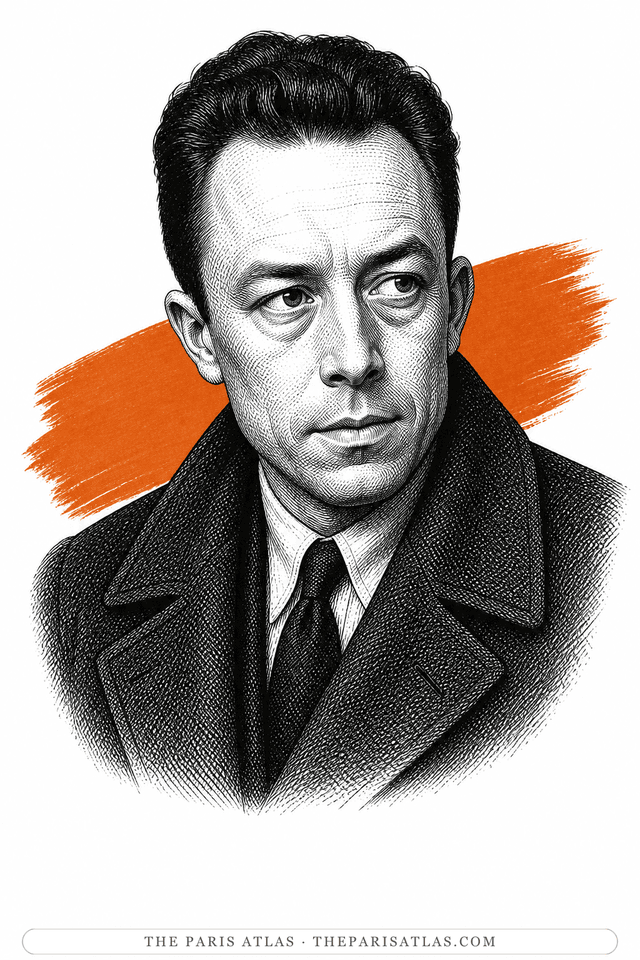
Albert Camus
French Algerian novelist, essayist, journalist and playwright who used the absurd and revolt to ask how people should live without false consolation.
View author