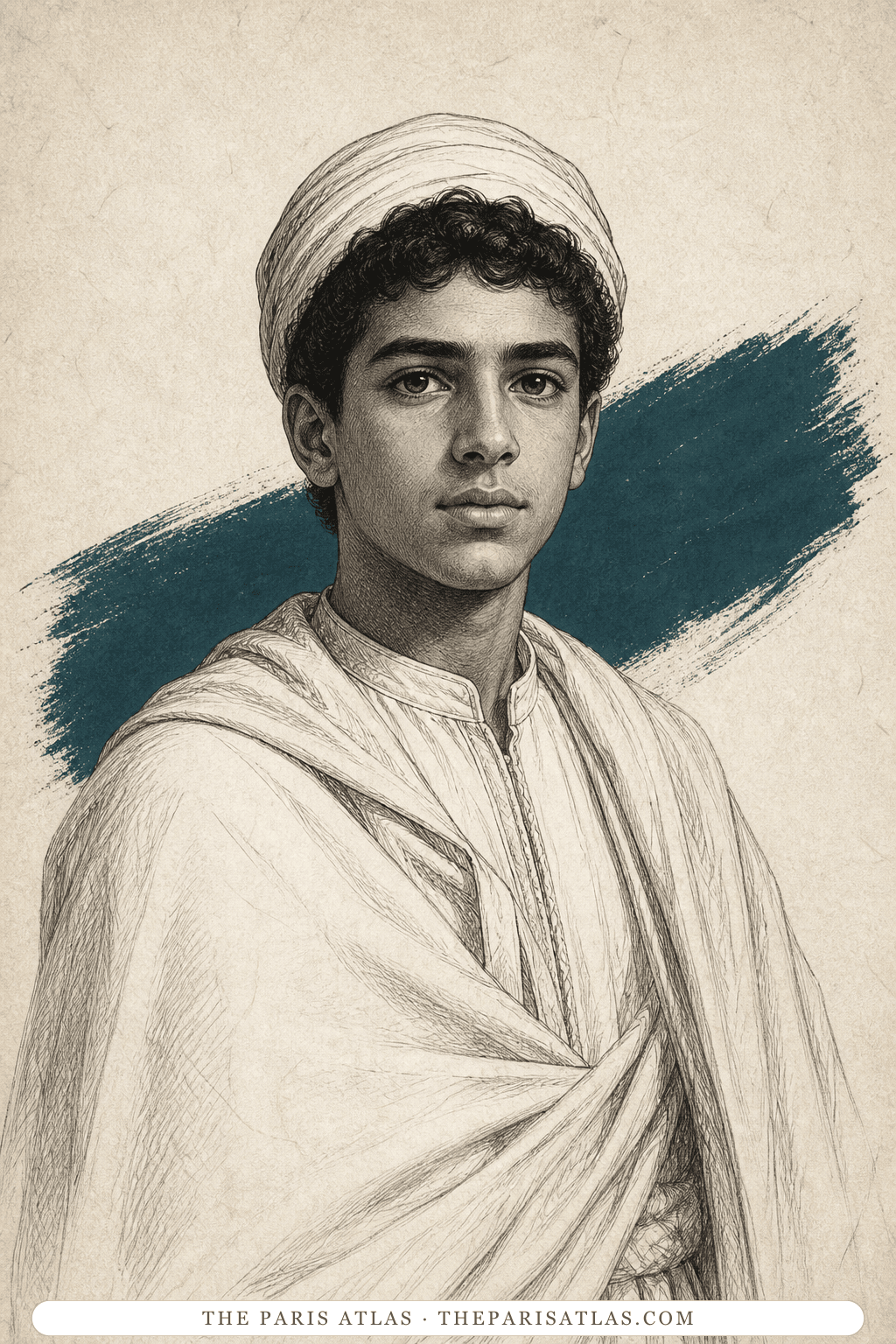
Moktir
The boy whose theft of Marceline’s scissors fascinates Michel as an image of life outside moral restraint.
The book

At a glance
- Biskra
- One of Marceline’s young protégés; Michel’s favorite
- Marceline’s stolen scissors
- Recently released from prison
Who they are in the book
Spoiler-freeMoktir is one of several local boys whom Marceline brings to visit Michel while he recovers in Biskra. Michel is immediately struck by his intense eyes and good looks. Moktir becomes central to the story when he quietly steals Marceline’s small scissors and hides them inside his cloak.
Michel sees the theft in a mirror and feels excited instead of angry. He lies to Marceline about the missing scissors and begins treating Moktir as his favorite. Later, Moktir claims that he saw Michel watching him. If that is true, the boy understood Michel better than Michel realized. The novel never confirms whether Moktir was telling the truth.
Michel gives Moktir’s theft a grand meaning, but Moktir never explains himself. What readers actually see is more practical: he steals, lies, survives prison, knows the streets of Touggourt, and guides Michel through places Michel could not navigate alone.
How Moktir Is Portrayed
- Dark, intense eyesMichel first notices Moktir’s dark, intense gaze. Because he cannot tell what the boy is thinking, he becomes even more fascinated by him.
- Exceptionally handsomeBoth Michel and Ménalque describe his beauty as unusual. On Michel’s return years later, he appears stronger and more physically impressive than memory had made him.
- Silent-footed thiefHe crosses the room without noise, palms the scissors, and hides them in his clothes in a single quick movement.
- Sees the watcherMoktir later tells Ménalque that he noticed Michel’s eyes in the mirror while pretending not to. Ménalque repeats the claim but explicitly doubts whether it is true.
- A practiced liarMénalque finds him difficult to question even after bribing him and cannot be certain that Moktir’s claim of telling the truth is anything but another lie.
- At ease as guideIn Touggourt he waits for Michel at night, laughs, and leads him through the town and into a café with the assurance of someone moving on familiar ground.
Ménalque later produces the ruined scissors and repeats Moktir’s claim that he knew he was being watched. When Michel returns to Biskra, Moktir has just left prison, is lying low, and is shunned by the other boys, but Michel finds his strength and beauty undiminished. He impulsively invites him to travel with the couple to Touggourt.
There Moktir becomes Michel’s nighttime guide. He leads Michel to a café and introduces him to his mistress; Michel remains with the woman while Moktir plays with a rabbit. Moktir does not make Michel abandon his wife. He simply guides Michel to the café where Michel chooses a new experience over staying beside the critically ill Marceline.
If you like The Immoralist


If you like André Gide
Explore authors with a similar voice, perspective, and influence.
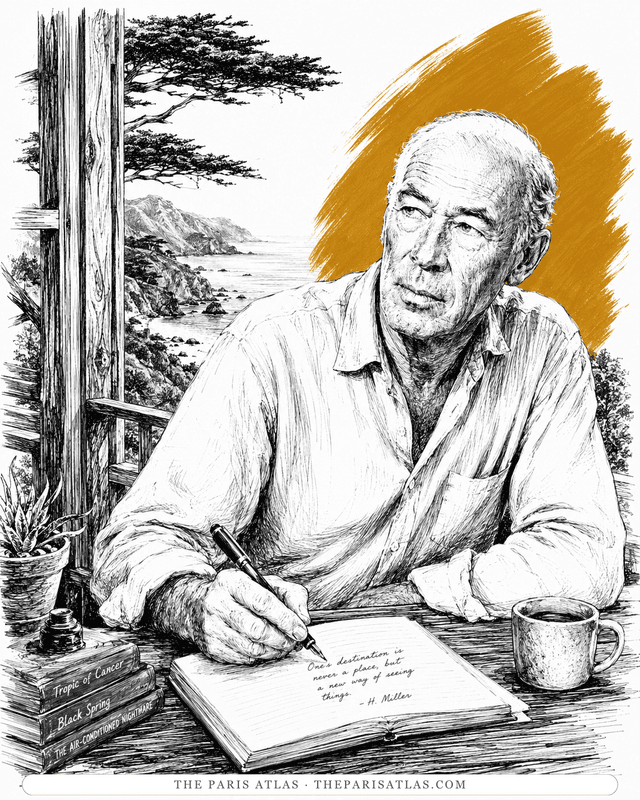
Henry Miller
The Brooklyn dropout who arrived in Paris broke at thirty-eight and wrote the exuberant, banned books that ended American censorship.
View author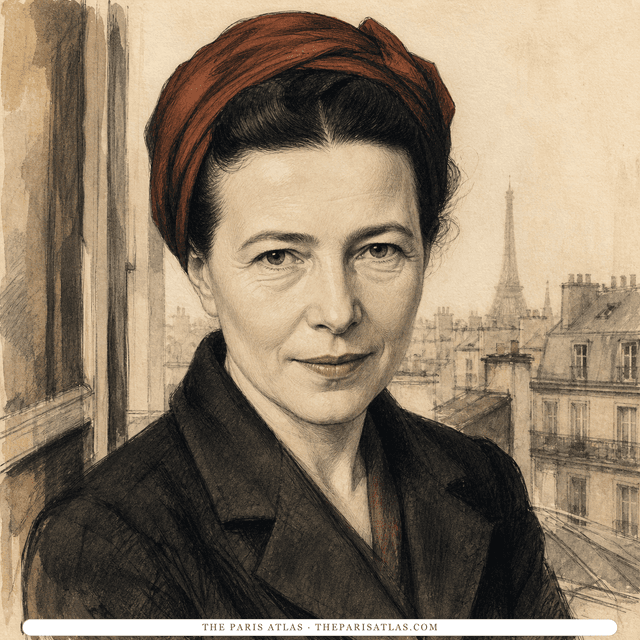
Simone de Beauvoir
French writer and philosopher whose novels, memoirs, and social analysis examined freedom, gender, responsibility, aging, and the material conditions that shape a life.
View author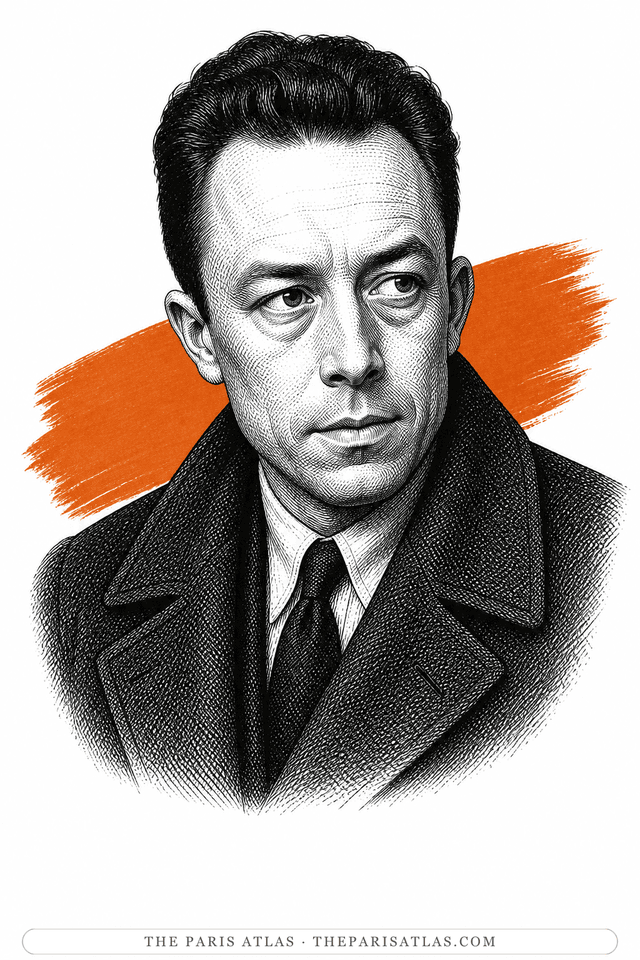
Albert Camus
French Algerian novelist, essayist, journalist and playwright who used the absurd and revolt to ask how people should live without false consolation.
View author