Charles
The teenage son of Michel’s estate manager, serious about La Morinière and disgusted when Michel begins undermining its order.
To make La Morinière productive and well run, and to have its owner accept the duties that come with the land.
The book

At a glance
- Past seventeen
- Bocage’s son and Alcide’s brother
- A model farm near Alençon
- Farm management and animal handling
- La Morinière, Normandy
Who they are in the book
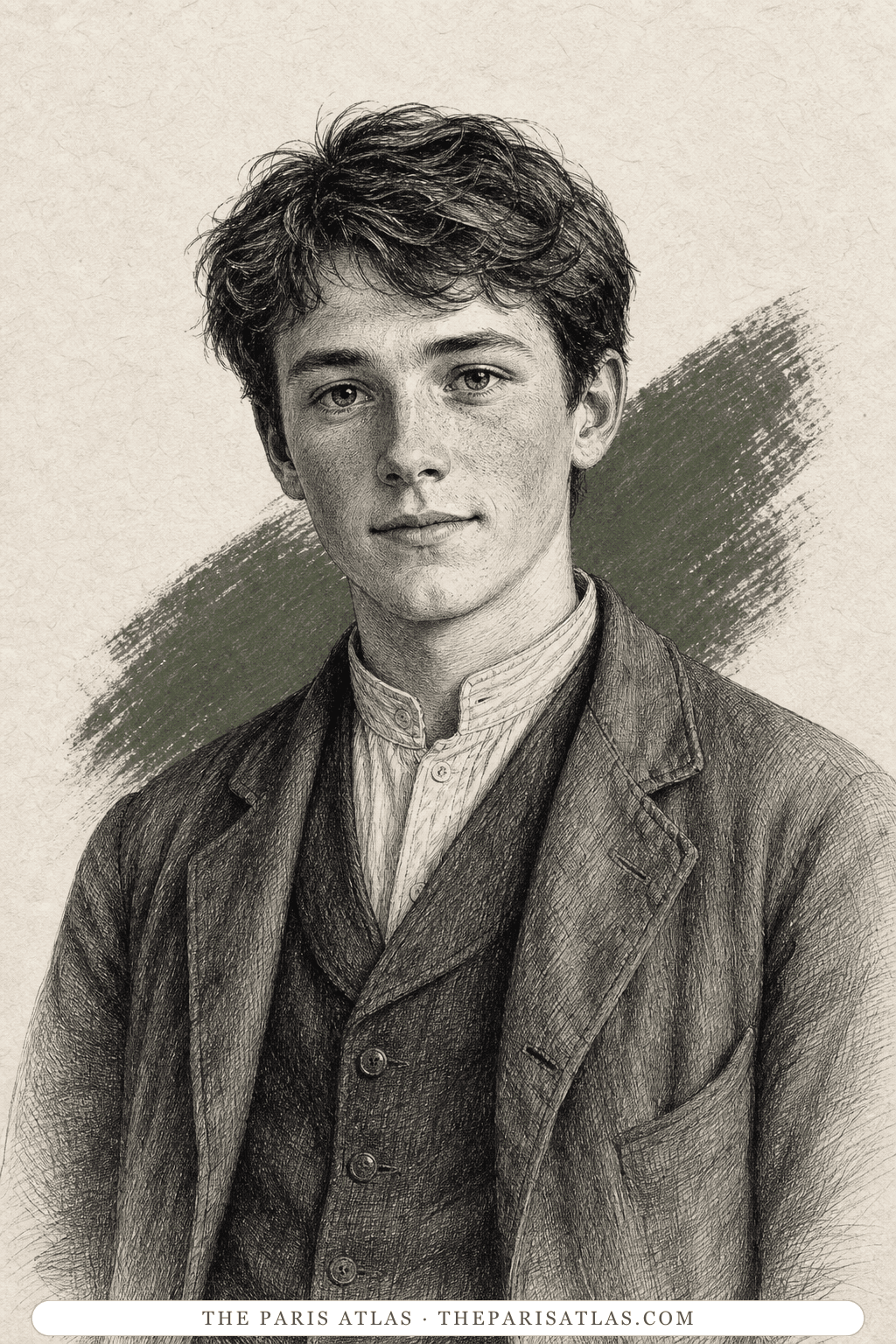
Spoiler-freeCharles is Bocage’s son, just past seventeen when he returns from training at a model farm near Alençon. He combines the health Michel admires with practical intelligence, reserve, and a serious interest in the land. Their first season together is full of fishing, riding, farm inspection, and plans for reform.
Charles understands La Morinière, Michel’s Normandy estate, better than Michel does. He knows its tenants, rents, neglected fields, labor costs, and cattle. He clearly explains how poor farming is lowering the land’s value, and he trains a badly handled colt with patience instead of force. For a time, his skill makes Michel interested in improving the estate.
Charles becomes inconvenient to Michel because he expects the owner to act responsibly. Michel wants to explore the workers’ secrets and join the poachers without protecting the property or the people who depend on it. Charles is the only person who directly tells him that an owner cannot secretly damage the estate everyone else is working to maintain.
How Charles Is Portrayed
- Past seventeen, looks fifteenBright, childlike eyes and naturally red cheeks make Charles look younger than his age even though he is already a strong, capable worker.
- Strong and agileMichel notices an exuberantly healthy, well-made body that even stiff town clothes cannot make ridiculous.
- Speaks only with a reasonUnlike the talkative Bocage, Charles is clear and unembarrassed but does not fill silence merely to hear himself speak.
- Practical eyeHe reads neglected fields, rents, labor, cattle, and capital quickly. He understands the practical details of running a farm, while Michel is more interested in theories and private experiments.
- Gentle with horsesHe trains the colt with rope, voice, stroking, balance, and patience, holding a whip but never using it in Michel’s sight.
- Serious in confrontationIn the final confrontation he speaks with increasing confidence, bows formally, and maintains dignity while accusing Michel of undoing the estate’s work.
After further training, Charles returns in a bowler hat and with new whiskers. Michel, whose interests have shifted from improving the farms to spying on laborers and seeking disorder, finds the respectable young man suddenly tiresome and avoids him.
Charles discovers that Michel has been financing poachers and defeating the estate’s own protections. He tells Michel that one cannot defend the keeper and the poacher at once and that possessions impose duties. When he warns that he and Bocage may leave, Michel responds by deciding to sell La Morinière. Charles has not changed for the worse. Michel has simply stopped valuing the qualities he once admired in him.
If you like The Immoralist


If you like André Gide
Explore authors with a similar voice, perspective, and influence.
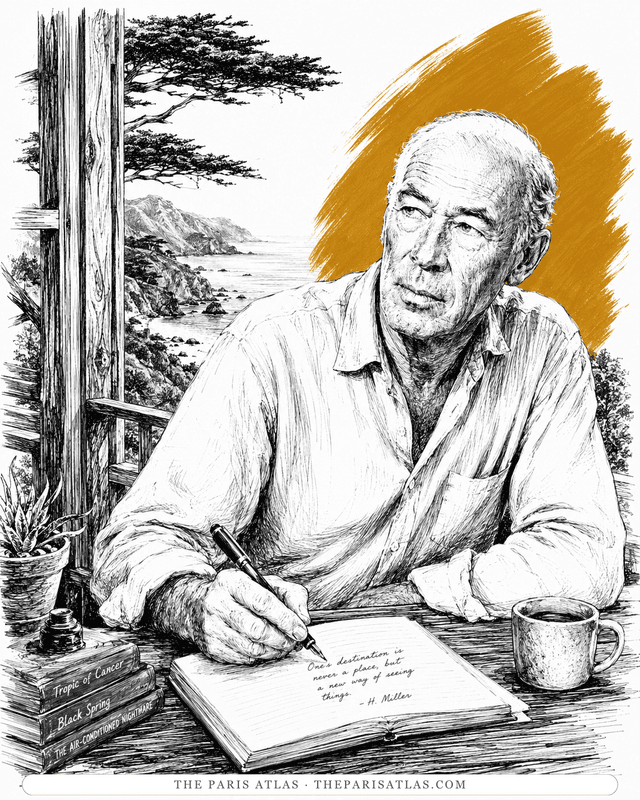
Henry Miller
The Brooklyn dropout who arrived in Paris broke at thirty-eight and wrote the exuberant, banned books that ended American censorship.
View author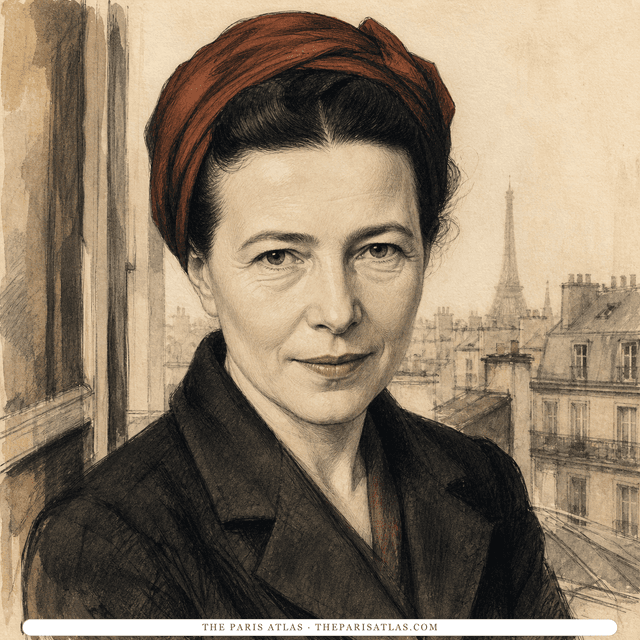
Simone de Beauvoir
French writer and philosopher whose novels, memoirs, and social analysis examined freedom, gender, responsibility, aging, and the material conditions that shape a life.
View author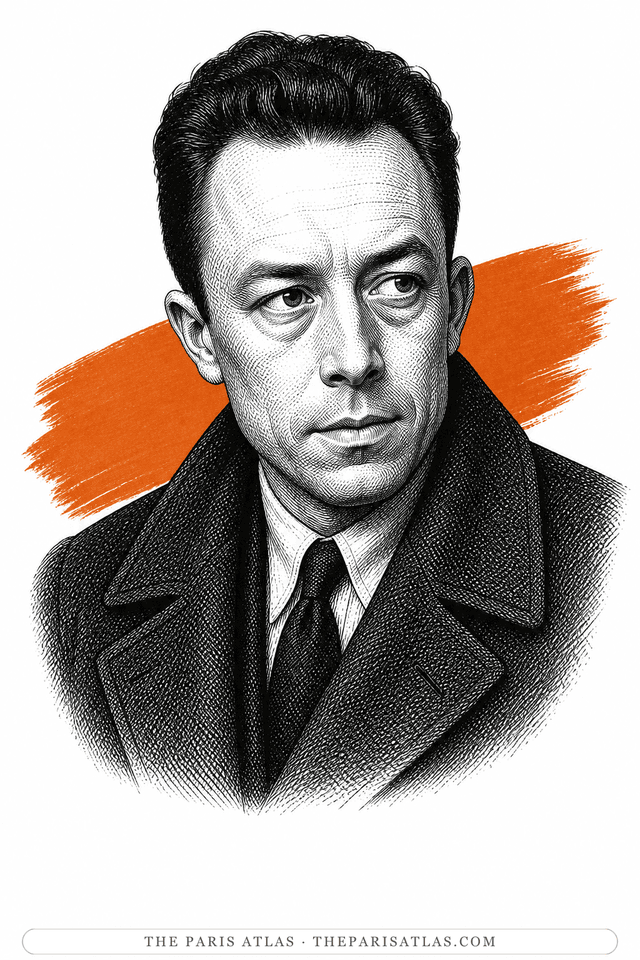
Albert Camus
French Algerian novelist, essayist, journalist and playwright who used the absurd and revolt to ask how people should live without false consolation.
View author