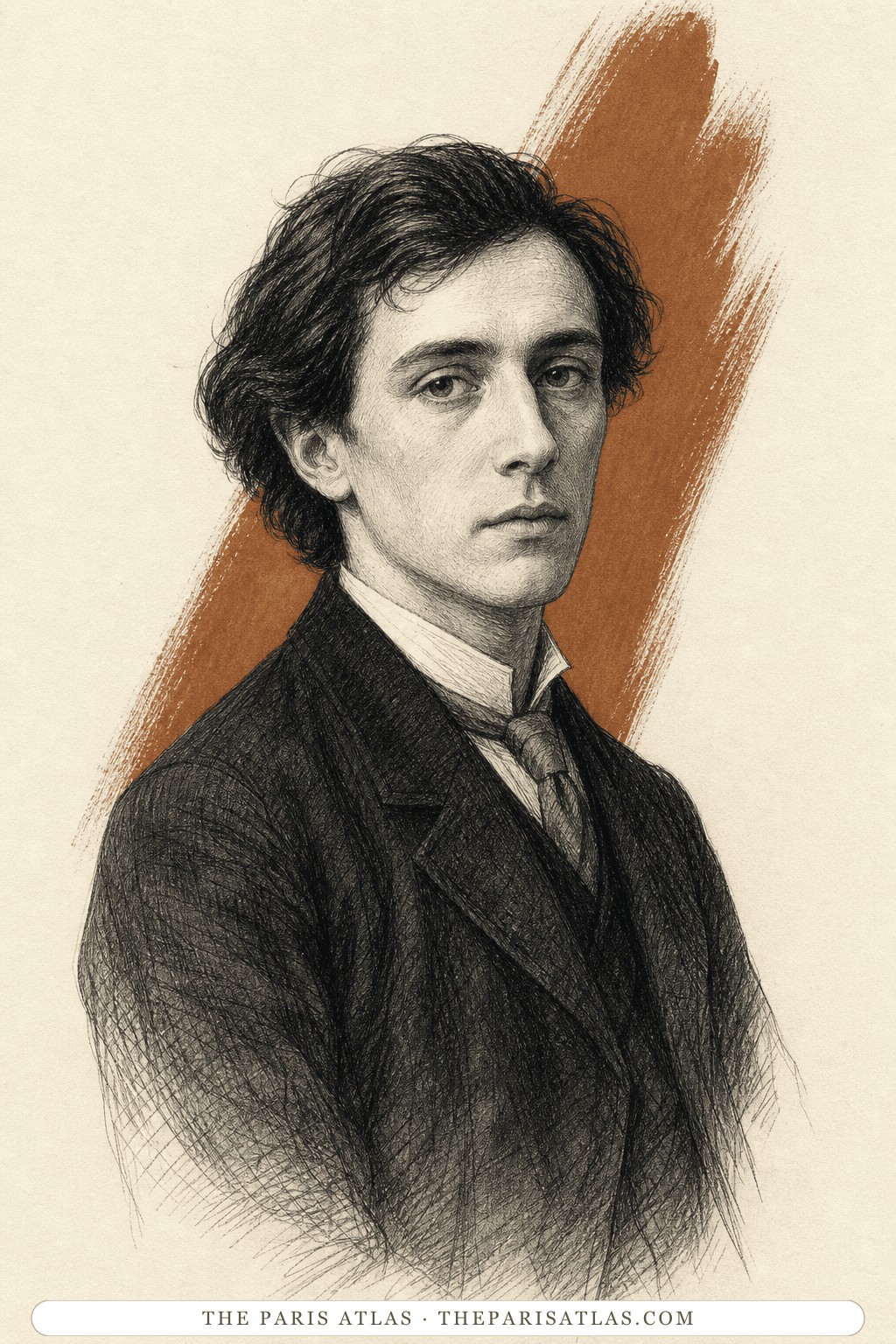
Michel
The scholar and narrator whose recovery from tuberculosis awakens an appetite for physical life and a suspicion of every obligation.
To feel fully alive and free from the rules, possessions, and fixed identity that shaped his earlier life.
The book

At a glance
- About twenty-four or twenty-five at marriage; confession roughly three years later
- Scholar and lecturer in ancient history and religion
- Paris and the inherited Normandy estate La Morinière
- Raised Protestant; later resistant to religious obligation
- First-person confessor
Who they are in the book
Spoiler-freeMichel is about twenty-four or twenty-five when he marries Marceline; the confession occurs roughly three years after the wedding. He is a wealthy scholar trained by his father in Latin, Greek, Hebrew, Sanskrit, Persian, and Arabic. Books and ruins have occupied him so completely that he reaches adulthood knowing far more about ancient cultures than about his own health, desires, or wife.
Illness forces Michel to pay attention to his body for the first time. While recovering in Biskra, a city in Algeria, he closely tracks his food, breathing, warmth, sunlight, and returning strength, much as he once studied ancient texts. The healthy children around him fascinate him because their energy seems natural and effortless. After he recovers, he starts to believe that social rules and old habits are hiding the person he really is.
Michel tells the entire story himself, so readers see every character through his point of view. He notices his own selfish behavior, but he is also skilled at explaining it as if he had no other choice. To understand him, readers have to compare what Michel does with the polished version of events he later gives his three friends.
How Michel Is Portrayed
- A life built around booksBefore his illness, Michel is pale, delicate, stooping, and almost wholly identified with scholarship; his long beard and close-cropped hair make him look, in his own later judgment, like an archaeologist and a bookworm.
- Exact about the bodyHe narrates appetite, temperature, sweat, breathing, skin, fatigue, and recovery with clinical concentration. Physical sensation becomes his new field of study.
- Rebuilds his appearanceHe sunbathes, swims in cold spring water, rubs himself with wild thyme, shaves off his beard and moustache, and lets his hair grow. The new face first gives him fear rather than simple pleasure.
- Calm even when compromisedMichel’s voice remains controlled when he describes concealment, theft, cruelty, and neglect. His composure makes it difficult to tell where candor ends and self-justification begins.
- Drawn to vigorHe watches strong, graceful, or unruly young bodies with a mixture of envy, desire, and admiration, often reading health itself as a form of beauty.
- Practices a double lifeMichel shows Marceline the familiar husband she expects while hiding his changing desires and beliefs. Once he starts deceiving her, the deception becomes easy and even enjoyable.
Michel’s pursuit of an unrestrained life turns against the structures he once maintained. He loses interest in the estate, joins poachers who undermine it, decides to sell it, and drags the increasingly ill Marceline through a restless itinerary. He tends her and insists that he loves her, yet repeatedly places his appetite for movement and experience above the stability her condition requires.
In Touggourt, Michel follows Moktir to a café and leaves Marceline alone. He returns to find her hemorrhaging; she dies soon afterward. Three months later he tells his friends that he is free but has no reason for living. He has rejected the values that once guided him but has found nothing meaningful to replace them.
If you like The Immoralist


If you like André Gide
Explore authors with a similar voice, perspective, and influence.
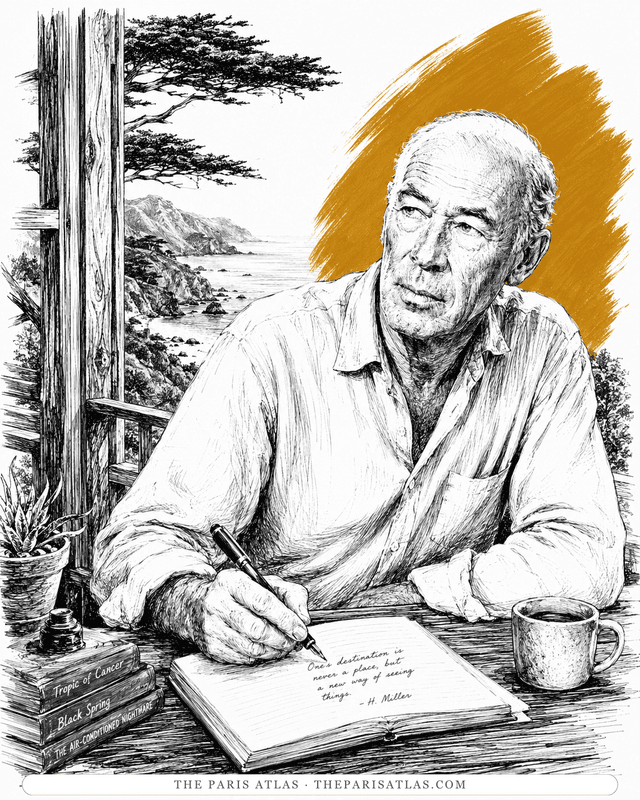
Henry Miller
The Brooklyn dropout who arrived in Paris broke at thirty-eight and wrote the exuberant, banned books that ended American censorship.
View author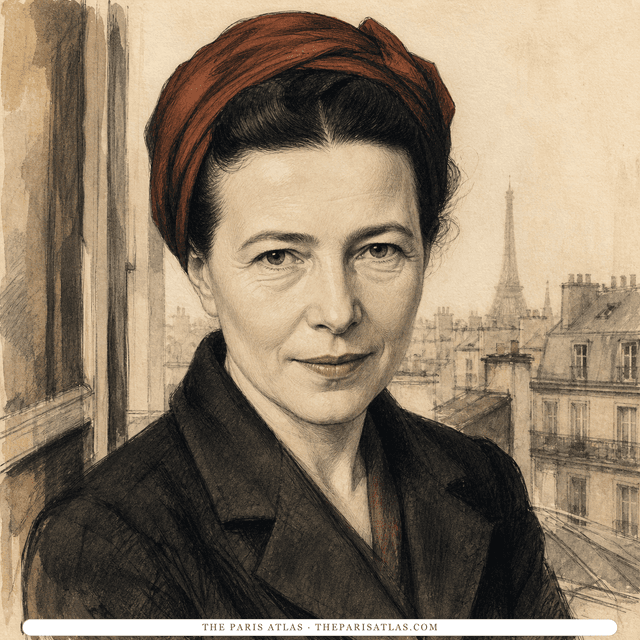
Simone de Beauvoir
French writer and philosopher whose novels, memoirs, and social analysis examined freedom, gender, responsibility, aging, and the material conditions that shape a life.
View author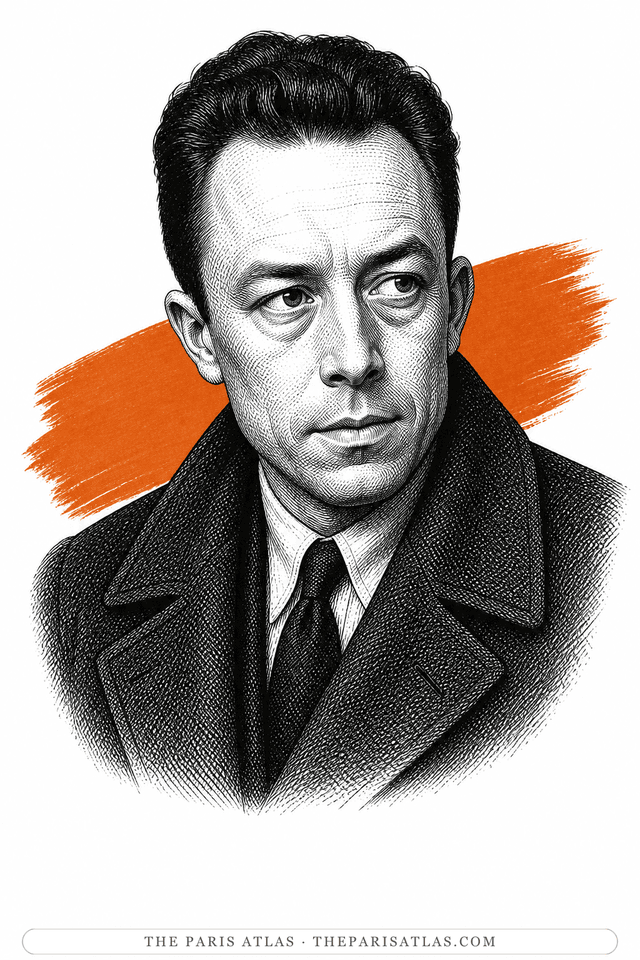
Albert Camus
French Algerian novelist, essayist, journalist and playwright who used the absurd and revolt to ask how people should live without false consolation.
View author