Anne of Austria
The queen regent, forty-six in the chapter that names her, who has forgotten the men who saved her once and needs them again.
The book
Twenty Years After
Alexandre Dumas
At a glance
- Queen regent of France, mother of the boy king Louis XIV
- Anne of Austria, 1601–1666
Who they are in the book
Spoiler-freeAnne of Austria, widow of Louis XIII and regent for the boy Louis XIV, is the real queen the musketeers served in the first book, when they carried her diamond studs back from England. Dumas shows her twenty years older, ruled by Mazarin, and slow to remember the debt.
How Anne of Austria Is Portrayed
- Forty-sixChapter IV is titled for her age, and shows Mazarin reaching her apartments in the Palais Royal by the private corridor that connects his rooms to hers.
- Signing for BrousselIn Chapter XLVIII, with the barricades up and the crowd at the gates, she falls into a chair, takes a pen and signs the order setting Councillor Broussel at liberty.
- The flight from ParisIn Chapters LI and LII she leaves the Palais Royal by night with the king, carried out of the city in the Coadjutor's carriage with d'Artagnan on the box.
- The two signaturesIn Chapter LXXXVIII she signs d'Artagnan's commission as captain and Porthos's patent of nobility, saying as she does the second that here goes the barony.
If you like Twenty Years After


If you like Alexandre Dumas
Explore authors with a similar voice, perspective, and influence.
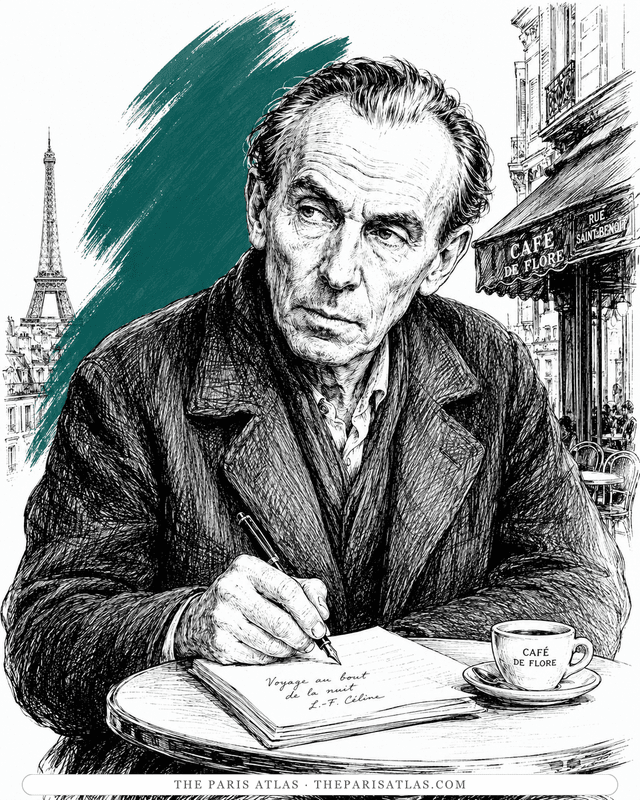
Louis-Ferdinand Céline
The doctor of the Paris slums who wrote the century's blackest, funniest novel — and changed the sound of French prose.
View author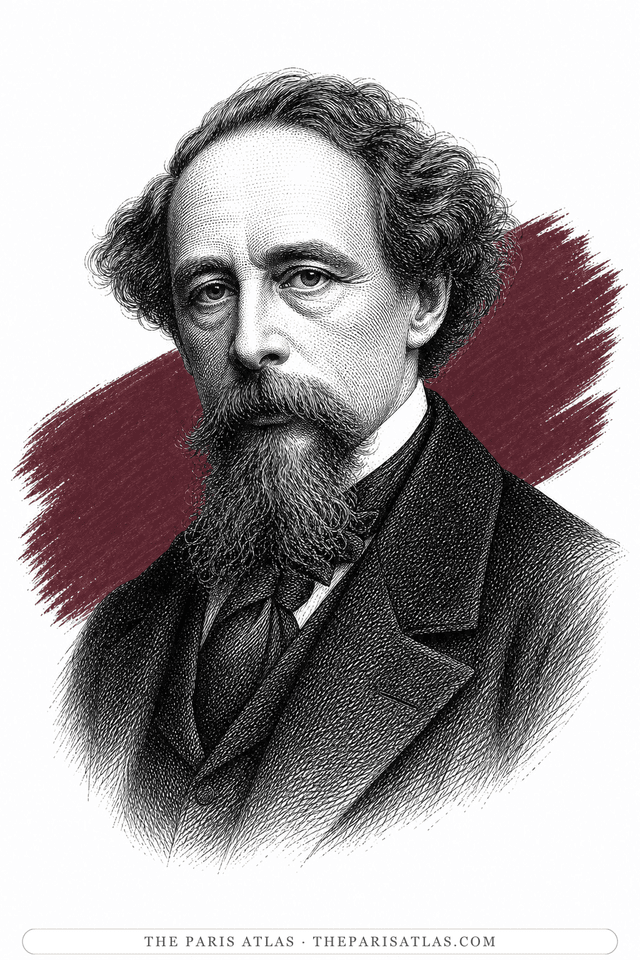
Charles Dickens
The most popular English novelist of the nineteenth century, who was never a Paris resident in the ordinary sense but kept coming back for twenty-five years: one winter in a rented mansion on the rue de Courcelles, a second winter on the Champs-Élysées writing Little Dorrit, repeated compulsive visits to the Paris Morgue — the riverside building where the city displayed its unidentified dead to the public — and a novel of the French Revolution, A Tale of Two Cities, that has shaped how English readers picture Paris ever since.
View author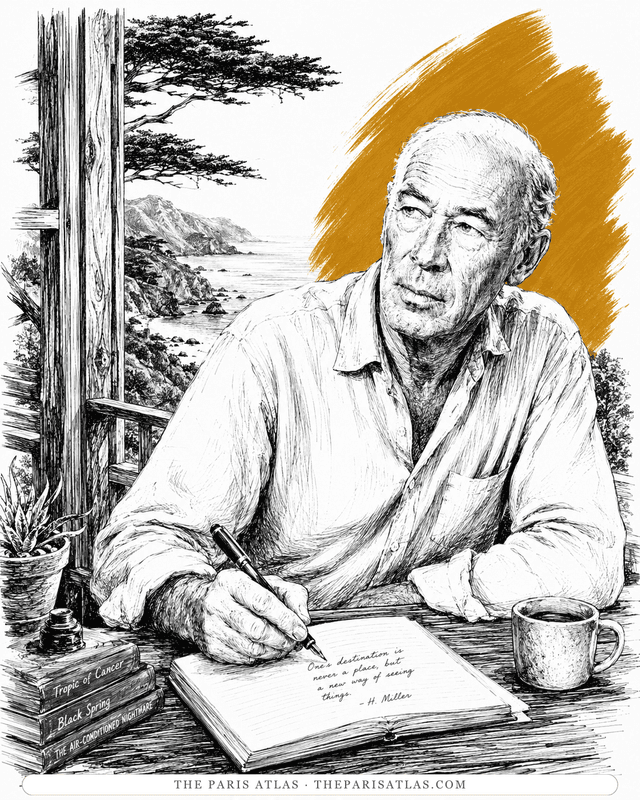
Henry Miller
The Brooklyn dropout who arrived in Paris broke at thirty-eight and wrote the exuberant, banned books that ended American censorship.
View author