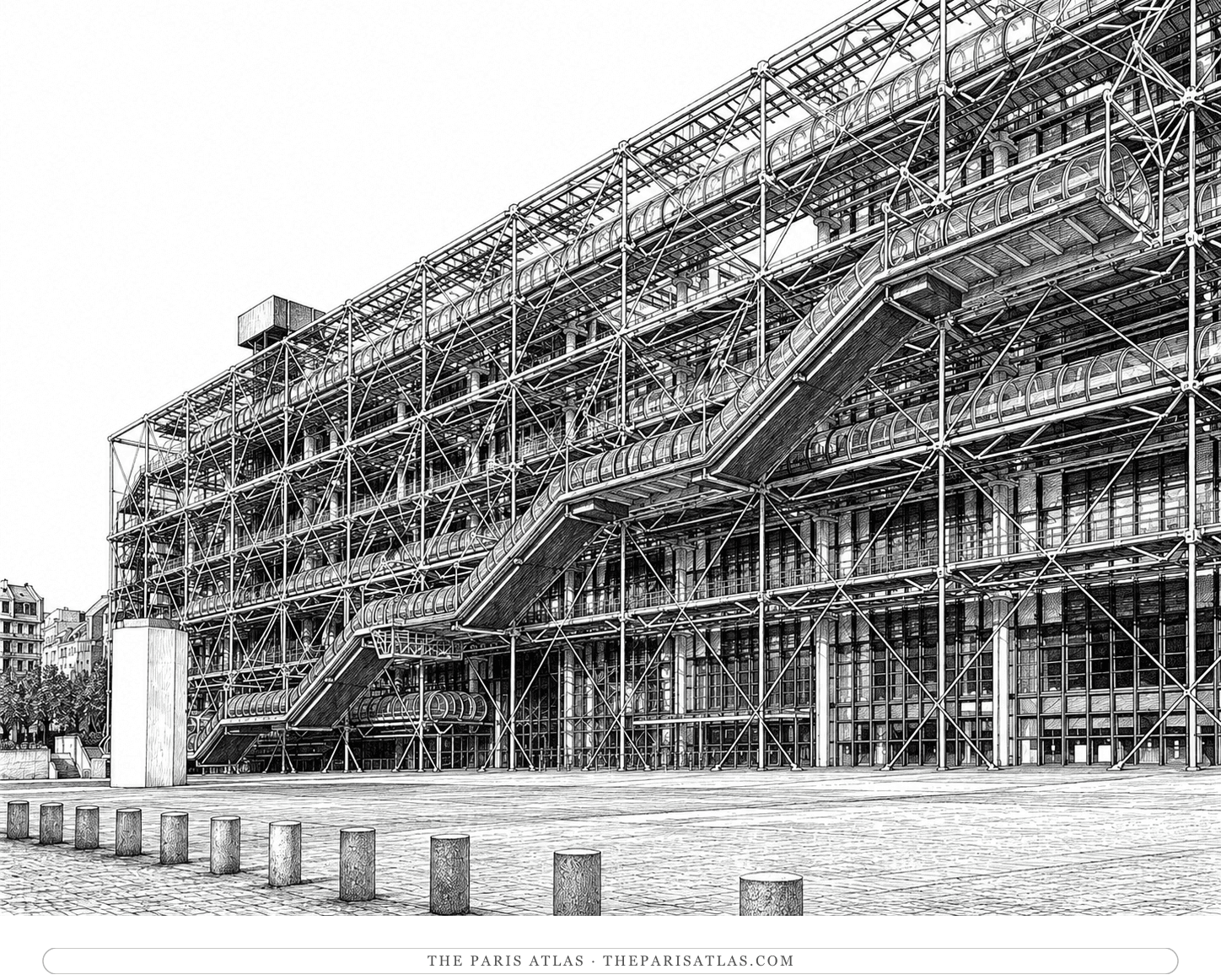
Displayed at
Centre Pompidou
The Musée national d'art moderne holds one of the 1964 Schwarz-edition replicas; the 1917 original is lost. Off view while the building is closed for renovation, 2025–2030.
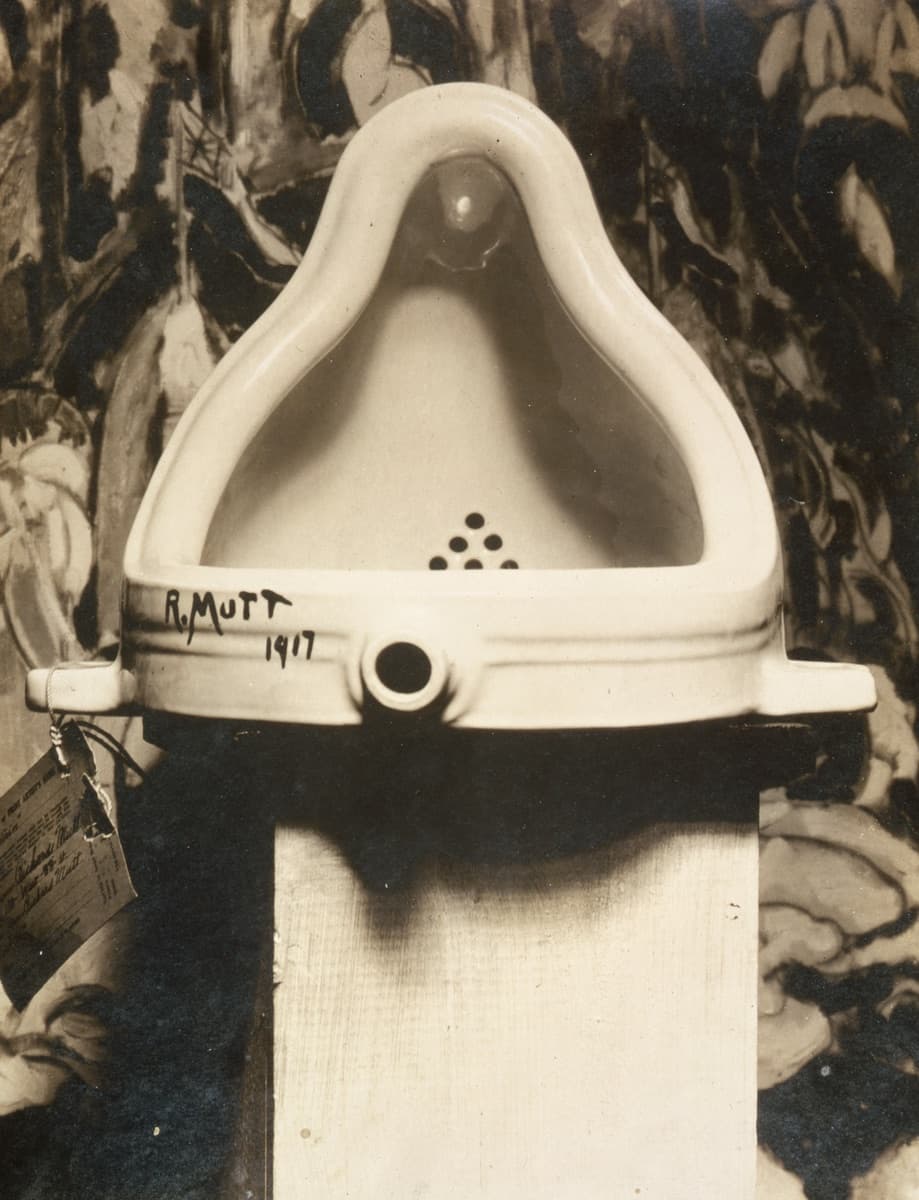
A mass-produced porcelain urinal, turned on its back, signed “R. Mutt 1917,” and submitted to an open New York exhibition that refused to show it. The lost original survives through Alfred Stieglitz's photograph and later replicas authorized by Duchamp.
A standard porcelain urinal lies on its back rather than hanging in its normal plumbing position. The inscription “R. Mutt 1917” runs across one side. Duchamp selected the object, changed its orientation, titled it Fountain, and submitted it as sculpture.
Those actions are materially slight but conceptually exact. Turning the fixture makes its curves and openings newly visible, while the title redirects a receptacle for waste toward an object that gives water. The work asks whether selection, naming, and presentation can constitute artistic making.
Fountain was submitted to the first exhibition of the Society of Independent Artists in New York in April 1917. The Society announced that any artist who paid the entry fee could exhibit, without a jury selecting works. Its board nevertheless withheld the urinal from view. Duchamp, who belonged to the board, resigned.
The refusal revealed the limit inside the supposedly open policy. An ordinary fixture could enter the building and satisfy the fee requirement, yet the organizers still decided it was not art. That institutional decision became part of the work's history.
Duchamp did not submit the object under his own name. “R. Mutt” has often been connected to J. L. Mott Iron Works, the plumbing supplier associated with the purchase, and to the Mutt and Jeff comic strip. The pseudonym prevented Duchamp's reputation from deciding the entry in advance.
The attribution to Duchamp has also been challenged. Some scholars argue that the Dada artist and poet Elsa von Freytag-Loringhoven may have supplied or originated the object, citing a letter in which Duchamp referred to a female friend. Others find that evidence insufficient and retain Duchamp's authorship. The dispute is significant, particularly because women in Dada were often marginalized, but it is not resolved.
After the rejection, Alfred Stieglitz photographed the urinal in his gallery against a painting by Marsden Hartley. The image gives the fixture dramatic lighting and a sculptural presence. Because the original soon disappeared, this photograph became the principal visual record of the 1917 object.
The second issue of the Dada magazine The Blind Man published the photograph with an unsigned defense usually known as “The Richard Mutt Case.” Its central argument was that the object acquired new thought through the artist's choice and new point of view. The controversy therefore circulated through photography and print rather than through direct encounter with the lost object.
Duchamp had already been selecting manufactured objects and calling them readymades. Fountain made that procedure public and confrontational. It removed manual skill, uniqueness, and conventional beauty from the minimum definition of an artwork.
That does not mean every urinal automatically became art. The work depends on a chain of choices: which object, how it was oriented, what it was called, how it was signed, where it was submitted, and how the refusal was documented. The readymade shifted attention from fabrication alone to authorship, context, and judgment.
The 1917 urinal disappeared. Duchamp later authorized replicas, beginning with a full-scale version made for Sidney Janis's 1950 exhibition in New York and followed by other examples, including the 1964 edition produced by Arturo Schwarz in Milan.
The replicas preserve an idea without reproducing the exact industrial model. Their existence makes the problem of originality especially clear: museums hold objects sanctioned by Duchamp, while the most influential evidence for the first Fountain remains Stieglitz's photograph.
Fountain changed the terms on which art could be argued about. It made the artist's designation and the institution's response visible parts of the work, and it treated reproduction as capable of carrying an absent object. Later conceptual, installation, and appropriation practices repeatedly returned to those questions.
Its importance does not require agreement that the object is beautiful or that Duchamp alone conceived it. The unresolved authorship debate, the rejection, the missing original, and the authorized replicas all reinforce the central issue: artistic status is produced through choices, claims, records, and institutions as well as through physical manufacture.
Close reading
Stieglitz's photograph does more than record Duchamp's rejected object: lighting, viewpoint, signature, and exhibition tag turn plumbing into a strangely staged presence. The details show how authorship and display are attached to an ordinary manufactured form.
1.The rim becomes an enclosing silhouette
Seen on its back, the urinal's familiar rim rises like the outline of a hood or niche. The unfamiliar orientation makes recognition arrive slowly, after shape has already begun suggesting other bodies and objects.
2.The drain holes become a graphic constellation
Small black apertures puncture the pale basin in a compact pattern. Removed from use, these functional openings read like deliberate marks composed on a blank ground.
3.The signature manufactures an author
The dark inscription crosses the porcelain where a manufacturer's mark might be expected. It does not prove handiwork; it stages authorship as a claim that can be added to a found thing.
4.The hanging tag records an interrupted exhibition
A small tag ties the object to the administrative world of entries, fees, and display. Its presence sharpens the work's paradox: the urinal was processed as art even as it was denied a place in the exhibition.
5.A rough pedestal grants ceremonial height
The porcelain rests on a plainly built wooden support whose grain and joints remain visible. This makeshift plinth both elevates the fixture and exposes how easily exhibition furniture can confer importance.
6.The backdrop gives the object a shadowed aura
A painted image and strong side lighting create a dark, winglike field behind the white porcelain. Stieglitz's theatrical setting refuses neutral documentation and actively participates in the object's transformation.
1917
Submitted as “Fountain” under the name “R. Mutt” to the Society of Independent Artists in New York, and rejected by the hanging committee even though the show had promised to accept every entry.
1917
Photographed by Alfred Stieglitz and defended in The Blind Man. The original disappeared soon afterward.
1950
Duchamp authorized the first replica, for a New York exhibition, as interest in the readymade revived.
1964
An edition of museum replicas was issued through Galleria Schwarz in Milan, the versions most museums show today.
Original lost; authorized replicas in Tate, the San Francisco Museum of Modern Art, the Centre Pompidou and other collections
The original is lost. Replicas are held by several museums; a specific replica and viewing address have not been selected here.
The original is lost; later authorized versions survive, including a 1950 version in Philadelphia. Displays change, so check the holding museum's own record before making a special visit.
A porcelain urinal submitted under the name “R. Mutt” to a New York exhibition in 1917. It is the best-known readymade: a manufactured object designated and presented as art through selection, orientation, title, signature, and context.
No. A mass-produced urinal was purchased, turned on its back, signed, titled, and submitted. The readymade shifts artistic agency from fabrication alone to selection, framing, and designation.
It was lost soon after 1917. Alfred Stieglitz's photograph is the main record of it. The examples in museums today are replicas Duchamp authorized decades later.
The pseudonym on the urinal. It is commonly connected to J. L. Mott Iron Works and the Mutt and Jeff comic strip, though its precise formation is not fully settled. It kept Duchamp's known name off the submission.
It remains contested. Some scholars argue that the Dada poet and artist supplied or originated the urinal. Others find the documentary evidence insufficient. We record the challenge because it matters, but do not present it as a settled correction.
The Society of Independent Artists promised to exhibit any work whose maker paid the fee, but its board withheld Fountain because members did not accept the urinal as art. The contradiction exposed an institutional judgment inside a no-jury policy.
The original disappeared soon after the controversy, so Stieglitz's 1917 photograph became its principal visual record. It also helped turn the rejected object into a widely circulated argument through The Blind Man magazine.
In the authorized replicas held by museums including Tate, the San Francisco Museum of Modern Art and the Centre Pompidou. No original survives.
Displayed at
The Musée national d'art moderne holds one of the 1964 Schwarz-edition replicas; the 1917 original is lost. Off view while the building is closed for renovation, 2025–2030.
Associated with · 1917
Marcel Duchamp submitted a factory-made urinal signed R. Mutt to the Society of Independent Artists in April 1917, an exhibition advertising no jury. It was withheld from display and Duchamp resigned, which put the question of who decides what counts as art into the open.
Explore sculptors from the same movements and circles.
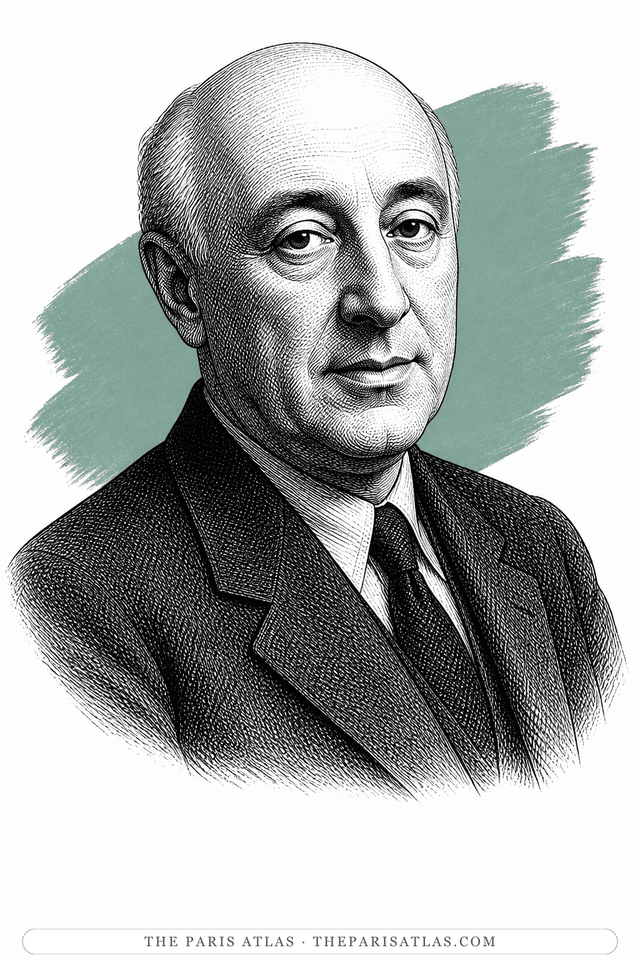
Strasbourg-born sculptor and poet — Hans in German, Jean in French, both all his life — who co-founded Dada at the Cabaret Voltaire in 1916, composed collages by dropping torn paper 'according to the laws of chance', and settled at Meudon outside Paris in a house his wife Sophie Taeuber-Arp designed.
View artist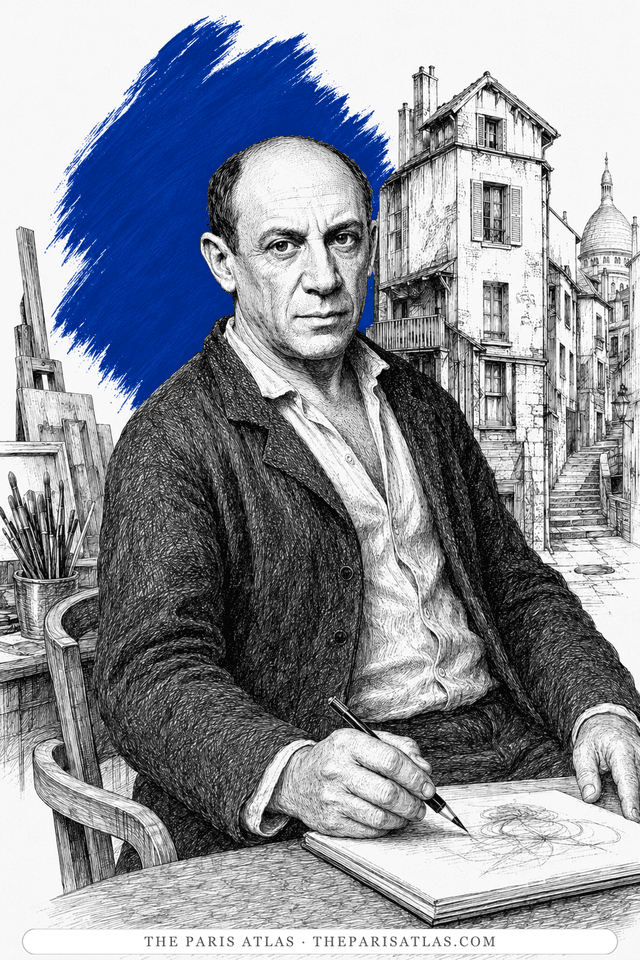
The painter whose canvases papered the walls of 27 rue de Fleurus before the writers arrived — the salon's resident modern master.
View artist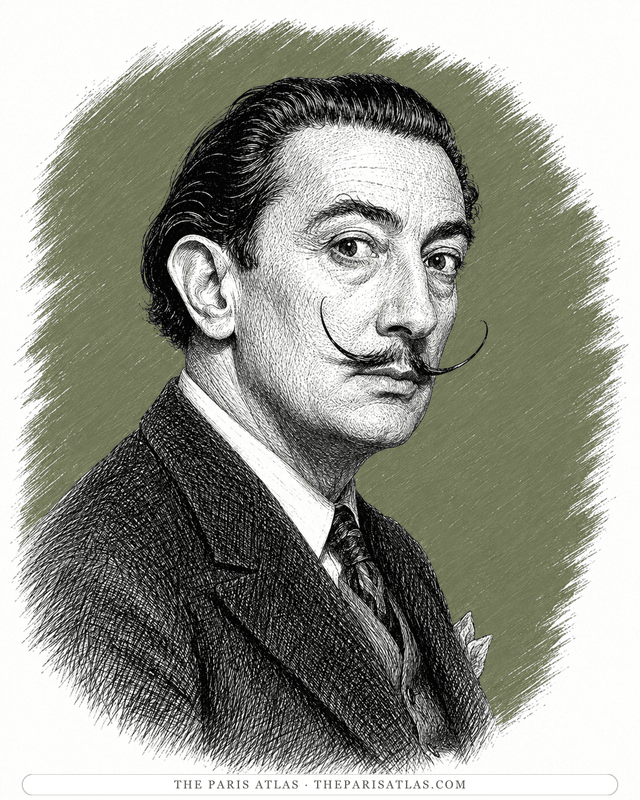
The self-made icon of Surrealism — melting watches and manicured scandal — who arrived in Paris by way of two films written with Buñuel, dreamed together before the movement claimed them.
View artistThe sources below include collection records, catalogues, scholarly research, and primary materials that informed this page. They document Fountain, its making, and its place in cultural history.


The 1964 replica in San Francisco, measured at 38.1 by 49 by 62.5 cm. The measurement belongs to that replica, not to the lost original or to the 1950 version in Philadelphia.
Web source consulted for documented facts and historical context presented on the Fountain page.
Web source consulted for documented facts and historical context presented on the Fountain page.
Web source consulted for documented facts and historical context presented on the Fountain page.
Web source consulted for documented facts and historical context presented on the Fountain page.

Official record used to verify names, dates, institutional details, or other factual information on this page.
These references provide the documented foundation for this work's history and interpretation. Claim-level citations remain attached to the specific claims they support.
 Explore more resources