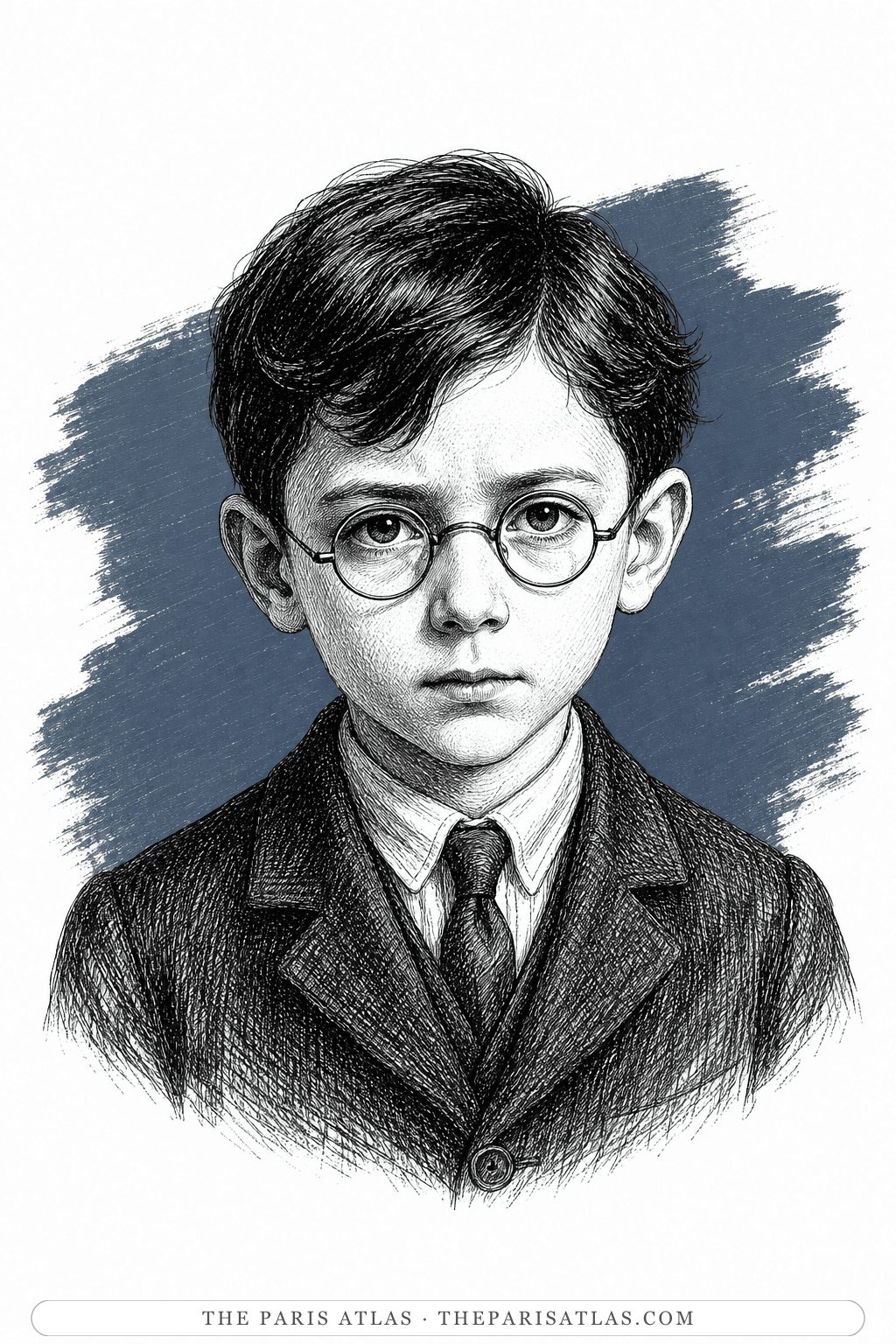
Guido
The son Felix Volkbein wanted: a frail, watchful boy who wants to enter the church and never grows to full size.
To enter the church. He says so early enough to startle his father out of himself, and afterwards keeps his hand pressed against the medallion under his shirt.
The book

At a glance
- Felix Volkbein's son; present through "Where the Tree Falls"
- His grandfather Guido Volkbein, who invented the family barony
- Felix Volkbein and Robin Vote, who left when he was a baby
- Paris, then Vienna, where his father settles so the church there might take him
Who they are in the book
Spoiler-freeGuido is the child of Felix Volkbein and Robin Vote in Nightwood, the 1936 novel by the American writer Djuna Barnes, and he is named after the grandfather who invented the family's barony. He is born after a bad delivery, sleeps too much from the start, makes few voluntary movements and whimpers. His mother tells his father she never wanted him and leaves.
The book gives him no dialogue. What it gives him is Felix's attention: a father who buys him a metal Virgin on a red ribbon, carries a flask of oil for his chapping hands, and writes to the Pope about the priesthood because the boy has said he wants to enter the church. T. S. Eliot, in the introduction he wrote for the American edition, said that Felix and his child were oppressively real.
How Guido Is Portrayed
- The birthRobin curses through the delivery and rises on her elbow in a bloody gown as though she has lost something. The child is small, a boy, and sad. It sleeps too much in a quivering palsy of nerves and whimpers.
- At tenBarely as tall as a child of six, in spectacles, stumbling when he tries to run, with cold hands and an anxious face. Barnes calls him mentally deficient and emotionally excessive, an addict to death.
- On the church stepsHe climbs beside his father with the tearing swing of the leg that stairs built for adults force on a small child, staring at paintings and wax saints and watching the priests with the quickened breath of someone who has to concentrate where others take part.
- The medallionWhen he first says he wants to enter the church, Felix buys him a Virgin in metal on a red ribbon and hangs it round his neck. Bending to take it, the boy's neck reminds Felix of Robin's in the antique shop on the Seine.
- What the doctor tells his fatherFelix asks whether the boy is sound of mind. The doctor answers that a mind like his may be more apt than either of theirs because it is not made secure by habit, tells Felix to carry it like a bowl picked up in the dark, and adds that Guido is not damned but blessed.
If you like Nightwood


If you like Djuna Barnes
Explore authors with a similar voice, perspective, and influence.
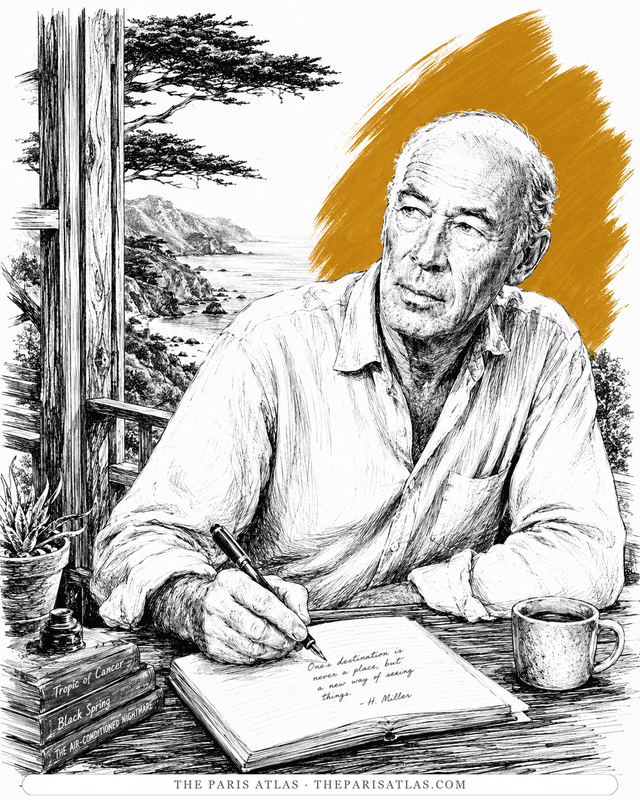
Henry Miller
The Brooklyn dropout who arrived in Paris broke at thirty-eight and wrote the exuberant, banned books that ended American censorship.
View author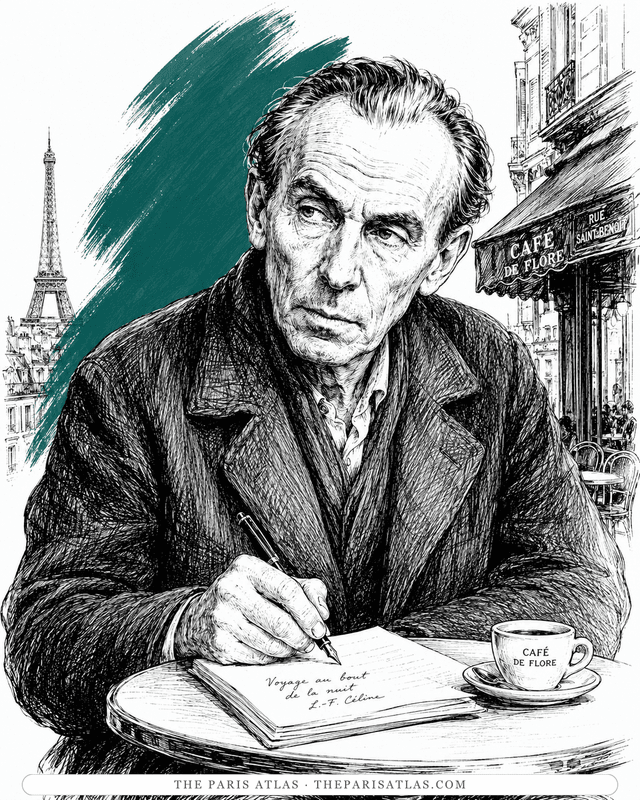
Louis-Ferdinand Céline
The doctor of the Paris slums who wrote the century's blackest, funniest novel — and changed the sound of French prose.
View author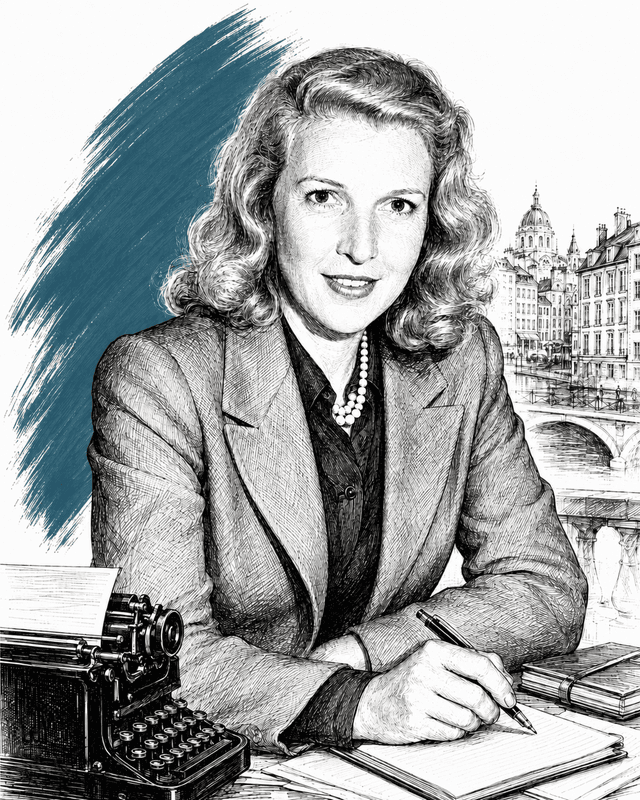
Martha Gellhorn
War correspondent who covered the Spanish Civil War, D-Day, and conflicts across five more decades; Hemingway's third wife, 1940–1945.
View author