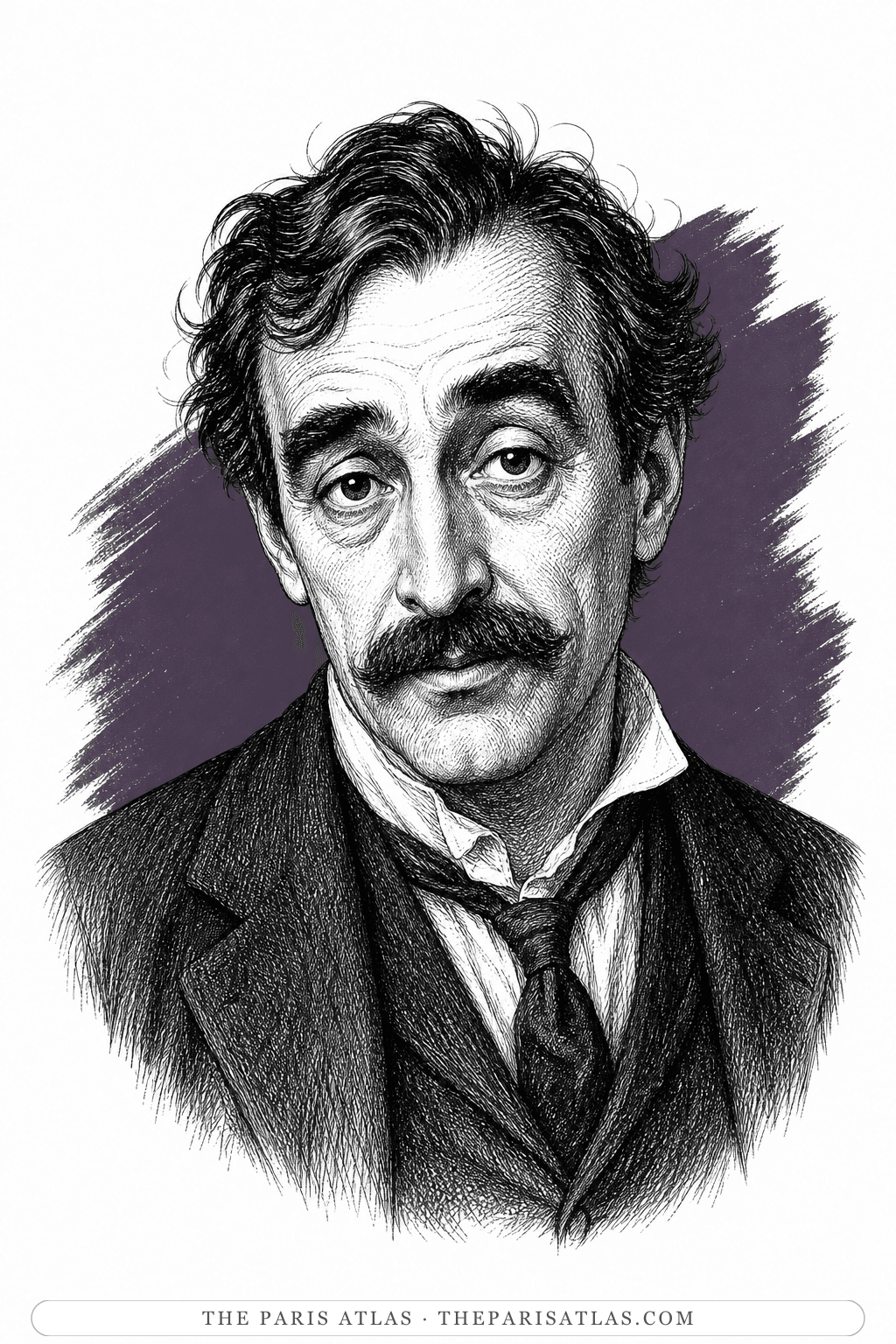
Doctor Matthew O'Connor
An Irish-American who calls himself a doctor, has no licence to practise, and does most of the talking in the novel.
To have been born a woman, and to be listened to. He says that in his heart is the wish for children and knitting, and that he never asked better than to boil some good man's potatoes and toss up a child for him every nine months by the calendar.
The book

At a glance
- The novel's talker; present in every chapter but the last
- Fifty-odd, and looking older when he thinks he is unobserved
- Pacific Street, San Francisco — the old Barbary Coast
- Six flights up in the rue Servandoni, by St. Sulpice
- Unlicensed. He is called for faintings, deliveries and cases he says are illegal.
- Chambéry fraise at the café, port by the decanter at Nora's
- Dan Mahoney
Who they are in the book
Spoiler-freeDoctor Matthew O'Connor speaks more of Nightwood, the 1936 novel by the American writer Djuna Barnes, than anybody else in it, and he is the character most readers come away talking about. He is an Irishman from Pacific Street in San Francisco, somewhere in his fifties, heavy-browed and shabby, with large dark eyes and a habit of plucking the hairs out of his nostrils. He gives his full name, when he is enjoying himself, as Doctor Matthew-Mighty-grain-of-salt-Dante-O'Connor. He is introduced as a middle-aged medical student whose interest in gynaecology has driven him half around the world, and it emerges later that he is not a licensed practitioner and is frightened of the police.
He lives in one room at the top of six flights in the rue Servandoni, behind the church of St. Sulpice, and spends his days in the Café de la Mairie du VIᵉ on the square outside. He goes to Mass. He arranges other people's funerals. When Felix Volkbein first watches him work — reviving Robin Vote in a hotel room — he sees him powder his chin, draw a line of rouge across his lips, and quietly pocket a hundred-franc note from the bedside table.
What he mostly does is talk. He talks about the night, about the difference between French and American sleep, about Sodom, about what happens to a person who loves someone who cannot exist. Felix decides early on that the doctor is a great liar but a valuable liar. Nora Flood climbs the six flights at three in the morning to ask him what the night does to people, and he answers for the length of a chapter. He is also the only person in the book who says plainly that he is a man who wants men, and several of the passages where he says it are among the ones T. S. Eliot and Frank Morley marked for cutting.
How Doctor Matthew O'Connor Is Portrayed
- The credentialsHe carries the title and nothing behind it. Barnes introduces him as a middle-aged medical student, and when he is called to Robin's hotel room she notes in a parenthesis that his roughness is pitched by a permanent fear of meeting the law, because he is not a licensed practitioner.
- His squareThe Place St. Sulpice, which he treats as his city: the church for Mass, the shop selling vestments and candles, the parlour with black broadcloth curtains where he orders details for funerals, and the Café de la Mairie du VIᵉ, where the proprietor treats him almost as a son.
- How he takes a roomBy pronouncing, at the top of his voice, some of the shorter and blunter old English verbs. Barnes's note is that once he has an audience nothing can stop him. At the Berlin party the host never arrives and nobody notices, because the doctor has taken over.
- The hundred francsWhile Robin Vote is coming round, Felix watches him go through the movements of a stage magician — elbows working in a series of honesties while the real trick happens — and then take a loose banknote off the night table and put it in his pocket. Felix decides he will go on liking him anyway.
- The room at the top of the stairsNora finds him in a bed too narrow to walk past, under a barred window, among medical books, forceps, twenty near-empty perfume bottles and a pail of abominations. He is wearing a woman's flannel nightgown and a golden wig with long curls, rouged, his lashes painted. He snatches the wig off; then, when she has asked her question, he answers, "You see that you can ask me anything," and lets both their embarrassments go.
- What she came to askNora Flood has climbed the stairs at three in the morning for one question: "Doctor, I have come to ask you to tell me everything you know about the night." It is the subject he most wants to be asked about, and he keeps her there until it is light.
- The church in the snowIn the chapter he shares with Nora he describes going into St. Merri alone at night, kneeling in a dark corner, and putting a question about himself to God directly and physically. He cries through it. Eliot singled this scene out in his introduction as the place where the doctor's humility is clearest.
- The end of his talkingPeople come to him for talk and take it away with them, and nothing comes back. Drunk in his own café near the end of the book, he shouts at the room about the people who have made his life miserable by coming to him to learn of degradation and the night, and goes down across the table with his arms spread.
If you like Nightwood


If you like Djuna Barnes
Explore authors with a similar voice, perspective, and influence.
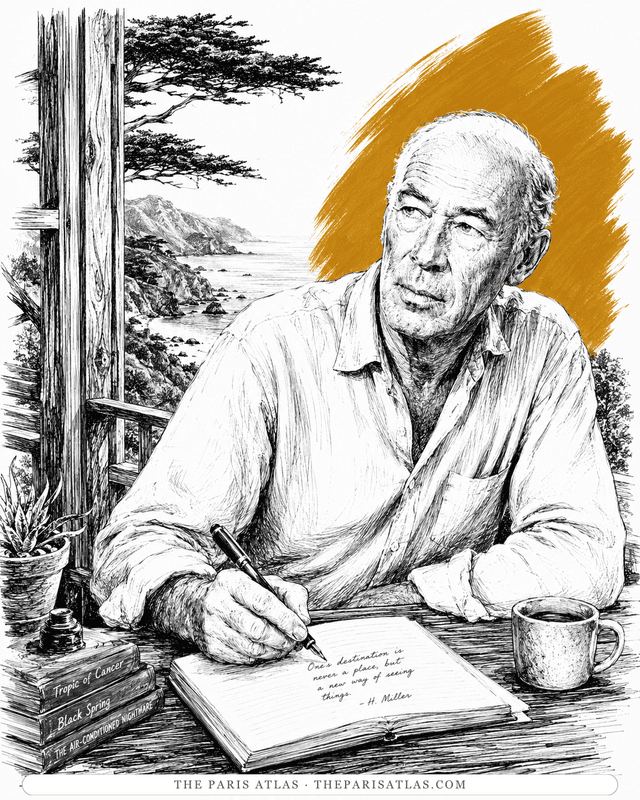
Henry Miller
The Brooklyn dropout who arrived in Paris broke at thirty-eight and wrote the exuberant, banned books that ended American censorship.
View author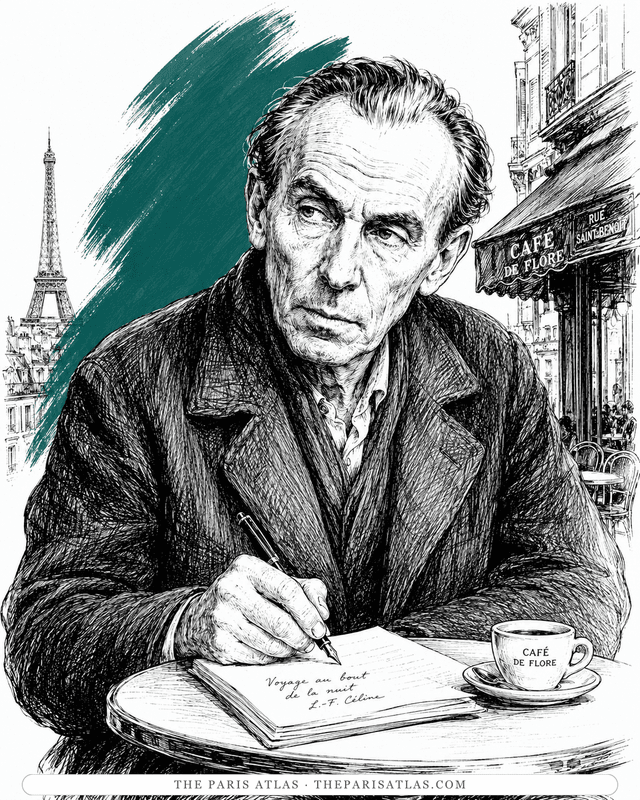
Louis-Ferdinand Céline
The doctor of the Paris slums who wrote the century's blackest, funniest novel — and changed the sound of French prose.
View author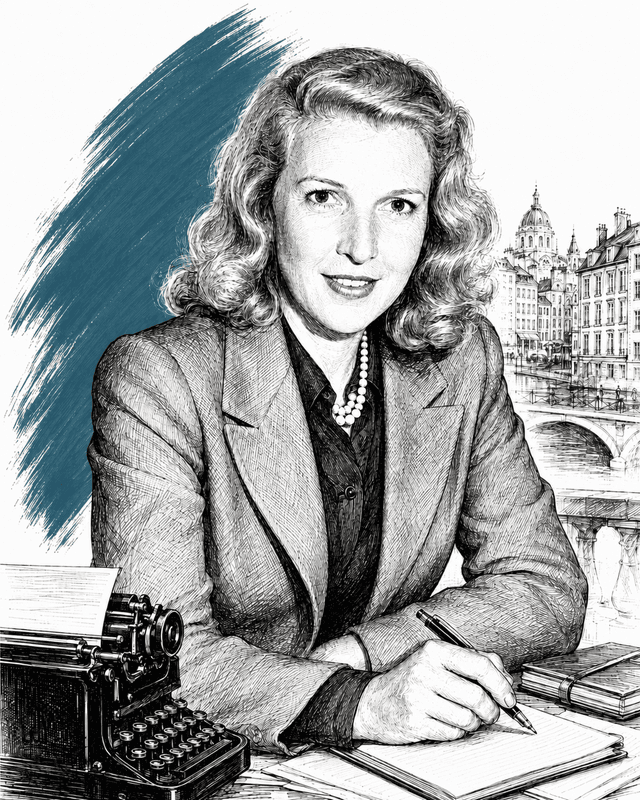
Martha Gellhorn
War correspondent who covered the Spanish Civil War, D-Day, and conflicts across five more decades; Hemingway's third wife, 1940–1945.
View author