Non, je ne regrette rien
by Édith Piaf
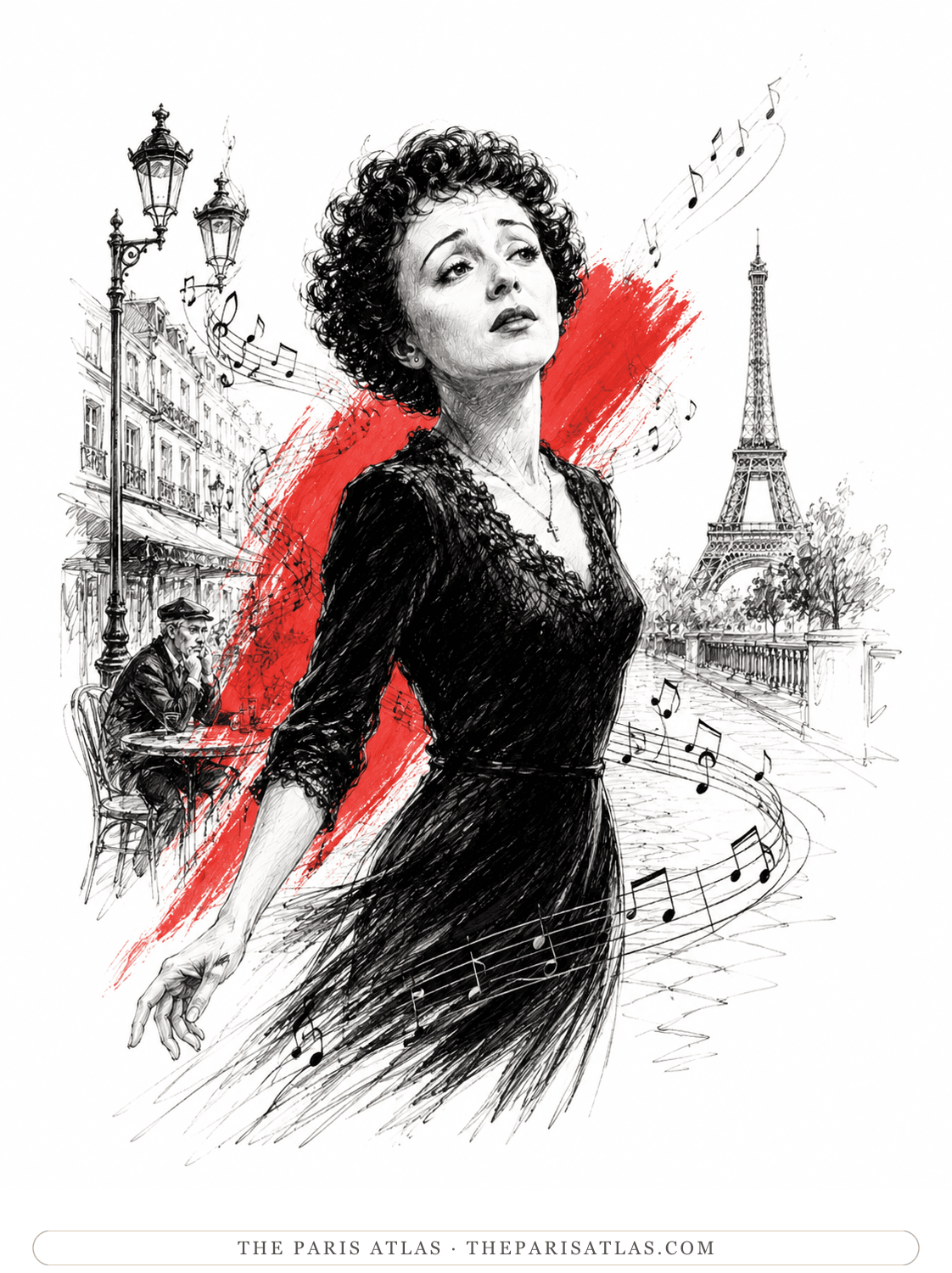
The song that converted Piaf's past into a final act of defiance: no regrets, the good and the bad alike swept out, life beginning again. Dumont and Vaucaire brought it to her when career and health looked finished; it powered her last great Olympia seasons, and its later cinematic life — Inception included — keeps handing it to new audiences.
- composed 1956 · recorded 1960
- Chanson
About Édith Piaf

What 'Non, je ne regrette rien' means
The song is often heard as Piaf's autobiography compressed into a declaration — but its move is more radical than claiming to have no regrets. The singer refuses to divide her past into experiences worth keeping and mistakes worth disowning; happiness and suffering are dismissed together, the accounts closed, life free to begin again with a new love. The song does not defend her decisions or ask the listener to excuse them. It rejects the trial altogether.
Piaf's performance gives the words their authority: the compact voice of the opening is joined by an arrangement that grows steadily more ceremonial, until personal refusal becomes something like a march.
Who wrote it, and when
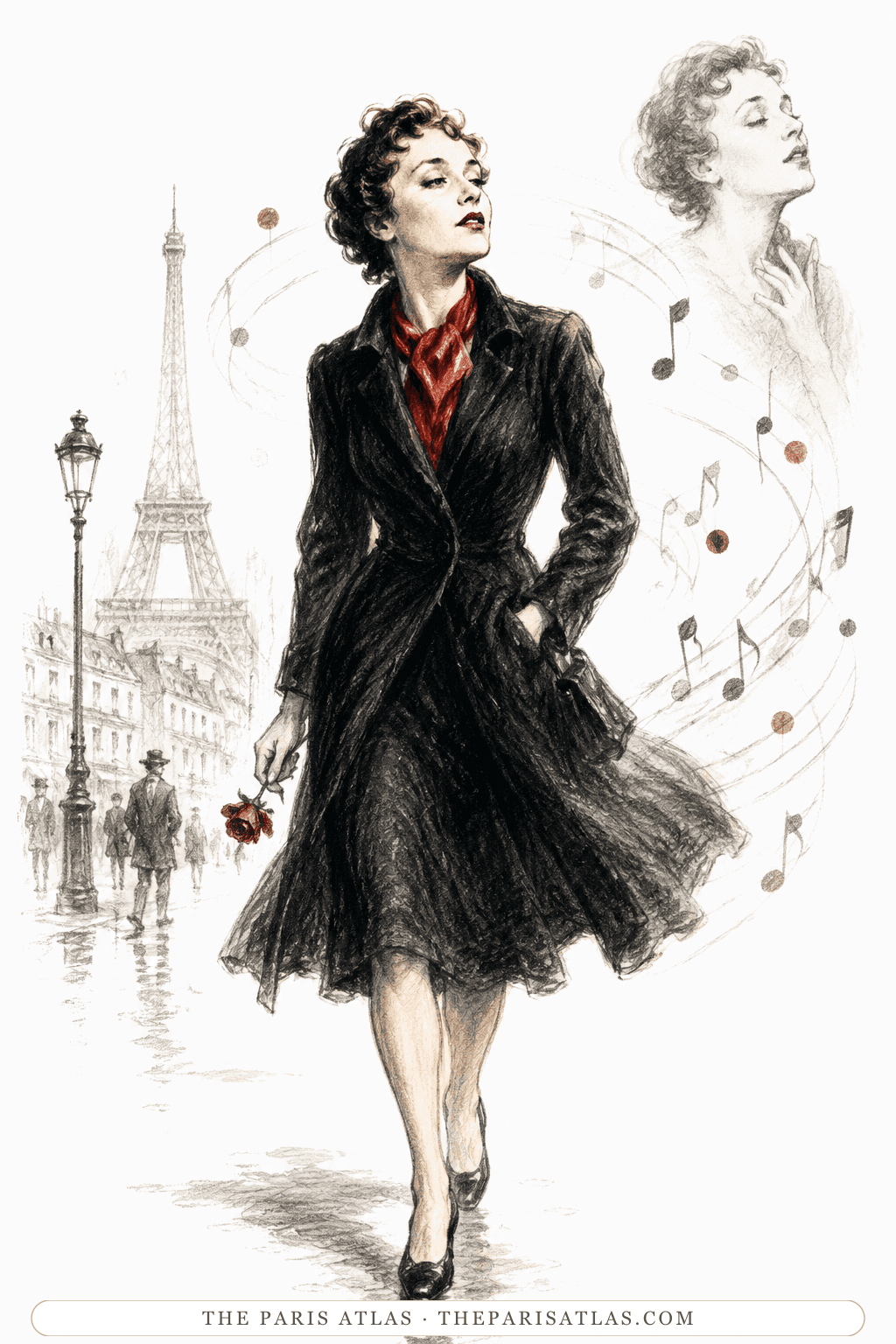
Michel Vaucaire wrote the words and Charles Dumont the music — the BnF dates Dumont's composition to 1956, four years before Piaf made it famous. Dumont later recalled the difficulty of even getting an audience with her; when he and Vaucaire finally played it, the language seemed uncannily suited to the life she had already lived. By 1960 her health was failing and the career looked finished — instead the song became the centerpiece of her return to the Olympia, survival presented not as recovery but as the right to begin again without apology.
Its afterlife keeps detaching it from romance: the French Foreign Legion adopted it as an anthem, and filmmakers reach for it whenever a past must be confronted or erased — in Inception the recording is part of the machinery itself, Piaf's voice signaling that a dream is about to end, with Marion Cotillard, who had played Piaf on screen, in the cast as an accidental echo. Dumont and Vaucaire wrote it; Piaf made its refusal feel earned.
Timeline
1956
Charles Dumont composed the melody and Michel Vaucaire wrote the words.
1960
Piaf recorded it, when her career and health looked finished; it revived her and powered her last great Olympia seasons. She dedicated it to the French Foreign Legion.
2010
Christopher Nolan's Inception used the song prominently, handing it to a new generation.
Frequently asked questions
What does the title mean?
“No, I regret nothing.” The good and the bad of the past are swept out alike, and life begins again — a final act of defiance.
Who wrote it?
Charles Dumont composed the music in 1956; Michel Vaucaire wrote the lyrics.
When did Piaf record it?
In 1960, when her career and health looked finished. It revived her and drove her last Olympia seasons.
Who did she dedicate it to?
The French Foreign Legion.
Why is it so widely known today?
Its cinematic afterlife keeps renewing it — most famously Christopher Nolan's Inception (2010).
How does it relate to the end of Piaf's life?
She died in 1963, three years after recording it, and the song stands as her defiant last statement.
More by Édith Piaf




If you like Édith Piaf
Explore musicians from the same movements and circles.
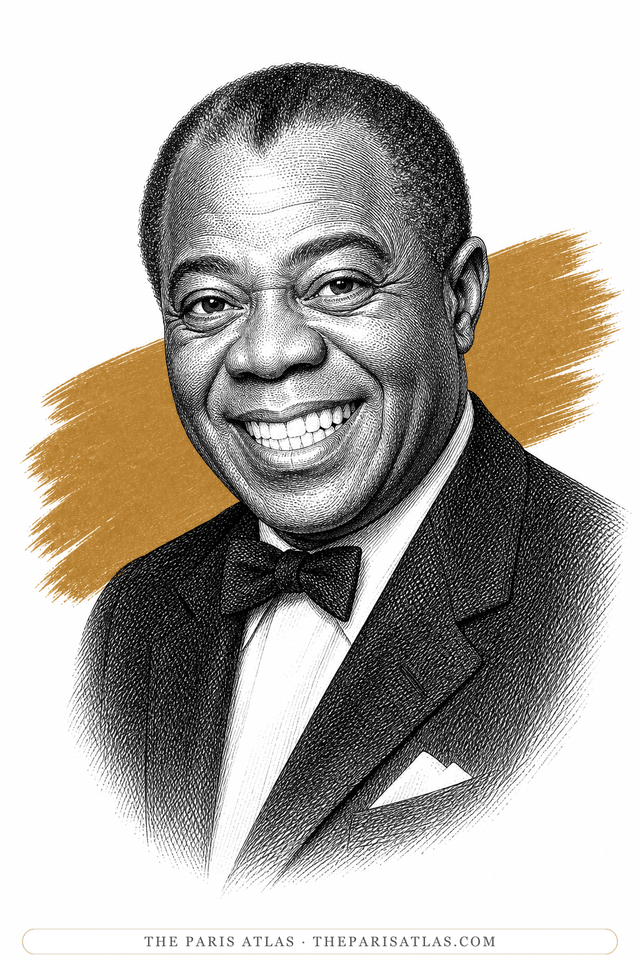
Louis Armstrong
The New Orleans trumpeter and singer who turned jazz from a band music into a soloist's art, and whose voice became one of the most recognisable sounds of the twentieth century. Paris took him early: he spent the autumn of 1934 living in the city, made his only French records that November, played the Salle Pleyel, the city's principal concert hall, and kept coming back for thirty years — including for the 1961 film Paris Blues, shot in the streets he had once idled in.
View artist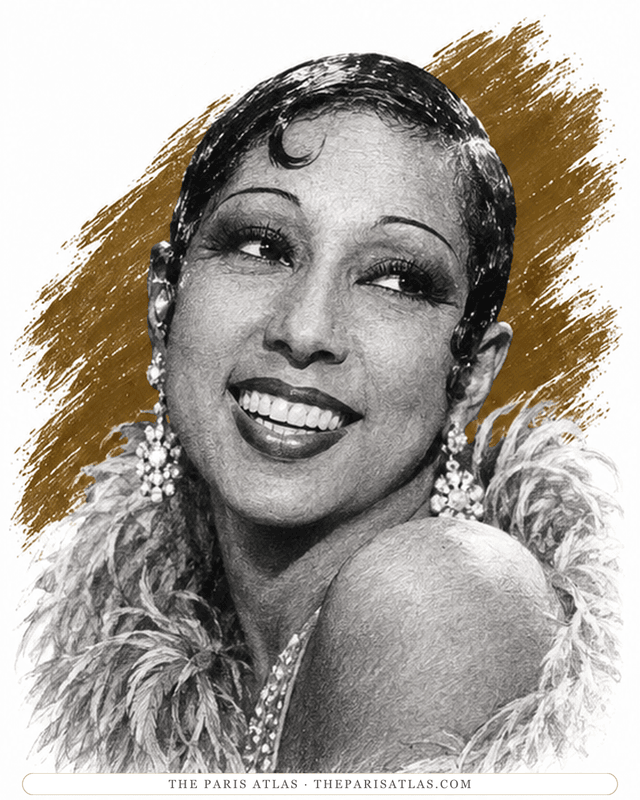
Josephine Baker
American-born French dancer and singer who conquered Paris at nineteen in La Revue Nègre, and who traded expatriate stories at James Baldwin's Saint-Paul-de-Vence table nearly fifty years later.
View artist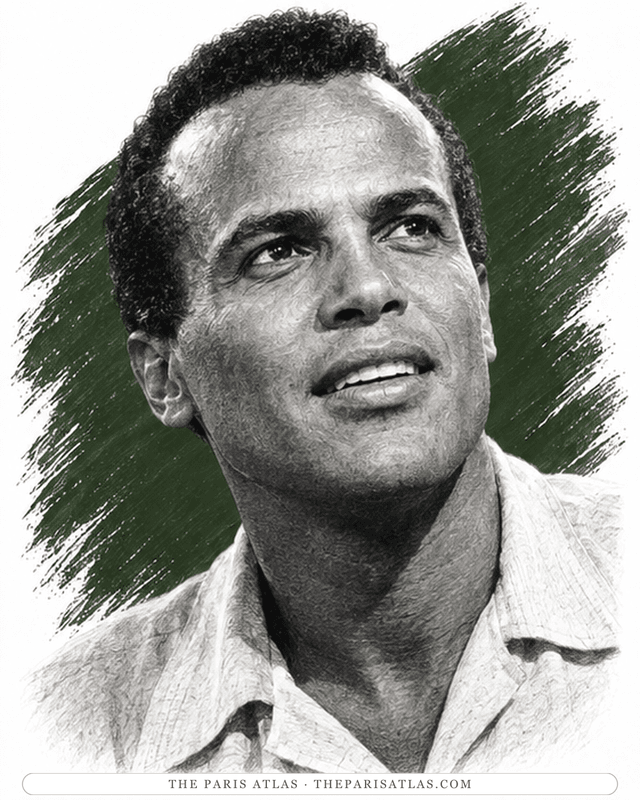
Harry Belafonte
American singer and actor; a civil-rights ally of James Baldwin who sat in the room when Baldwin's delegation confronted Robert Kennedy in May 1963.
View artist
References
The sources below include collection records, catalogues, scholarly research, and primary materials that informed this page. They document Non, je ne regrette rien, its making, and its place in cultural history.


1BnF catalogue — Non, je ne regrette rien (work record)
ArchiveUsed forArchival evidence used to document the historical record connected to Non, je ne regrette rien.

2Encyclopaedia Britannica — Édith Piaf
WebsiteUsed forWeb source consulted for documented facts and historical context presented on the Non, je ne regrette rien page.
3INA — Édith Piaf, Non, je ne regrette rien (January 1961 broadcast)
ArchiveUsed forArchival evidence used to document the historical record connected to Non, je ne regrette rien.
4Le Livre d'or d'Édith Piaf
Official recordBibliothèque nationale de FranceUsed forOfficial record used to verify names, dates, institutional details, or other factual information on this page.
These references provide the documented foundation for this work's history and interpretation. Claim-level citations remain attached to the specific claims they support.
 Explore more resources