Milord
by Édith Piaf
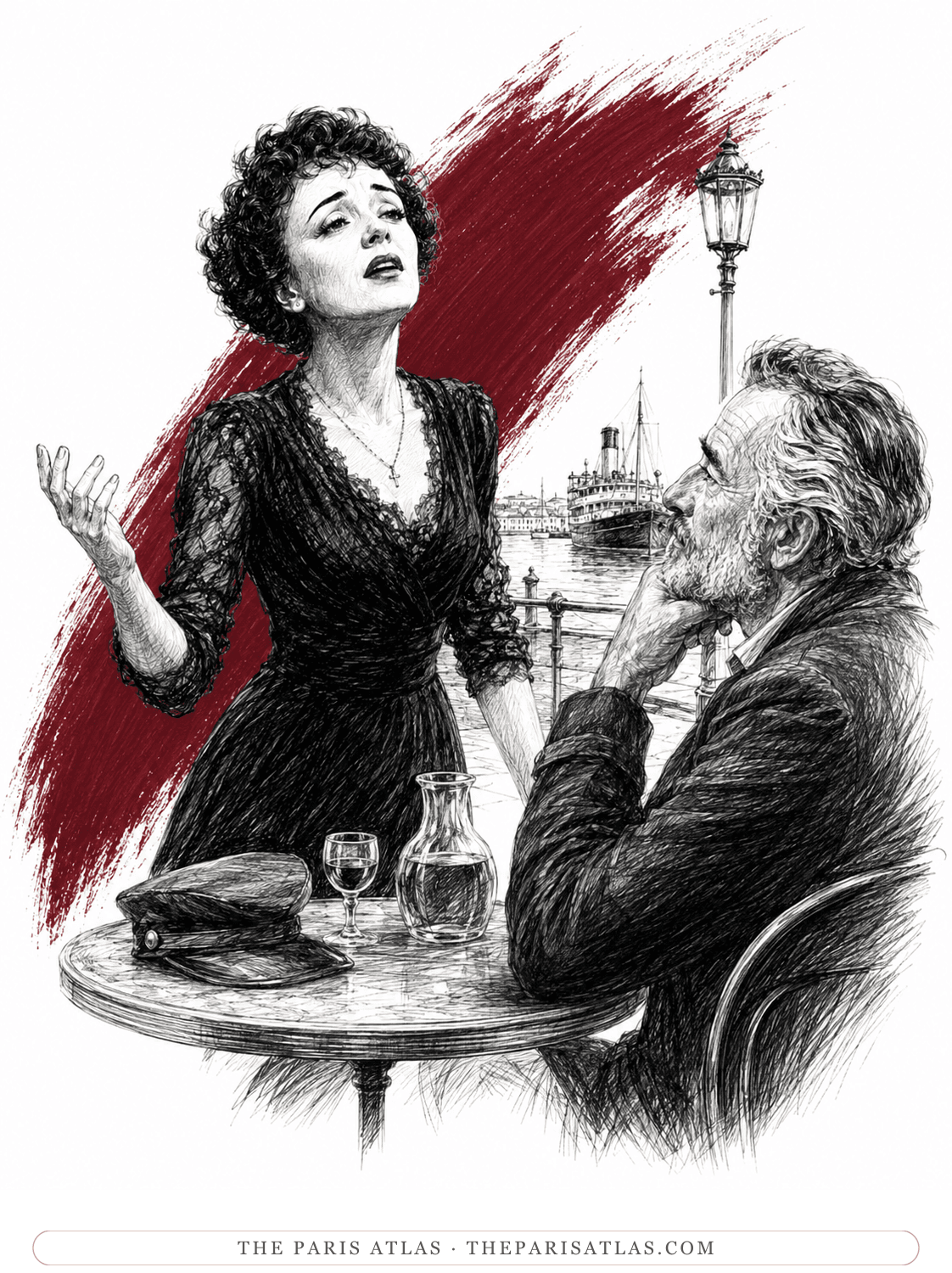
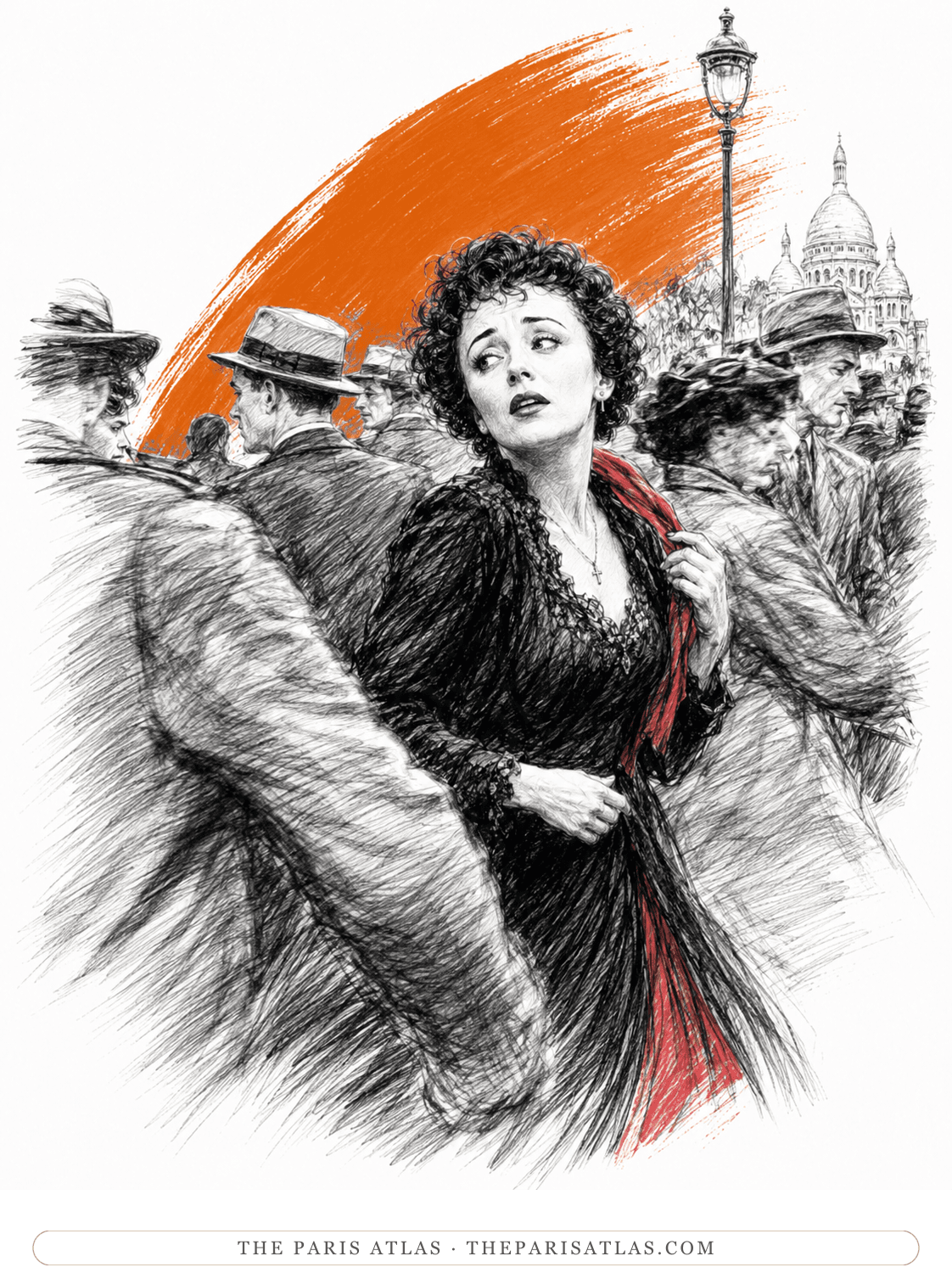
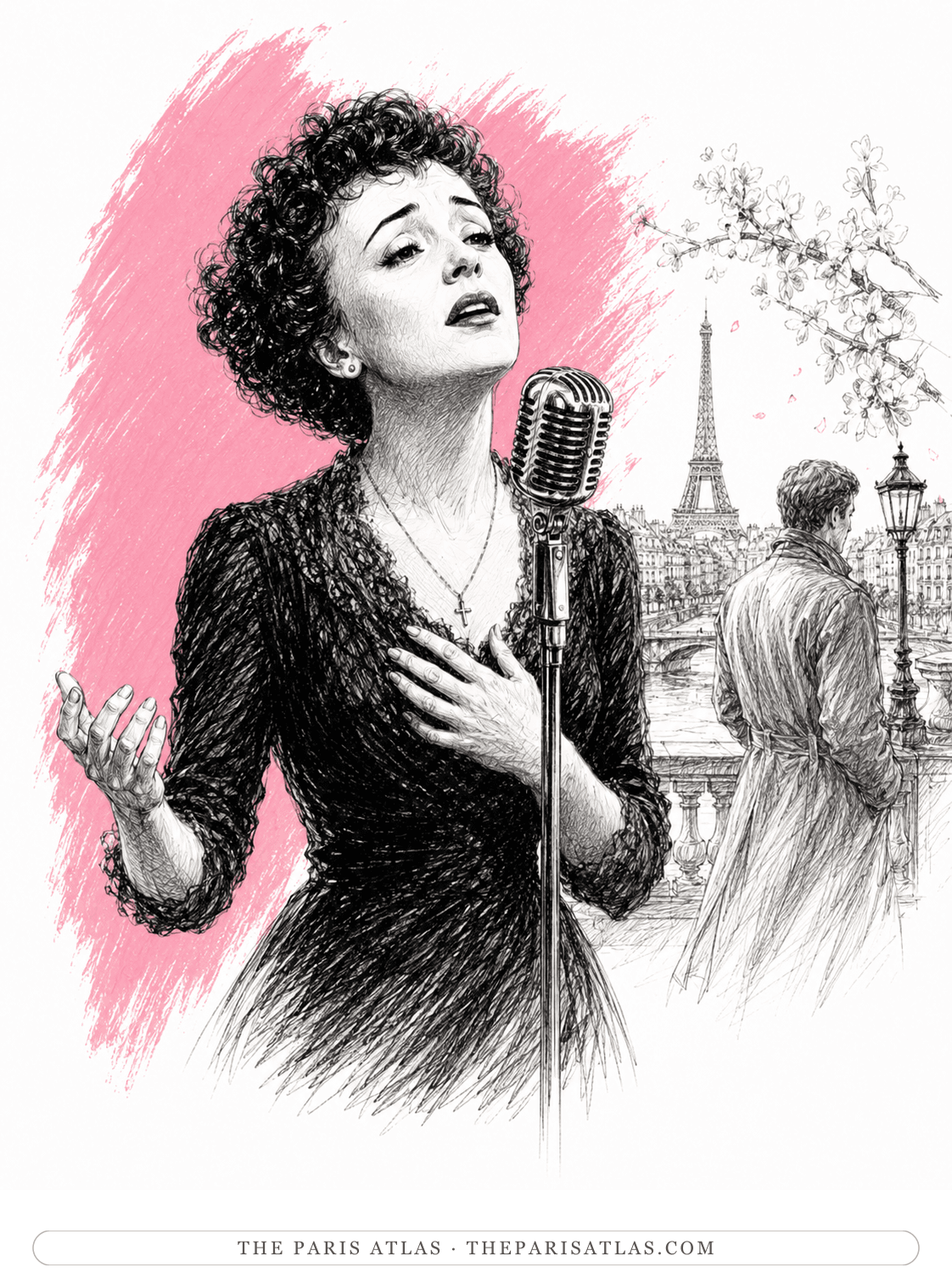
A harbor woman consoles an English gentleman whose respectable world has failed him — observer, then comforter, finally commanding the stranger back to his feet. Moustaki's words and Monnot's music returned Piaf to the streetwise tradition of her beginnings and gave her one of her biggest international hits.
- 1959
- Chanson
About Édith Piaf
What 'Milord' means
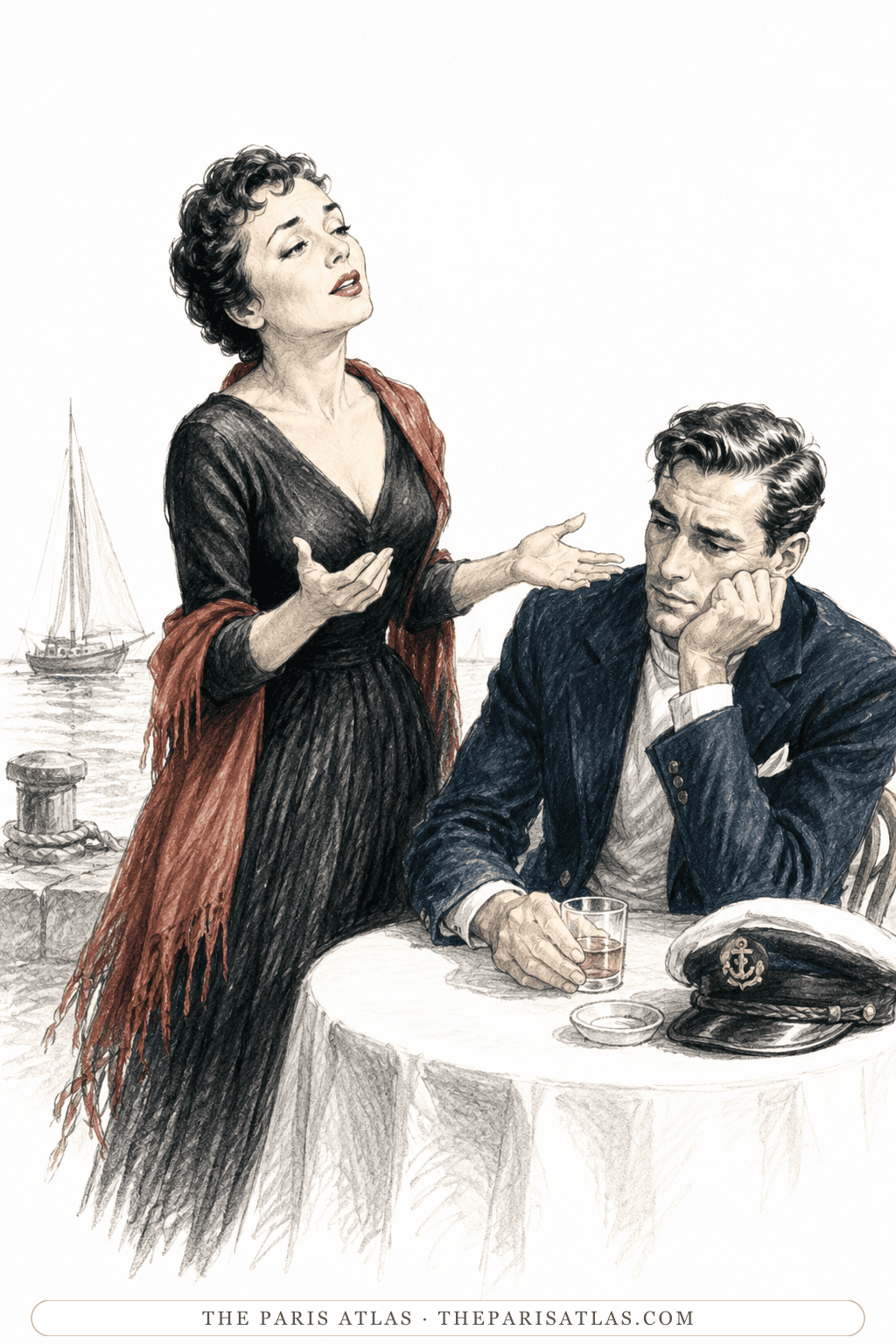
Milord reverses the expected hierarchy between its two characters. The title belongs to an elegant Englishman; the speaker is a woman of the harbor who has watched him pass without ever being noticed. Now she finds him abandoned and grieving — and moves from observer to host to commander: sit down, warm yourself, drink, smile, recover. He has the money and the status; she has the knowledge required to survive unhappiness.
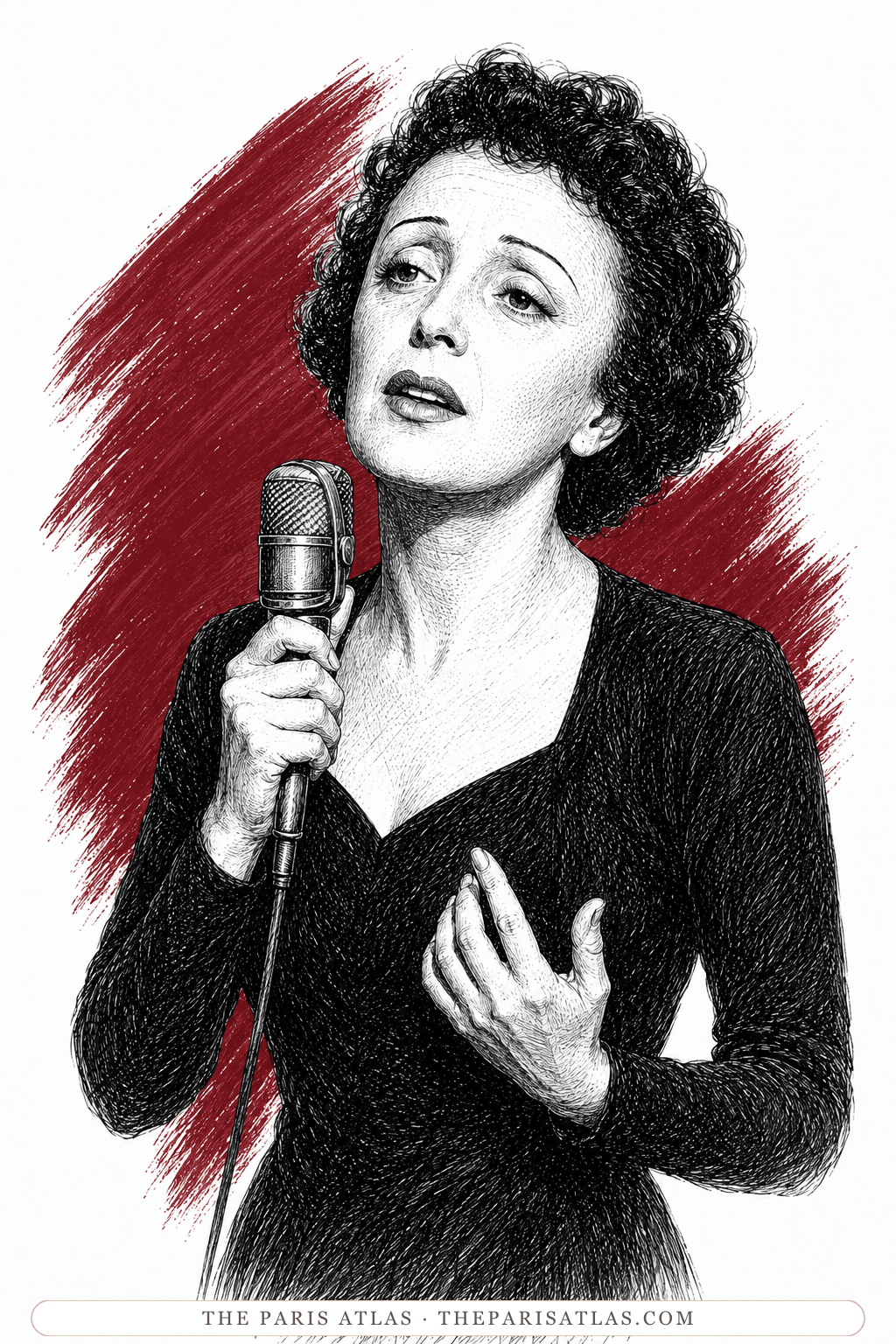
Piaf's delivery makes the encounter theatrical: nearly conversational at the start, coaxing the stranger in, then expanding with Monnot's music into something bright and public, until consolation becomes a performance vigorous enough to stand the defeated man back on his feet. The song's argument is simple and permanent: dignity and wisdom do not follow class.
Moustaki, Monnot, and Piaf
Georges Moustaki — considerably younger than Piaf, briefly her lover, and one of the writers she championed — wrote the lyric; Marguerite Monnot, her long-standing collaborator, wrote the music. The published score credits Piaf as the originating performer and carries a 1959 copyright date, per the BnF's record.
The song returned Piaf to the world her mythology came from — streets, cheap rooms, sailors, women looking in from the margins — and became one of her biggest international successes, recorded in several languages. The situation needed no translation: a respectable man falls apart, and someone he would ordinarily overlook teaches him how to stand.
Timeline
1959
Piaf recorded it, to Georges Moustaki's words and Marguerite Monnot's music, returning to the streetwise tradition of her beginnings.
1959–60
It became one of her biggest international hits.
Frequently asked questions
What is “Milord” about?
A harbour woman consoles an English gentleman whose respectable world has failed him — first an observer, then a comforter, finally commanding the stranger back onto his feet.
Who wrote it?
Georges Moustaki wrote the words; Marguerite Monnot composed the music.
Who is “Milord”?
The well-dressed English stranger the singer addresses as “milord” — my lord — the man she had watched pass by with a beautiful woman on his arm.
When did Piaf record it?
In 1959.
How did it do internationally?
It became one of Piaf's biggest hits abroad.
How does it connect to her origins?
Moustaki's words returned her to the streetwise, harbour-and-street world of her early career.
More by Édith Piaf
If you like Édith Piaf
Explore musicians from the same movements and circles.
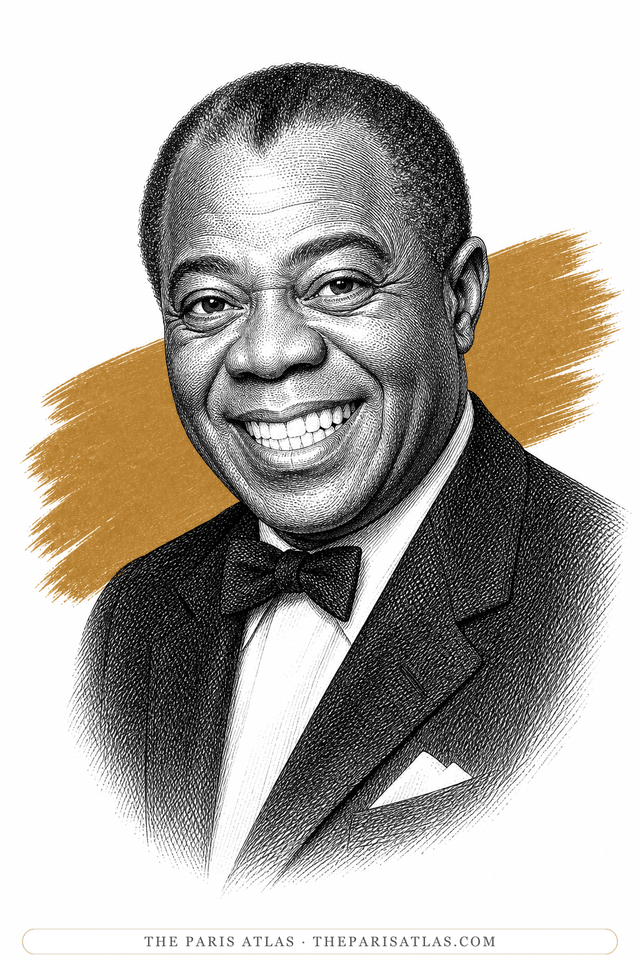
Louis Armstrong
The New Orleans trumpeter and singer who turned jazz from a band music into a soloist's art, and whose voice became one of the most recognisable sounds of the twentieth century. Paris took him early: he spent the autumn of 1934 living in the city, made his only French records that November, played the Salle Pleyel, the city's principal concert hall, and kept coming back for thirty years — including for the 1961 film Paris Blues, shot in the streets he had once idled in.
View artist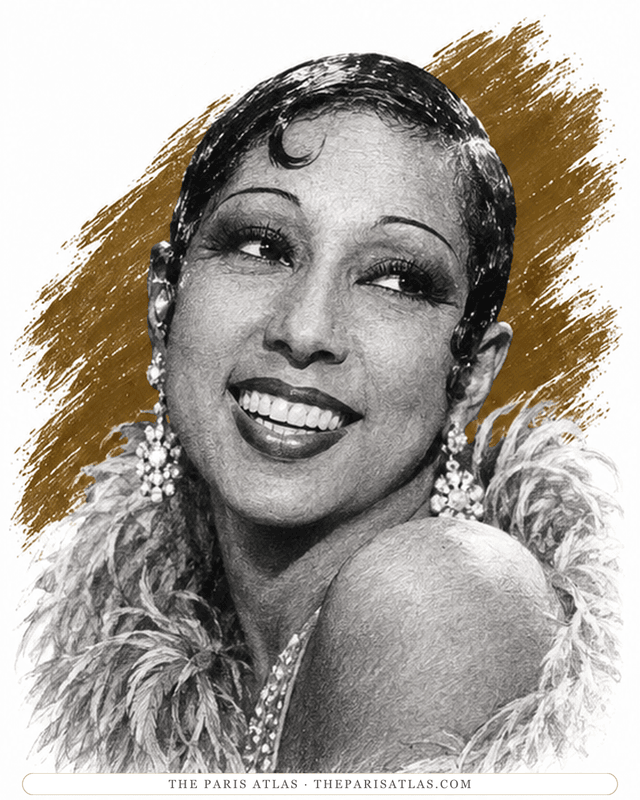
Josephine Baker
American-born French dancer and singer who conquered Paris at nineteen in La Revue Nègre, and who traded expatriate stories at James Baldwin's Saint-Paul-de-Vence table nearly fifty years later.
View artist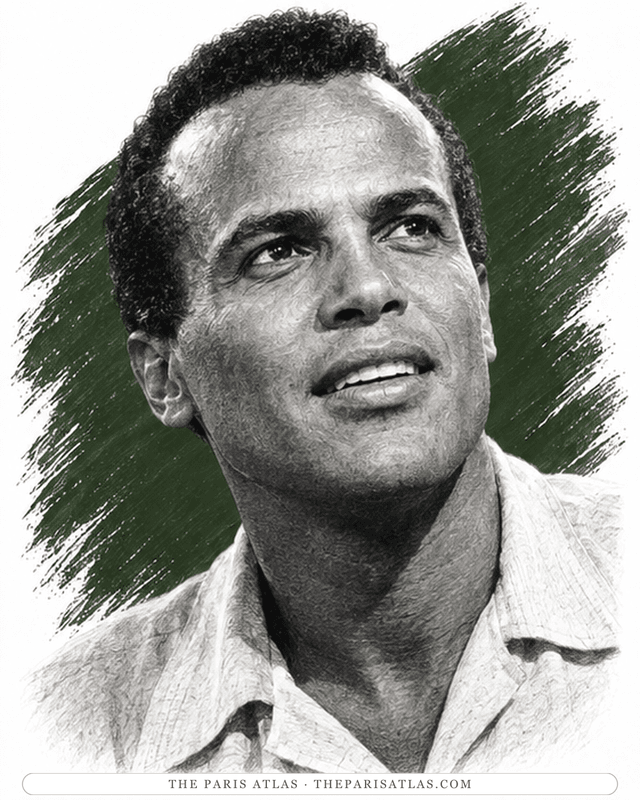
Harry Belafonte
American singer and actor; a civil-rights ally of James Baldwin who sat in the room when Baldwin's delegation confronted Robert Kennedy in May 1963.
View artist
References
The sources below include collection records, catalogues, scholarly research, and primary materials that informed this page. They document Milord, its making, and its place in cultural history.


1BnF catalogue — Milord (score record)
ArchiveUsed forArchival evidence used to document the historical record connected to Milord.

2Encyclopaedia Britannica — Édith Piaf
WebsiteUsed forWeb source consulted for documented facts and historical context presented on the Milord page.
3Édith Piaf — Milord
ArchiveInstitut national de l'audiovisuelUsed forArchival evidence used to document the historical record connected to Milord.
4Édith Piaf — Dix chansons
Official recordBibliothèque nationale de FranceUsed forOfficial record used to verify names, dates, institutional details, or other factual information on this page.
These references provide the documented foundation for this work's history and interpretation. Claim-level citations remain attached to the specific claims they support.
 Explore more resources