
MacGregor
A lawyer and boyhood friend who thinks Val is wasting his life, says so at every meeting, and keeps turning up anyway.
He wants a settled home, and says so: he is sick of running around.
The book

At a glance
- A lawyer, and Val's friend since boyhood
- Married to Tess, and wants to marry Trix
- That the writing is a waste of a good mind, stated at every opportunity
Who they are in the book
Spoiler-freeMacGregor is a character in Plexus, the 1953 novel by the American writer Henry Miller. Plexus is the middle book of a three-part autobiographical novel called The Rosy Crucifixion, narrated by Miller under the name Val and set in New York in the middle 1920s. MacGregor is a lawyer who has known Val since boyhood, and he is the one friend in the book who tells him plainly that the writing is a waste of time.
He is not a villain and the book does not treat him as one. He gives what money he can, offers legal help, and is genuinely pained by what he sees. He is also stuck in a marriage he wants out of, and spends much of his time on the page asking Val for advice while explaining why Val is unfit to give it.
Miller renamed the people in his books, and no model for this character is identified in the text. This profile is taken from the Grove Weidenfeld printing, read in the Internet Archive's scan.
How MacGregor Is Portrayed
- The friendship goes back fifteen yearsVal dates it from a particular afternoon: the two of them boarding an open trolley on a Brooklyn corner, headed for Sheepshead Bay, with a copy of the Russian novel Sanine under Val's arm that he was about to lend him.
- The joke he never stops makingMacGregor's line on Val is fixed and he delivers it in every mood. Val can hear it in his head while walking a winter beach looking for material: that he has picked a subject nobody will be interested in, that he only wanted the outing, and that he is the same as ever and completely nuts. Much later he says the plain version: it hurts him to see Val wasting his time.
- Money, in the amounts he thinks sensibleWhen the couple need three thousand dollars, MacGregor is cheerful about it: he can always lend ten. Thousands, he tells them, is a foreign language, and nobody hands over three thousand dollars on the spot. He then offers to take them to a good restaurant, mentioning that it is not every day he invites people to eat with him.
- Tess and TrixHe is married to Tess and wants to marry Trix, and he explains the difference in cooking: Tess cannot fry an egg, while Trix will make you think you are dining at the Ritz and keeps a bit of a cellar besides. His real reason is steadier than that. He says he needs someone to put some backbone into him and that Tess is like a wet sponge, letting him fall apart.
- Made to perform at dinnerOver three martinis and the bottle of burgundy Val had brought to Trix's place in the Bronx, MacGregor demands a story on the spot and heckles the delivery. He tells Val to take his time and have another drop of cognac to oil his palate, remarks that for a man with his imagination he is certainly having a hard time and that this ought to be a hundred dollar story, offers him an aspirin, and finally tells him to stop diddling because stories begin with once upon a time.
- His forecast for the marriageHe gives Val two more years with Mona and says that when the smoke clears he will untangle the mess for him. He also complains that he can never remember her name, and suggests Val should have chosen a girl called Mary, Jane or Sal.
- He pays for his own drinkThe one time he surprises Val is at the speakeasy, when he comes in one night, orders a drink and pays for it without a murmur, then asks solicitously how the business is doing and whether they need legal help.
If you like Plexus


If you like Henry Miller
Explore authors with a similar voice, perspective, and influence.

Louis-Ferdinand Céline
Miller's acknowledged master at making literature out of the gutter. Journey gave him permission; Cancer is what he did with it.
View author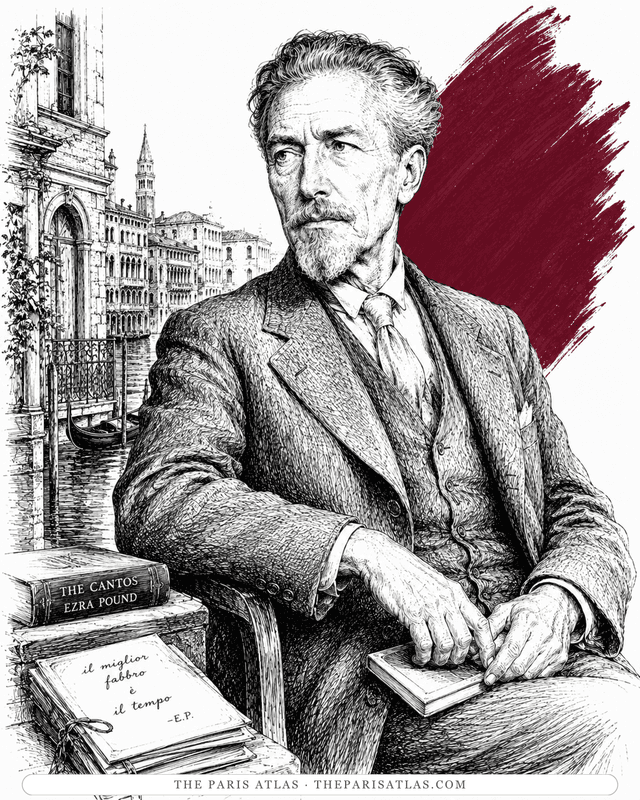
Ezra Pound
Pound read Cancer and sent Miller a famously backhanded postcard. Both believed literature's job was to wake the reader by any means necessary.
View author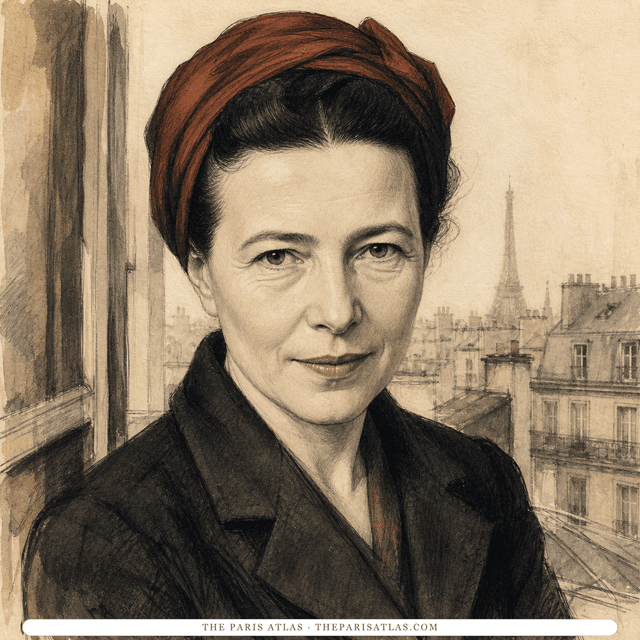
Simone de Beauvoir
French writer and philosopher whose novels, memoirs, and social analysis examined freedom, gender, responsibility, aging, and the material conditions that shape a life.
View author