
Ulric
A commercial artist who paints tomato cans for a living and talks about the old masters as though he knew them.
He wants to be a good painter for the pleasure of doing it well, and not to be recognised for it.
The book

At a glance
- A painter, and Val's friend since childhood
- On advertising commissions — bananas, tomato cans, lamp shades
- From the opening chapters through the Brooklyn Heights years
Who they are in the book
Spoiler-freeUlric is a character in Plexus, the 1953 novel by the American writer Henry Miller. Plexus is the middle book of a three-part autobiographical novel called The Rosy Crucifixion, narrated by Miller under the name Val and set in New York in the middle 1920s. Ulric is a painter and Val's closest friend from childhood — the only person the couple trusted with the address of their new flat when they moved to Brooklyn Heights specifically to get away from everybody they knew.
He earns his living drawing advertisements: bananas, tomato cans, lamp shades. The work he wants to do never quite gets done, and the book is unusually warm about that. Miller renamed the people in his books; this profile describes the character as Plexus draws him, from the Grove Weidenfeld printing of the text, read in the Internet Archive's scan.
How Ulric Is Portrayed
- The one friend given the new addressWhen Val and Mona take the Brooklyn Heights flat, the point is to be unreachable — a fresh start with no visitors. Ulric is the single exception, and he comes over most Saturdays or Sundays.
- The sketch pad that never turns into anythingOn their long walks through the old neighbourhoods he brings a pad along to make a few notes, and in cold weather produces a faded envelope and the stub of a pencil instead. Val admired his facility with pencil and brush and says frankly that very little came of the note-taking in those years.
- How he talks about paintingsUlric never became a well-known painter, but Val thought nobody spoke about the ones he loved with more feeling — Cimabue, Uccello, Piero della Francesca, Botticelli, Vermeer. The two of them could sit with a book of reproductions and talk for hours about a single picture, mostly with Ulric talking.
- Bananas, tomato cans and lamp shadesThe commissions that paid him were advertising jobs, and the men handing them out were always at his heels. Val's word for what he admired in Ulric is that he knew how to make music out of his own failures.
- No ambition at allWhat redeemed him, in Val's account, was that he was not hankering after recognition. He wanted to paint well for the sake of painting well, and he loved the good things of life and only the good things.
- The man who talked to his belongingsHe played chess with Chinese ivory pieces however badly he played, purely for the pleasure of handling them, and the two of them went round museums looking at old boards. He chose his clothes, cases, slippers and lamps with great care, mended anything that could be mended, and caressed objects when he picked them up. Val says he sometimes caught him talking to his possessions as if they were old friends.
- The night they toured Paris on the floorUlric brought over his big map of the Paris Métro, and the whole company got down on hands and knees on the floor to travel the city street by street — libraries, museums, cathedrals, flower stalls, slaughterhouses, cemeteries, railway stations, dance halls. Val was so full of Europe the next day that he could not go to work.
If you like Plexus


If you like Henry Miller
Explore authors with a similar voice, perspective, and influence.
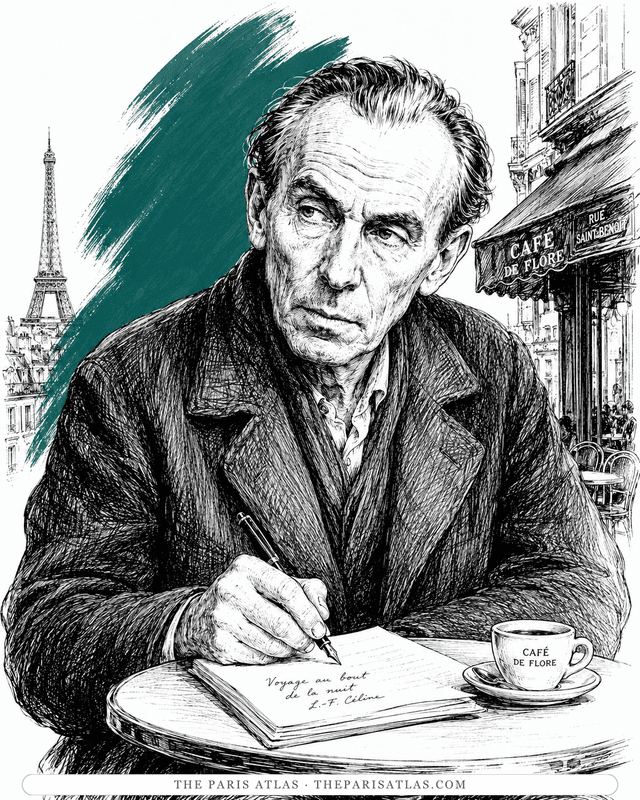
Louis-Ferdinand Céline
Miller's acknowledged master at making literature out of the gutter. Journey gave him permission; Cancer is what he did with it.
View author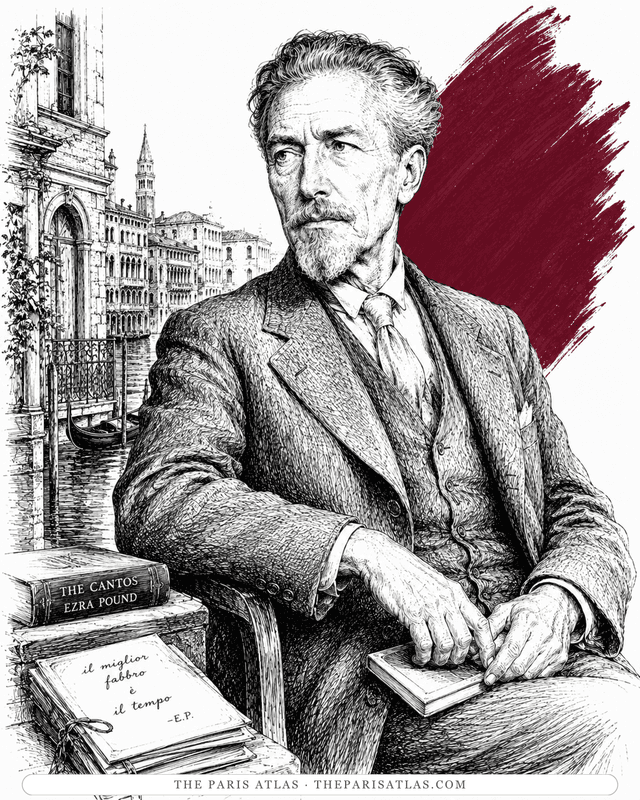
Ezra Pound
Pound read Cancer and sent Miller a famously backhanded postcard. Both believed literature's job was to wake the reader by any means necessary.
View author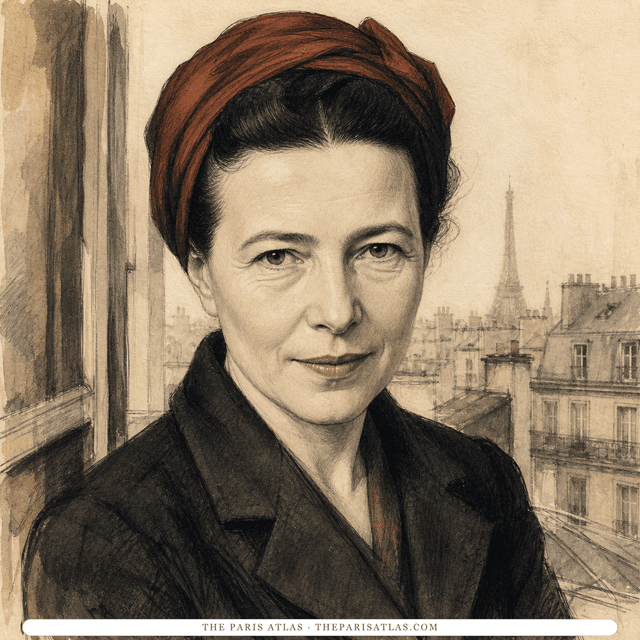
Simone de Beauvoir
French writer and philosopher whose novels, memoirs, and social analysis examined freedom, gender, responsibility, aging, and the material conditions that shape a life.
View author