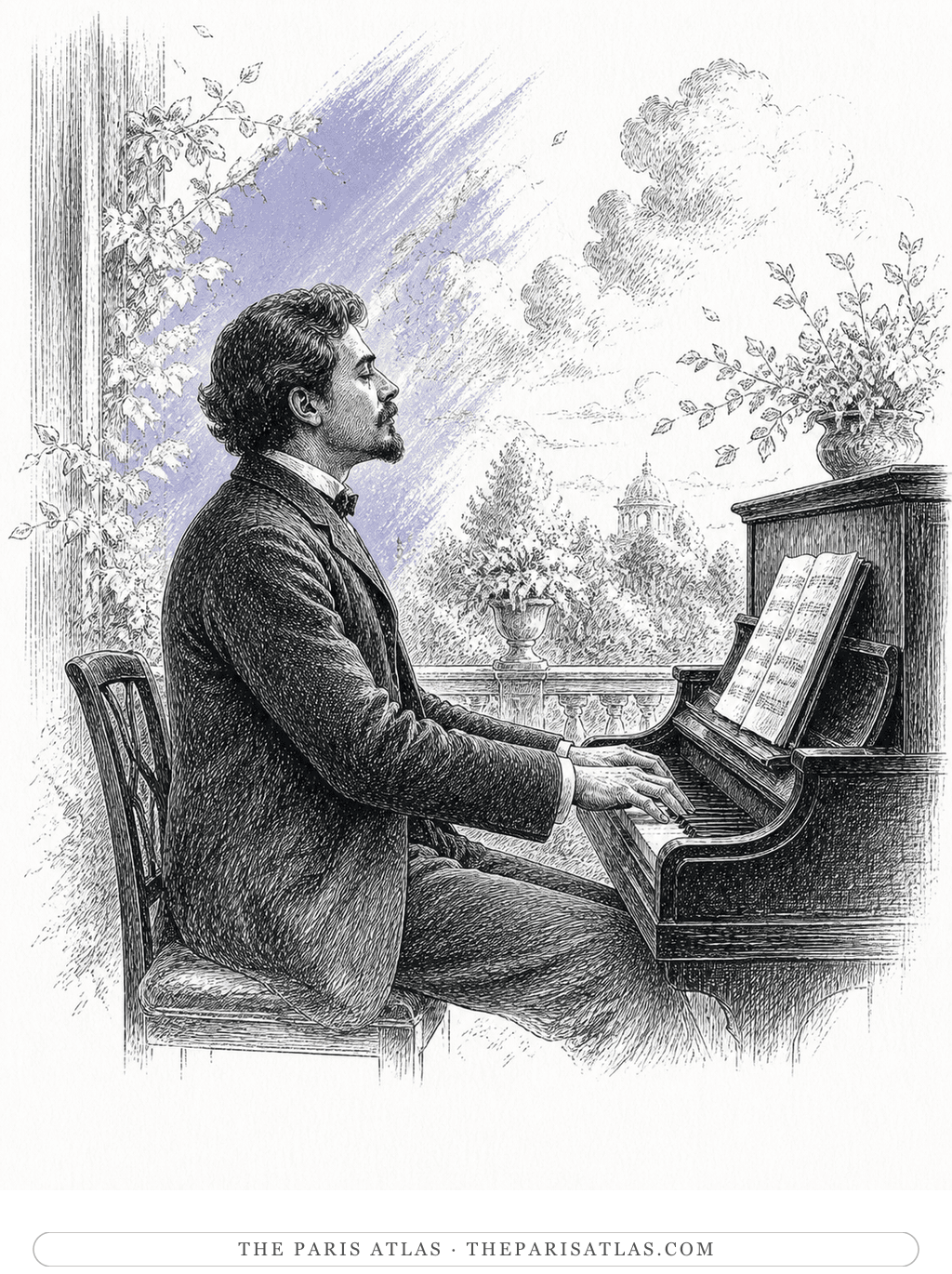
Rêverie
An early piano piece whose singing melody and gently circulating accompaniment made it one of Debussy’s most approachable works while anticipating his mature interest in resonance and suspended time.
- 1890
- Solo piano piece
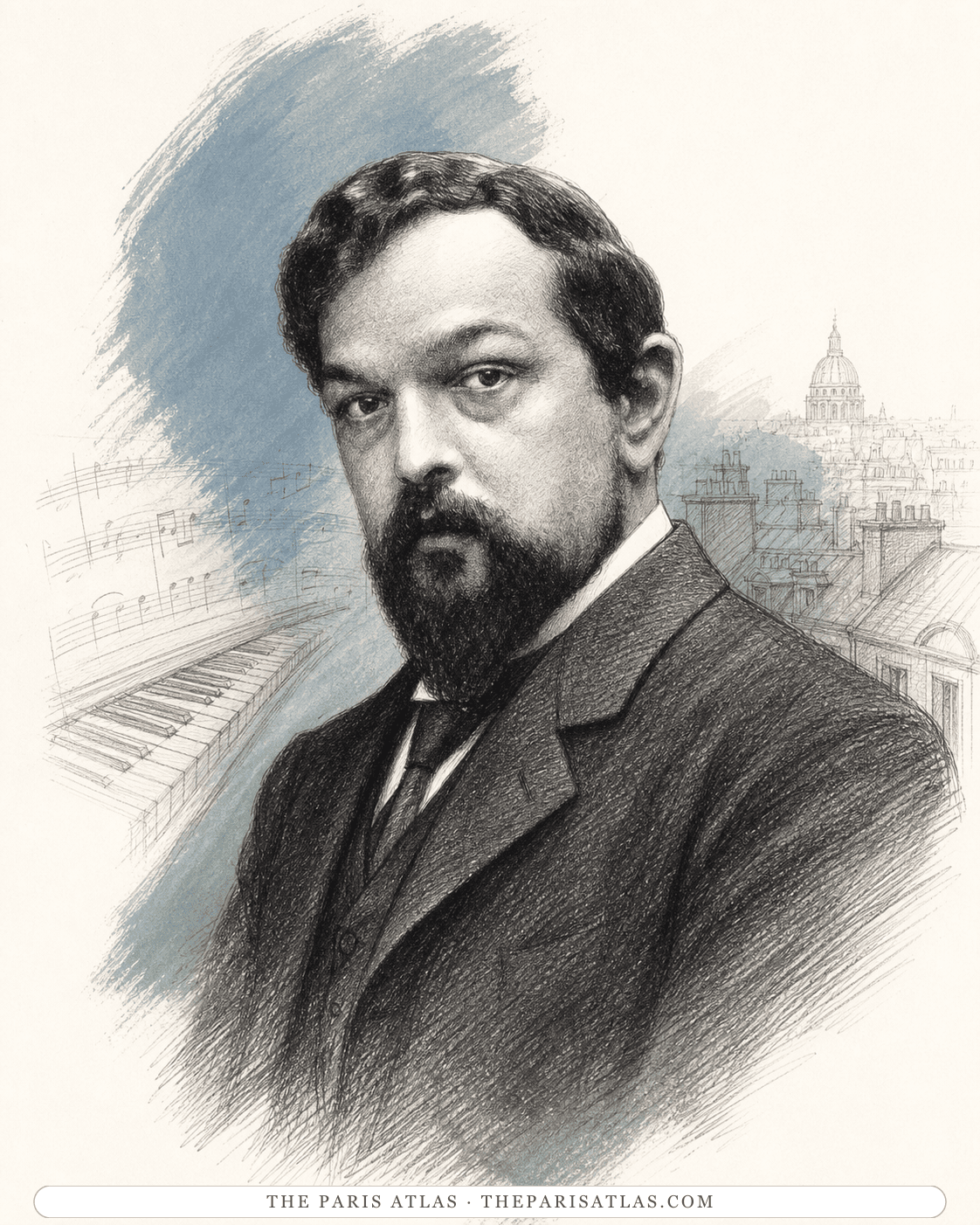
About Claude Debussy
What Rêverie means
The French word rêverie means a daydream or a state of absorbed reflection. Debussy’s title does not give the music a plot. It gives the listener a mode of attention: inward, unhurried and open to repetition.
The piece is for solo piano and belongs to Debussy’s early career. It predates the breakthrough of Prélude à l’après-midi d’un faune, yet several traits associated with the mature composer are already audible.
Melody above a circulating accompaniment
Rêverie begins with a flowing accompaniment that establishes motion without urgency. A lyrical melody enters above it, and the piece grows through changes of register, harmony and intensity rather than through sharp dramatic opposition.
The recurring texture creates continuity, but the harmony keeps the repetition from becoming static. Familiar material returns under altered light, producing the sensation of thought circling an image rather than advancing through an argument.
What sounds early—and what points forward
The melody’s direct lyricism and the accompaniment’s regularity connect Rêverie to nineteenth-century character pieces. Compared with later piano works such as Estampes or the Préludes, its form is easier to hear and its contrasts more conventional.
What points forward is Debussy’s sensitivity to sonority. Pedal, register and the decay of the piano’s sound shape the emotional experience. Harmony is already becoming atmosphere as well as structure.
Why simplicity does not make it easy
A convincing performance must keep the accompaniment alive without allowing it to cover the melody. Too rigid a pulse makes the piece mechanical; too much rhythmic freedom makes its long line disappear.
The apparent simplicity therefore demands control of balance, voicing and pedal. Its dream state is made, not merely indicated by the title.
Why Rêverie remains popular
Rêverie offers a direct path into Debussy’s piano writing. Its melody is memorable, its emotional tone immediately legible and its technical language less compressed than the late works.
It also corrects the idea that artistic development happens in clean breaks. The future Debussy did not appear from nowhere in 1894; it can be heard forming inside an earlier Romantic language.
Timeline
1890
Debussy composes Rêverie during his early Paris period.
1894
The premiere of Faune soon establishes the more radical language toward which the early piano piece points.
20th century
The work becomes one of Debussy’s most frequently arranged and approachable short piano pieces.
Frequently asked questions
What does Rêverie mean?
It means a daydream or a state of dreamy reflection.
When did Debussy write Rêverie?
The piece dates from 1890, early in his career.
What instrument is Rêverie written for?
Solo piano.
Is Rêverie an Impressionist piece?
It is often heard as an early example because of its atmosphere and resonance, though it also retains the lyricism and formal clarity of a nineteenth-century character piece.
More by Claude Debussy
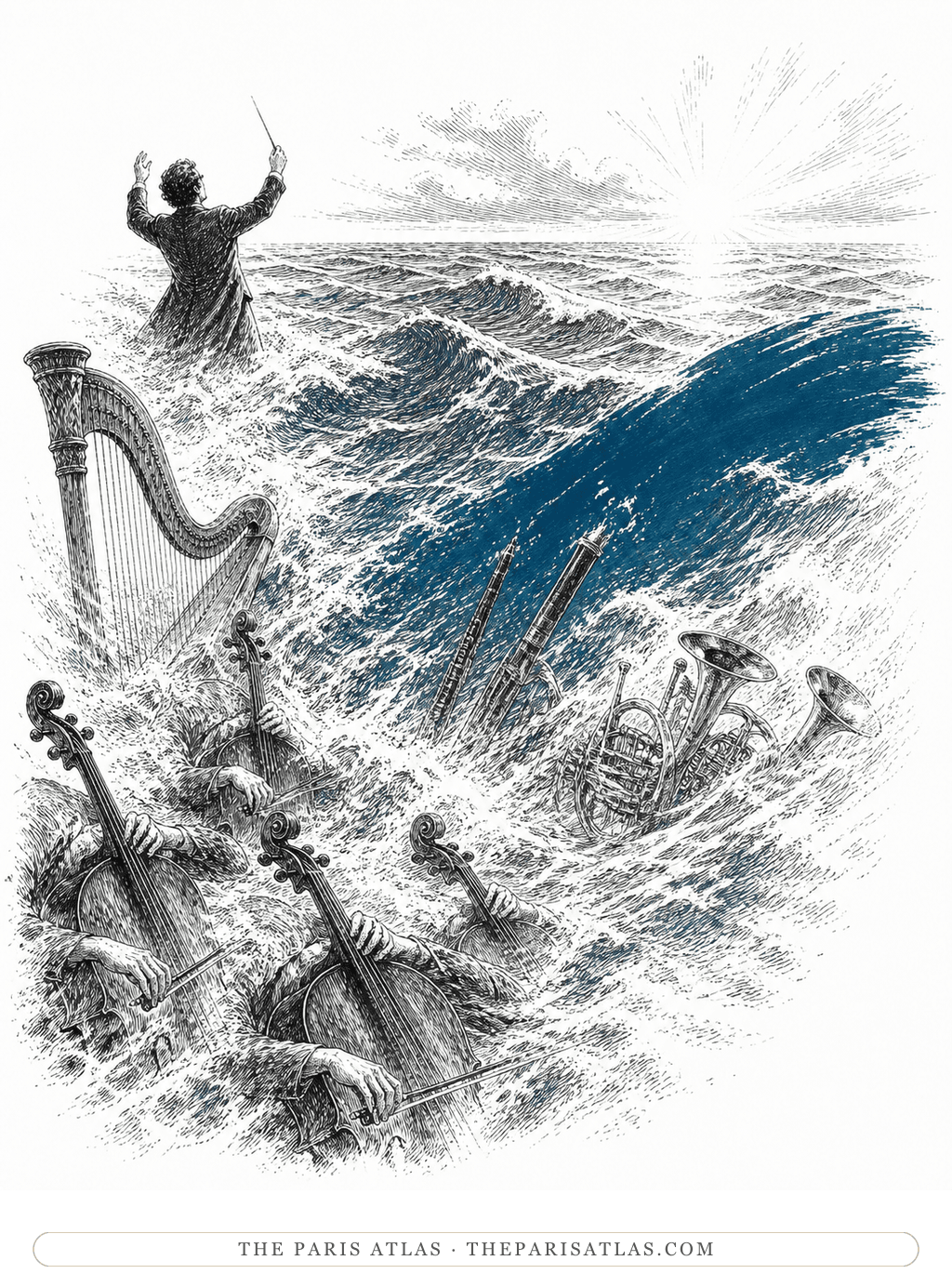
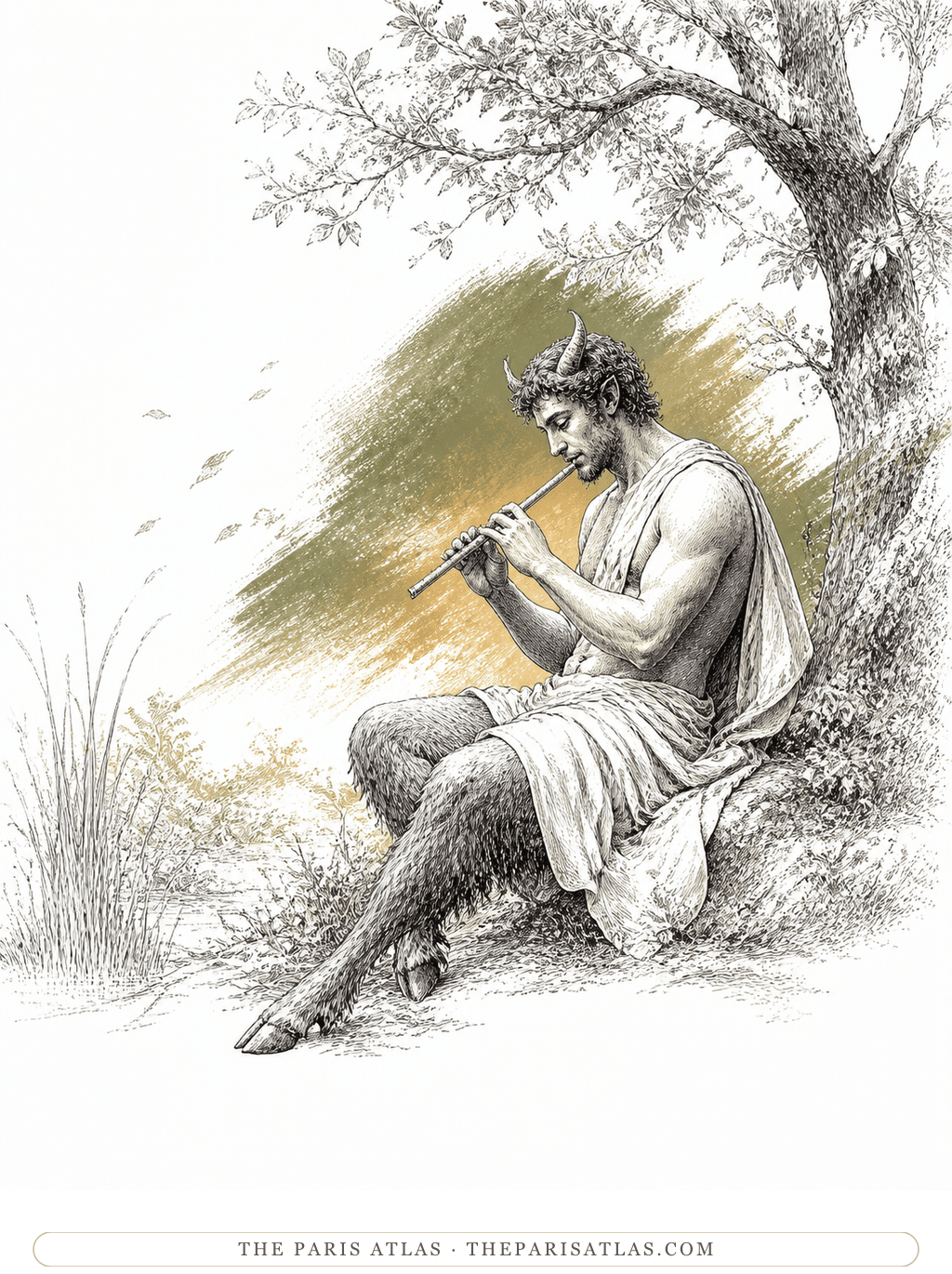
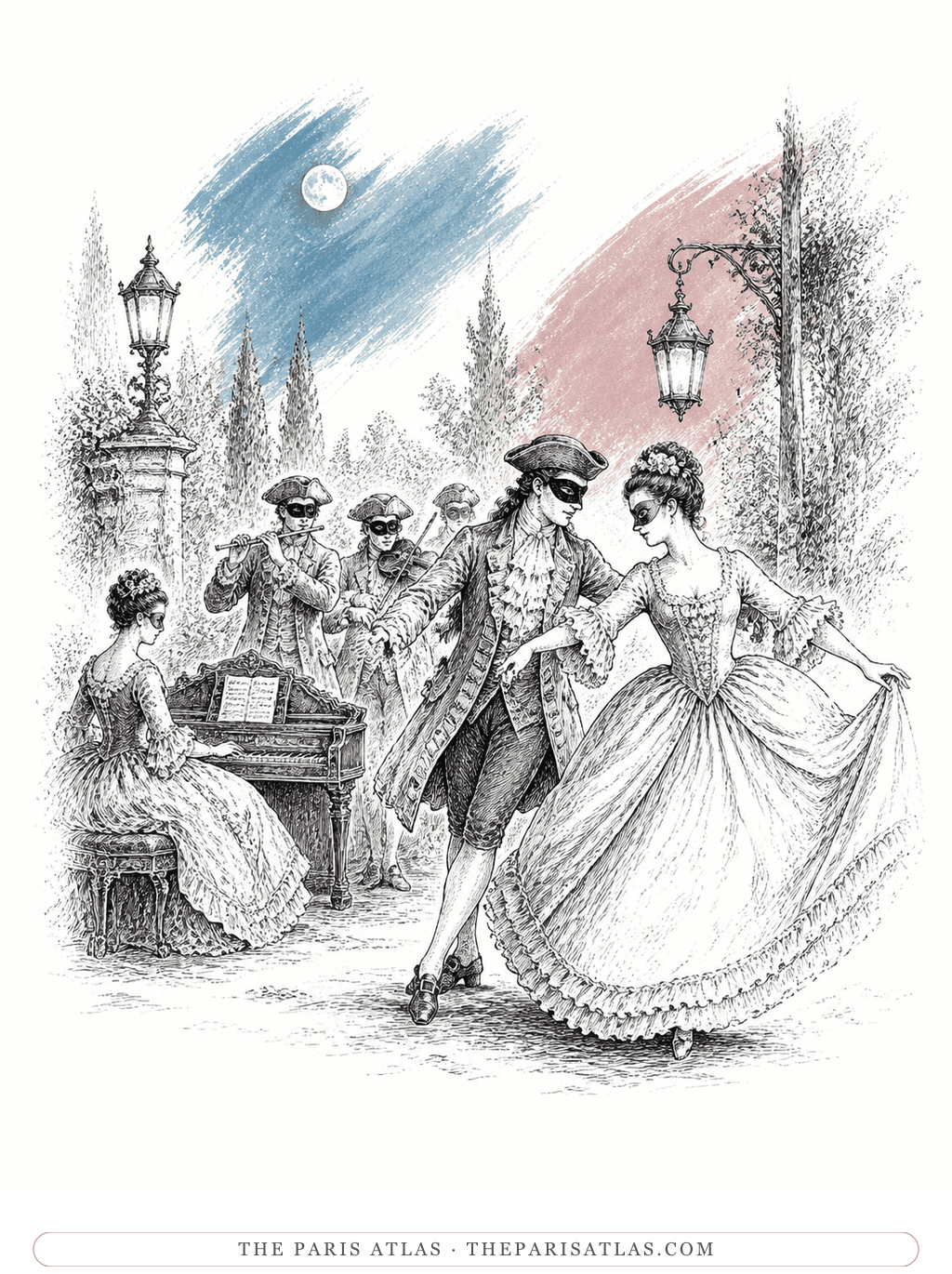
If you like Claude Debussy
Explore composers from the same movements and circles.
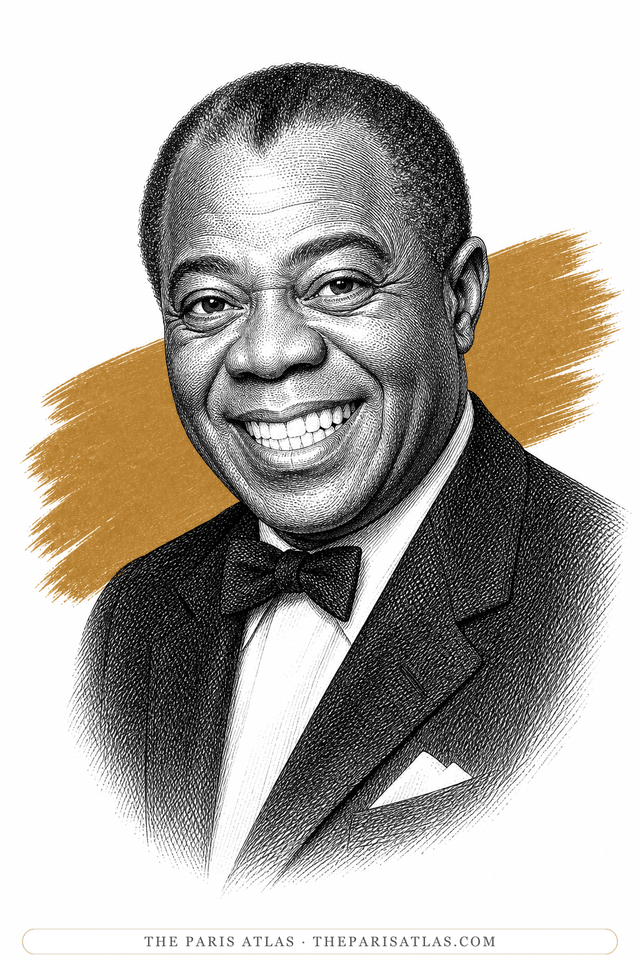
Louis Armstrong
The New Orleans trumpeter and singer who turned jazz from a band music into a soloist's art, and whose voice became one of the most recognisable sounds of the twentieth century. Paris took him early: he spent the autumn of 1934 living in the city, made his only French records that November, played the Salle Pleyel, the city's principal concert hall, and kept coming back for thirty years — including for the 1961 film Paris Blues, shot in the streets he had once idled in.
View artist
Chet Baker
American trumpeter and singer with the smallest, plainest sound in jazz, who arrived in Paris in September 1955 for eight months, recorded — for the French label Barclay — the sessions that are still his most argued-over records, and lost his pianist Dick Twardzik to a heroin overdose in a Paris hotel room ten days after their first session together.
View artist
Paul Bowles
American novelist and composer whose expatriate fiction explores dislocation, unstable intimacy, fatalism, and North Africa.
View artist
References
The sources below include collection records, catalogues, scholarly research, and primary materials that informed this page. They document Rêverie, its making, and its place in cultural history.


1Claude Debussy: piano works
WebsitePhilharmonie de ParisUsed forWeb source consulted for documented facts and historical context presented on the Rêverie page.
2Claude Debussy: works by date
WebsiteIRCAM–Centre PompidouUsed forWeb source consulted for documented facts and historical context presented on the Rêverie page.
3Claude Debussy (1862–1918)
WebsitePhilharmonie de ParisUsed forWeb source consulted for documented facts and historical context presented on the Rêverie page.
4Claude Debussy: Biographie
WebsiteIRCAM–Centre PompidouUsed forWeb source consulted for documented facts and historical context presented on the Rêverie page.
5Rêverie — Claude Debussy: Programme Note
WebsiteThe Gerald Larner Programme Note ArchiveUsed forWeb source consulted for documented facts and historical context presented on the Rêverie page.
These references provide the documented foundation for this work's history and interpretation. Claim-level citations remain attached to the specific claims they support.
 Explore more resources