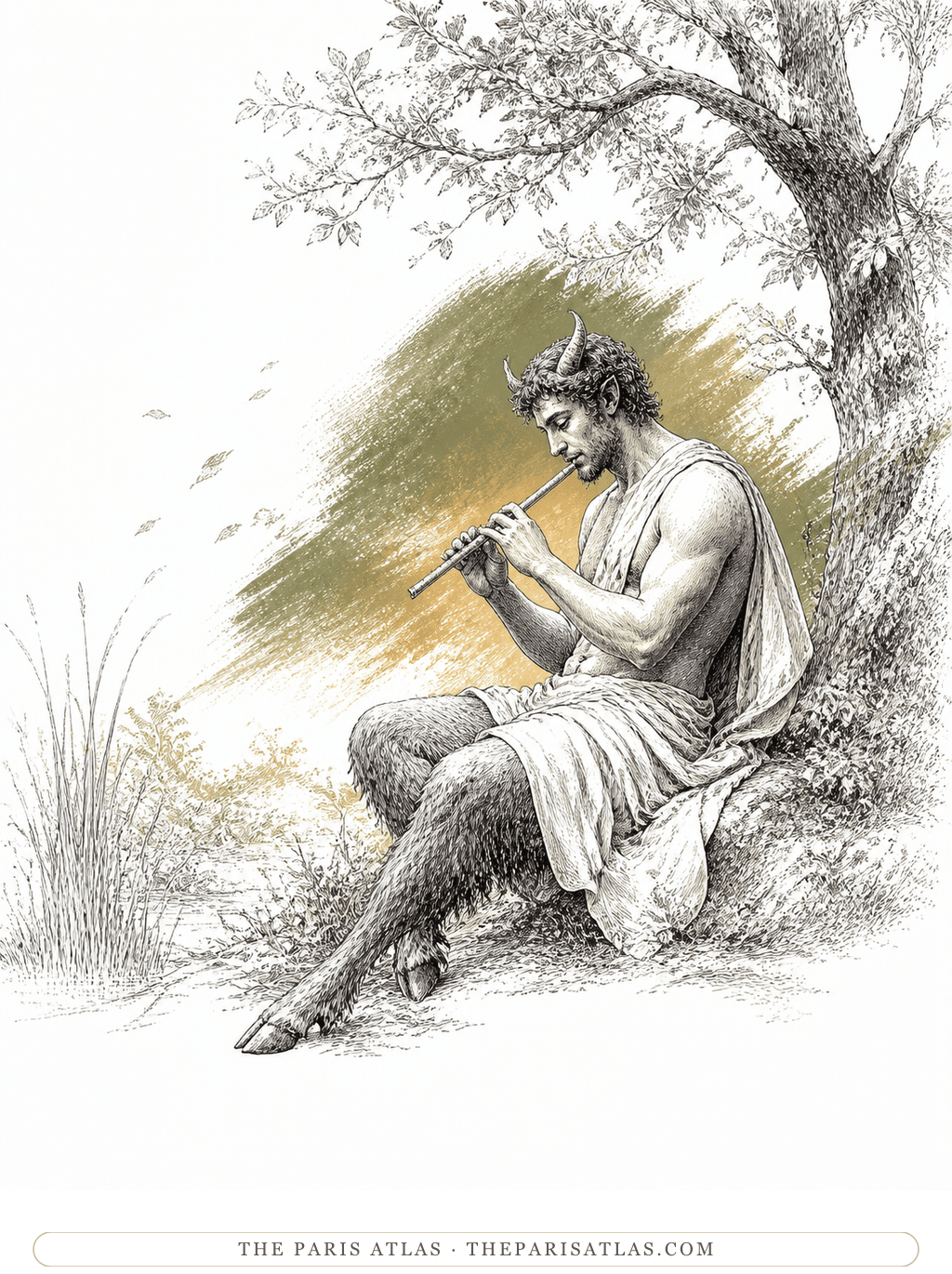
Prélude à l’après-midi d’un faune
Debussy’s languorous orchestral prelude begins with a flute phrase that weakens ordinary tonal certainty and turns Mallarmé’s suggestive poem into a landmark of musical modernism.
- 1892–1894; premiered 22 December 1894
- Orchestral prelude
About Claude Debussy
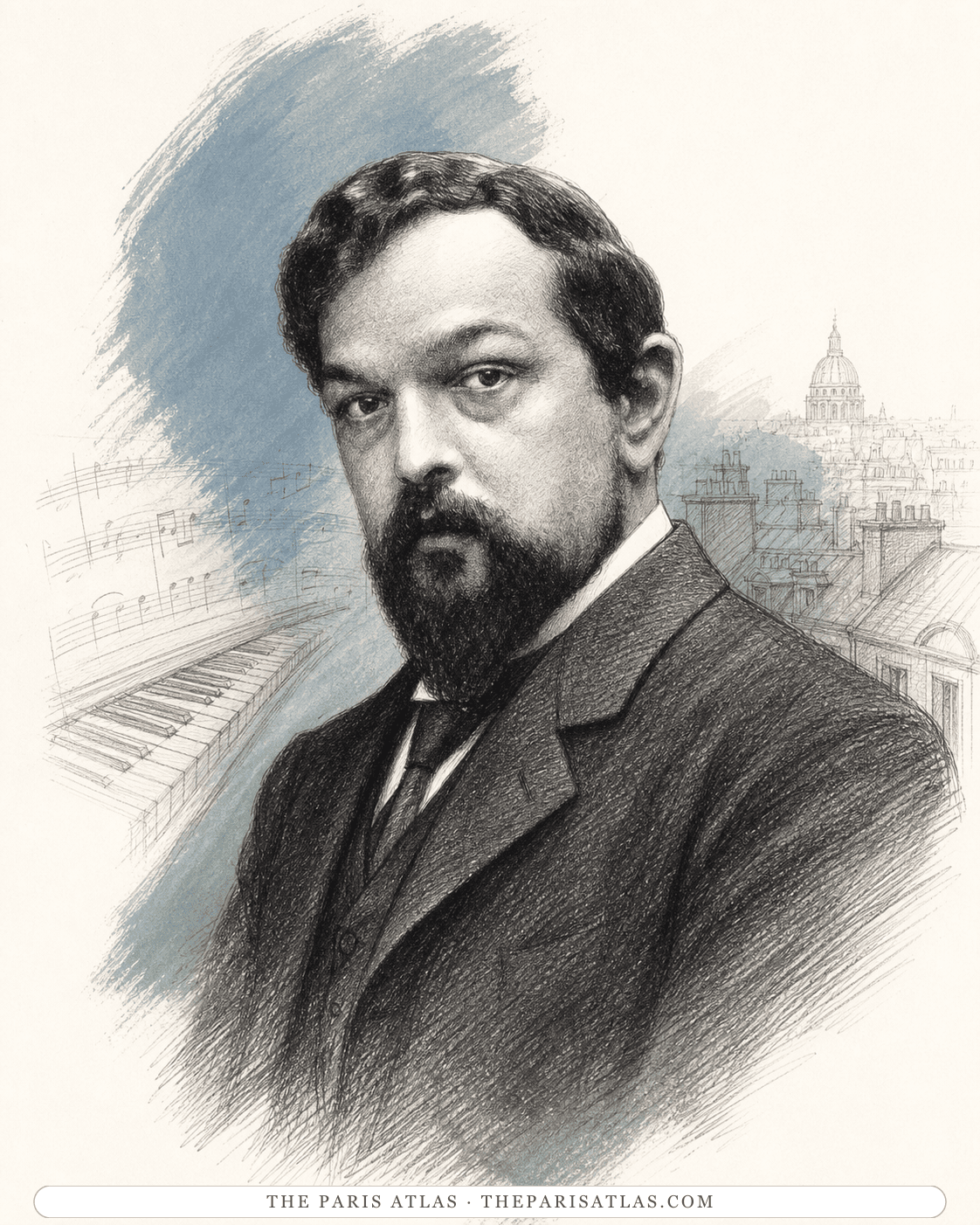
A flute line that seems to wake in mid-thought
The work opens with an unaccompanied flute. Its winding phrase does not firmly announce a key, square rhythm or conventional theme. It appears as if already underway, pauses, then returns in changed surroundings.
That beginning became a symbol of musical modernism because it alters the listener’s expectations immediately. Harmony supports sensation and memory rather than driving the phrase toward an obvious destination.
From Stéphane Mallarmé’s poem
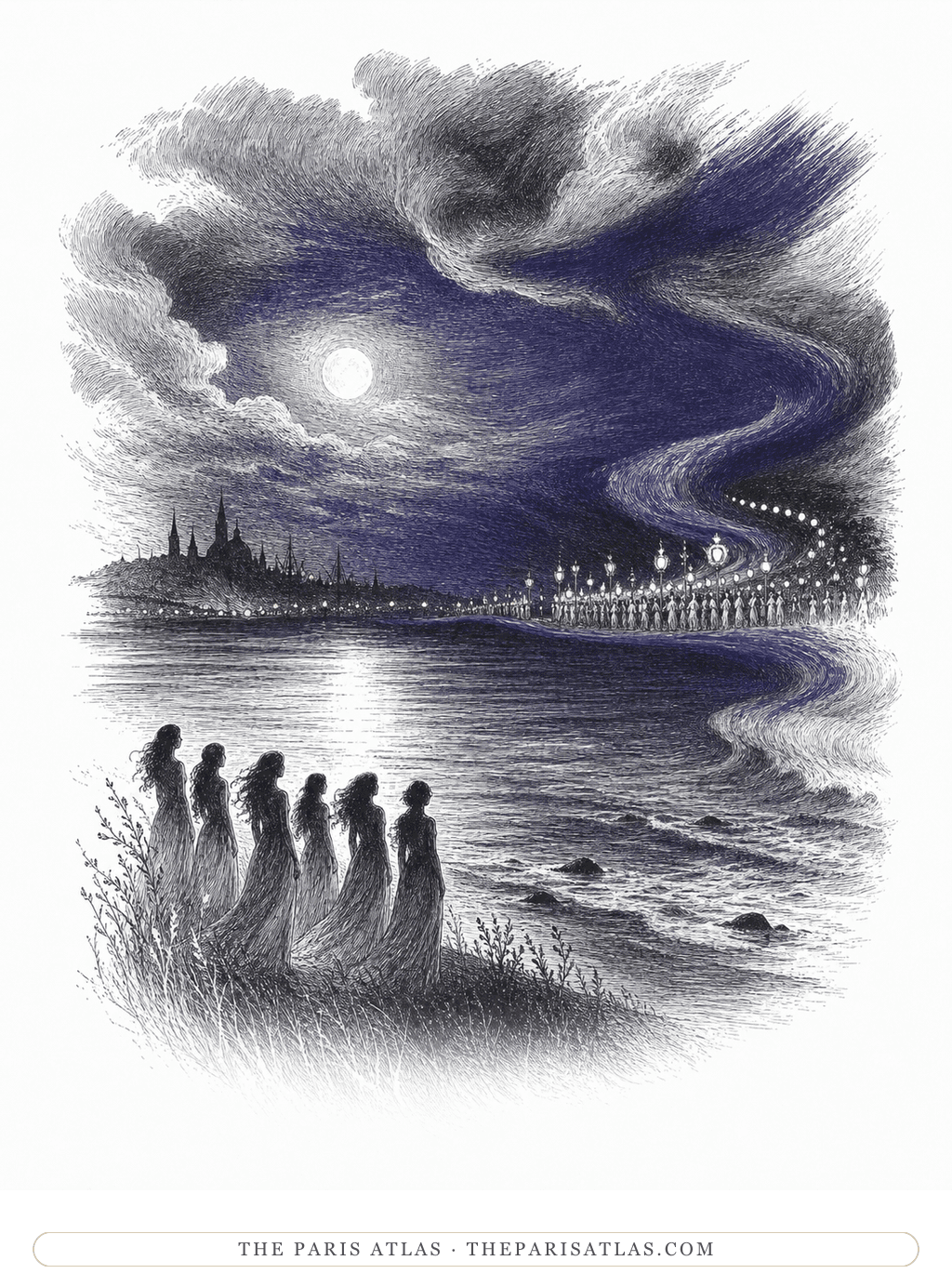
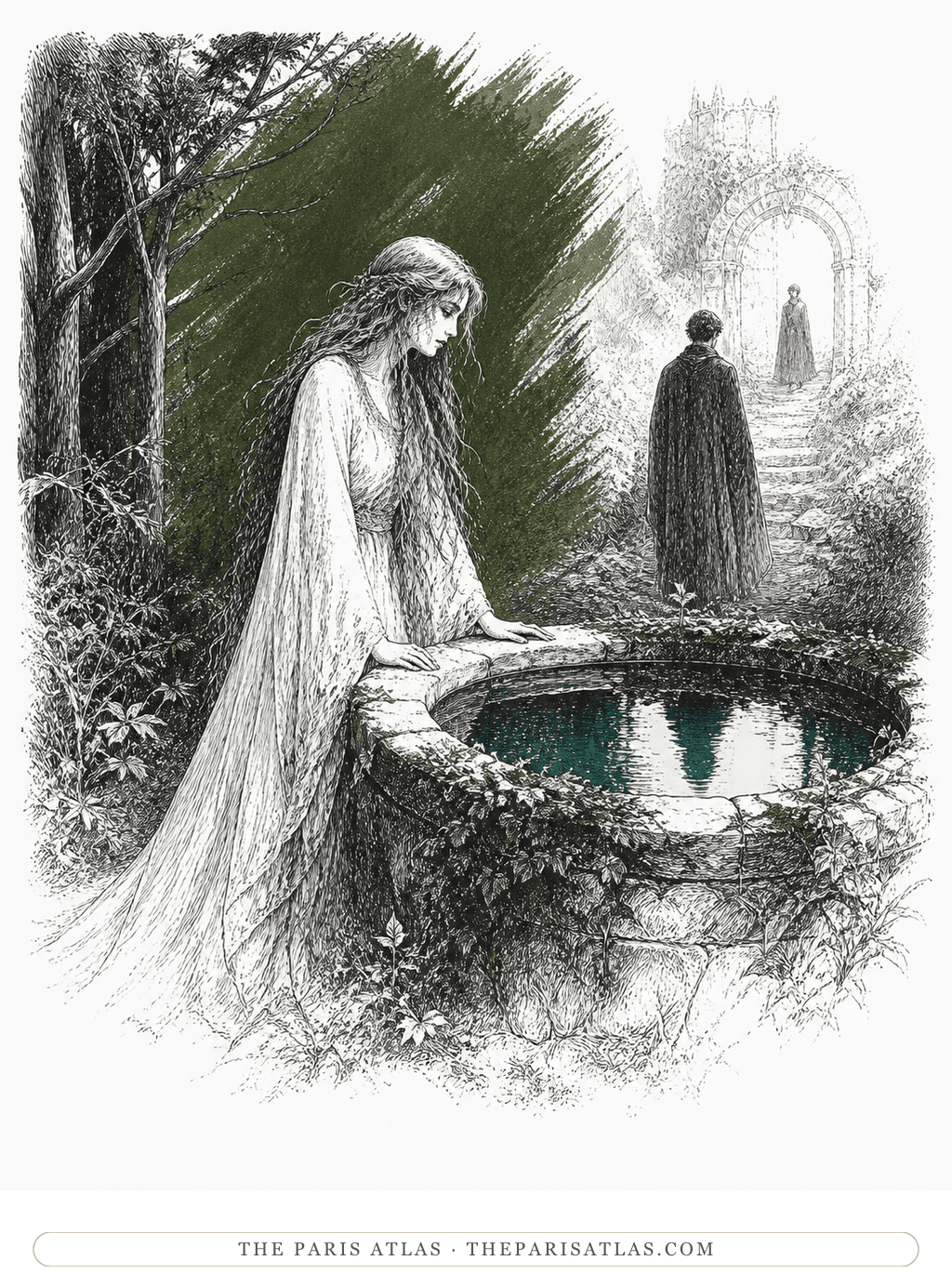
The source is Stéphane Mallarmé’s poem L’Après-midi d’un faune. A faun moves through desire, recollection and dream, uncertain where experience ends and imagination begins. The poem’s power lies less in event than in suggestion.
Debussy does not narrate it line by line. He translates its uncertainty into musical form: ideas recur altered, transitions blur and orchestral color carries meanings that a conventional program could not fix.
A form built from recurrence and transformation
The opening flute phrase acts as the work’s memory. Each return is reframed by different harmony, rhythm or instrumentation. Episodes become warmer and more animated, but the piece avoids a traditional conflict-and-victory design.
The listener recognizes continuity without being shown a rigid blueprint. Debussy makes recollection itself into structure—the same thought returning under different conditions.
An orchestra of breath, resonance and shade
Flutes, oboes, clarinets, horns, harps and strings create a palette that can shimmer without losing definition. Debussy often lets timbre complete a phrase: an idea begun by one instrument seems to evaporate into another.
The reduced emphasis on heavy brass and percussion helps the music hover. Sensuality comes from spacing, blend and harmonic color rather than sheer volume.
The Paris premiere
The prelude was first performed in Paris on 22 December 1894 by the Société Nationale de Musique under Gustave Doret. It established Debussy’s mature public voice years before Pelléas et Mélisande made him internationally famous.
The work’s reception also joined poetry and music within the same Parisian avant-garde. Mallarmé recognized that Debussy had extended the poem’s atmosphere rather than merely illustrated it.
Why Faun matters
Later composers treated the opening as a threshold because it showed that modern music did not have to sound brutal, crowded or anti-beautiful. Radical change could arrive through softness, ambiguity and pleasure.
The score links Symbolism to musical modernism and prepares the way for Debussy’s later orchestral thinking in La Mer. It remains one of the clearest demonstrations that atmosphere can be a rigorous compositional principle.
Timeline
1892
Debussy begins work on music inspired by Mallarmé’s poem.
1894
Completes the orchestral prelude.
22 December 1894
Gustave Doret conducts the Paris premiere at the Société Nationale de Musique.
20th century
Composers and critics increasingly identify the opening flute phrase as a landmark in the birth of musical modernism.
Frequently asked questions
What is Prelude to the Afternoon of a Faun about?
It responds to Mallarmé’s poem about a faun moving through desire, memory and dream, but it suggests that world rather than narrating it literally.
What instrument opens the piece?
A solo flute, with one of the most famous opening phrases in orchestral music.
When was it first performed?
In Paris on 22 December 1894, conducted by Gustave Doret.
Why is the piece considered modern?
Its ambiguous opening, transformed recurrences, orchestral color and weakened sense of conventional harmonic destination offered a new way to organize musical form.
More by Claude Debussy
If you like Claude Debussy
Explore composers from the same movements and circles.
Louis Armstrong
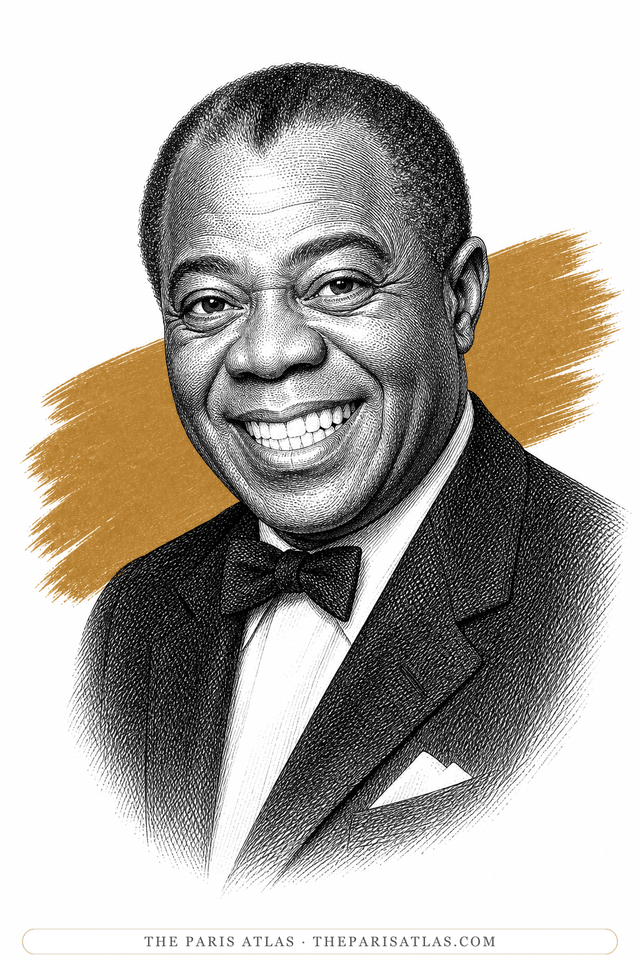
The New Orleans trumpeter and singer who turned jazz from a band music into a soloist's art, and whose voice became one of the most recognisable sounds of the twentieth century. Paris took him early: he spent the autumn of 1934 living in the city, made his only French records that November, played the Salle Pleyel, the city's principal concert hall, and kept coming back for thirty years — including for the 1961 film Paris Blues, shot in the streets he had once idled in.
View artist
Chet Baker
American trumpeter and singer with the smallest, plainest sound in jazz, who arrived in Paris in September 1955 for eight months, recorded — for the French label Barclay — the sessions that are still his most argued-over records, and lost his pianist Dick Twardzik to a heroin overdose in a Paris hotel room ten days after their first session together.
View artist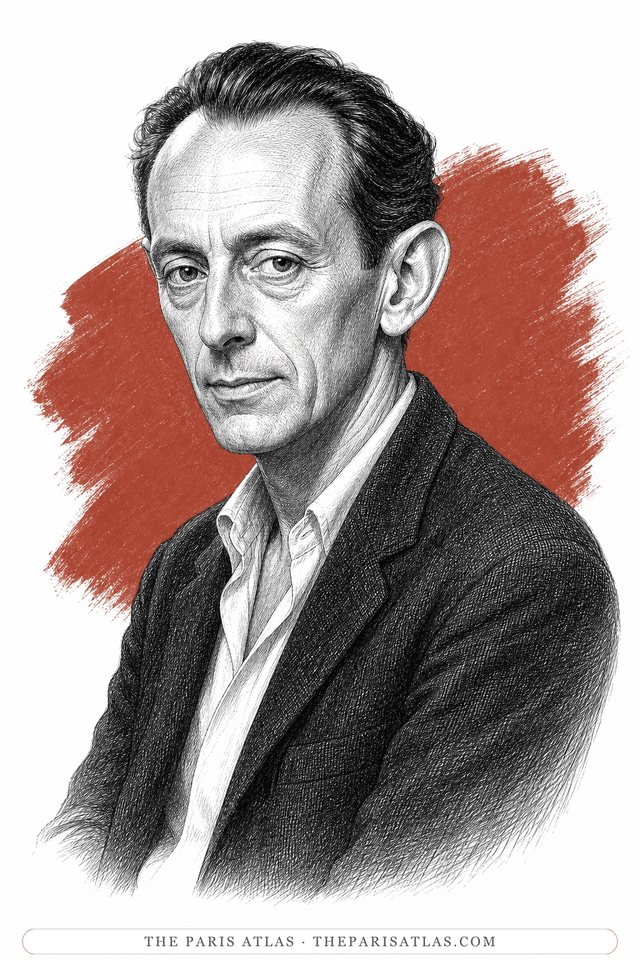
Paul Bowles
American novelist and composer whose expatriate fiction explores dislocation, unstable intimacy, fatalism, and North Africa.
View artist
References
The sources below include collection records, catalogues, scholarly research, and primary materials that informed this page. They document Prélude à l’après-midi d’un faune, its making, and its place in cultural history.


1Prélude à l’après-midi d’un faune de Claude Debussy
WebsitePhilharmonie de ParisUsed forWeb source consulted for documented facts and historical context presented on the Prélude à l’après-midi d’un faune page.
2Claude Debussy: Biographie
WebsiteIRCAM–Centre PompidouUsed forWeb source consulted for documented facts and historical context presented on the Prélude à l’après-midi d’un faune page.
3Claude Debussy (1862–1918)
WebsitePhilharmonie de ParisUsed forWeb source consulted for documented facts and historical context presented on the Prélude à l’après-midi d’un faune page.

4The Velvet Revolution of Claude Debussy
PeriodicalThe New Yorker, 2018Used forContemporary reporting or criticism used to document the historical reception and context of Prélude à l’après-midi d’un faune.
5Prélude à l’Après-Midi d’un Faune — Claude Debussy
WebsiteWise Music ClassicalUsed forWeb source consulted for documented facts and historical context presented on the Prélude à l’après-midi d’un faune page.
These references provide the documented foundation for this work's history and interpretation. Claim-level citations remain attached to the specific claims they support.
 Explore more resources