Pelléas et Mélisande
Debussy’s only completed opera turns Maurice Maeterlinck’s Symbolist drama into an inward musical world where speech, silence and orchestral color reveal what the characters cannot explain directly.
- 1893–1902; premiered 30 April 1902
- Drame lyrique in five acts
About Claude Debussy
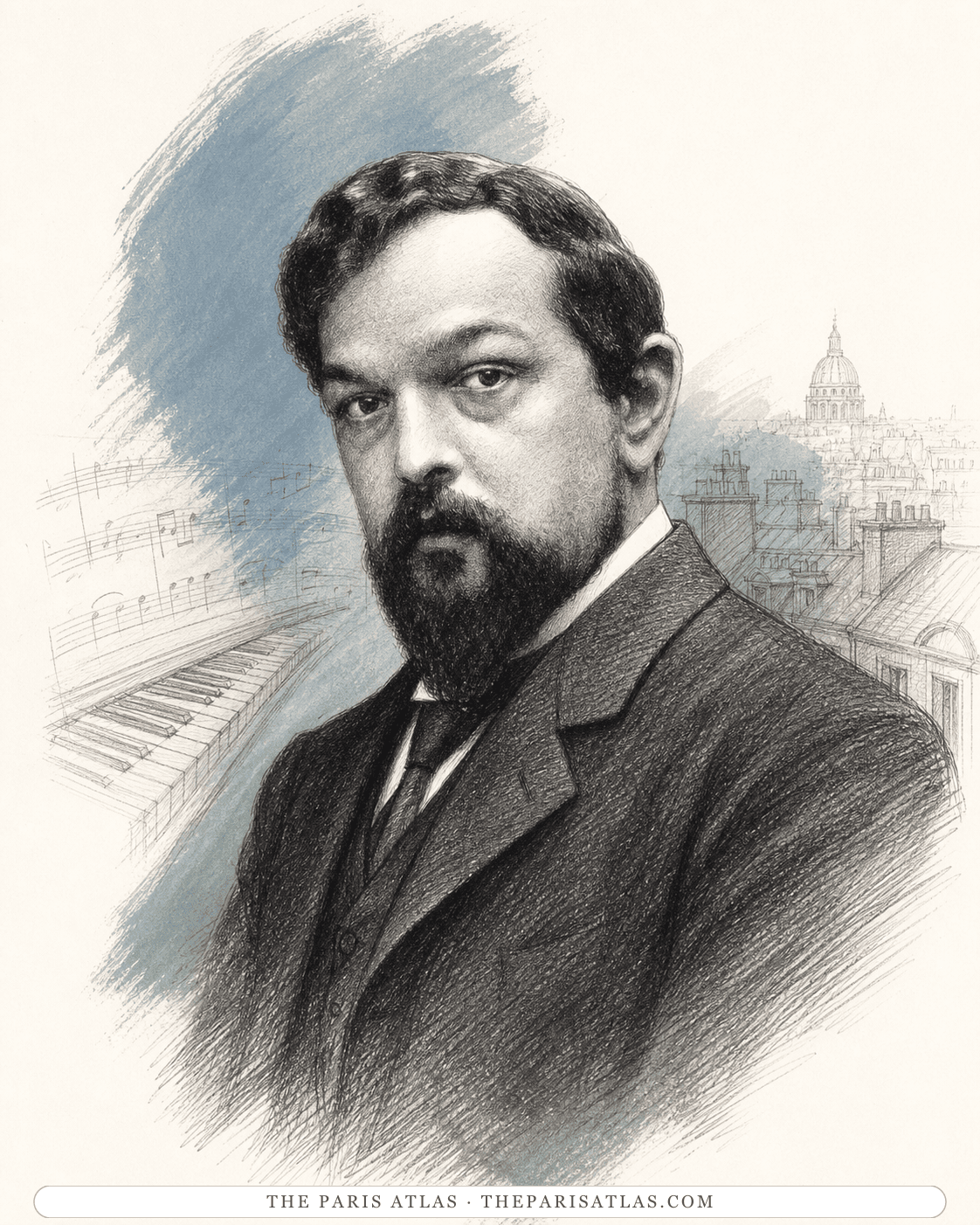
The opera that made Debussy famous
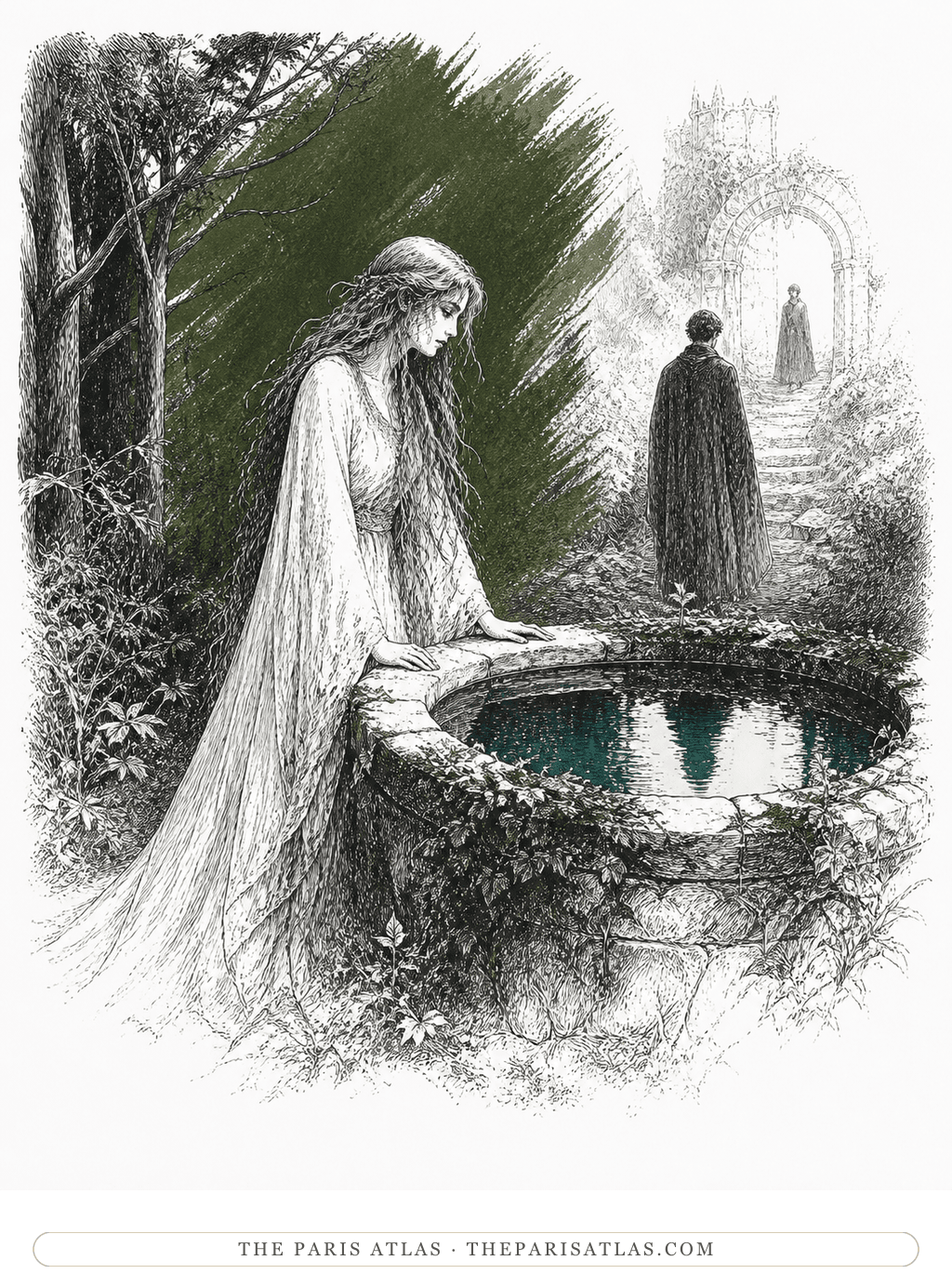
Pelléas et Mélisande is Debussy’s only completed opera and the work that established his international reputation. He called it a drame lyrique rather than presenting it as a chain of conventional operatic showpieces. Its five acts unfold in the shadowed kingdom of Allemonde, where brief encounters and half-spoken fears carry more weight than public declarations.
The opera premiered at the Opéra-Comique in Paris on 30 April 1902. Its success changed Debussy’s position almost overnight: the former outsider became the central French composer of his generation, and admirers of the new language were soon described as Debussystes.
A Symbolist story of things left unsaid
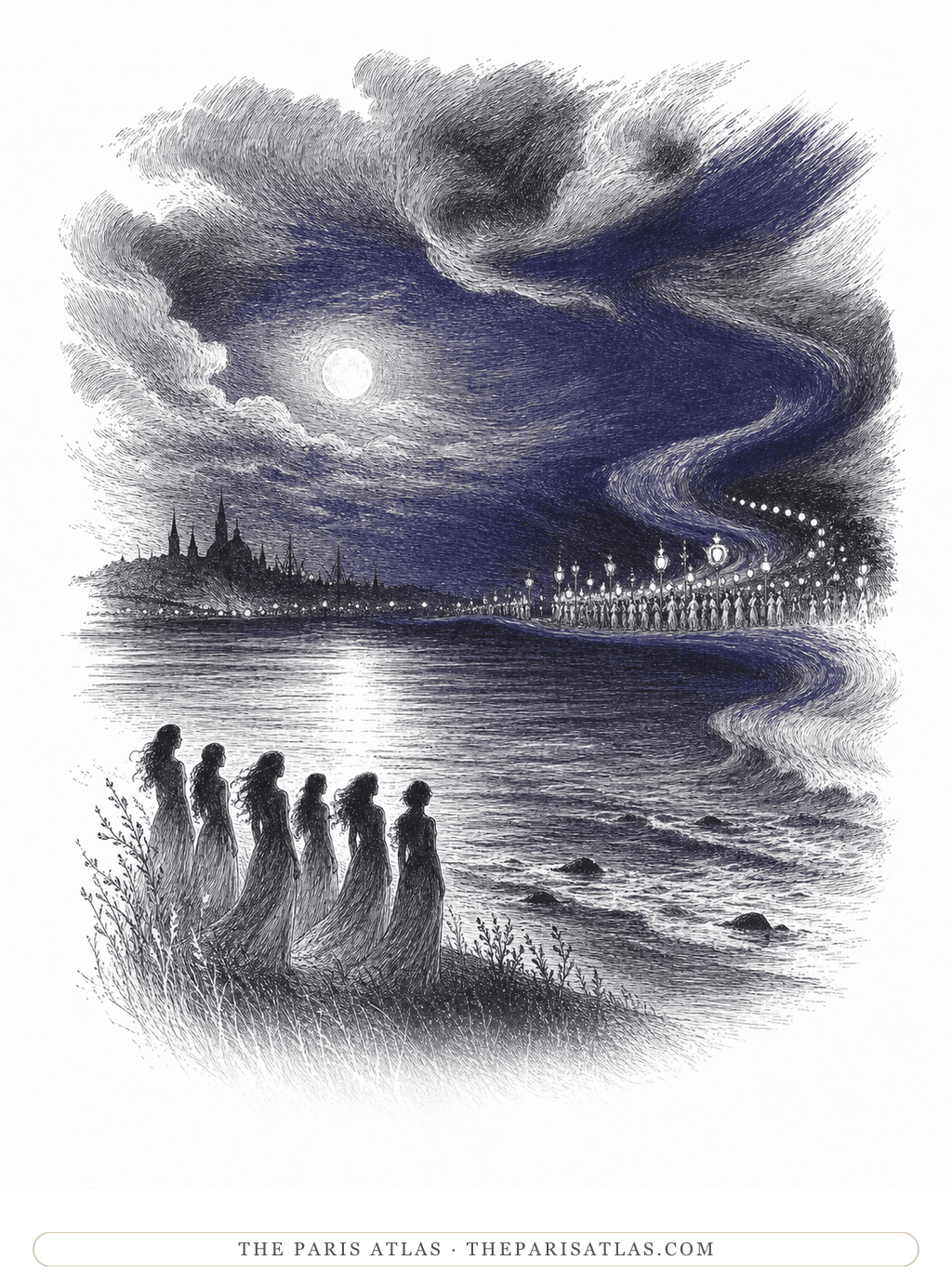
Golaud discovers the mysterious Mélisande alone in a forest and brings her to his family’s castle. She marries him but grows close to his younger half-brother Pelléas. The triangle moves toward jealousy and catastrophe, yet Maeterlinck’s drama deliberately withholds ordinary explanation: Mélisande’s past remains obscure, motives stay unstable and the natural world seems to know more than the people do.
That uncertainty was precisely what attracted Debussy. Symbolist art suggested rather than declared, allowing an image, pause or repeated phrase to retain several meanings at once. The opera’s dramatic power comes from the distance between the simple words the characters speak and the emotions gathering beneath them.
Why the singing sounds different
Debussy avoided dividing the drama into recitative and self-contained arias. Vocal lines stay close to the rhythm and contour of French speech, so the text remains intelligible and a phrase can turn direction as naturally as thought. The restraint is not a lack of melody; it is a refusal to stop the drama so a singer can display one.
The orchestra supplies memory, atmosphere and psychological pressure without simply doubling the voices. Short motives return in altered colors, while silence and low dynamics create a listening space in which a small change can become an event. Debussy found an alternative both to grand French opera and to copying Wagner’s continuous music drama.
Nearly a decade in the making
Debussy encountered Maeterlinck’s play in 1893 and worked on the opera across most of the following decade. The long process let him revise the relationship between language and music until the score spoke in a style inseparable from the French text.
The collaboration with Maeterlinck ended bitterly over casting. Maeterlinck wanted Georgette Leblanc as Mélisande, while Debussy and the Opéra-Comique chose the Scottish-American soprano Mary Garden. Maeterlinck publicly disowned the production before its premiere, but Garden’s performance became central to the opera’s early identity.
The 1902 Paris premiere
André Messager conducted the premiere at the Salle Favart. The work divided listeners, but repeated performances allowed its unfamiliar pacing and vocal language to register. What first seemed elusive became the model of a new French musical theatre.
The Paris location matters. Pelléas grew from the city’s Symbolist literary circles and entered public life through an institution with its own tradition of text-centered French opera. The Opéra-Comique did not merely host Debussy’s breakthrough; it gave the experiment the stage on which it could become repertory.
Why Pelléas et Mélisande matters
The opera proved that musical drama could achieve intensity through understatement. Speech-like melody, orchestral timbre, recurring fragments and expressive silence could organize a full evening without the conventional machinery of arias and climactic display.
Its influence reached composers searching for ways beyond nineteenth-century opera, but Pelléas remains difficult to imitate because its method is bound so closely to Maeterlinck’s language. Debussy did not create a reusable formula. He created one complete dramatic world.
Timeline
1893
Debussy encounters Maurice Maeterlinck’s Symbolist play and begins developing it as an opera.
1893–1902
He composes and repeatedly revises the score, shaping a vocal language close to spoken French.
April 1902
A public casting dispute ends Debussy’s collaboration with Maeterlinck.
30 April 1902
André Messager conducts the premiere at the Opéra-Comique, with Mary Garden as Mélisande.
After 1902
The opera becomes Debussy’s public breakthrough and a foundational work of twentieth-century musical theatre.
Frequently asked questions
What is Pelléas et Mélisande?
Claude Debussy’s only completed opera, a five-act drame lyrique based on Maurice Maeterlinck’s Symbolist play.
When and where did Pelléas et Mélisande premiere?
It premiered at the Opéra-Comique in Paris on 30 April 1902, conducted by André Messager.
Who wrote the libretto?
Debussy adapted the text from Maurice Maeterlinck’s play, preserving much of its restrained, suggestive language.
Who first sang Mélisande?
Mary Garden created the role at the 1902 premiere.
Why does the opera sound unusual?
Its vocal writing follows the shape of French speech instead of alternating conventional recitative and display arias; the orchestra and silence carry much of the drama’s unspoken meaning.
Why did Debussy and Maeterlinck quarrel?
They disagreed over the casting of Mélisande. Maeterlinck wanted Georgette Leblanc, while Debussy and the Opéra-Comique selected Mary Garden.
More by Claude Debussy
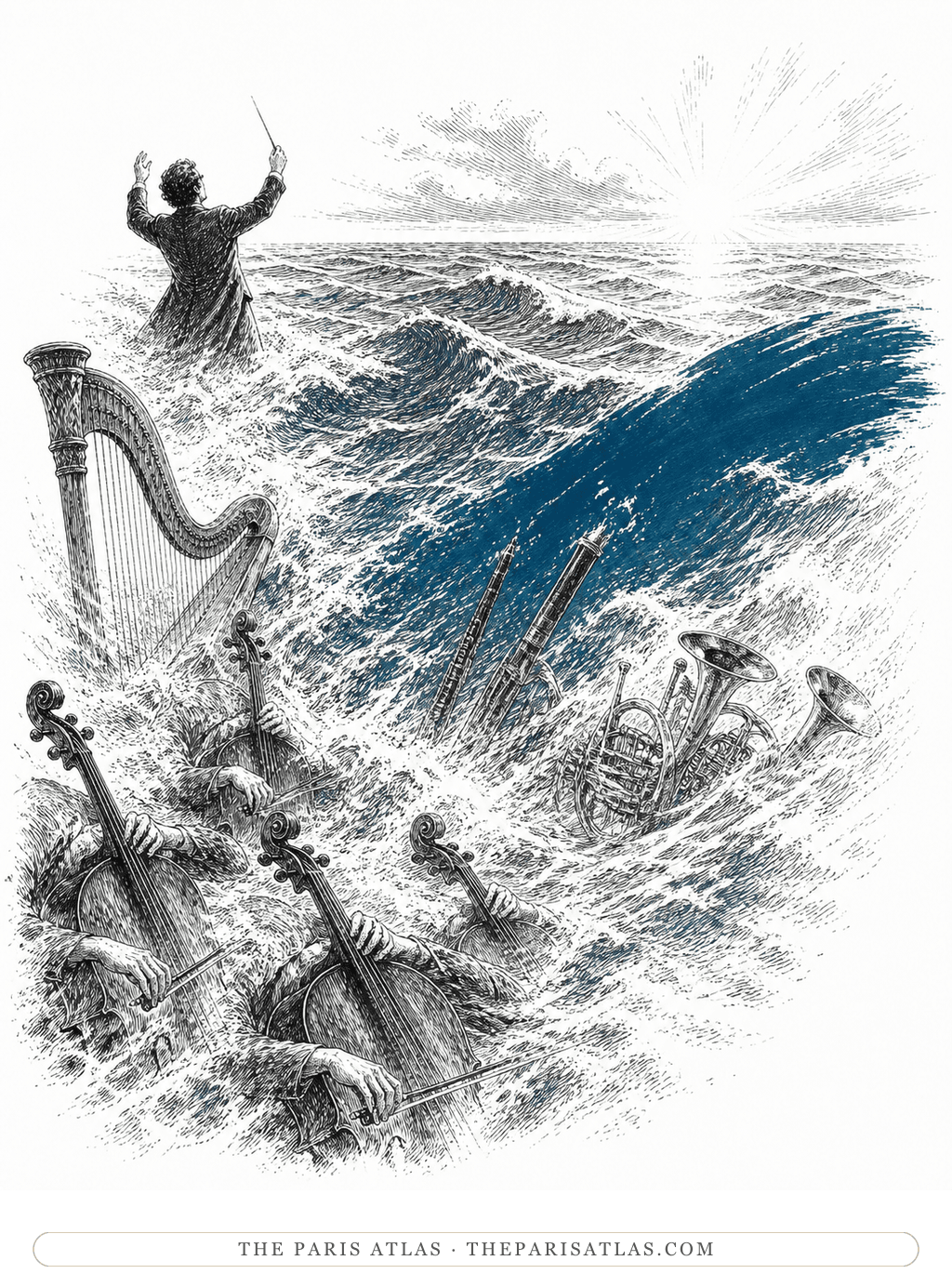
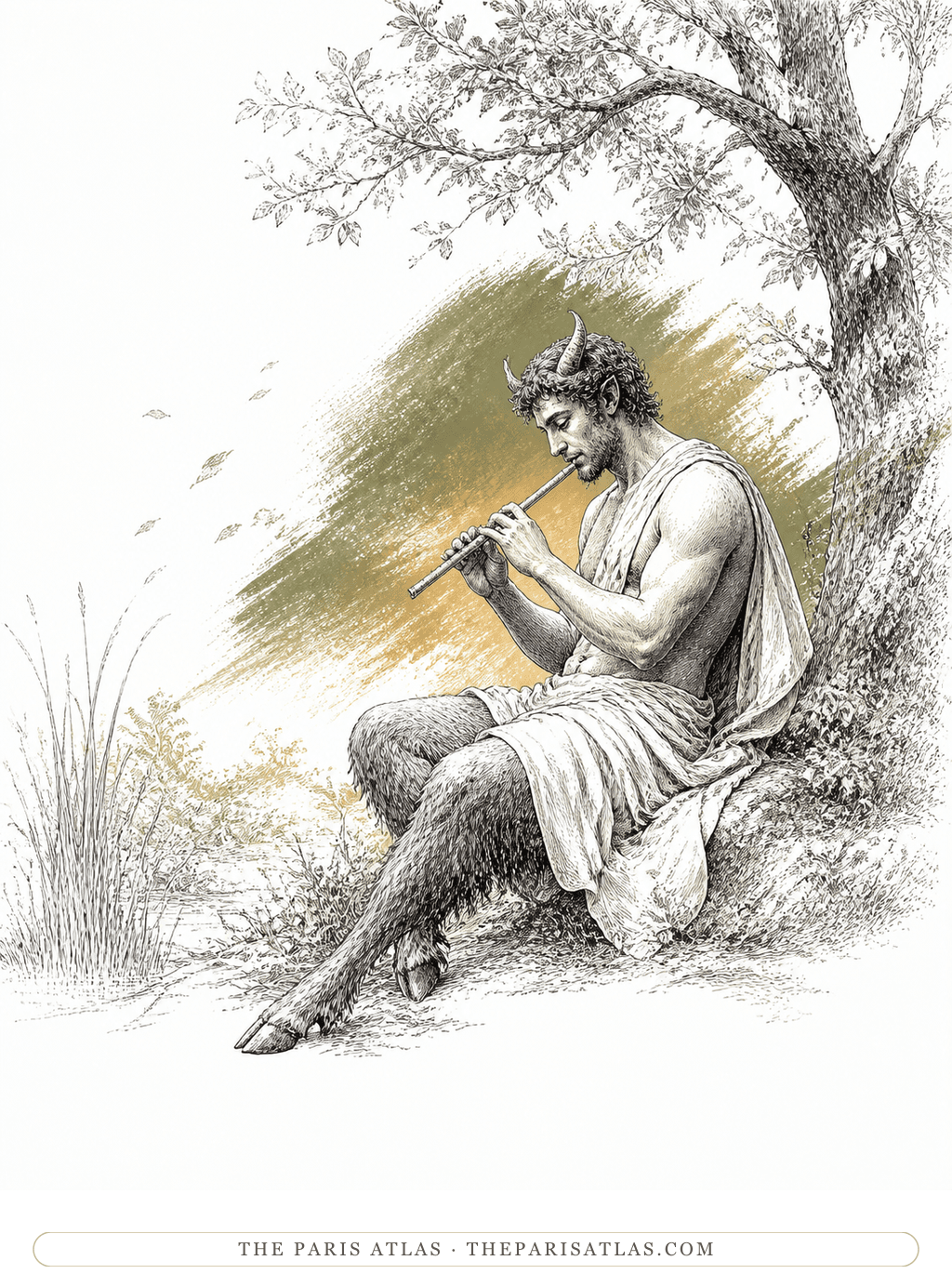
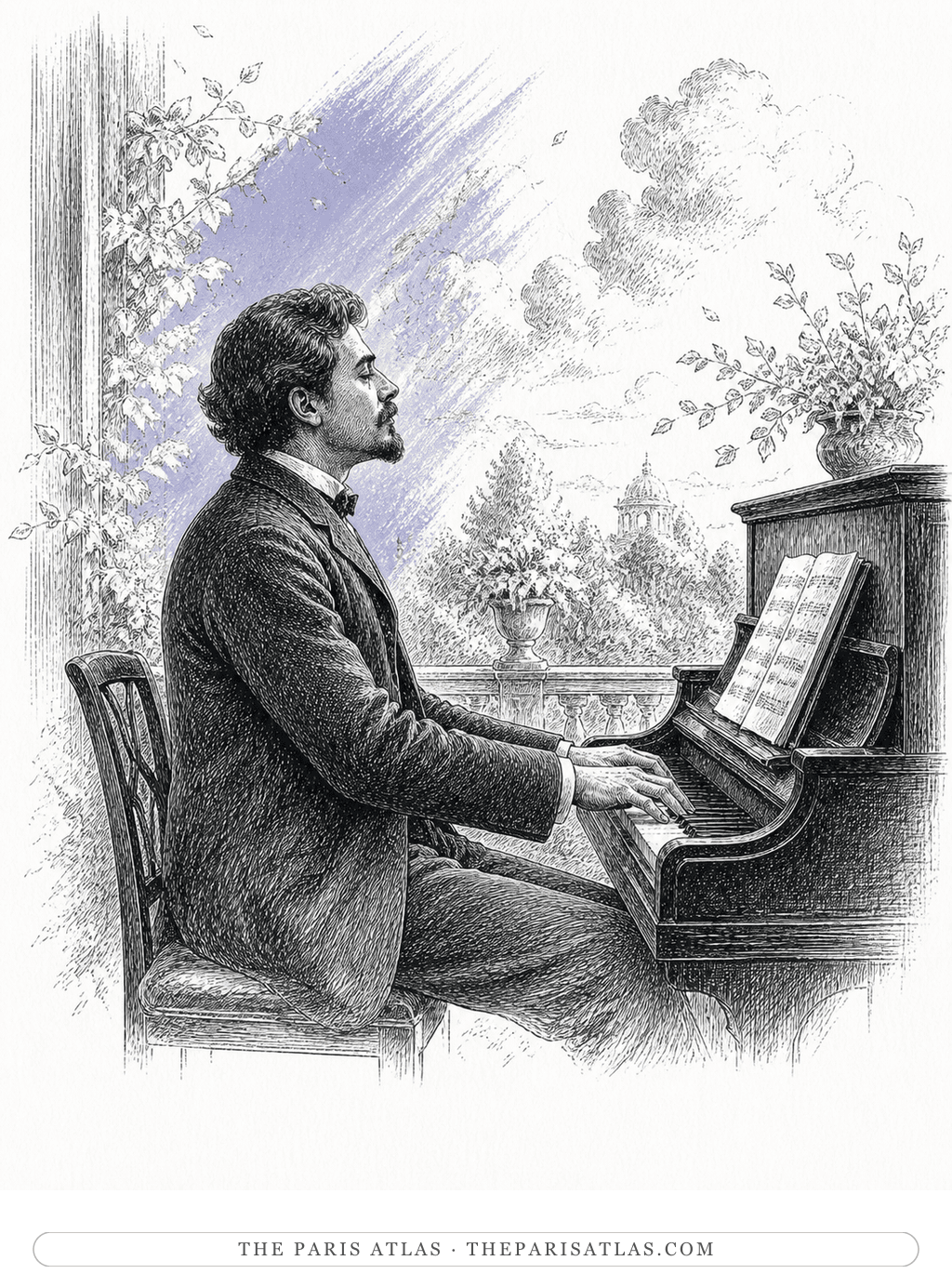
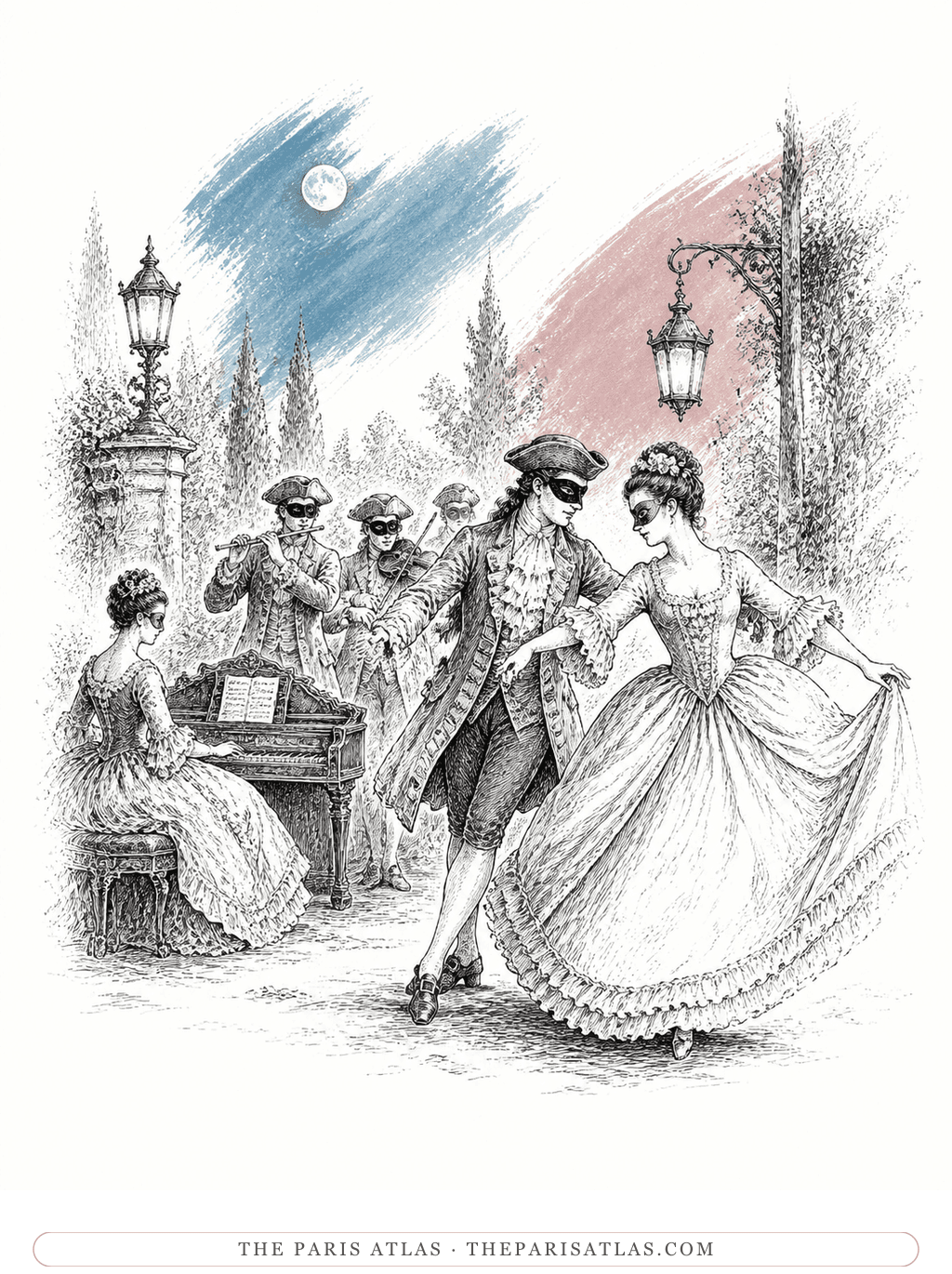
If you like Claude Debussy
Explore composers from the same movements and circles.
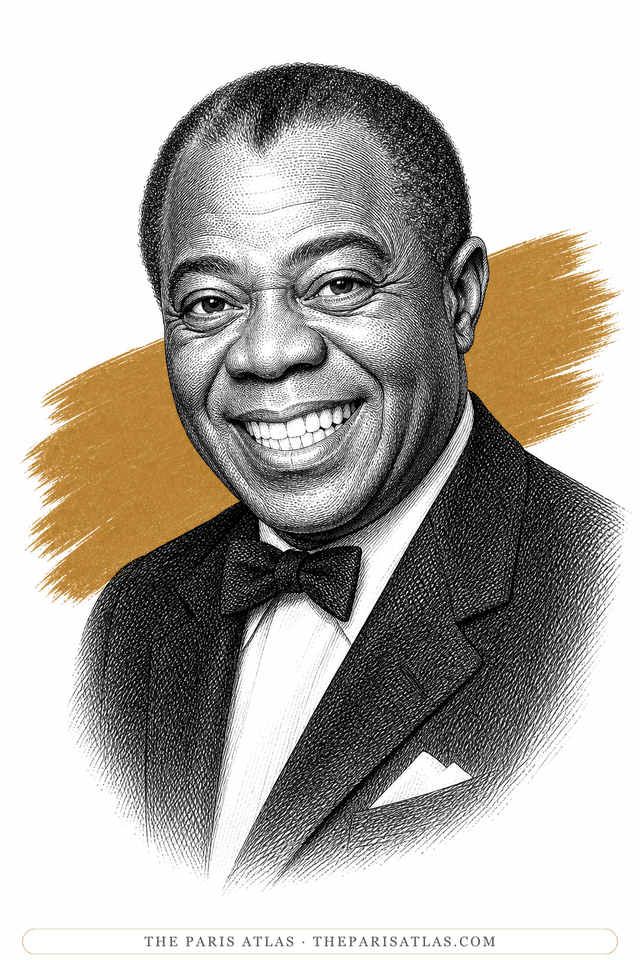
Louis Armstrong
The New Orleans trumpeter and singer who turned jazz from a band music into a soloist's art, and whose voice became one of the most recognisable sounds of the twentieth century. Paris took him early: he spent the autumn of 1934 living in the city, made his only French records that November, played the Salle Pleyel, the city's principal concert hall, and kept coming back for thirty years — including for the 1961 film Paris Blues, shot in the streets he had once idled in.
View artist
Chet Baker
American trumpeter and singer with the smallest, plainest sound in jazz, who arrived in Paris in September 1955 for eight months, recorded — for the French label Barclay — the sessions that are still his most argued-over records, and lost his pianist Dick Twardzik to a heroin overdose in a Paris hotel room ten days after their first session together.
View artist
Paul Bowles
American novelist and composer whose expatriate fiction explores dislocation, unstable intimacy, fatalism, and North Africa.
View artist
References
The sources below include collection records, catalogues, scholarly research, and primary materials that informed this page. They document Pelléas et Mélisande, its making, and its place in cultural history.


1Pelléas et Mélisande
WebsiteOpéra-ComiqueUsed forWeb source consulted for documented facts and historical context presented on the Pelléas et Mélisande page.
2Paris's Best-Kept Secret: the Opéra Comique
WebsiteOpéra ComiqueUsed forWeb source consulted for documented facts and historical context presented on the Pelléas et Mélisande page.
3Claude Debussy (1862–1918)
WebsitePhilharmonie de ParisUsed forWeb source consulted for documented facts and historical context presented on the Pelléas et Mélisande page.
4Claude Debussy: Biographie
WebsiteIRCAM–Centre PompidouUsed forWeb source consulted for documented facts and historical context presented on the Pelléas et Mélisande page.
5Pelléas et Mélisande — Claude Debussy
WebsiteOpéra national de ParisUsed forWeb source consulted for documented facts and historical context presented on the Pelléas et Mélisande page.
These references provide the documented foundation for this work's history and interpretation. Claim-level citations remain attached to the specific claims they support.
 Explore more resources