
Alain Moss
A prosperous English painter in the expatriate hotel circle, observant enough to challenge Stenham but insulated from the life Amar knows.
To keep his independence as an observer and to puncture Stenham’s claims whenever the American performs as the room’s authority on Morocco.
The book

At a glance
- English expatriate painter
- Prosperous
- Foreign residents and visitors around Stenham’s hotel
- Questions Stenham and adds another foreign view of the crisis
Who they are in the book
Spoiler-freeAlain Moss is a well-to-do English painter living among the foreign residents of Fez. He belongs to the comfortable hotel world where meals, drinks, and argument continue while the medina below moves toward open conflict.
Moss is important less for a private plot than for the pressure he puts on Stenham. He asks direct questions, presses the American when an answer sounds like a performance, and refuses to accept every claim about Morocco simply because Stenham has lived there longer.
The novel also uses him to show how easily foreigners can turn a political crisis into conversation. Moss is an intelligent observer whose security depends on money, nationality, and the protected space of the expatriate circle.
How Alain Moss Is Portrayed
- The English painterPainting is his profession and the source of his place in the expatriate circle. The book presents him as prosperous rather than struggling for work or money.
- The man across the tableMuch of his force comes through conversation. He asks Stenham to define his claims instead of allowing a dramatic statement to pass as wisdom.
- At home in the hotel worldHe belongs to the gardens, dining tables, and rooms of the foreign residents. That comfort contrasts with Amar’s work and crowded family life.
- An outsider without Stenham’s disguiseMoss does not depend as heavily on being mistaken for someone who has crossed the cultural divide. His distance from Moroccan life is more obvious.
- Watching politics become immediateHe begins in a circle that can discuss unrest as news. The worsening danger removes the comfort of treating it as an abstract subject.
- The limits of the roleHe helps define the foreign community but does not receive Amar’s interior life or Stenham’s final test. His importance is social and argumentative.
If you like The Spider’s House


If you like Paul Bowles
Explore authors with a similar voice, perspective, and influence.
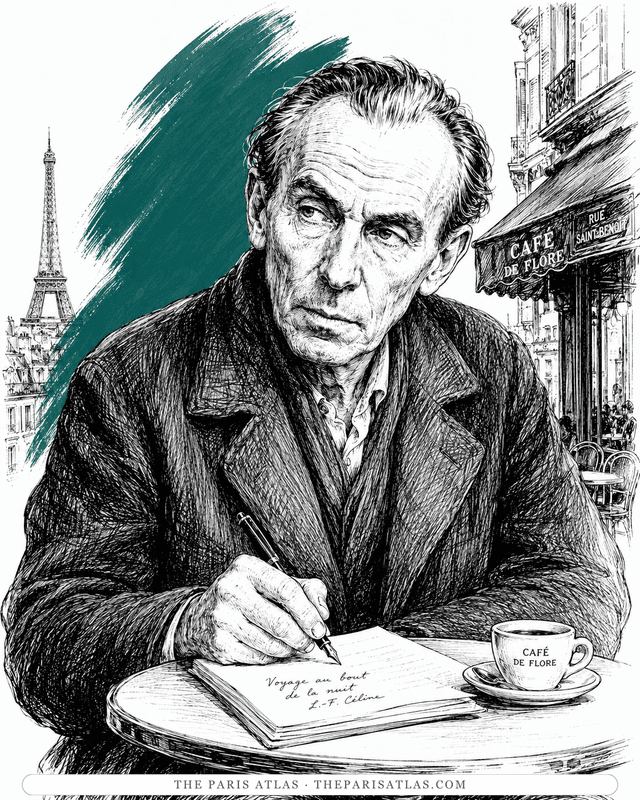
Louis-Ferdinand Céline
The doctor of the Paris slums who wrote the century's blackest, funniest novel — and changed the sound of French prose.
View author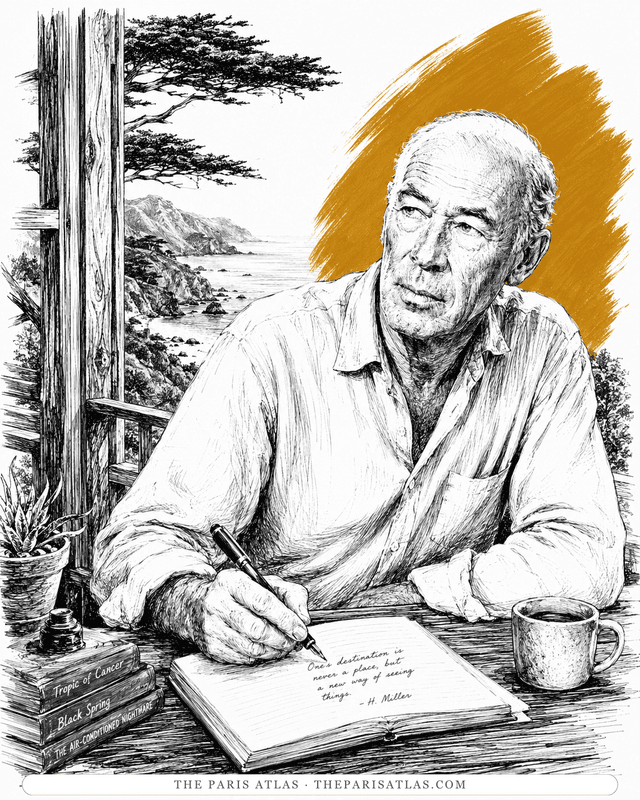
Henry Miller
The Brooklyn dropout who arrived in Paris broke at thirty-eight and wrote the exuberant, banned books that ended American censorship.
View author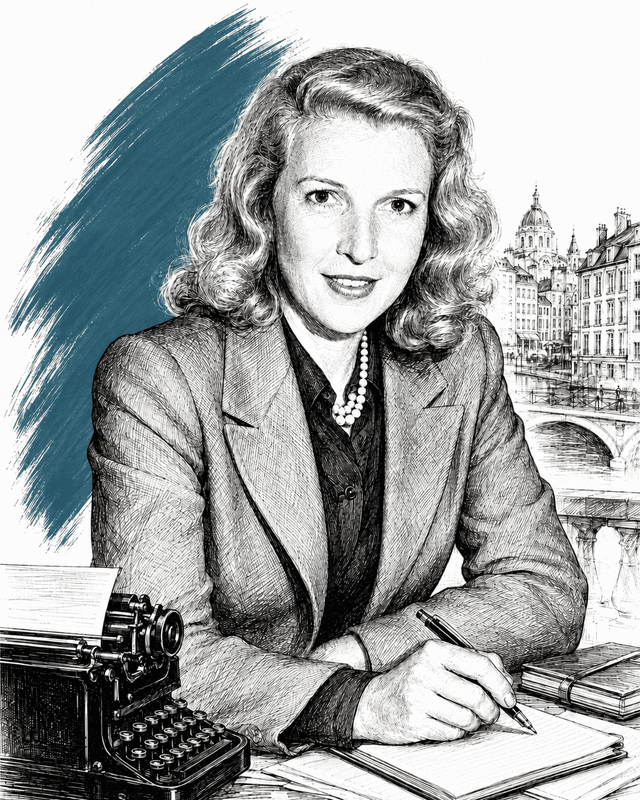
Martha Gellhorn
War correspondent who covered the Spanish Civil War, D-Day, and conflicts across five more decades; Hemingway's third wife, 1940–1945.
View author