
Amar’s mother and sisters
The women of Amar’s household, given little separate narration but central to the practical question that drives him at the end: how to get home to his family.
To keep the family alive and together by leaving Fez for relatives in Meknes when the city becomes unsafe.
The book

At a glance
- Amar’s mother and sisters; not individually named in the main account
- Fez, then refuge with an older married daughter in Meknes
- The family Amar is trying to rejoin
Who they are in the book
Spoiler-freeAmar’s mother and sisters belong to the poor, devout household in which he grows up. Bowles does not give them the long conversations or interior passages he gives Amar and his father, and he does not develop them as interchangeable symbols of all Moroccan women.
Their importance becomes clearest when political violence scatters the family. Remaining in Fez is no longer safe, so the women go to the home of an older married sister in Meknes. Amar, separated from them, does not know this immediately and must rely on other people’s networks for news.
By the ending, reaching them is Amar’s most urgent goal. The large arguments about religion, nationalism, and foreign understanding are reduced to a practical need: a fifteen-year-old wants transport toward the city where his family has taken refuge.
How Amar’s mother and sisters Is Portrayed
- The household around AmarThey are part of the family life that gives his faith and duties their first meaning, even though the narrative stays more often inside the minds of the men.
- Poverty without protectionThey do not have the hotel, car, money, or organized network available to the foreign residents and nationalist leaders.
- Flight to MeknesWhen the danger becomes too great, they seek refuge with an older married daughter in another city. The move is a survival decision, not a political adventure.
- The family as destinationAmar’s final movement is toward them. Their absence from the road makes the help he asks from Stenham concrete and urgent.
If you like The Spider’s House


If you like Paul Bowles
Explore authors with a similar voice, perspective, and influence.
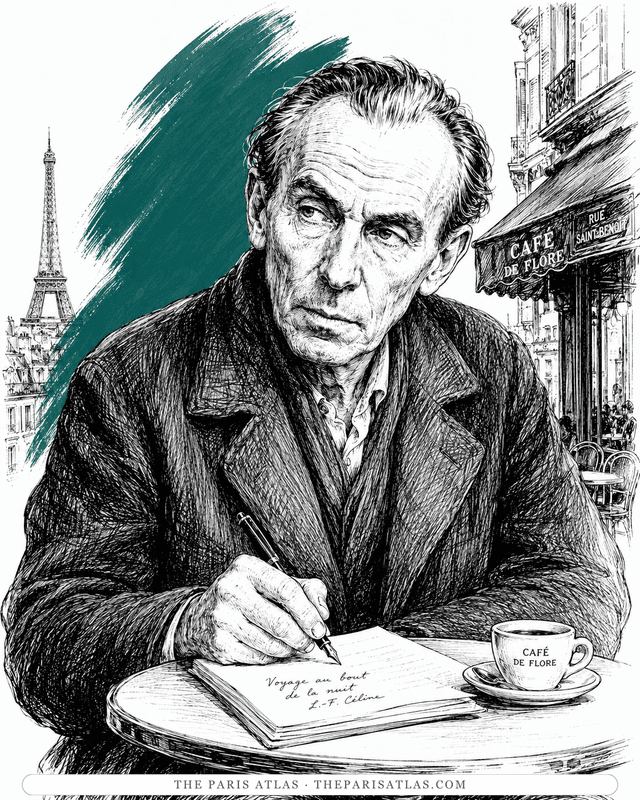
Louis-Ferdinand Céline
The doctor of the Paris slums who wrote the century's blackest, funniest novel — and changed the sound of French prose.
View author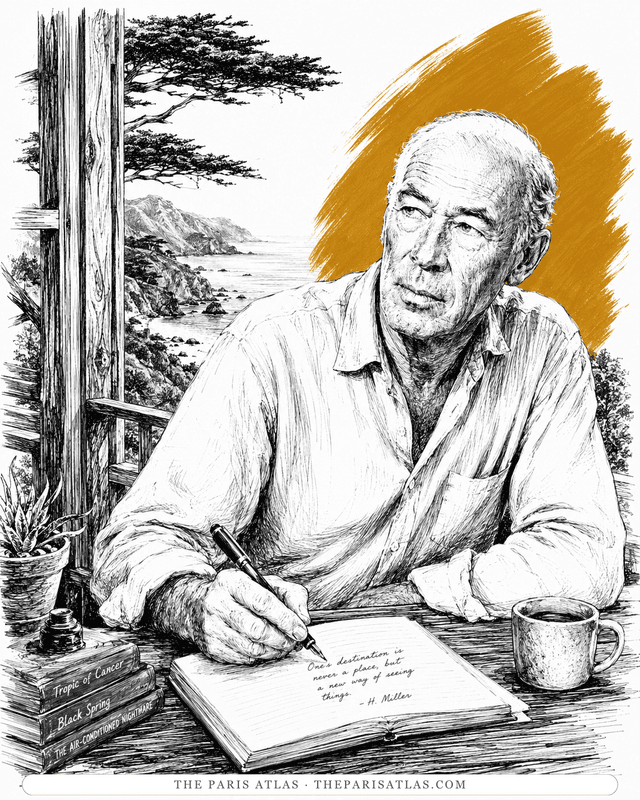
Henry Miller
The Brooklyn dropout who arrived in Paris broke at thirty-eight and wrote the exuberant, banned books that ended American censorship.
View author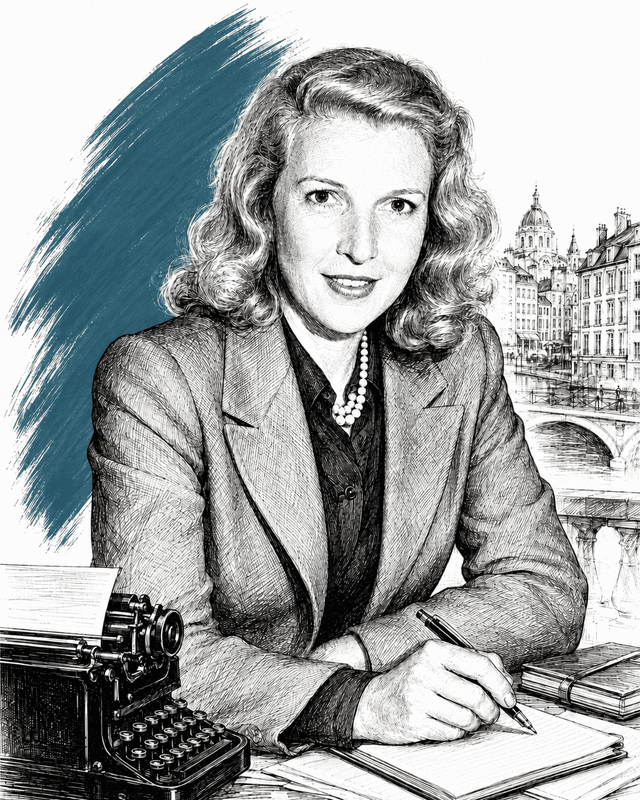
Martha Gellhorn
War correspondent who covered the Spanish Civil War, D-Day, and conflicts across five more decades; Hemingway's third wife, 1940–1945.
View author