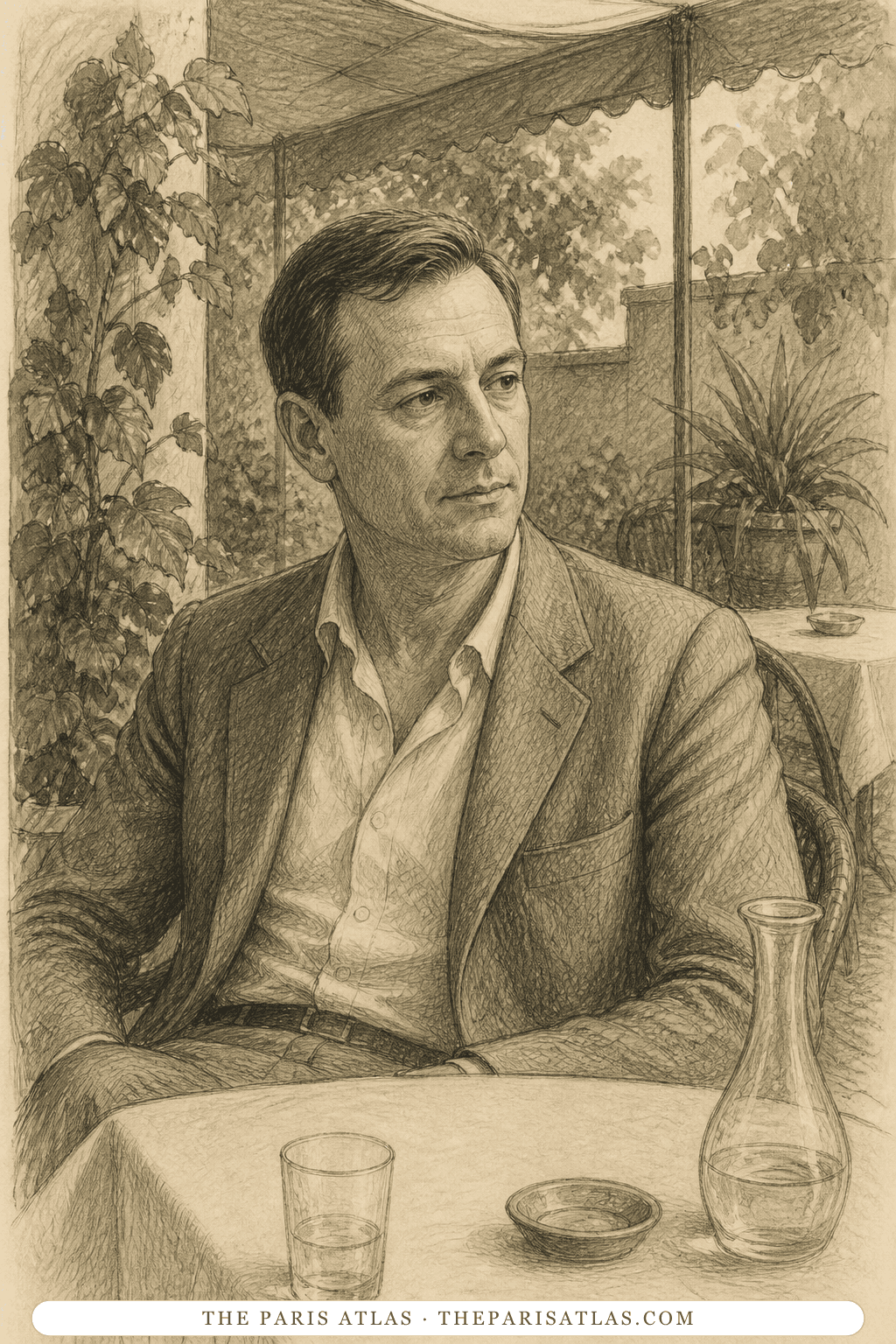
Hugh Kenzie
A minor member of the foreign hotel circle whose presence helps show how expatriates discuss Fez from a position of relative safety.
The book

At a glance
- Supporting member of the expatriate hotel circle
- Stenham, Moss, and the other foreign residents
- Witness and participant in the foreigners’ conversations
Who they are in the book
Spoiler-freeHugh Kenzie is a supporting member of the foreign circle around Stenham, Moss, and Lee. He appears in the hotel’s social scenes rather than in Amar’s family or political network.
Bowles gives him less private history than the central expatriates. That smallness is useful: Kenzie helps make the hotel feel like a settled social world, with meals, habits, and familiar guests carrying on while the city beyond it becomes dangerous.
He is not a hidden organizer or a major rival. His role is to widen the room around Stenham and show that foreign observation is a group activity as well as one man’s personal habit.
How Hugh Kenzie Is Portrayed
- At the dining tableHe appears during the expatriates’ meals and arguments, attending to practical details while stronger personalities compete for the conversation.
- Part of the settled circleHis familiarity with the hotel company makes foreign life in Fez look routine rather than adventurous.
- A witness, not a guideUnlike Stenham, he is not built around a claim of deep access to Moroccan thought. He shows the ordinary distance between resident foreigners and the medina.
- Limited narrative weightThe novel does not give him a separate family story, political mission, or decisive ending. His importance comes from the social setting he completes.
If you like The Spider’s House


If you like Paul Bowles
Explore authors with a similar voice, perspective, and influence.
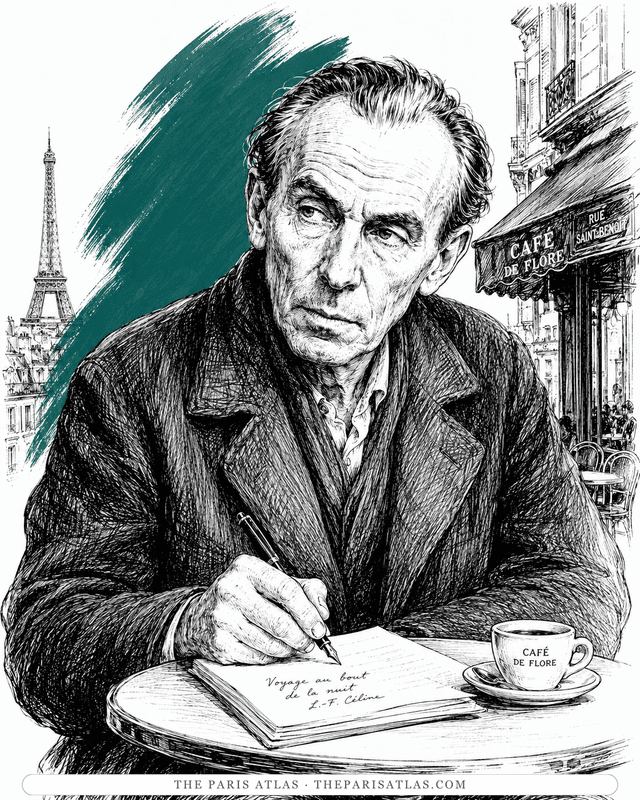
Louis-Ferdinand Céline
The doctor of the Paris slums who wrote the century's blackest, funniest novel — and changed the sound of French prose.
View author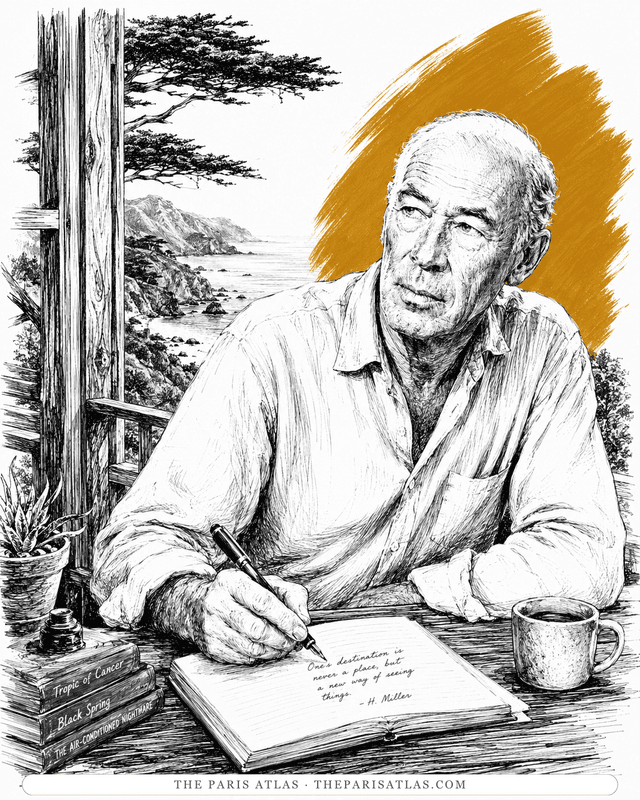
Henry Miller
The Brooklyn dropout who arrived in Paris broke at thirty-eight and wrote the exuberant, banned books that ended American censorship.
View author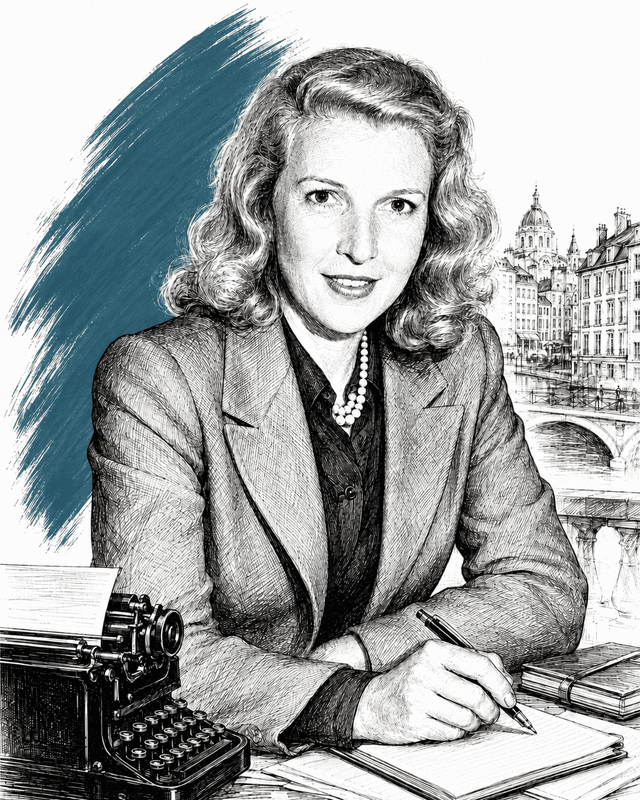
Martha Gellhorn
War correspondent who covered the Spanish Civil War, D-Day, and conflicts across five more decades; Hemingway's third wife, 1940–1945.
View author