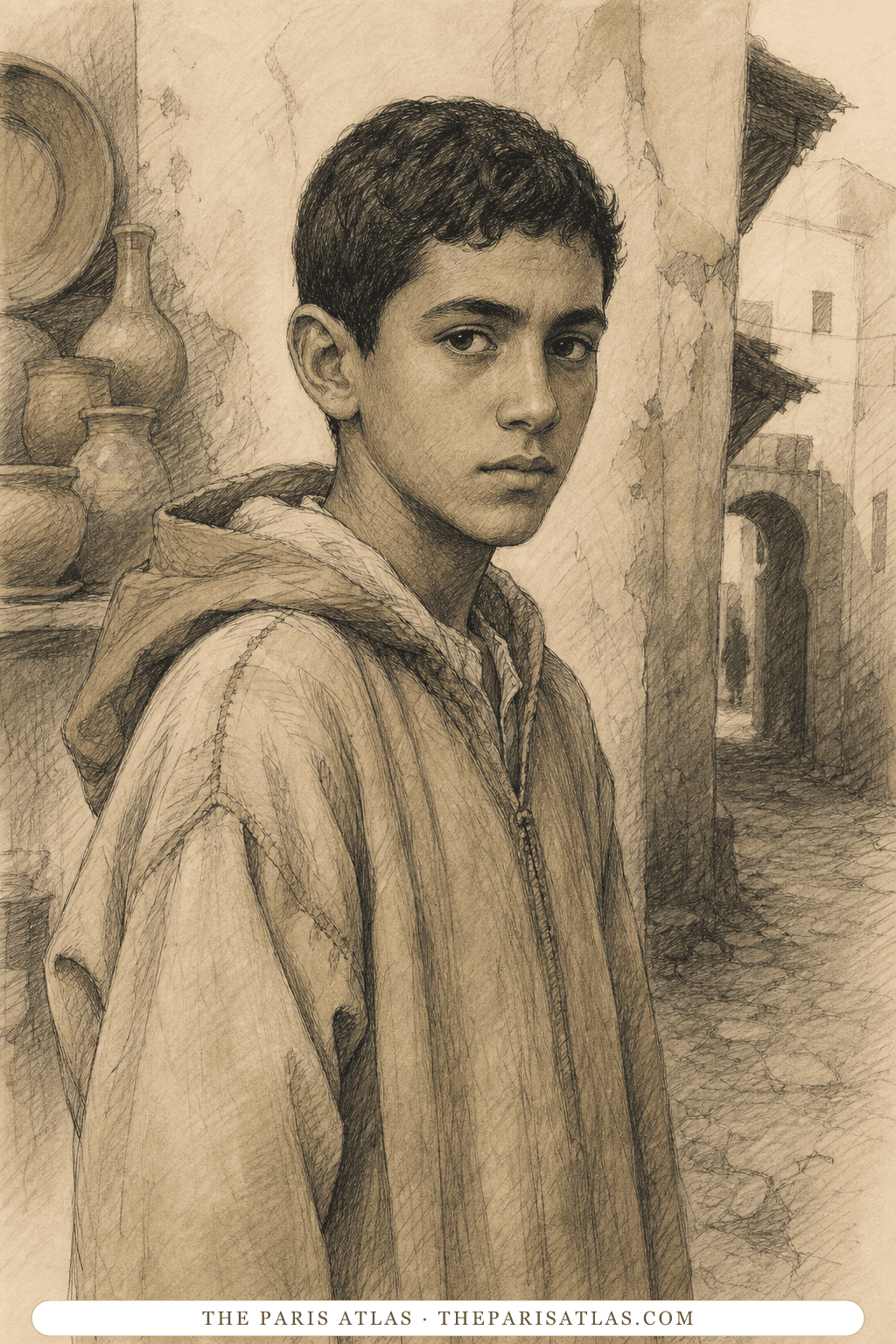
Amar
A poor fifteen-year-old from the Fez medina whose faith, anger, and sharp judgment make him the novel’s most important viewpoint.
To see French rule end without losing the religious justice he believes should guide Moroccan life, and finally to get back to his scattered family.
The book

At a glance
- Fifteen
- The medina of Fez
- Assistant to a potter
- Cannot read; learns through family, work, religion, and the street
- A devout father, mother, and sisters
- Mohammed
Who they are in the book
Spoiler-freeAmar is a fifteen-year-old boy living with his family in the old walled city of Fez in 1954. Morocco is still under French control and resistance is growing. Amar cannot read and his family has little money, but Bowles never treats him as unintelligent. He notices status, dishonesty, fear, and danger quickly, often before the educated adults around him do.
His father is a devout healer and holy man. Amar has grown up with Islam as the structure of daily life rather than a private belief. He is also thought to possess baraka, a spiritual blessing. He wants the French gone and imagines independence as both justice and a return to moral order. His anger sometimes leads him toward revenge, and his early judgments of people outside his world are severe.
The crisis forces him to test those judgments. He meets nationalist leaders whose lives do not match their religious words, travels with foreigners who are neither exactly as corrupt nor as reliable as he assumes, and discovers that people claiming to protect him may leave him in danger. By the end, his immediate goal is not political glory. It is to reach his mother and sister in Meknes.
How Amar Is Portrayed
- Fifteen and already workingHe works for a potter because his family needs money. A fight with another boy sends him into Moulay Ali’s orchard and pulls him into nationalist politics.
- Unable to read, able to judgeHe learns from family, workshops, mosques, cafés, and streets. His attention to tone and motive often makes him a better reader of a room than the foreigners who read books about Morocco.
- The barakaPeople believe he carries a spiritual blessing. The belief gives other Moroccans expectations about him that he does not fully control.
- His idea of independenceAt first he folds political freedom, religious renewal, fairness, and revenge into one hope. Contact with nationalist leaders forces him to separate those ideas.
- His view of LeeHer uncovered arms, cigarettes, confidence, and easy conversation with men violate what he expects. He makes a quick moral judgment and later has to revise parts of it.
- Courage without protectionDuring the raid on Moulay Ali’s house, Amar escapes over the roof. His courage is real, but the adults who created the danger do not stay to protect him from it.
If you like The Spider’s House


If you like Paul Bowles
Explore authors with a similar voice, perspective, and influence.
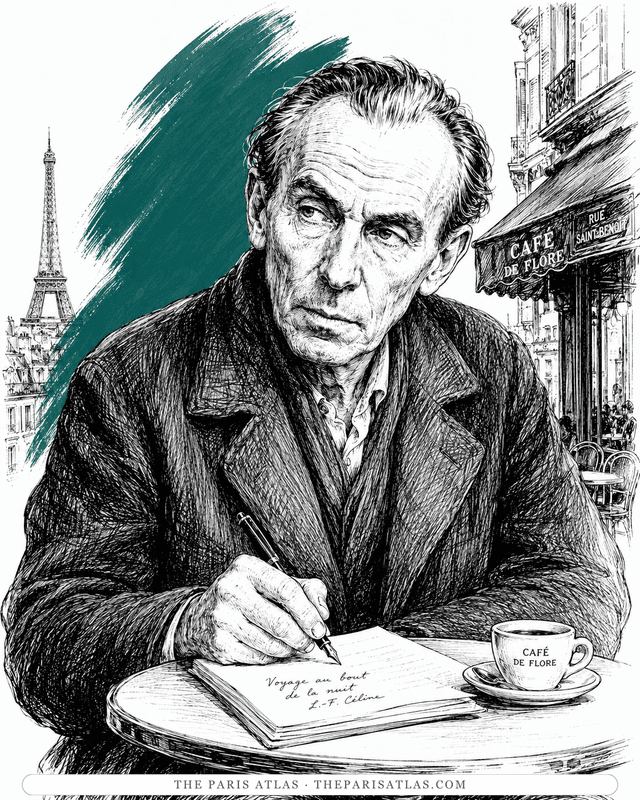
Louis-Ferdinand Céline
The doctor of the Paris slums who wrote the century's blackest, funniest novel — and changed the sound of French prose.
View author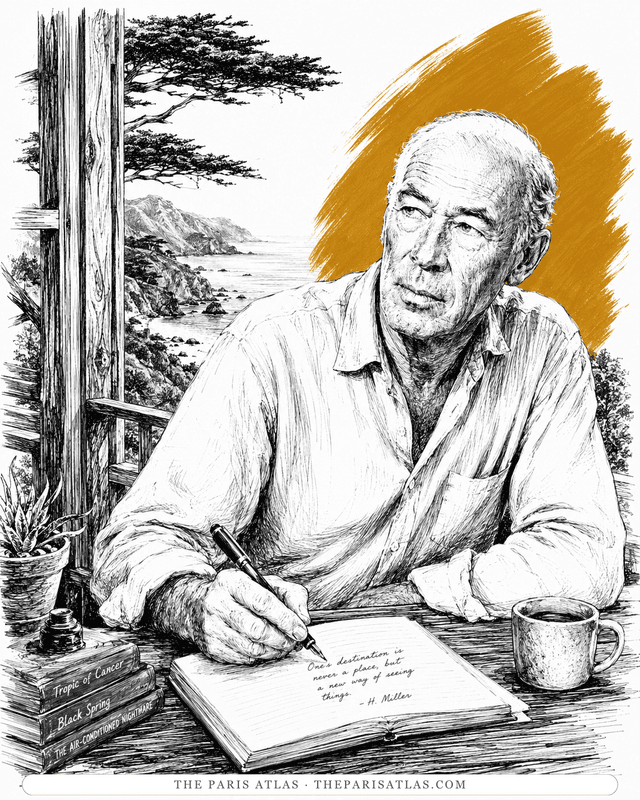
Henry Miller
The Brooklyn dropout who arrived in Paris broke at thirty-eight and wrote the exuberant, banned books that ended American censorship.
View author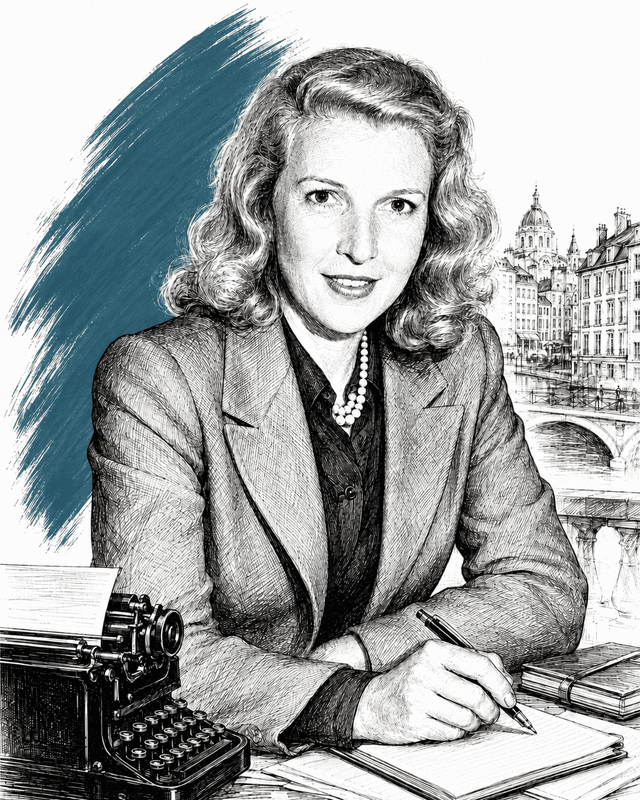
Martha Gellhorn
War correspondent who covered the Spanish Civil War, D-Day, and conflicts across five more decades; Hemingway's third wife, 1940–1945.
View author