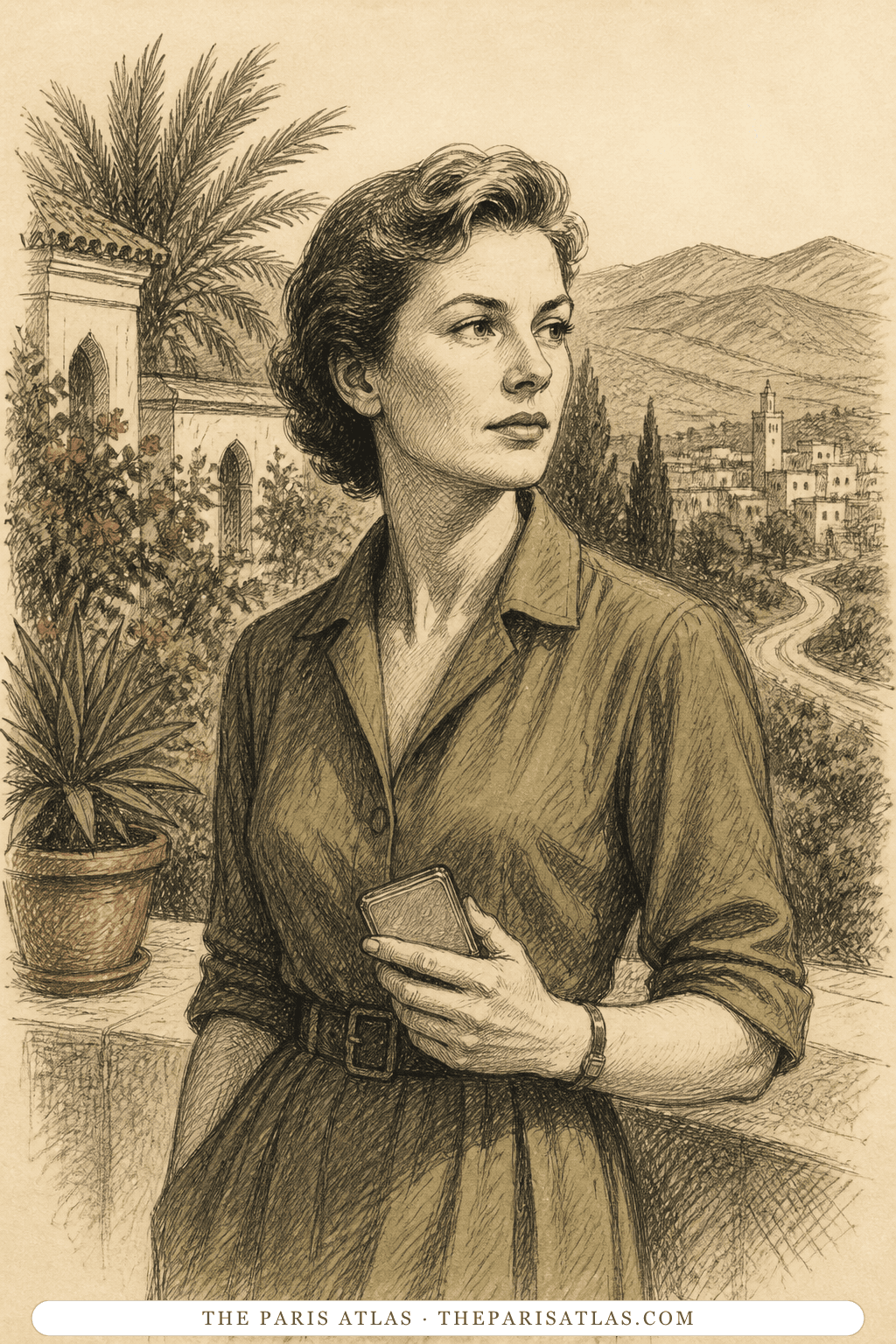
Lee Veyron (Polly Burroughs)
An American traveler using her married French name, eager for political change and for an experience more intense than ordinary tourism.
To move toward change, danger, and a life that feels real, rather than accept Stenham’s wish to preserve the past from a safe distance.
The book

At a glance
- Polly Burroughs
- Lee Veyron / Madame Veyron
- The United States
- Divorced from a French husband
- Supports Moroccan independence and modernization
- Becomes John Stenham’s lover
Who they are in the book
Spoiler-freeLee Veyron is an American-born traveler and divorcee. Her earlier name is Polly Burroughs, and she is sometimes called Madame Veyron because of her French marriage. The different names do not mark different people; they reflect the identities she has carried through marriage and travel.
She is more optimistic about politics than Stenham. Lee supports Moroccan independence and believes the country should modernize rather than remain fixed for foreigners. Her position sounds generous, but she also treats the crisis as a chance to enter a more vivid life. She can take risks because she expects to leave when she chooses.
Lee becomes Stenham’s lover. She exposes the selfishness inside his nostalgia, and he exposes how little local knowledge lies beneath her confidence. Both see something true about the other, and neither sees Amar clearly enough when he needs them.
How Lee Veyron (Polly Burroughs) Is Portrayed
- Several names, one characterShe was born Polly Burroughs, travels as Lee, and is addressed as Madame Veyron after a French marriage. The shifting name fits a woman actively remaking her life.
- Independence without patienceShe supports the end of French rule and has little sympathy for Stenham’s nostalgia. She is less prepared to ask what political change will cost particular families.
- How Amar first sees herHer uncovered arms, cigarettes, jewelry, and sun-darkened skin make no social sense within his experience. His mistaken guesses show the distance between their assumptions.
- At Sidi Bou ChtaShe watches the mountain celebration as a compelling show. The scene gives her real pleasure while making clear that she cannot share its religious meaning.
- Her effect on StenhamShe challenges his claims to special understanding, mocks his refusal to commit, and helps turn a friendship built on argument into a love affair.
- Mobility as protectionLee can enter Fez, take risks, travel into the mountains, and then leave. The book never lets that freedom become invisible, especially beside Amar’s position.
If you like The Spider’s House


If you like Paul Bowles
Explore authors with a similar voice, perspective, and influence.
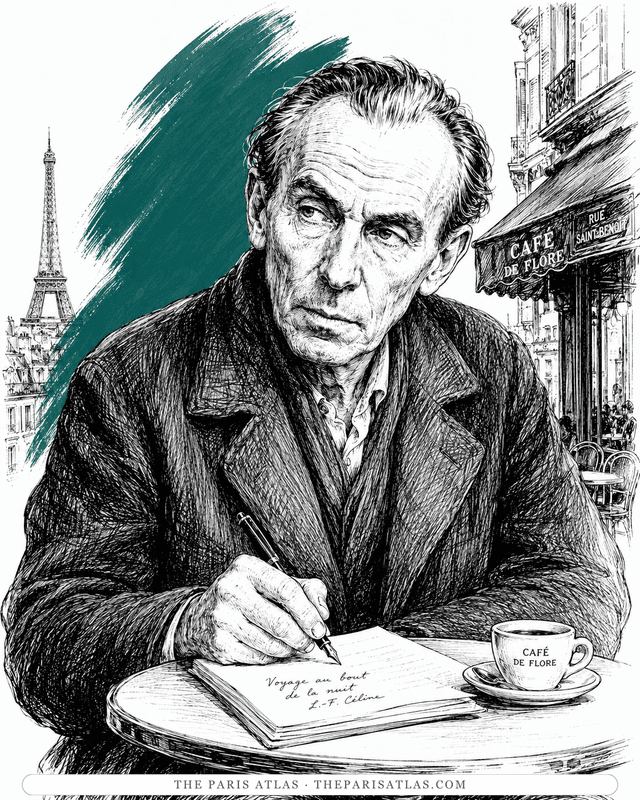
Louis-Ferdinand Céline
The doctor of the Paris slums who wrote the century's blackest, funniest novel — and changed the sound of French prose.
View author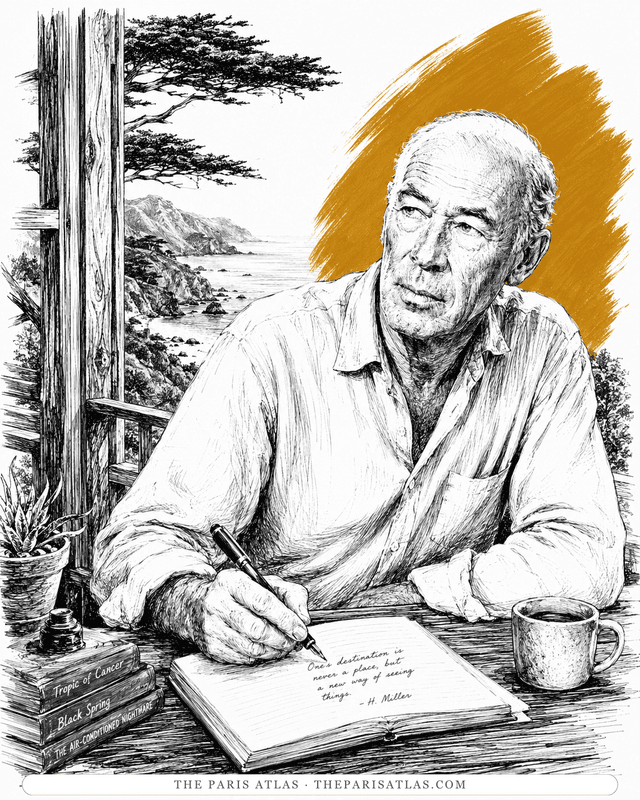
Henry Miller
The Brooklyn dropout who arrived in Paris broke at thirty-eight and wrote the exuberant, banned books that ended American censorship.
View author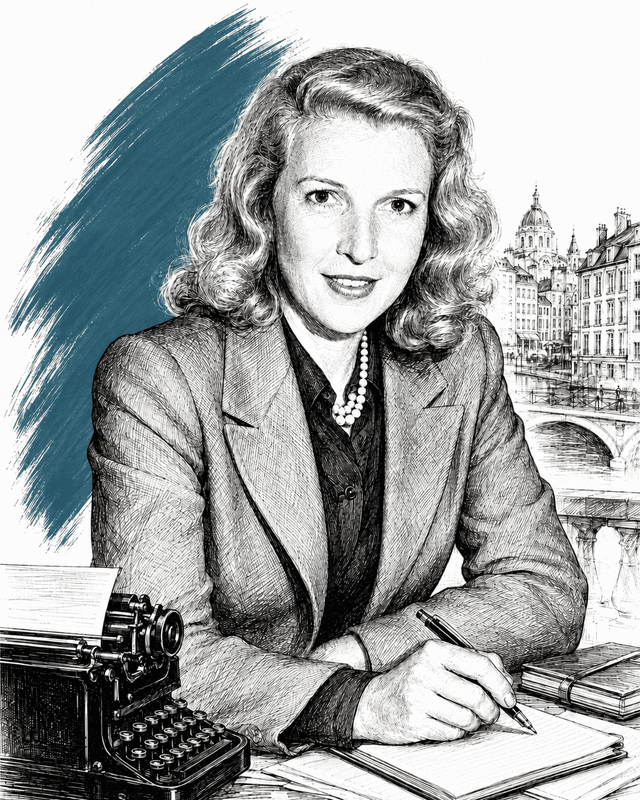
Martha Gellhorn
War correspondent who covered the Spanish Civil War, D-Day, and conflicts across five more decades; Hemingway's third wife, 1940–1945.
View author