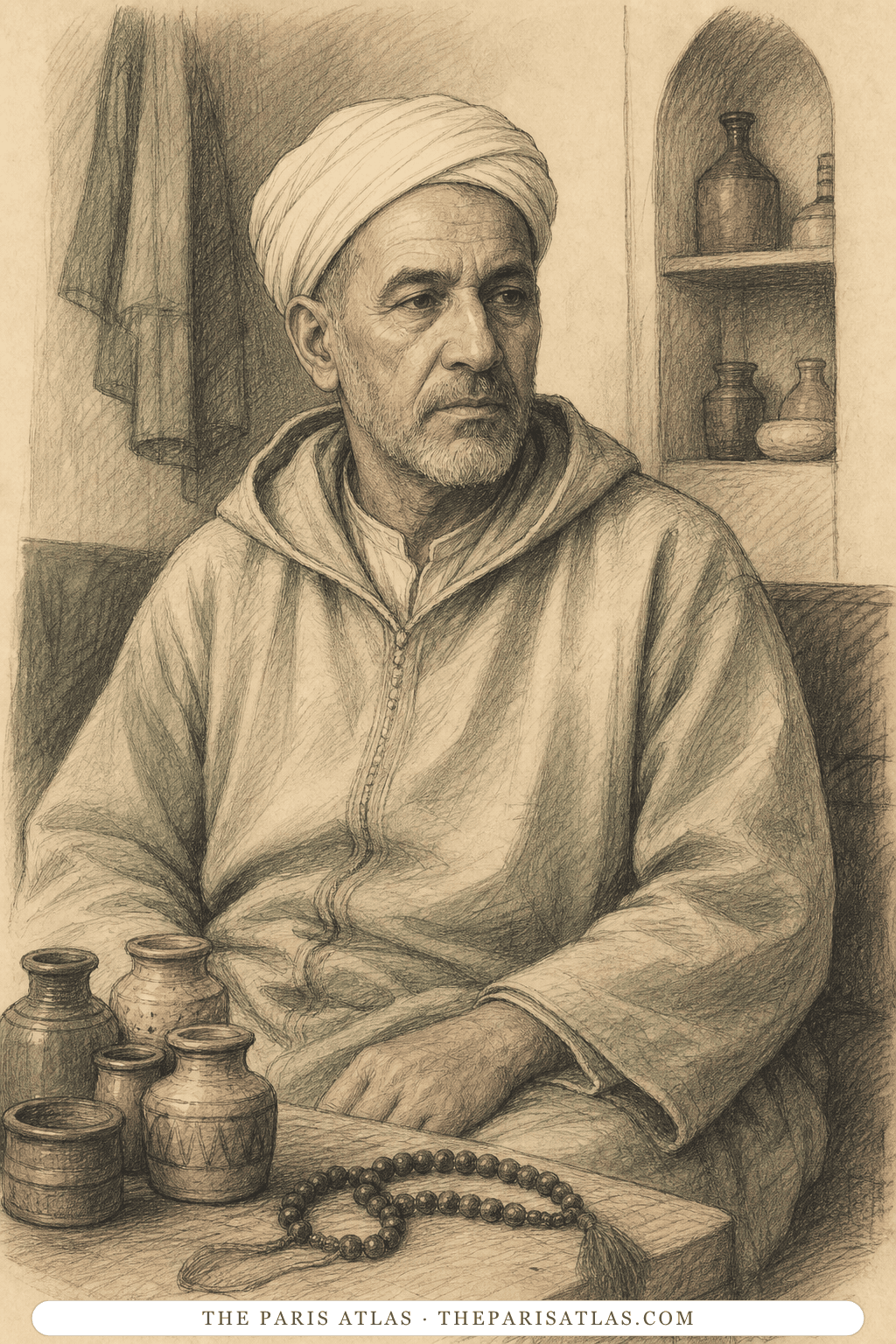
Amar’s father
A poor, devout healer who distrusts politics and teaches Amar that religious words mean little without religious conduct.
To keep his family faithful and morally intact through a political crisis he believes is encouraging people to excuse wrongdoing.
The book

At a glance
- Amar’s father; never given a personal name
- Religious healer and holy man
- A poor household in the Fez medina
- Distrustful of political movements and their use of religion
Who they are in the book
Spoiler-freeAmar’s father is a religious healer and respected holy man living with his family in the Fez medina. The household is poor, and his authority is stern. He represents the inherited religious order against which Amar tests his younger understanding of the world.
He distrusts politics because he sees it as a language of manipulation. He does not believe that every person speaking of independence is serving God or the poor. To Amar, that caution initially sounds passive and old-fashioned when the French have humiliated the country and violence is spreading.
The father does not have a complete political solution. His authority cannot stop poverty or keep the family safely in Fez. What he gives Amar is a standard of conduct. After meeting nationalist leaders, the boy recognizes that his father understood something important about the difference between public slogans and private behavior.
How Amar’s father Is Portrayed
- The healerHis standing comes from religious knowledge, healing, and the belief that his family carries spiritual blessing, not from wealth or government office.
- Stern authorityAmar sometimes resists his rules and believes the older man does not understand the new world. Their conflict is generational as well as political.
- Suspicious of slogansHe judges political claims by the conduct of the people making them. That suspicion seems unhelpful to Amar until nationalist leaders fail the same test.
- A house he cannot secureHis religious authority does not protect the family from colonial rule, poverty, or urban violence. They eventually have to leave Fez.
If you like The Spider’s House


If you like Paul Bowles
Explore authors with a similar voice, perspective, and influence.
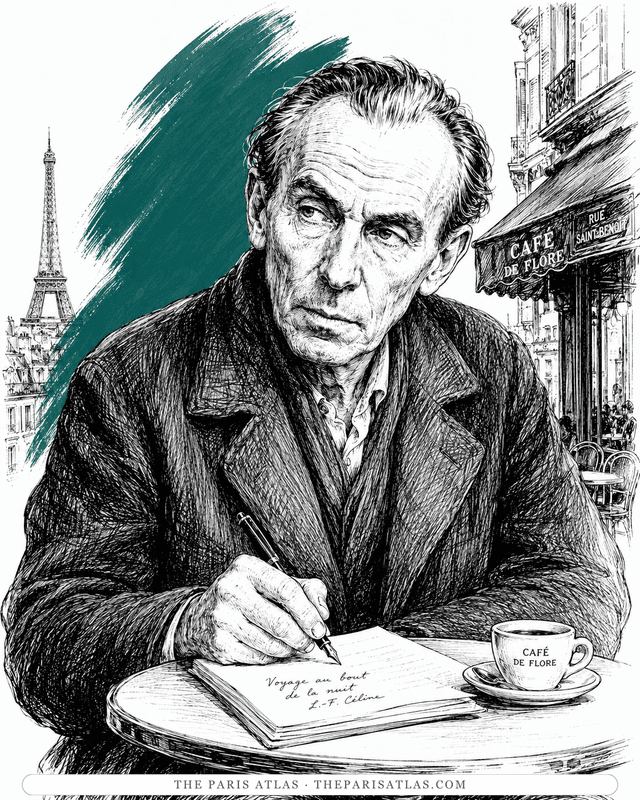
Louis-Ferdinand Céline
The doctor of the Paris slums who wrote the century's blackest, funniest novel — and changed the sound of French prose.
View author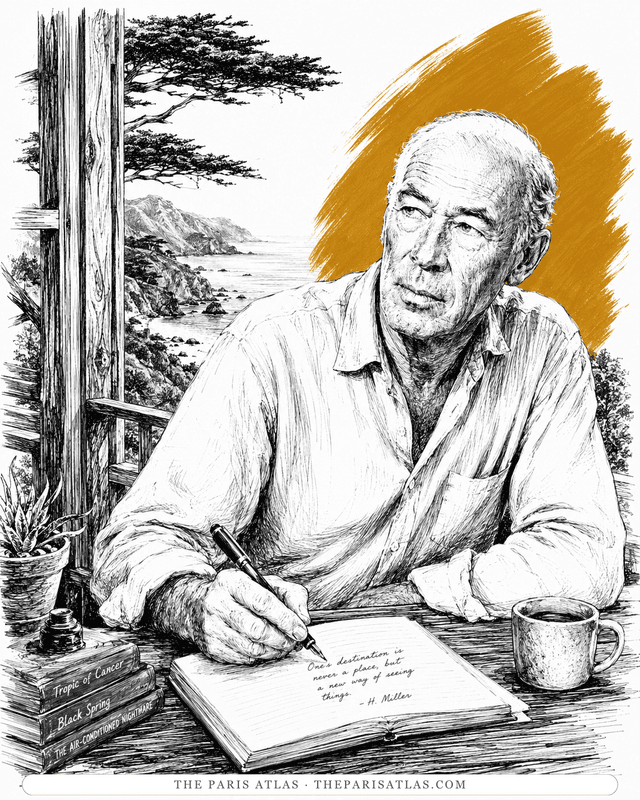
Henry Miller
The Brooklyn dropout who arrived in Paris broke at thirty-eight and wrote the exuberant, banned books that ended American censorship.
View author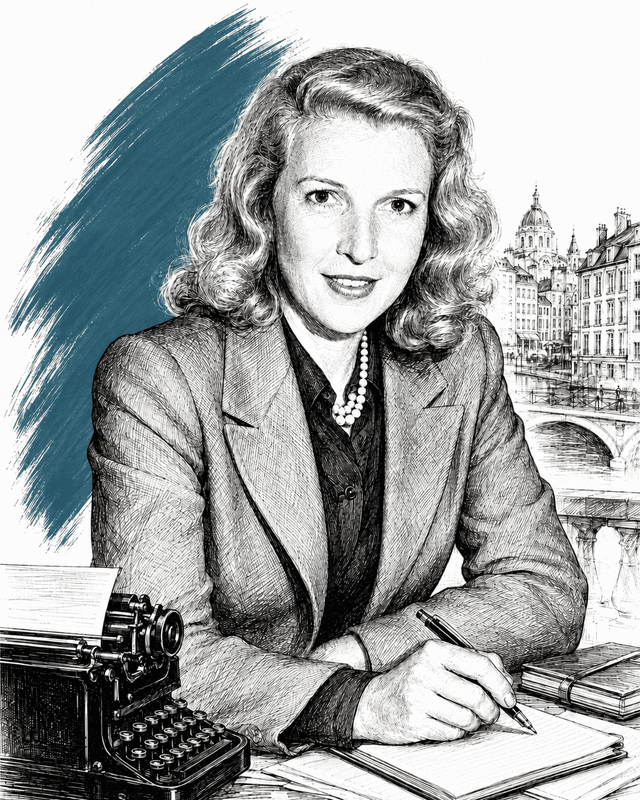
Martha Gellhorn
War correspondent who covered the Spanish Civil War, D-Day, and conflicts across five more decades; Hemingway's third wife, 1940–1945.
View author