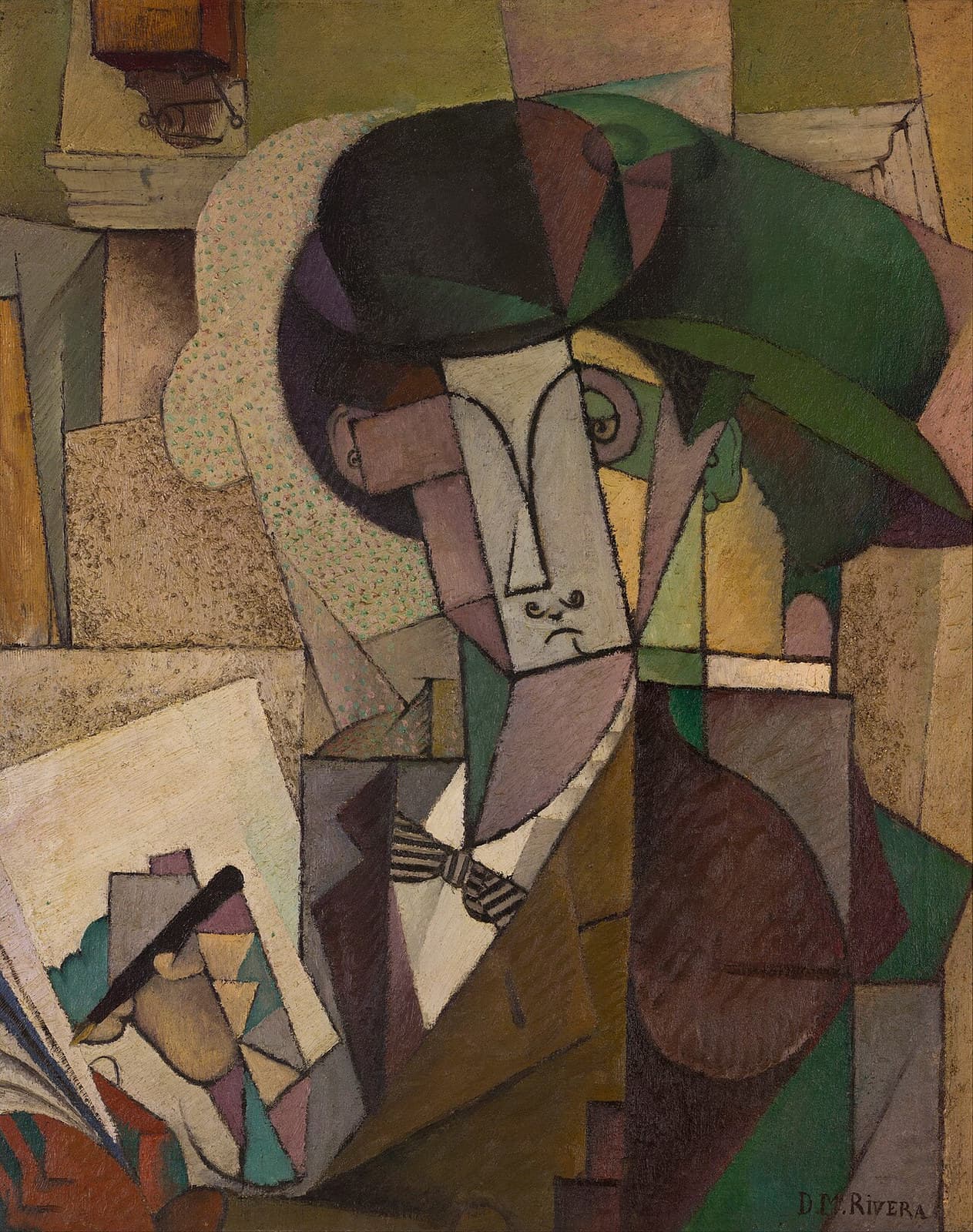
Young Man with a Fountain Pen
by Diego Rivera
A sitter taken apart and put back in a different order. An ear sits at one height, a fully painted eye at another, a nose and mouth on a pale plane of their own, and a broad green hat sweeps off to the right. At the lower left a black pen with a gold nib lies across a fanned sheet of paper. Diego Rivera painted it in Montparnasse in 1914, and the Museo Dolores Olmedo in Mexico City has owned it since 1959.
- 1914
- Oil on canvas
- Museo Dolores OlmedoMexico City, Mexico
About Diego Rivera
What the painting shows
The front of the face is a single pale grey-green wedge. A long ridge does the work of the nose, two small dots sit where the eyes would be, and the mouth is a small closed curve turned down at the corners. A second, pinker plane folds away to the left as though the head were hinged open.
One eye is painted in full detail — iris, pupil, curved lid — inside a lilac oval at the upper right of the head, far above the dots on the face plane. The head therefore carries two incompatible accounts of the same feature at once.
A broad green form swings from above the head out to the right edge and reads as a hat brim. Behind the head a cream band curves round, stippled evenly with small green dots. A bow tie striped black and white sits at the centre of the canvas over a white triangle of shirt front.
The upper left corner holds the one thing that is not the sitter: a brown wooden bracket on an ochre wall, carrying a curved metal fitting and a thin rod. What it supports is outside the canvas.
The pen the title names
At the lower left a black shaft lies diagonally across a pale sheet, narrowing to a small gold nib, with folded papers fanned out beneath it. It is the only object in the picture painted as one unbroken thing.
No institution names the sitter. The Museo Dolores Olmedo publishes no online object catalogue, and the record it made with Google Arts & Culture gives a title, a date, a medium, dimensions and an acquisition line, but no identification.
The pen and the papers are the only evidence of who he might be, and they say only that he writes.
Dots inside the Cubism
The cream band behind the head is covered evenly in small green dots, laid on without following any form. Divided touch of that kind belongs to Neo-Impressionism rather than to Cubism, and Diego Rivera kept using it through his Cubist years.
The Metropolitan Museum of Art makes the same observation about The Café Terrace of the following year, where he used small dots of colour to amplify contrasts in texture and pattern rather than to model light.
1914 is early in that run. He had taken up Cubism seriously around 1913, and the National Gallery of Art puts his eventual output at nearly two hundred Cubist works. It is also the year Amedeo Modigliani, a neighbour in Montparnasse, painted his portrait.
The Museum of Modern Art does not own it
The painting is regularly attributed to the Museum of Modern Art in New York. It is not in that collection. MoMA's own published collection data contains no work of this title.
The confusion has a source. MoMA does hold a Diego Rivera oil of 1914 painted in Paris — Young Man in a Gray Sweater (Jacques Lipchitz), 65.1 by 54.9 centimetres, accession 412.1941, given by T. Catesby Jones. Its sitter is the sculptor Jacques Lipchitz.
Young Man with a Fountain Pen belongs to the Museo Dolores Olmedo in Mexico City, which acquired it in 1959 from the Parke-Bernet galleries in New York.
The collection it belongs to
Dolores Olmedo assembled the largest private holding of Diego Rivera's work and opened it to the public at La Noria, a sixteenth-century estate in Xochimilco in the south of Mexico City. She quoted him on what he taught her: to see, to know, to choose, to read, to find things out, and he chose some of the pieces himself.
The museum also holds work by Frida Kahlo, by Angelina Beloff — the Russian painter who was Diego Rivera's companion through the whole Paris period — and by Pablo O'Higgins, alongside pre-Hispanic art and Mexican folk art.
It closed for several years and was open again at La Noria by April 2026, Tuesday to Sunday, from ten in the morning to six, with last entry at half past five. It publishes no object catalogue online, so a visitor cannot check in advance whether a particular canvas is hanging.
Why no large reproduction is shown
Diego Rivera died on 24 November 1957, and Mexico protects an author's work for the life of the author plus a hundred years, so the painting is in copyright there until 2057. The Artists Rights Society represents his estate in the United States.
Wikimedia Commons does host a very large capture of this painting, tagged public domain on a rule that depends on publication before 1918. No museum documents such a publication, so the atlas does not rely on the tag.
A reduced reproduction is shown here under fair use, for commentary, and excluded from commercial reuse. The four-factor rationale and the archived rights probes are kept beside the image file.
Close reading
Reading the work, detail by detail
A sitter has been taken apart and put back in a different order: an ear at one height, an eye at another, a mouth on a plane of its own. Follow the face first, then the hat, the dotted field behind the head, the bow tie and the pen the picture is named for.
1.The pen the title names
The pen lies diagonally across a pale sheet at the lower left, a black barrel narrowing to a small gold nib. It is the one object in the picture painted as a single unbroken thing, and the sheets fanned below it are the only paper.
2.The face is a folded plane
The front of the face is one pale wedge. A long ridge does the work of the nose, two dots sit where the eyes would be, and the mouth is a small closed curve. A second, pinker plane folds away to the left as though the face were hinged.
3.A second eye, drawn properly
One eye is painted in full detail, iris and lid and all, set into a lilac oval at the upper right of the head. It sits far above the pair of dots on the pale face plane, so the head carries two incompatible accounts of the same feature.
4.A green hat sweeping right
A wide green shape swings out from the head to the right edge. Read as a hat brim it is the largest single form in the picture, and the picture's other green passages all pick up its colour.
5.Stippled green on cream
The cream band curving behind the head is stippled all over with small green dots, laid on evenly rather than following any form. It is the one passage where Rivera's Cubism keeps the divided touch of Neo-Impressionism.
6.The striped bow tie
A bow tie striped black and white marks the one point where the figure is dressed rather than constructed. Below it a white triangle stands for the shirt front, and a brown plane for the coat.
7.A bracket in the top corner
The upper left corner holds the only thing in the picture that is not the sitter: a brown wooden bracket on the wall with a curved metal fitting and a thin rod. What it supports is outside the canvas.
8.Signed at the lower right
Diego Rivera signed the lower right in a small dark cursive, D.M.Rivera. The surrounding paint is unbroken tan, the quietest square of the picture.
Timeline
1909
Diego Rivera moves to Paris and settles in Montparnasse.
1913
Takes up Cubism seriously.
1914
Paints Young Man with a Fountain Pen. Amedeo Modigliani paints Diego Rivera's portrait in the same year.
1918
By this year, per the National Gallery of Art, he has left Montparnasse and abandoned Cubism altogether.
1941
The Museum of Modern Art in New York accessions a different 1914 Paris canvas, Young Man in a Gray Sweater (Jacques Lipchitz), as 412.1941.
1959
Acquired by the Museo Dolores Olmedo from the Parke-Bernet galleries in New York.
2026
The museum is open again at La Noria in Xochimilco, Tuesday to Sunday, ten to six.
Where to see it
Museo Dolores Olmedo
Mexico City, Mexico
A public viewing address has not yet been confirmed for this holding.
The museum publishes no online object catalogue; the title, date, medium, dimensions, object number and acquisition line come from the record it made with Google Arts & Culture. It is open at La Noria in Xochimilco, Tuesday to Sunday, ten to six, with last entry at half past five.
Frequently asked questions
Where is Young Man with a Fountain Pen?
The Museo Dolores Olmedo at La Noria, in Xochimilco, Mexico City, which acquired it in 1959 from the Parke-Bernet galleries in New York. The museum publishes no online object catalogue, so ask before travelling for it specifically.
Does the Museum of Modern Art own Young Man with a Fountain Pen?
No. MoMA's published collection data contains no work of that title. The 1914 Paris canvas by Diego Rivera that MoMA does hold is Young Man in a Gray Sweater (Jacques Lipchitz), accession 412.1941, a gift of T. Catesby Jones, whose sitter is the sculptor Jacques Lipchitz.
Who is the young man in the painting?
Nobody has said. Neither the Museo Dolores Olmedo nor the record it made with Google Arts & Culture identifies the sitter. The pen and the fanned papers at the lower left are the only indication of anything about him.
Why does the head have two different eyes?
Because the picture describes the same face twice. Two dots stand in for eyes on the pale plane that carries the nose and mouth, while a single eye is painted in full — iris, pupil and lid — inside a lilac oval higher up and to the right. Both accounts are visible at once.
How big is Young Man with a Fountain Pen?
79.5 by 63.5 centimetres, oil on canvas, in portrait format. Diego Rivera signed it at the lower right, D.M.Rivera.
Is Young Man with a Fountain Pen a Cubist painting?
Yes, and the record made with Google Arts & Culture files it under Cubism. Diego Rivera took up the style seriously around 1913 and the National Gallery of Art puts his output at nearly two hundred Cubist works. The stippled band behind the head is a survival from his earlier divided brushwork.
More by Diego Rivera
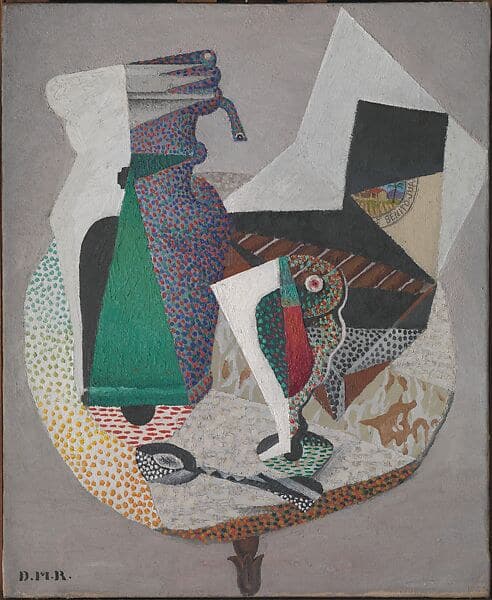
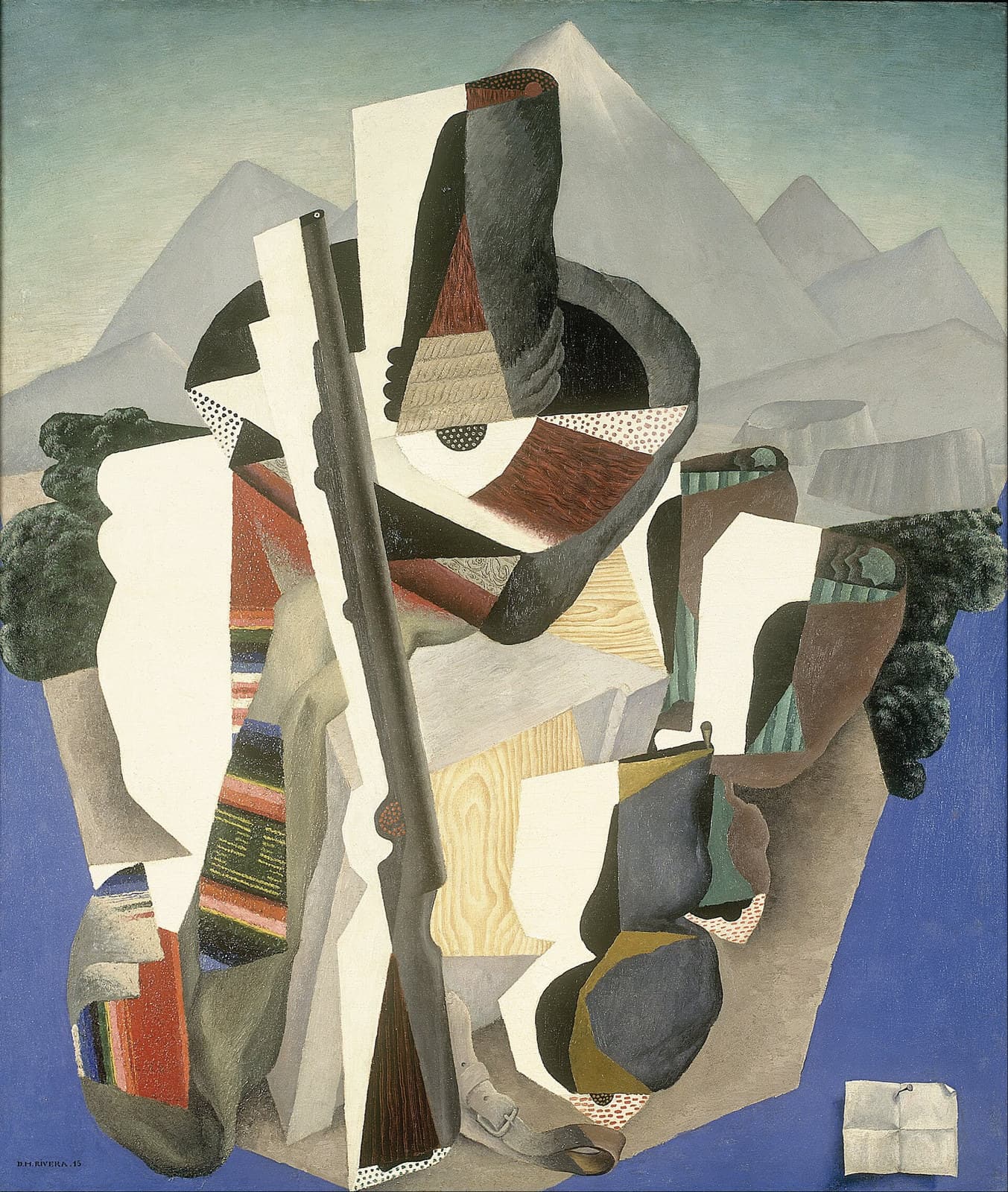
If you like Diego Rivera
Explore painters from the same movements and circles.
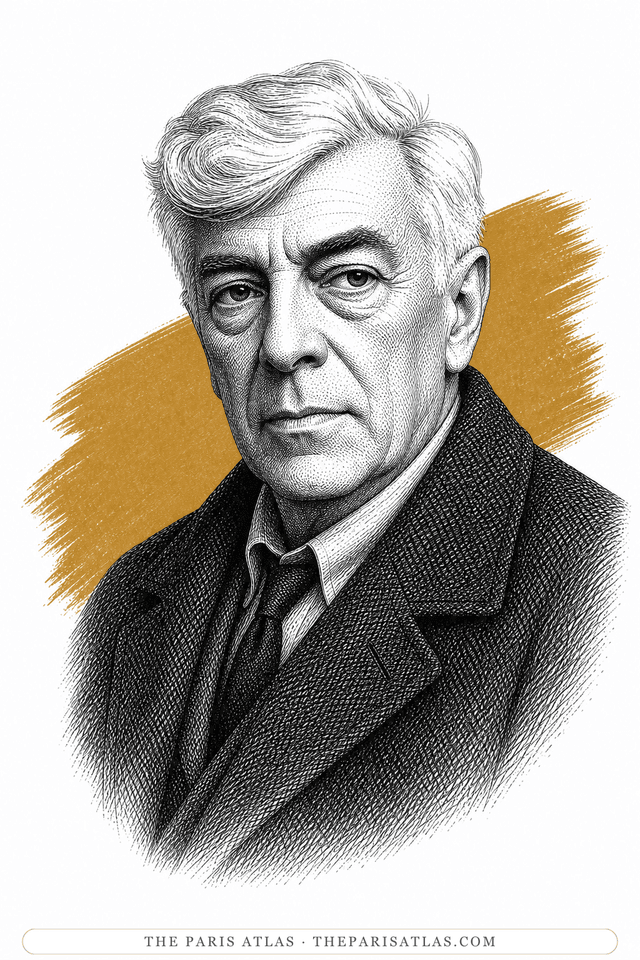
Georges Braque
The Le Havre house-painter's son who invented Cubism in Montmartre with the Spanish painter Pablo Picasso between 1908 and 1914 — the quieter half of the most consequential partnership in modern art — and who invented papier collé, the pasted-paper picture, in September 1912. He was given a French state funeral in 1963.
View artist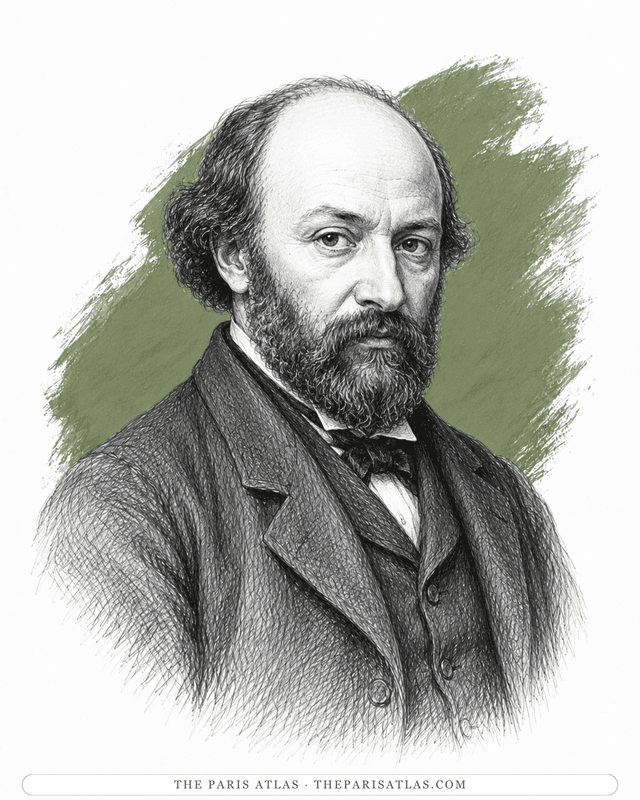
Paul Cézanne
Painter between Impressionism and everything after — shown in the independents' exhibitions, emulated by the Cubists, and present at the Orangerie through 15 works in the Walter-Guillaume collection.
View artist
Marcel Duchamp
The century's quietest revolutionary — readymades, the abandonment of painting, chess on a Paris rooftop in Entr'acte, and one anemic film of spinning puns signed Rrose Sélavy.
View artist
References
The sources below include collection records, catalogues, scholarly research, and primary materials that informed this page. They document Young Man with a Fountain Pen, its making, and its place in cultural history.


1Las Colecciones de Diego Rivera y Frida Kahlo
WebsiteMuseo Dolores Olmedo, Mexico CityUsed forWeb source consulted for documented facts and historical context presented on the Young Man with a Fountain Pen page.
2Museo Dolores Olmedo — partner collection
WebsiteGoogle Arts & CultureUsed forWeb source consulted for documented facts and historical context presented on the Young Man with a Fountain Pen page.
3Diego Rivera, Young Man in a Gray Sweater (Jacques Lipchitz), Paris 1914 — collection record, 412.1941
WebsiteMuseum of Modern Art, New YorkUsed forWeb source consulted for documented facts and historical context presented on the Young Man with a Fountain Pen page.
4The Cubist Paintings of Diego Rivera: Memory, Politics, Place — exhibition site
WebsiteNational Gallery of Art, Washington, 2004Used forWeb source consulted for documented facts and historical context presented on the Young Man with a Fountain Pen page.
5The Metropolitan Museum of Art — Diego Rivera, The Café Terrace, 1915.
WebsiteUsed forWeb source consulted for documented facts and historical context presented on the Young Man with a Fountain Pen page.

6Diego Rivera: The Cubist Years
Exhibition cataloguePhoenix Art Museum, 1984Used forCatalogue scholarship used to verify attribution, provenance, chronology, and interpretive context for Young Man with a Fountain Pen.
7The Fabulous Life of Diego Rivera
BiographyStein and Day, 1963Used forBiographical evidence used to verify chronology, relationships, and historical context connected to Young Man with a Fountain Pen.
These references provide the documented foundation for this work's history and interpretation. Claim-level citations remain attached to the specific claims they support.
 Explore more resources