

Film
The Starfish
by Man Ray
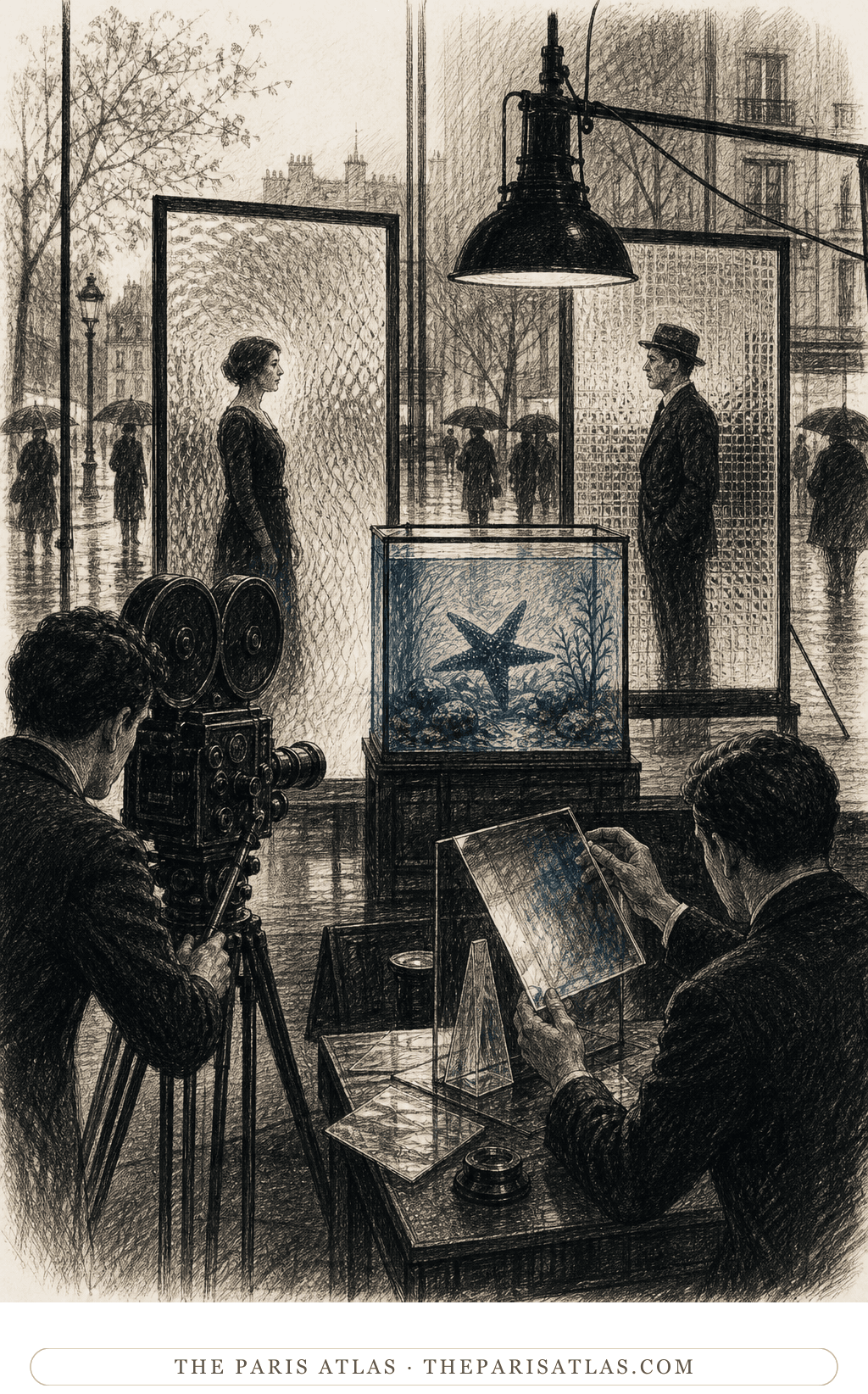
A man, a woman, and a starfish in a jar, filmed through gelatin-frosted glass so that every image swims like memory: Man Ray's most tender film, made from a poem Robert Desnos left him before boarding a ship, with Kiki de Montparnasse as the woman seen and never possessed.
- 1928
- Surrealist film
About Man Ray
A poem, developed like a print
Desnos read Man Ray the poem over dinner on the eve of a voyage, and the photographer promised him a film of it by the time he returned. The solution was a darkroom trick moved to the lens: shooting through stippled gelatin, so the lovers' scenes blur into the texture of stained glass — desire kept permanently at one remove, sharpening only for objects: the starfish itself, newspapers in the wind, a train, lines of the poem surfacing as intertitles. Kiki de Montparnasse plays the woman; Desnos himself strides through the ending.
Man Ray had already made the Dada provocation Le Retour à la raison (1923) and the cinéma pur reverie Emak-Bakia (1926); L'Étoile de mer is where his cinema found a heart. 'Qu'elle était belle,' the film repeats — how beautiful she was — and then, once, unforgettably: 'Qu'elle est belle.' How beautiful she is. Few films have conjugated longing so precisely.
Timeline
1928
Before boarding a ship, Robert Desnos left Man Ray the poem the film is built on.
1928
Man Ray filmed it — much of it shot through gelatin-frosted glass — with Kiki de Montparnasse, and released it at about fifteen minutes.
Frequently asked questions
Who made The Starfish?
Man Ray, the American Surrealist artist and photographer, in 1928.
What is it based on?
A poem by Robert Desnos, which he left Man Ray just before boarding a ship. The film follows the poem's images rather than a plot.
Why does it look blurred?
Much of it was shot through gelatin-frosted glass, so every image swims like a memory — a technique that also softened the film's nudity for the censors.
Who is the woman in it?
Kiki de Montparnasse, the Montparnasse model, as the woman seen and never possessed.
How long is it?
About fifteen minutes.
What is the starfish?
A starfish kept in a glass jar, the film's recurring talisman, taken from the Desnos poem and returned to again and again.
In the atlas
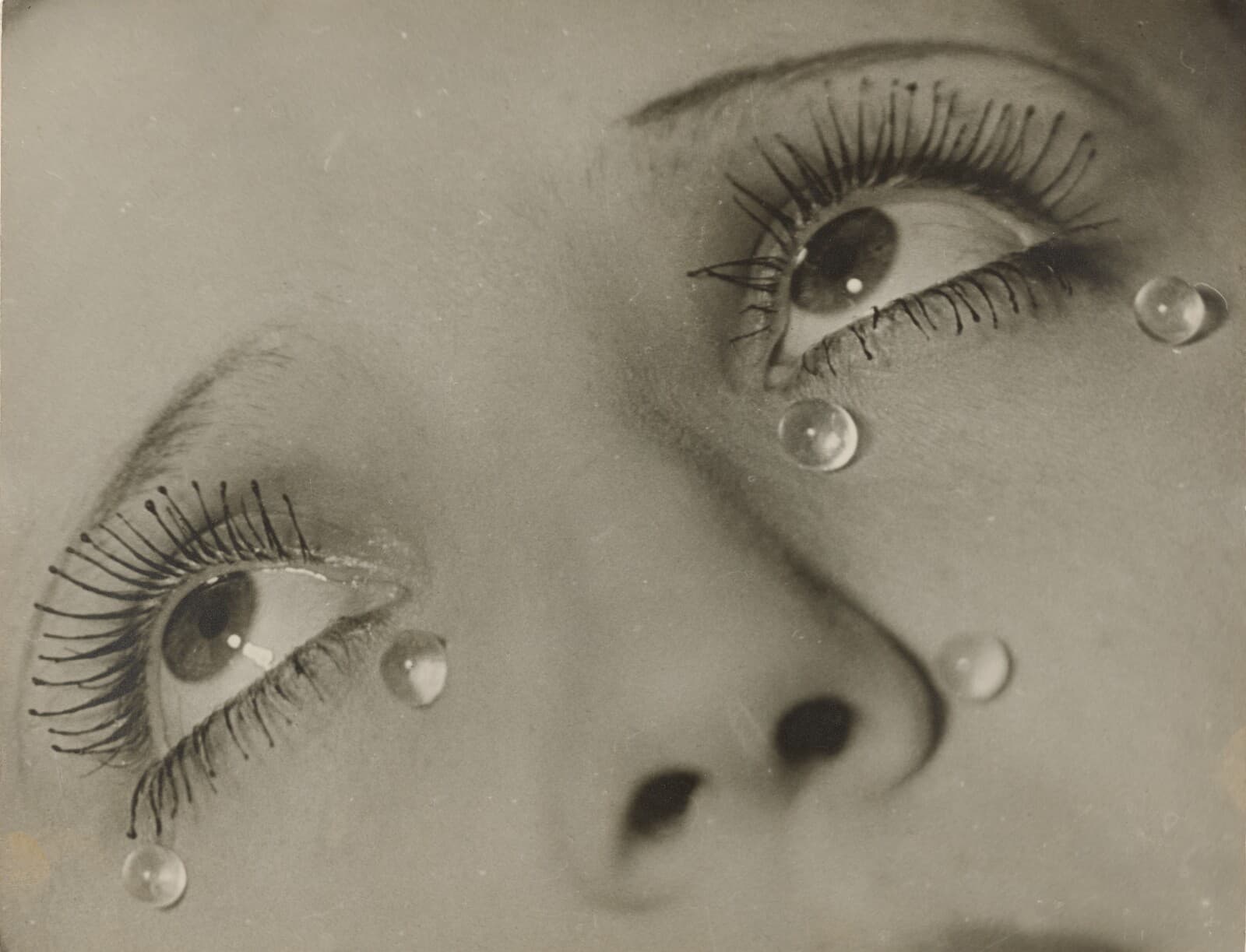
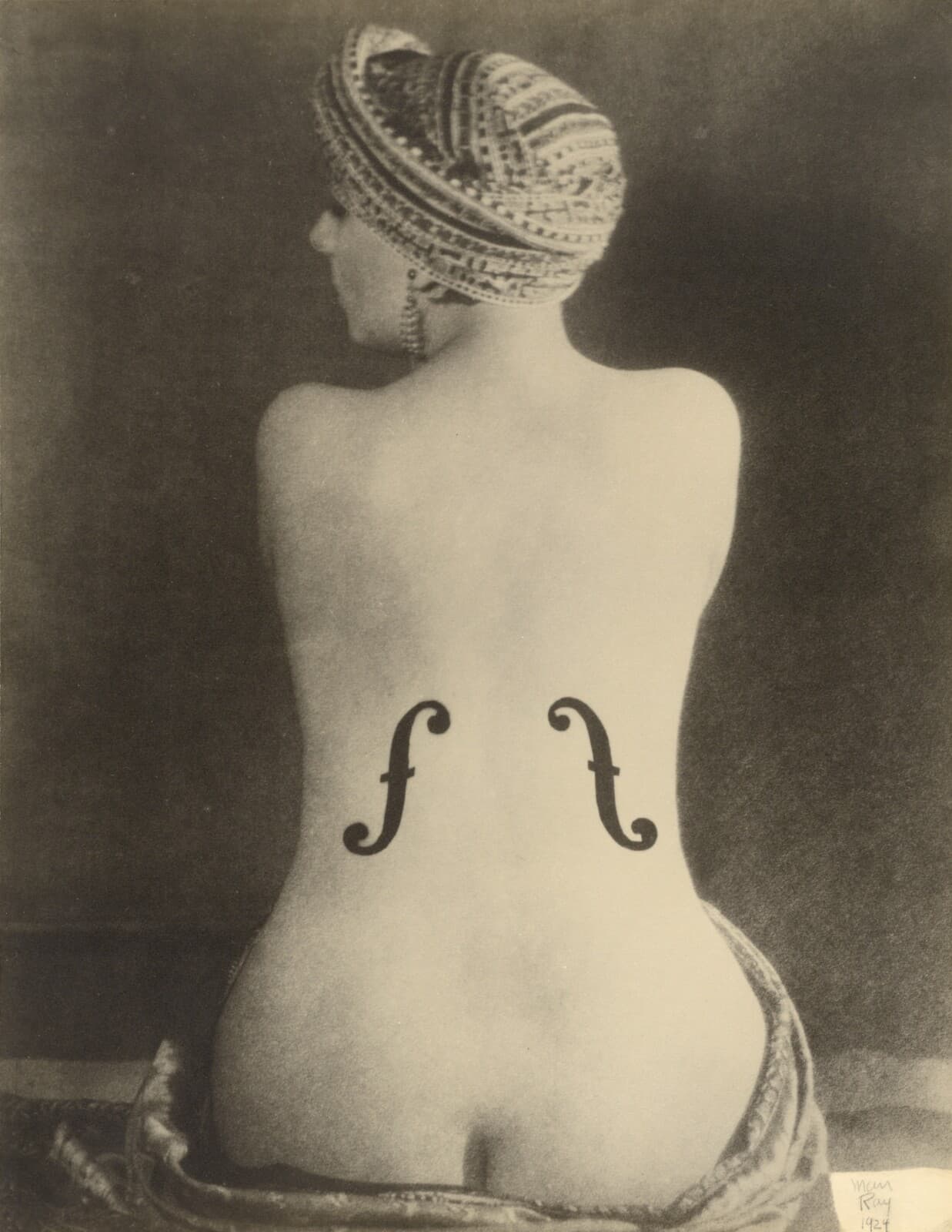
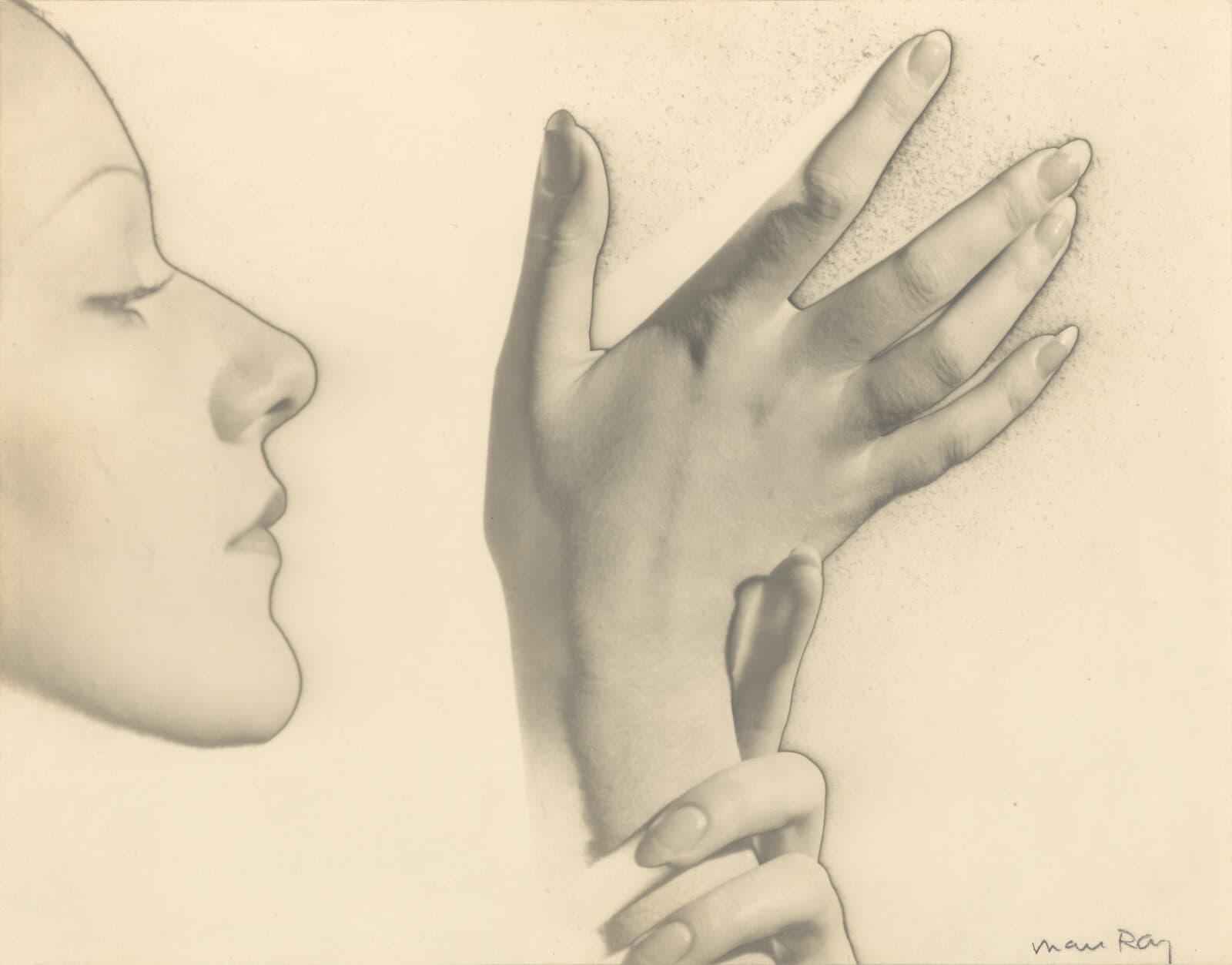
More by Man Ray
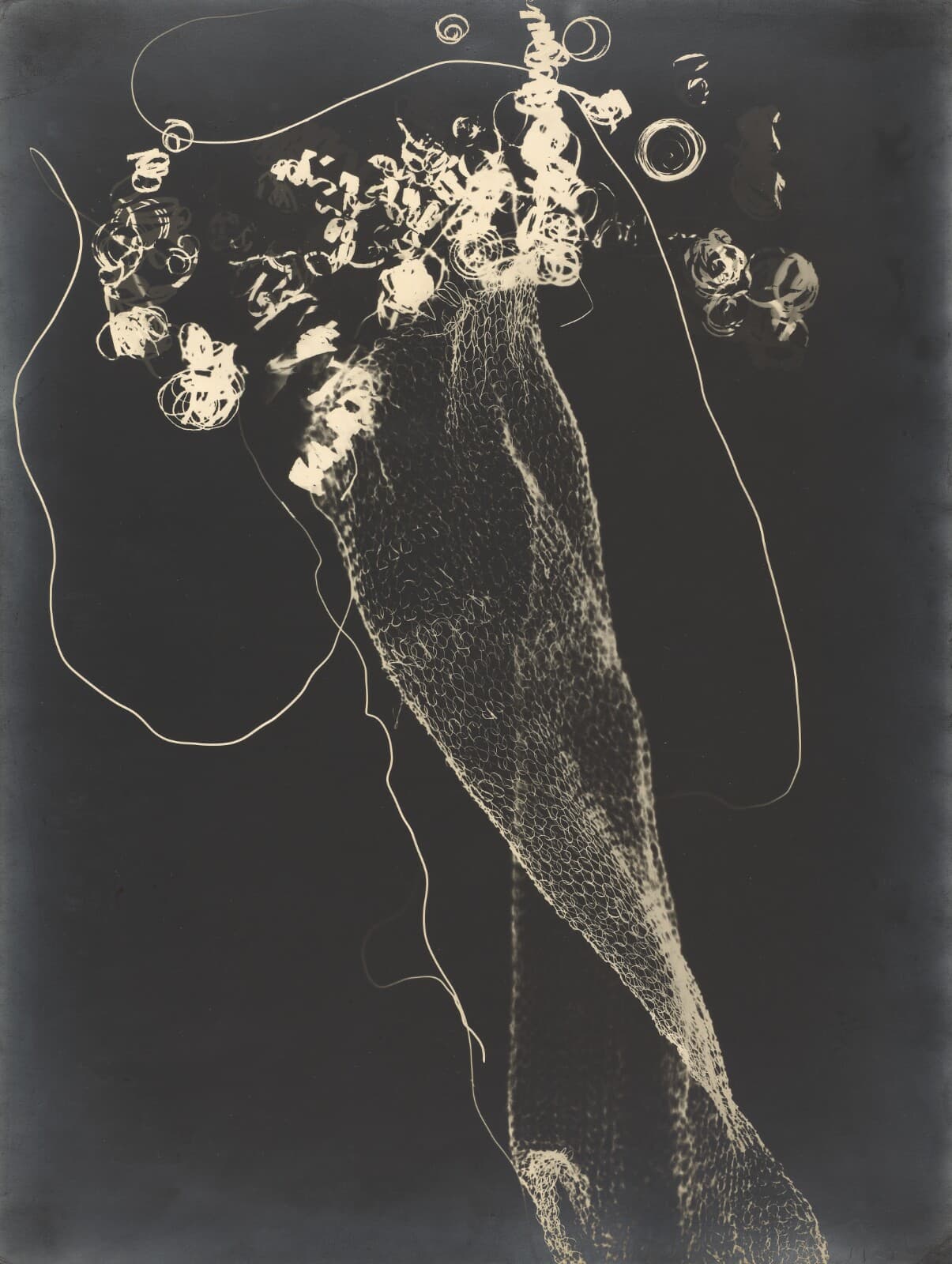
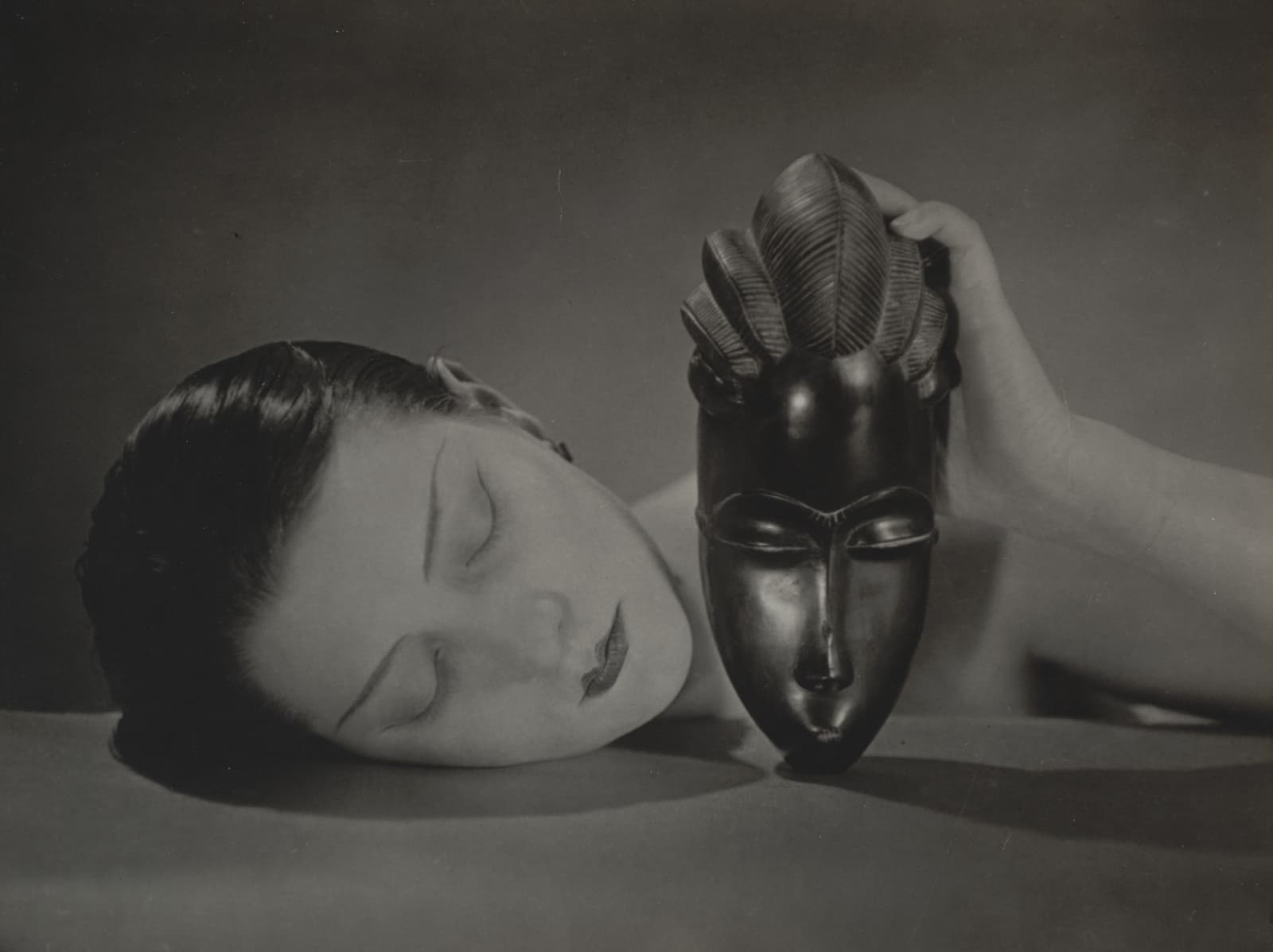
If you like Man Ray
Explore directors from the same movements and circles.

Marcel Duchamp
The century's quietest revolutionary — readymades, the abandonment of painting, chess on a Paris rooftop in Entr'acte, and one anemic film of spinning puns signed Rrose Sélavy.
View artist
Henri Cartier-Bresson
French photographer who turned a pocket-sized 35mm camera into an instrument of split-second composition — the idea the world knows as 'the decisive moment'. He trained as a painter, was taken prisoner in 1940 and escaped on his third try, photographed the Liberation of Paris in August 1944, co-founded the photographer-owned agency Magnum Photos in 1947, gave up reporting for drawing in the 1970s, and left Paris a foundation in the Marais that deliberately hangs no permanent display of his own pictures.
View artist
Salvador Dalí
The self-made icon of Surrealism — melting watches and manicured scandal — who arrived in Paris by way of two films written with Buñuel, dreamed together before the movement claimed them.
View artist
References
References
The sources below include collection records, catalogues, scholarly research, and primary materials that informed this page. They document The Starfish, its making, and its place in cultural history.


1Encyclopaedia Britannica — Man Ray
WebsiteUsed forWeb source consulted for documented facts and historical context presented on the The Starfish page.
2La Cinémathèque française — L'Étoile de mer (film record)
WebsiteUsed forWeb source consulted for documented facts and historical context presented on the The Starfish page.

3L'Étoile de mer (1928) — Collection Record
Official recordCentre PompidouUsed forOfficial record used to verify names, dates, institutional details, or other factual information on this page.
4French Films Acquired by the Film Library
Official recordMuseum of Modern Art, 1936Used forOfficial record used to verify names, dates, institutional details, or other factual information on this page.
i
Why these sources are here
These references provide the documented foundation for this work's history and interpretation. Claim-level citations remain attached to the specific claims they support.
 Explore more resources