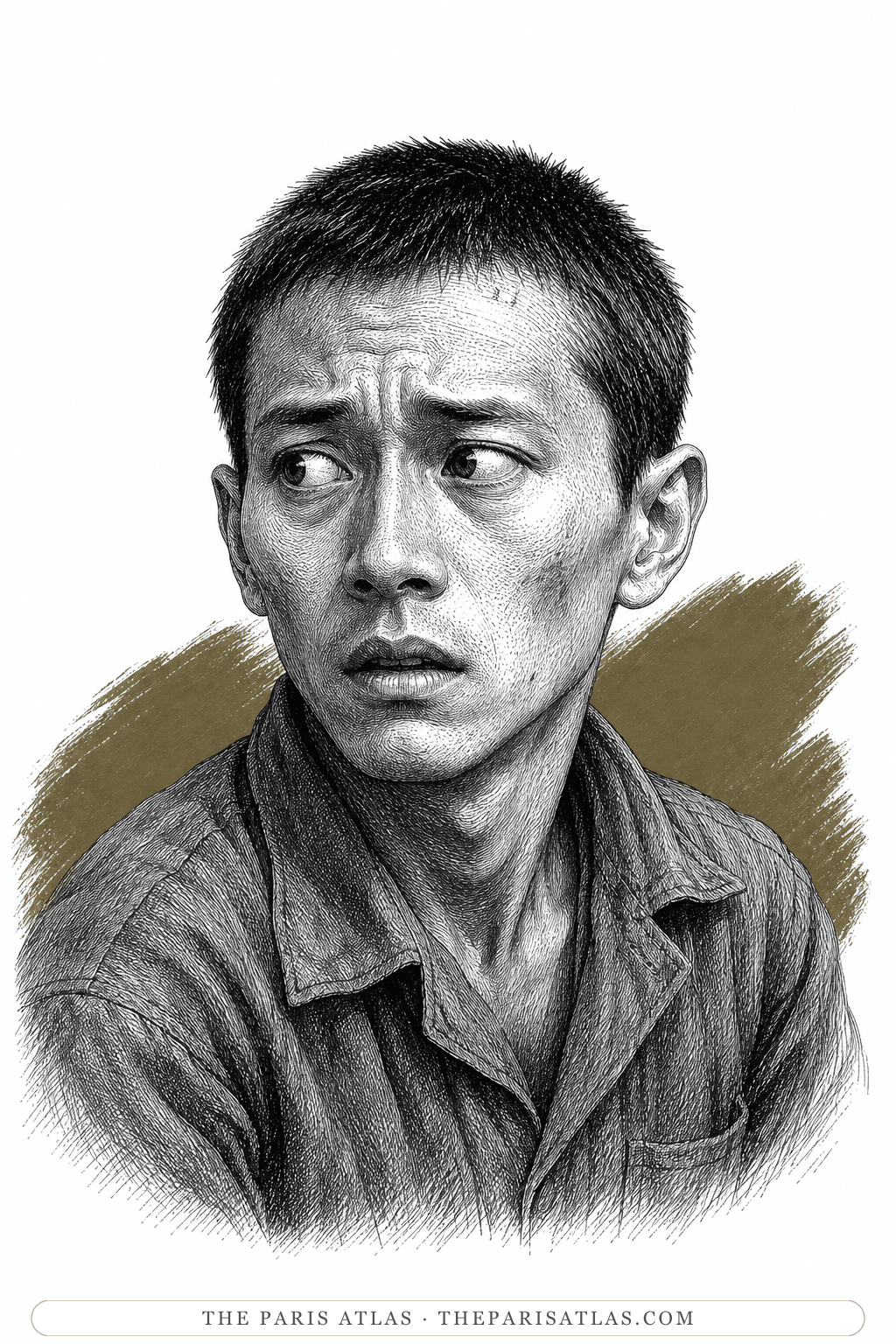
Can
A frightened, despairing soldier whose desertion and death resist easy labels of courage and cowardice.
To escape a war he can no longer endure.
The book

At a glance
- Soldier in Kiên's wartime circle
- Desertion
- Death
Who they are in the book
Spoiler-freeCan voices fear and exhaustion that heroic accounts often suppress.
His fate asks readers to see desertion as part of war's human damage rather than a simple absence of character.
How Can Is Portrayed
- Open despairHe says what others may conceal.
- IsolatedFear separates him from the unit.
- DeserterHe acts on the need to leave.
- Remembered casualtyEscape does not return him to life.
Can deserts and dies. His body and memory return to Kiên without yielding a reassuring moral lesson.
If you like The Sorrow of War


If you like Bảo Ninh
Explore authors with a similar voice, perspective, and influence.

Martha Gellhorn
War correspondent who covered the Spanish Civil War, D-Day, and conflicts across five more decades; Hemingway's third wife, 1940–1945.
View author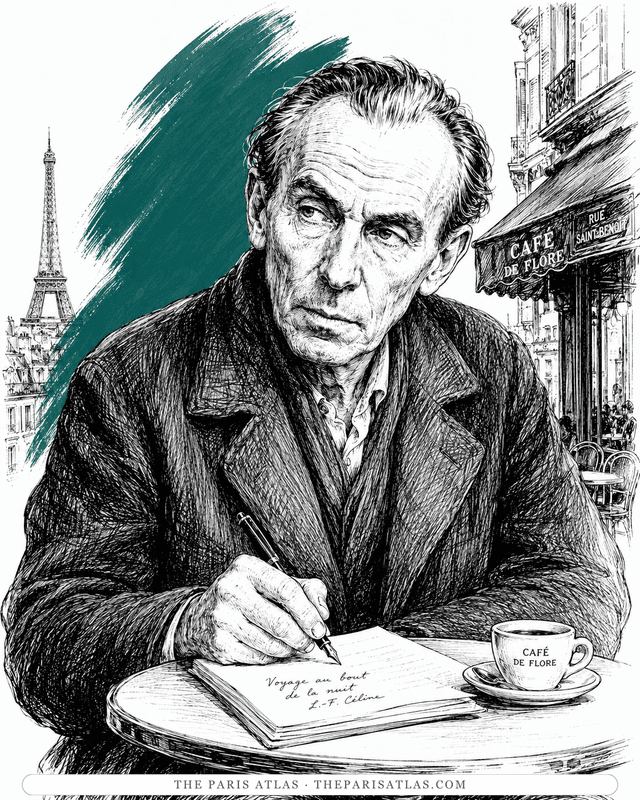
Louis-Ferdinand Céline
The doctor of the Paris slums who wrote the century's blackest, funniest novel — and changed the sound of French prose.
View author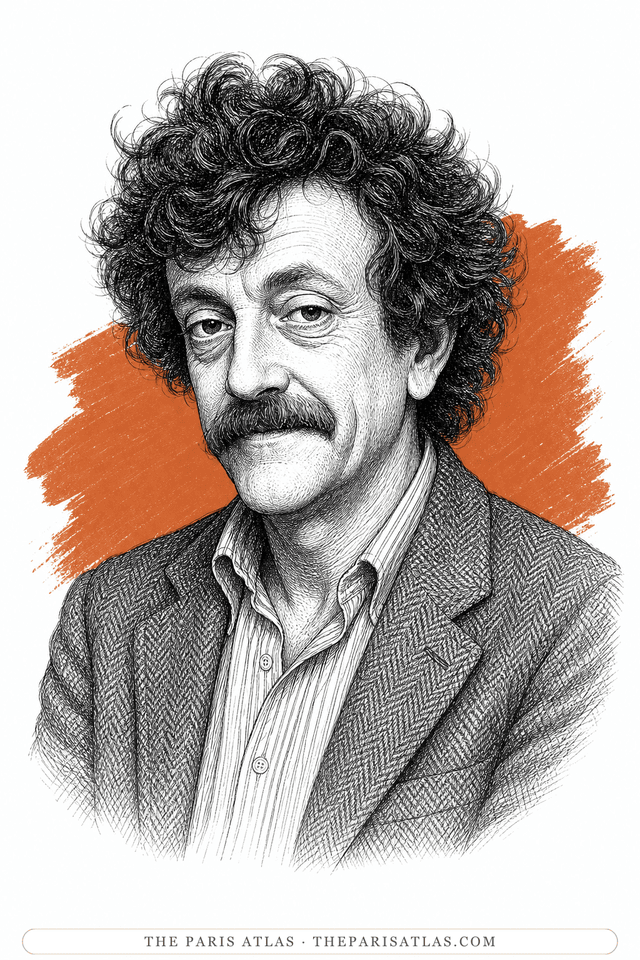
Kurt Vonnegut
American novelist whose fiction combines satire, science fiction, and the experience of surviving the bombing of Dresden.
View author