
Lan
A woman in an almost deserted hamlet whose brief connection with Kiên suggests a life outside combat.
To preserve human closeness and ordinary life in a place the war has emptied.
The book

At a glance
- A nearly deserted hamlet
- Kiên
- During the war
Who they are in the book
Spoiler-freeLan lives amid the civilian emptiness war has produced.
Her contact with Kiên offers warmth and an alternative rhythm, but the war does not allow it to become a stable future.
How Lan Is Portrayed
- Civilian presenceShe brings the noncombatant world into Kiên's path.
- IsolatedThe hamlet's emptiness shapes her life.
- WelcomingBrief intimacy interrupts military movement.
- Unfinished possibilityThe encounter cannot become settlement.
Kiên leaves, and the relationship does not develop into a shared life. The novel preserves it as a brief possible future that did not happen.
If you like The Sorrow of War


If you like Bảo Ninh
Explore authors with a similar voice, perspective, and influence.

Martha Gellhorn
War correspondent who covered the Spanish Civil War, D-Day, and conflicts across five more decades; Hemingway's third wife, 1940–1945.
View author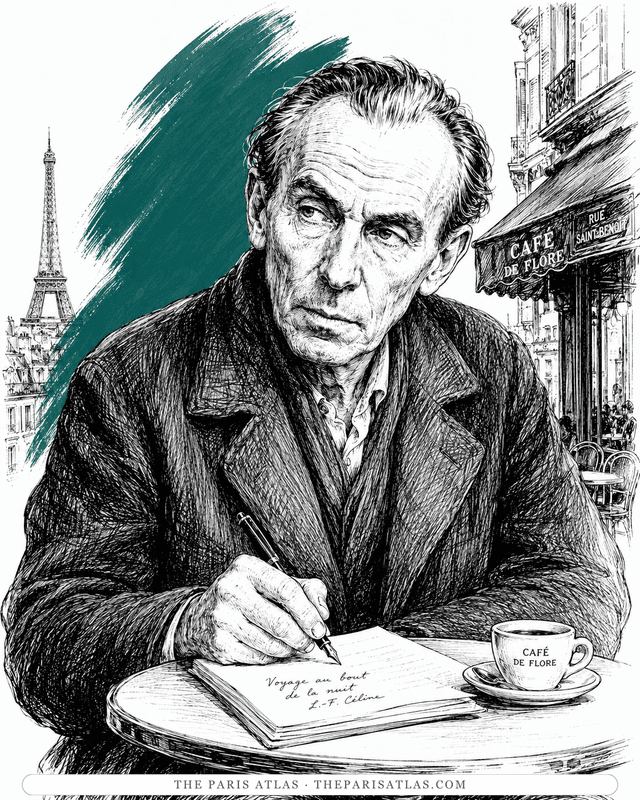
Louis-Ferdinand Céline
The doctor of the Paris slums who wrote the century's blackest, funniest novel — and changed the sound of French prose.
View author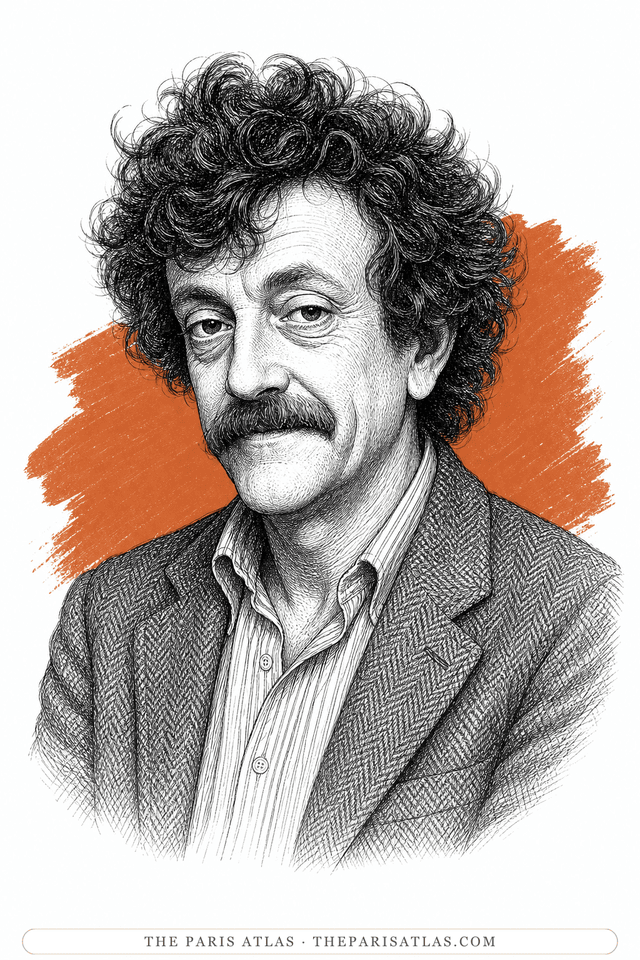
Kurt Vonnegut
American novelist whose fiction combines satire, science fiction, and the experience of surviving the bombing of Dresden.
View author