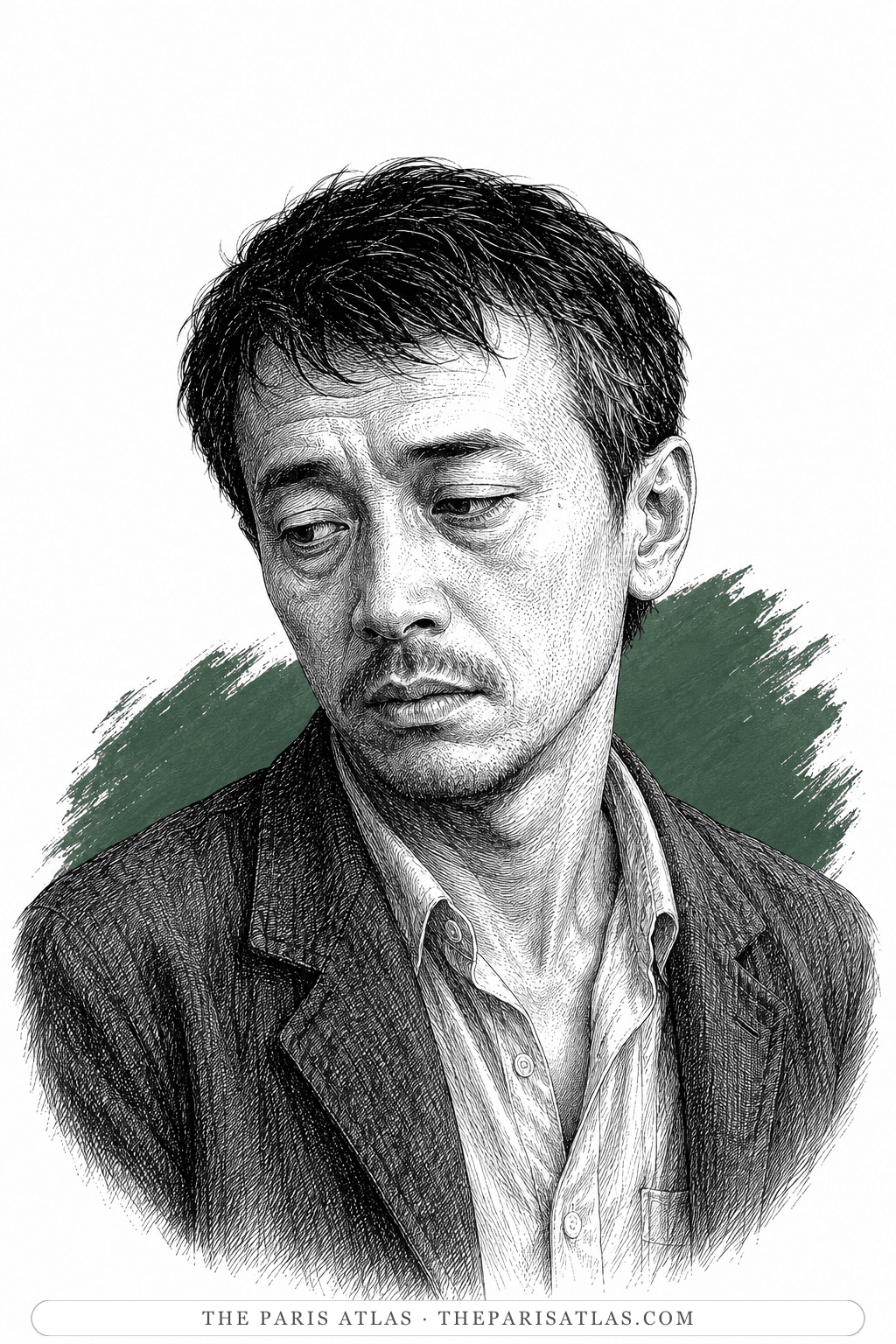
Kiên
The North Vietnamese veteran and sleepless writer whose memories give the novel its broken chronology.
To give the dead and his lost life a form that can survive, even when he cannot arrange either neatly.
The book

At a glance
- North Vietnamese
- Glorious 27th
- Remains recovery and writing
Who they are in the book
Spoiler-freeKiên survives the destruction of his unit and later returns to gather the remains of the dead.
His intelligence and attention do not make him fully reliable about himself or Phương; the novel lets readers see where memory, shame, and possession shape his account.
How Kiên Is Portrayed
- Veteran at fortyPostwar exhaustion is visible in body, sleep, and routine.
- Memory-led attentionPresent objects release whole earlier scenes.
- Writer at nightPages become the main structure of his postwar life.
- Heavy drinkerAlcohol accompanies rather than resolves insomnia and memory.
- Loving and possessiveHis feeling for Phương includes demands she cannot fulfill.
- Survivor among the deadHe experiences continued life as obligation and estrangement.
Kiên leaves his Hanoi apartment and manuscript and disappears. The novel gives no confirmed destination or fate. A second veteran assembles his pages.
If you like The Sorrow of War


If you like Bảo Ninh
Explore authors with a similar voice, perspective, and influence.

Martha Gellhorn
War correspondent who covered the Spanish Civil War, D-Day, and conflicts across five more decades; Hemingway's third wife, 1940–1945.
View author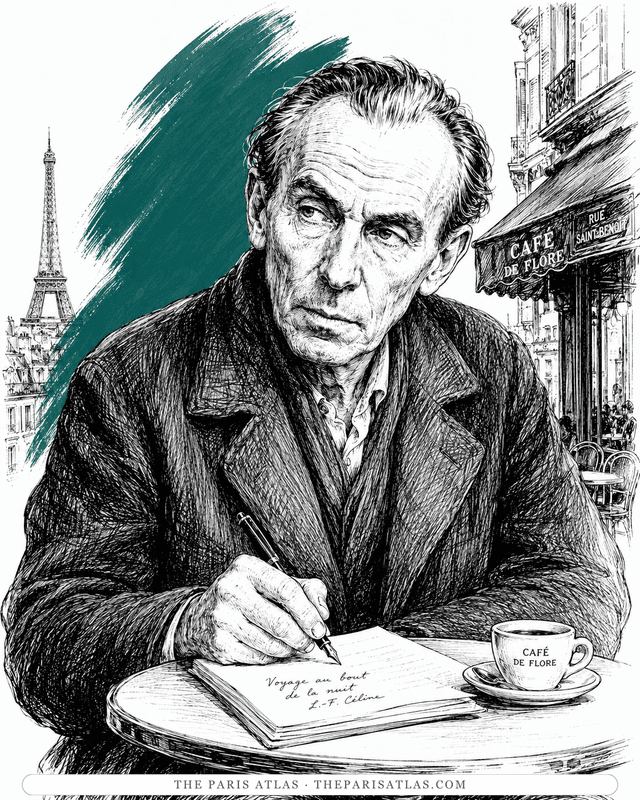
Louis-Ferdinand Céline
The doctor of the Paris slums who wrote the century's blackest, funniest novel — and changed the sound of French prose.
View author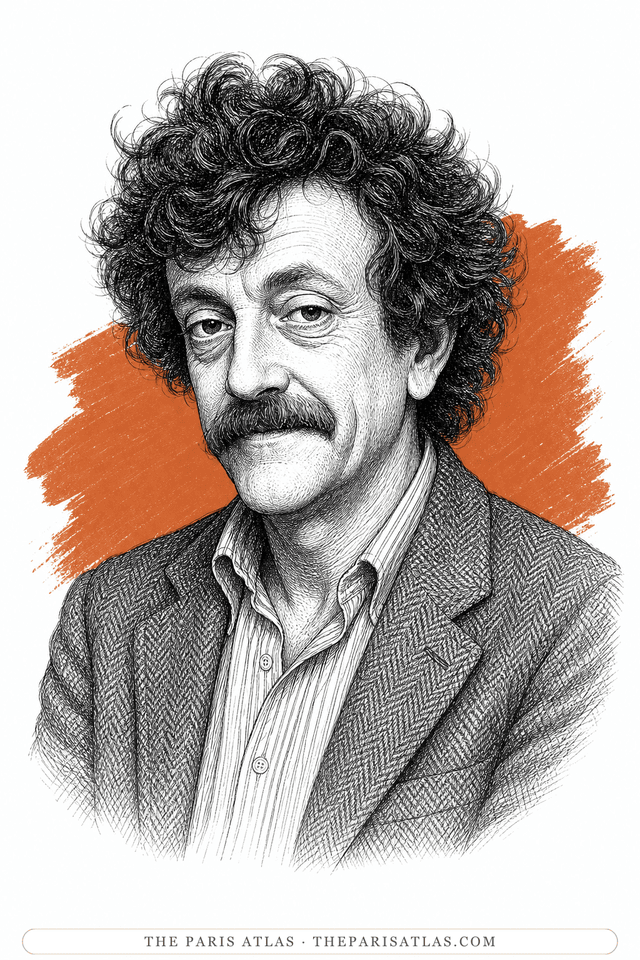
Kurt Vonnegut
American novelist whose fiction combines satire, science fiction, and the experience of surviving the bombing of Dresden.
View author