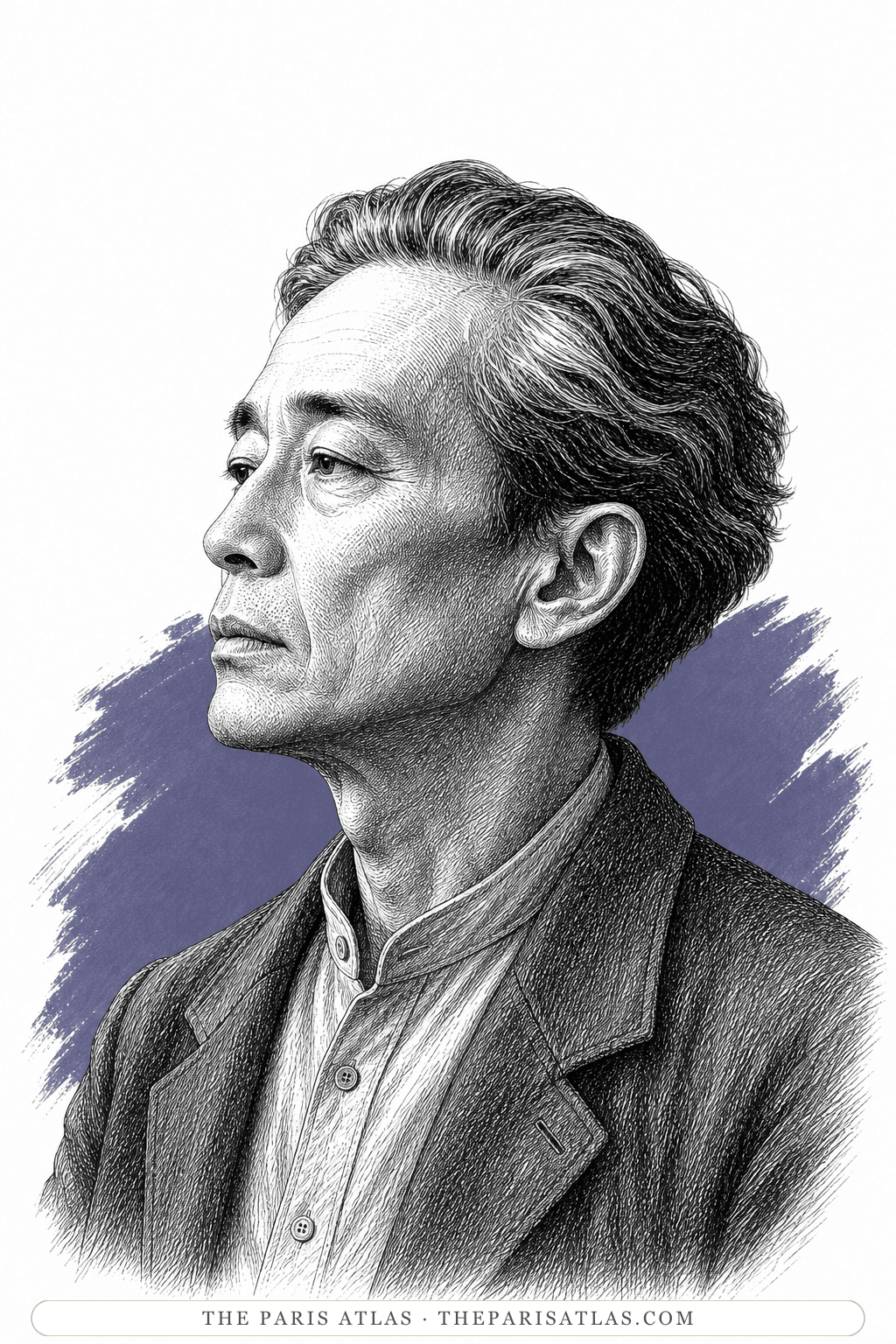
Kiên's father
An isolated painter whose private art shapes Kiên's understanding of memory, creation, and rejection.
To make work faithful to his own vision even when society has little use for it.
The book

At a glance
- Painter
- Kiên's father
- Hanoi
Who they are in the book
Spoiler-freeKiên's father remains committed to art that does not fit accepted public expectations.
His alienation and the uncertain survival of his work anticipate Kiên's fear that private testimony may disappear.
How Kiên's father Is Portrayed
- PainterCreation defines him more than social belonging.
- AlienatedHe stands apart from approved culture and family ease.
- Difficult fatherKiên inherits influence without uncomplicated closeness.
- Private visionHis work resists public formulas.
- Prewar lossHis death belongs to the world Kiên cannot recover.
- Model for the manuscriptArt may survive a maker who cannot secure its reception.
His death and the threatened or lost work remain part of Kiên's prewar memory. He does not live to see Kiên's postwar manuscript.
If you like The Sorrow of War


If you like Bảo Ninh
Explore authors with a similar voice, perspective, and influence.
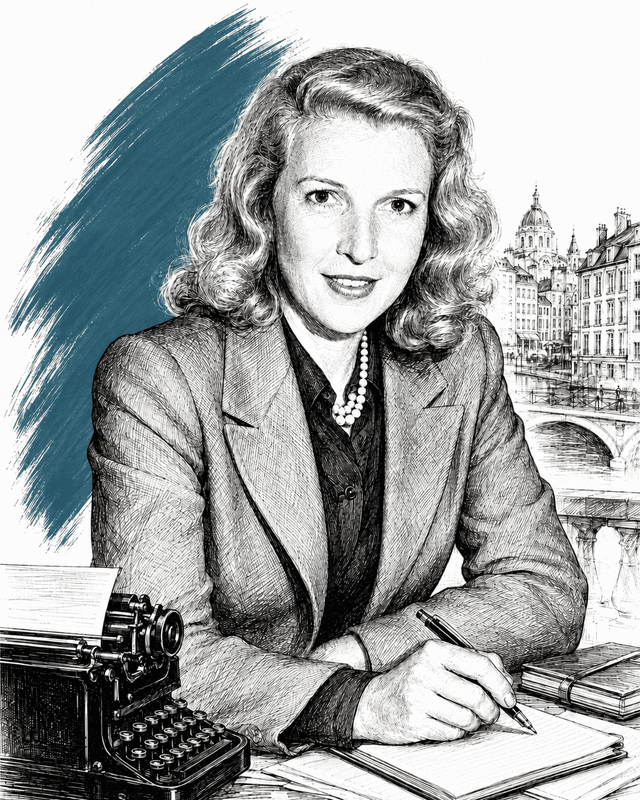
Martha Gellhorn
War correspondent who covered the Spanish Civil War, D-Day, and conflicts across five more decades; Hemingway's third wife, 1940–1945.
View author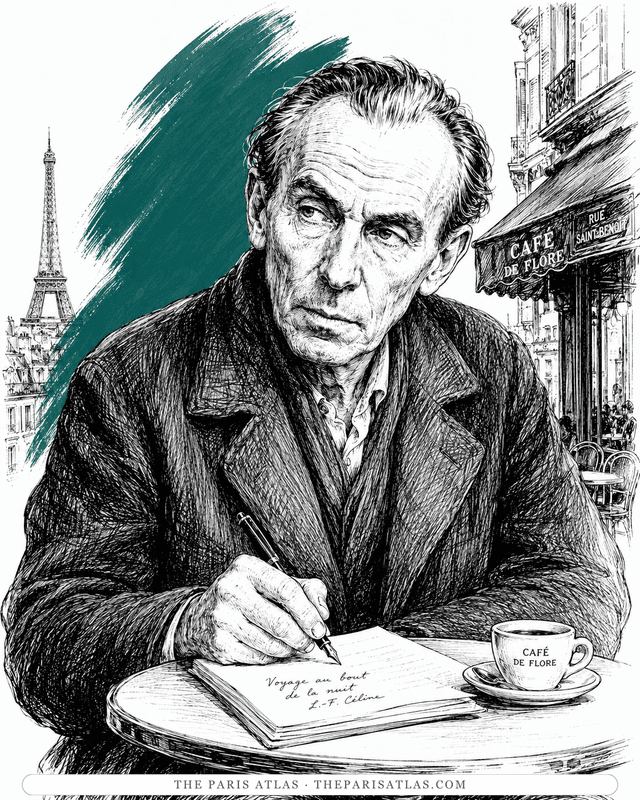
Louis-Ferdinand Céline
The doctor of the Paris slums who wrote the century's blackest, funniest novel — and changed the sound of French prose.
View author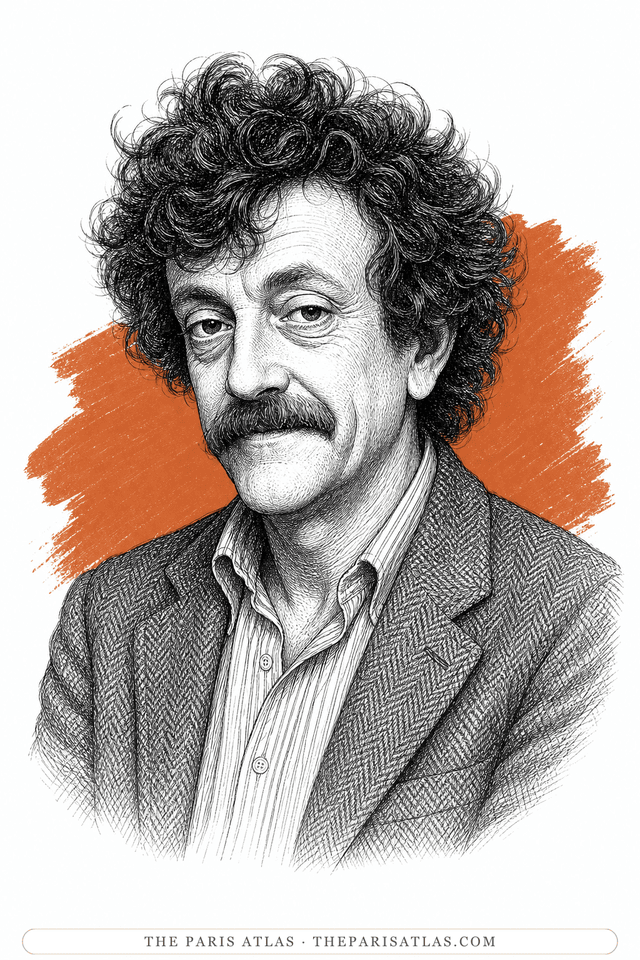
Kurt Vonnegut
American novelist whose fiction combines satire, science fiction, and the experience of surviving the bombing of Dresden.
View author