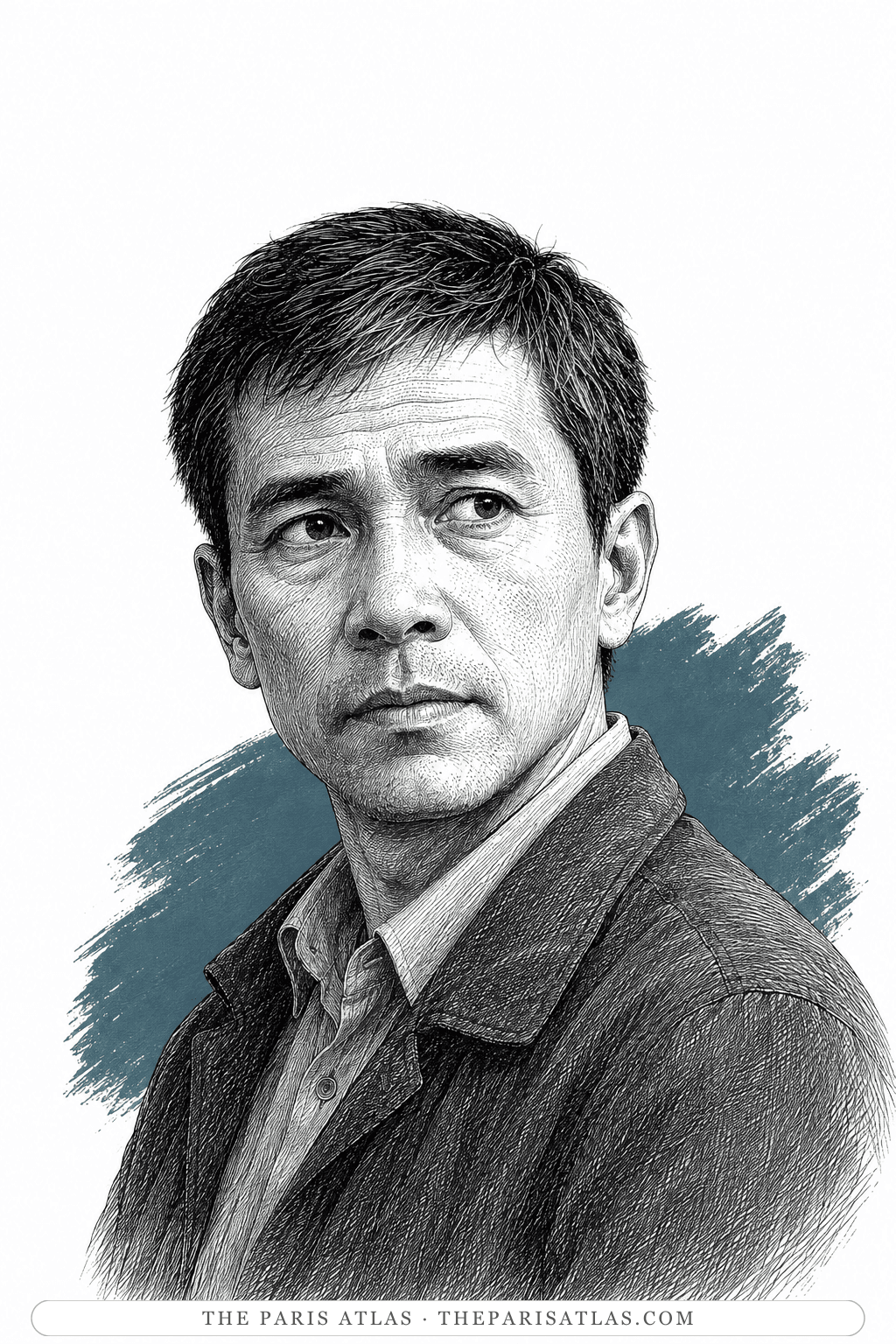
The second veteran narrator
The unnamed former soldier who recognizes, assembles, and transmits Kiên's disordered manuscript.
To preserve Kiên's testimony without falsifying it into a smoother story.
The book

At a glance
- Veteran and manuscript assembler
- Pages from the unnamed neighbor
- Final frame
Who they are in the book
Spoiler-freeHe initially encounters the pages as a problem of order and authorship.
Shared war experience lets him recognize a form of coherence based on memory rather than calendar sequence.
How The second veteran narrator Is Portrayed
- Unnamed veteranShared experience matters more than a personal biography.
- First readerHe receives the manuscript before the public does.
- AssemblerHe creates sequence without claiming to restore certainty.
- Witness to a witnessHis recognition extends Kiên's memory beyond one mind.
- Late arrivalHis appearance changes the status of every earlier page.
- Frame narratorHe reveals the novel as a transmitted document.
He arranges and presents Kiên's pages. The novel the reader has finished is framed as the result of that act.
If you like The Sorrow of War


If you like Bảo Ninh
Explore authors with a similar voice, perspective, and influence.
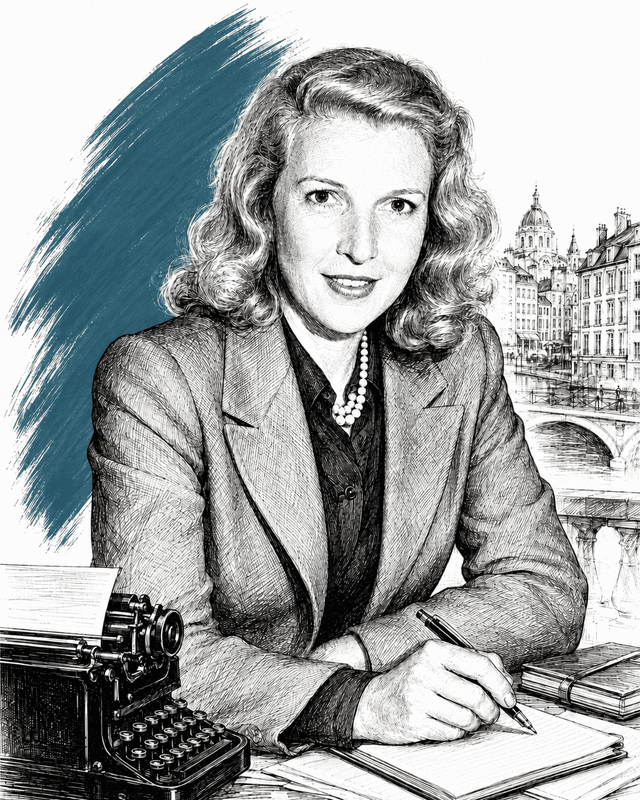
Martha Gellhorn
War correspondent who covered the Spanish Civil War, D-Day, and conflicts across five more decades; Hemingway's third wife, 1940–1945.
View author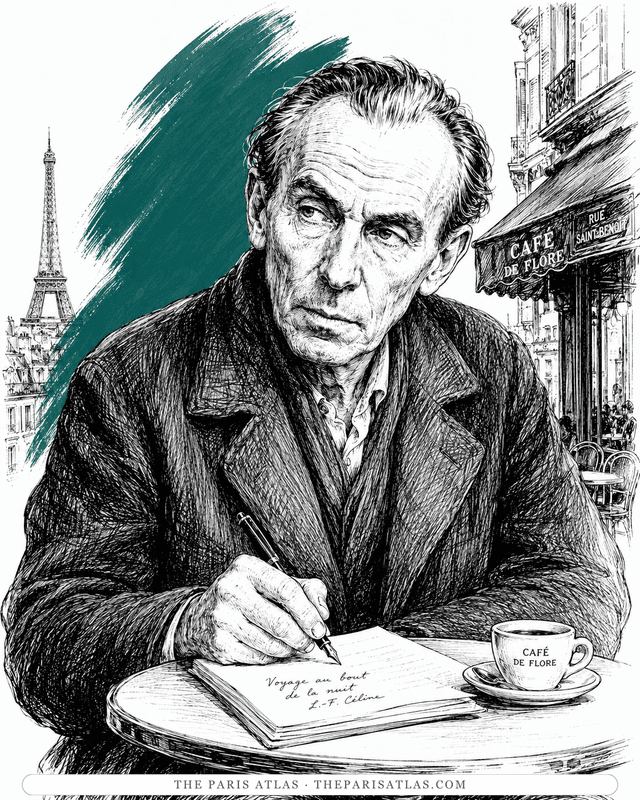
Louis-Ferdinand Céline
The doctor of the Paris slums who wrote the century's blackest, funniest novel — and changed the sound of French prose.
View author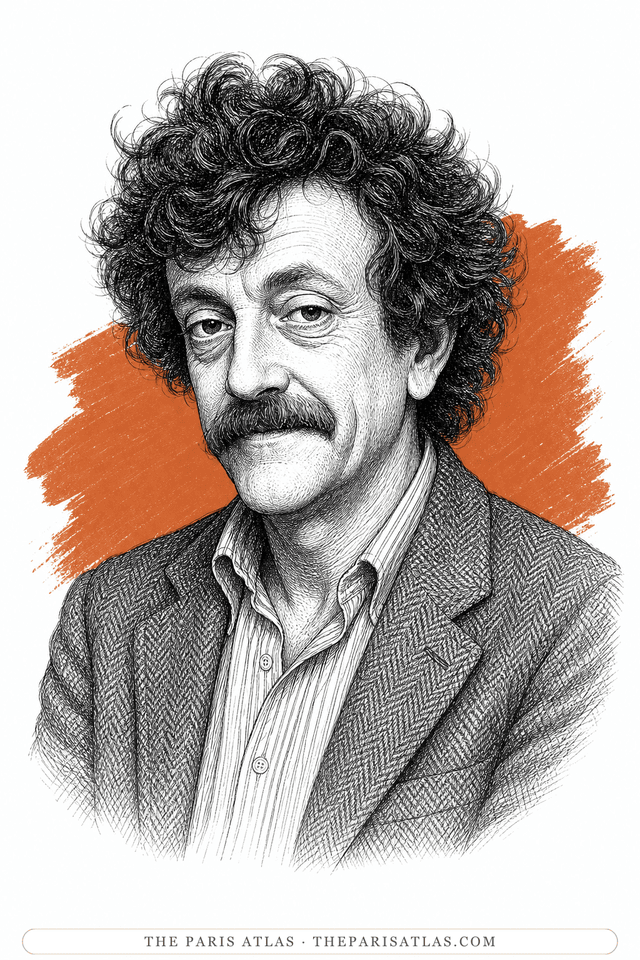
Kurt Vonnegut
American novelist whose fiction combines satire, science fiction, and the experience of surviving the bombing of Dresden.
View author