
The unnamed neighbor
The young Hanoi woman who listens without speech and preserves pages Kiên discards.
To remain close to Kiên on terms that do not require him to explain what he cannot yet explain.
The book

At a glance
- Kiên's Hanoi building
- Neighbor and listener
- Preserves discarded pages
Who they are in the book
Spoiler-freeThe neighbor does not demand that Kiên make his memories orderly or socially acceptable.
Her practical care for the manuscript makes the final transmission possible. She should not be reduced to a mystical symbol merely because the text does not name her.
How The unnamed neighbor Is Portrayed
- Does not speakSilence changes the kind of listening she offers.
- Patient presenceShe can share space with Kiên's disorder.
- Keeper of pagesShe saves material he throws away.
- Concrete helperThe manuscript survives through her action.
- UnnamedThe lack of a name limits what can responsibly be claimed.
- Final companionShe is present before Kiên leaves.
She spends a final night with Kiên before he disappears and later gives the manuscript pages to the second veteran narrator.
If you like The Sorrow of War


If you like Bảo Ninh
Explore authors with a similar voice, perspective, and influence.

Martha Gellhorn
War correspondent who covered the Spanish Civil War, D-Day, and conflicts across five more decades; Hemingway's third wife, 1940–1945.
View author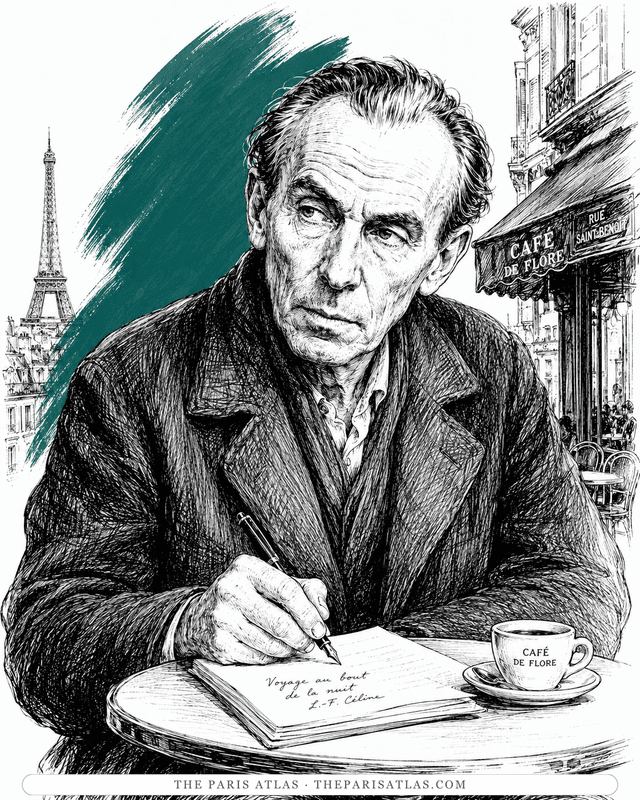
Louis-Ferdinand Céline
The doctor of the Paris slums who wrote the century's blackest, funniest novel — and changed the sound of French prose.
View author
Kurt Vonnegut
American novelist whose fiction combines satire, science fiction, and the experience of surviving the bombing of Dresden.
View author