
Quảng
A catastrophically wounded comrade whose death makes the novel's bodily honesty impossible to evade.
To end unbearable suffering amid combat.
The book

At a glance
- Soldier
- Kiên's unit
- Dies during combat
Who they are in the book
Spoiler-freeQuảng appears in an emergency where the body's destruction overwhelms heroic language.
His final act belongs to pain and battlefield circumstance, not a simple emblem of courage.
How Quảng Is Portrayed
- Gravely woundedHis injury is described without sanitizing it.
- ComradeKiên remains connected to the moment.
- Extreme painThe body's limits determine action.
- Antiheroic deathThe scene resists ceremonial meaning.
Catastrophically wounded, Quảng ends his own life amid the fighting rather than remain in agony.
If you like The Sorrow of War


If you like Bảo Ninh
Explore authors with a similar voice, perspective, and influence.

Martha Gellhorn
War correspondent who covered the Spanish Civil War, D-Day, and conflicts across five more decades; Hemingway's third wife, 1940–1945.
View author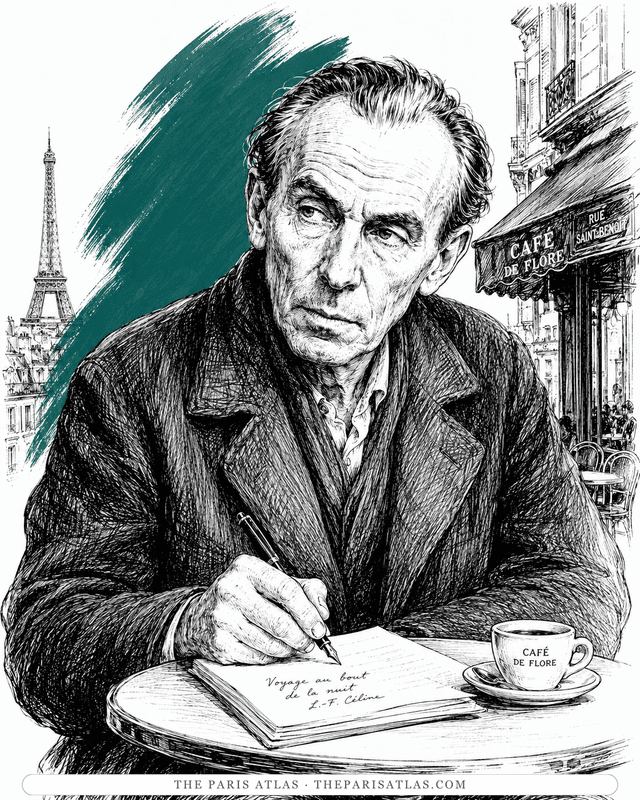
Louis-Ferdinand Céline
The doctor of the Paris slums who wrote the century's blackest, funniest novel — and changed the sound of French prose.
View author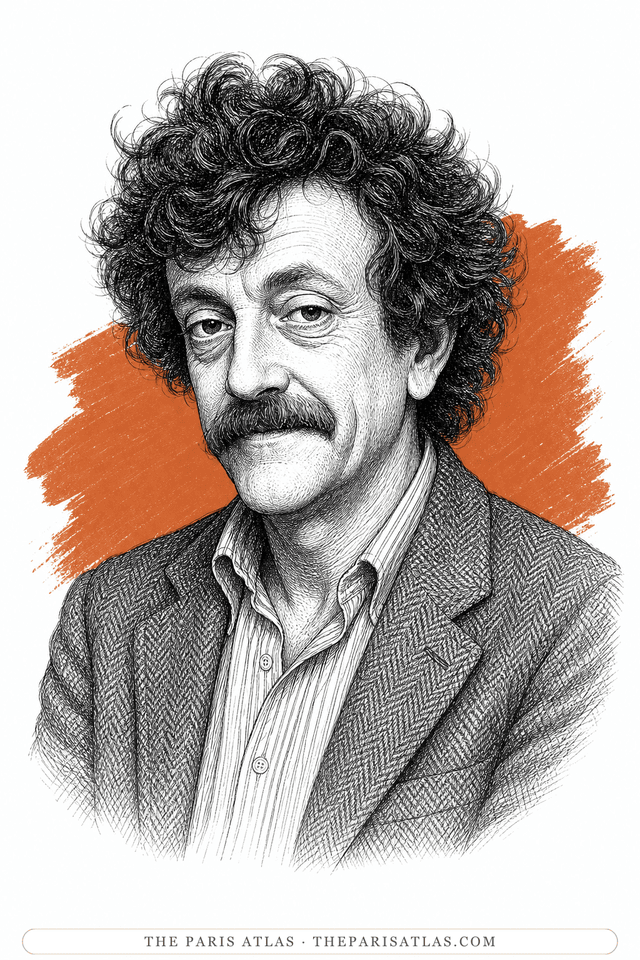
Kurt Vonnegut
American novelist whose fiction combines satire, science fiction, and the experience of surviving the bombing of Dresden.
View author